If you are comparing Square Mile, Hasbean and Origin, you are probably past supermarket beans and trying to choose your first serious UK speciality roaster. All three ship nationwide, all three work for home espresso and filter, and all three cost enough that the wrong choice feels annoying rather than harmless.
The short version: Square Mile is polished and consistent, Hasbean gives you the most variety for the money, and Origin is the one to pick if you like brighter single origins and a more premium feel. If you are still choosing kit as well as beans, start with our best coffee grinders UK guide, because fresh beans only really shine with a decent burr grinder.
In This Article
- Square Mile Coffee Roasters
- Hasbean Coffee
- Origin Coffee
- Roast Profiles Compared
- Subscription Services Compared
- Value for Money
- Which Roaster for Espresso
- Which Roaster for Filter and Pour Over
- Which Roaster for Beginners
- Other UK Roasters Worth Trying
- Frequently Asked Questions
Square Mile Coffee Roasters
The Background
Founded in 2008 in East London by James Hoffmann (World Barista Champion 2007) and Anette Moldvaer (World Cup Tasters Champion). If you’ve watched any coffee content on YouTube, you’ve probably seen Hoffmann — and his meticulous, detail-obsessed approach defines Square Mile’s character. They roast in Bethnal Green and supply some of London’s best cafés alongside their direct-to-consumer business.
The Coffee
Square Mile’s range is focused rather than sprawling. They typically offer:
- The Filter Blend — their daily drinker for pour-over and filter methods. Consistently fruity and clean with rotating origins. About £10 for 250g.
- Red Brick — their espresso blend. Chocolatey, nutty, approachable. Designed to work well with milk but also good straight. About £10 for 250g.
- Single Origins — a rotating selection of 3-5 options, sourced directly from farms they’ve built long-term relationships with. £11-16 for 250g depending on the coffee.
- Decaf — a single washed decaf that’s better than most caffeinated coffees you’ve tried. About £11 for 250g.
The Style
If you had to describe Square Mile’s roasting in one word, it would be “refined.” They roast light to medium, aiming to highlight the inherent flavours of the bean rather than imposing roast character. Their coffees tend to be clean, balanced, and precise. There are no wild, divisive flavour experiments — everything they release is polished and deliberate.
The Experience
Ordering from Square Mile’s website is simple, and the packaging is excellent — resealable kraft bags with clear roast dates, origin information, and brewing suggestions. Delivery is typically 1-2 days via Royal Mail. The beans arrive within a week of roasting, which matters more than most people realise for flavour.
Who It’s For
People who want reliability. If you want to order the same blend every month and know exactly what you’re getting — well-roasted, clean, crowd-pleasing coffee — Square Mile is your roaster. It’s also where I’d point anyone buying speciality coffee as a gift, because nothing they sell is challenging or divisive.
Hasbean Coffee
The Background
Founded in 2000 by Steve Leighton in Stafford. Hasbean was doing speciality coffee before most of the UK knew what it meant. They were pioneers of direct trade in the UK, building relationships with farmers in Central America, Africa, and South-East Asia when most roasters were buying through importers. They’re now part of the Taylor’s of Harrogate family (who bought them in 2017), but the roasting operation and sourcing philosophy remain the same.
The Coffee
Hasbean’s range is enormous compared to Square Mile:
- Jailbreak Blend — their house espresso blend. Designed to be sweet, chocolatey, and forgiving with different extraction parameters. About £7.50 for 250g — notably cheaper than competitors.
- Single Origins — typically 10-15 options at any time, rotating frequently. Ethiopian naturals, Colombian washed, Guatemalan honey process — the breadth is impressive. £8-14 for 250g.
- In My Mug (IMM) subscription — their flagship offering. A different coffee every two weeks, chosen by Steve, with brewing notes and origin stories. One of the longest-running coffee subscriptions in the UK.
- Limited releases — competition lots, micro-lots, and experimental processes. These sell out fast and can hit £20+ for 250g, but they represent the cutting edge of what’s possible in coffee.
The Style
Hasbean roasts across a wider spectrum than Square Mile. Their blends lean medium — accessible, sweet, reliable. Their single origins range from light and fruity to medium and complex. They’re less afraid of variety, which means you’ll occasionally get something unexpected. I’ve had Hasbean single origins that were the best coffee I’ve tasted that month, and others that were interesting but not quite my thing. That range is part of the appeal. If you are exploring this area, our guide on Chemex vs V60 vs Kalita Wave: Pour-Over Methods Compared covers the essentials.
The Experience
The website is functional but not as slick as Square Mile’s. Coffee descriptions are detailed and honest — Steve’s tasting notes are written like a friend talking about coffee over a pint rather than a sommelier describing wine. Delivery is via Royal Mail or DPD, typically 1-3 days. Beans are roasted fresh to order for single origins, which sometimes means a short wait.
Who It’s For
Explorers. If you want to try coffees from different countries, different processes, different flavour profiles — Hasbean’s range and subscription service are unmatched in the UK. The lower price point also makes it less painful to take risks on unfamiliar coffees. If you enjoy learning about your coffee grind sizes and experimenting with different brew methods, Hasbean gives you the variety to actually use that knowledge.
Origin Coffee
The Background
Founded in 2004 in Helston, Cornwall, by Tom Sobey. Origin started as a café and roastery in Cornwall and has grown into one of the UK’s most respected speciality roasters. They have cafés in Cornwall, London, and Bristol, and their roastery sits in an old chapel in Helston. They put huge emphasis on direct trade — Tom travels to origin countries regularly and builds long-term buying partnerships with farmers.
The Coffee
Origin’s range sits between Square Mile’s focus and Hasbean’s breadth:
- Pathfinder Blend — their all-rounder, designed for espresso and filter. Sweet, balanced, approachable. About £9 for 250g.
- Resolute Blend — their bolder espresso option. More body, more chocolate, designed for milk-based drinks. About £9 for 250g.
- Single Origins — typically 5-8 options, with a strong emphasis on transparency about sourcing and processing. £10-16 for 250g.
- Reserve Collection — rare and experimental lots. Carbonic maceration, anaerobic fermentation, competition winners. £15-25 for 250g.
The Style
Origin sits in the middle ground between Square Mile’s precision and Hasbean’s variety. They roast slightly darker than Square Mile — not dark by any means, but with a touch more body and sweetness. Their single origins tend to emphasise clarity and fruit notes without being aggressively light. The Reserve Collection pushes boundaries, but the core range is designed to appeal to people who want interesting coffee without needing a flavour decoder ring.
The Experience
Origin’s website is beautiful — clean design, strong photography, and detailed origin stories for each coffee. They’re the most visually appealing of the three brands. Subscription options are flexible, and they ship nationwide via Royal Mail. The Cornish roastery also runs tours if you’re ever in the area.
Who It’s For
People who care about the story behind their coffee. Origin’s emphasis on transparency and direct trade means every bag comes with information about the specific farm, the farmer, the altitude, the variety, and the processing method. If that context enhances your enjoyment (and for many people it does), Origin makes you feel connected to what you’re drinking. It’s also the best middle ground for someone who finds Square Mile too safe and Hasbean too unpredictable.
Roast Profiles Compared
The roast level is where these three roasters differ most noticeably in the cup.
Square Mile — Light to Light-Medium
- Emphasis on origin character over roast character
- Clean, bright, sometimes tea-like
- Best for pour-over and filter methods
- Can taste “sour” or “underdeveloped” to people used to darker roasts
Hasbean — Light-Medium to Medium
- More accessible sweetness
- Wider range — some light, some medium, blends slightly darker
- Works well across all brew methods
- Most forgiving for imprecise brewing
Origin — Medium-Light to Medium
- Slightly more body than Square Mile
- Emphasises sweetness and fruit alongside some chocolate and caramel notes
- Good balance between origin character and accessibility
- Works well for both espresso and filter
What This Means in Practice
If you currently drink Costa or Starbucks, any of these three will taste noticeably lighter and more complex. Square Mile will be the biggest shock — you might think the coffee is underroasted at first. Hasbean’s blends will feel the most familiar. Origin sits right in the middle. For understanding how roast level affects your coffee extraction, trying all three gives you a practical education.
Subscription Services Compared
All three offer subscriptions, but they work differently.
Square Mile Subscription
- Choose your coffee (blend or rotating single origin) and frequency
- Fixed selections — you know what you’re getting
- £10-14 per delivery, free shipping on subscriptions
- Good for people who’ve found their favourite and want it regularly
Hasbean In My Mug (IMM)
- Steve picks a different coffee every two weeks
- You don’t choose — that’s the point
- £7.50 per delivery (250g), which is excellent value
- Includes detailed brewing notes and origin information
- The “surprise me” subscription — best for discovery
Origin Subscription
- Choose from their range or let them pick
- More flexibility than Square Mile, less surprise than Hasbean
- £9-16 per delivery depending on the coffee
- Option to add a second bag at a discount
- Beautiful packaging and presentation
Our Pick
For discovery: Hasbean IMM. You’ll try more different coffees in a year than you would buying retail, and the price is the best of the three. For consistency: Square Mile. For a balance of both: Origin.
Value for Money
Price matters, especially when you’re spending £10+ per 250g bag that might last a week.
Cost per 250g (blends)
- Hasbean Jailbreak: about £7.50
- Origin Pathfinder: about £9.00
- Square Mile Red Brick: about £10.00
Cost per 250g (single origins, average)
- Hasbean: about £9-12
- Origin: about £10-14
- Square Mile: about £11-15
Shipping
- Hasbean: free over £25 (easy to hit with two bags)
- Square Mile: free on subscriptions, otherwise £3
- Origin: free over £25
Hasbean is the clear value winner. Their blends undercut the competition by 20-30%, and their single origins are consistently cheaper too. The quality doesn’t suffer — Hasbean’s sourcing relationships are among the oldest in UK speciality coffee, and their roasting is excellent. The lower price reflects their higher volume and integration with Taylor’s of Harrogate, not a quality compromise.
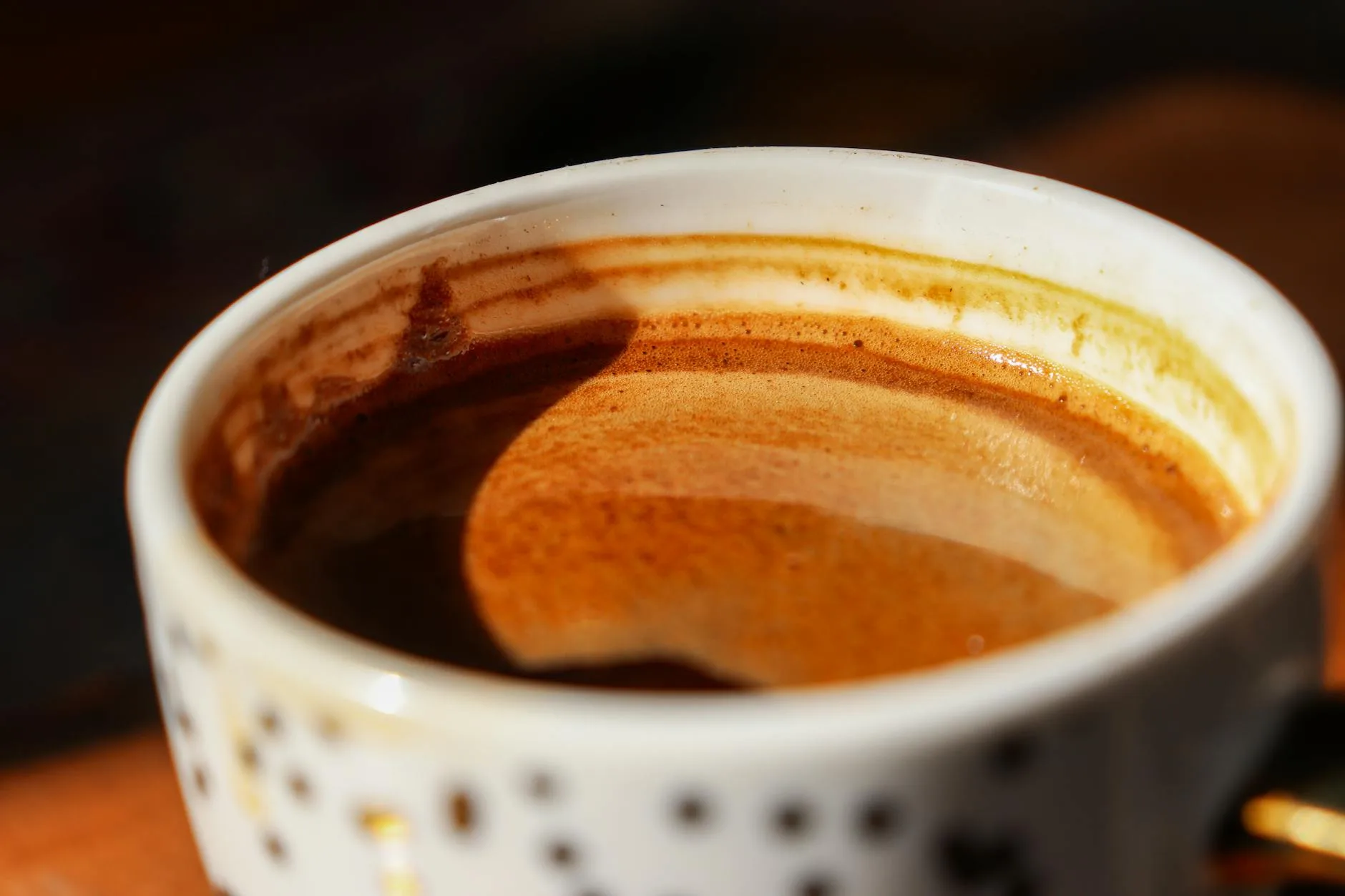
Which Roaster for Espresso
Best Blend for Espresso: Square Mile Red Brick
Red Brick is designed specifically for espresso, and it shows. It’s forgiving in its extraction window — you can be slightly off on your dose or timing and still get a good shot. The flavour profile (chocolate, nuts, subtle sweetness) works beautifully with milk and stands up well as a straight espresso. Knowing how to choose the right coffee machine is half the battle, but the beans make the other half.
Best Single Origin for Espresso: Origin Reserve Collection
If you want to pull espresso shots with interesting, complex single origins, Origin’s Reserve Collection provides coffees that are selected and roasted specifically for espresso. The processing methods (carbonic maceration, anaerobic fermentation) create flavour profiles that make espresso genuinely exciting rather than just “strong coffee.”
Most Versatile: Hasbean Jailbreak
At £7.50 per 250g, Jailbreak is hard to beat for everyday espresso. It’s sweet, forgiving, and consistent month to month. Not as refined as Red Brick, but at 25% less cost, it’s the practical daily driver.
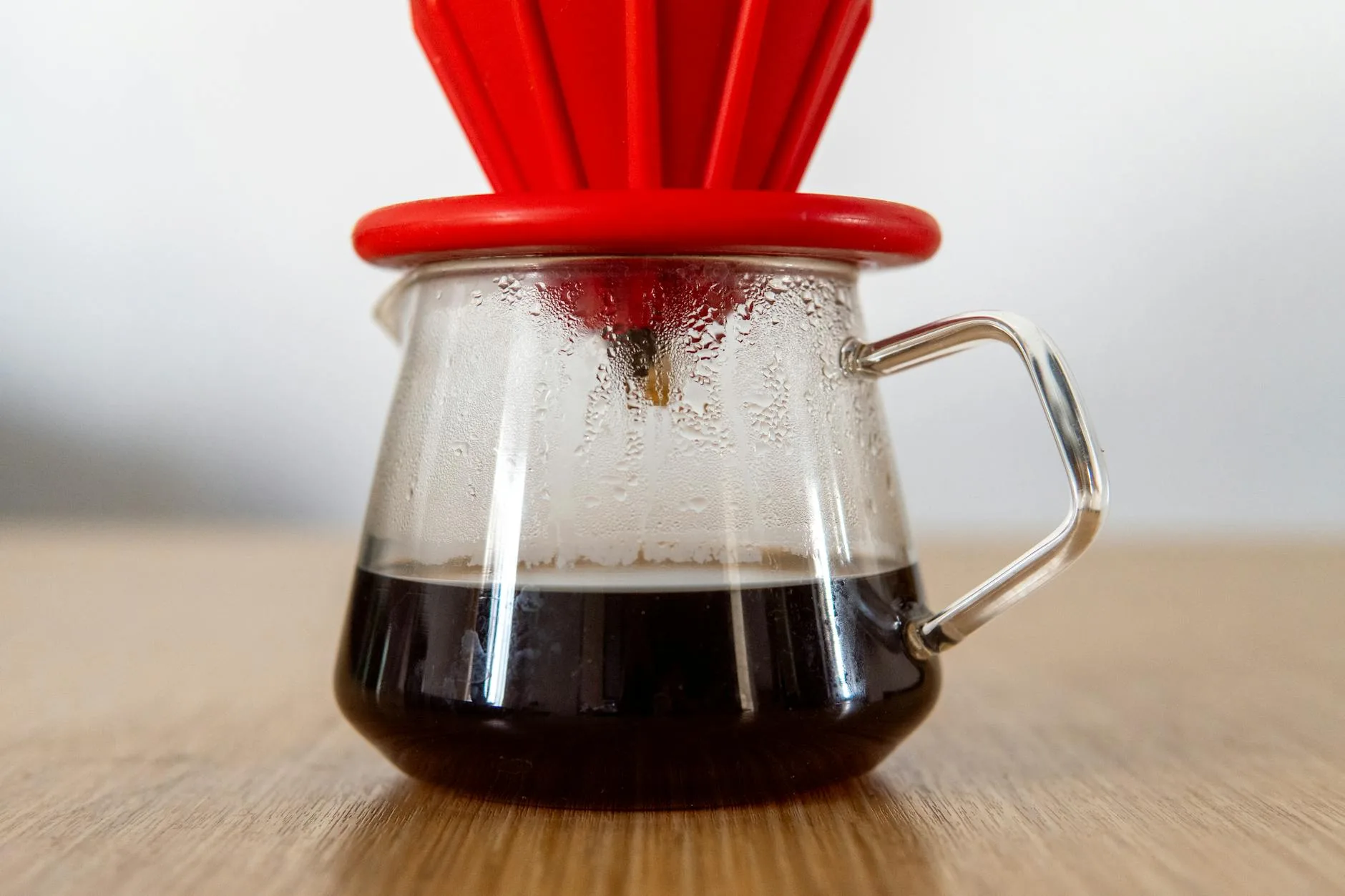
Which Roaster for Filter and Pour Over
Best Overall: Square Mile Filter Blend
This is what Square Mile does best. Their filter blend is consistently bright, clean, and expressive. It’s designed for pour-over methods and it shows — using a V60 or Chemex with this coffee produces cups that taste like fruit juice in the best possible way.
Best for Variety: Hasbean Single Origins
If you’re a pour-over enthusiast who wants to explore different origins and processing methods, Hasbean’s rotating single origins give you the broadest range. Each one brews differently, which keeps things interesting if you’re the kind of person who tweaks recipes for every new bag.
Best for the Middle Ground: Origin Pathfinder
Pathfinder works well as both filter and espresso, which is unusual — most blends are optimised for one or the other. If you only want to buy one bag and use it across different brew methods, Pathfinder is the most versatile option of the three.
Which Roaster for Beginners
If you’ve never bought from a speciality roaster before, start with Hasbean Jailbreak. Here’s why:
The Price Reduces Risk
At £7.50 per 250g, it’s the cheapest entry point. If you decide speciality coffee isn’t for you (it will be, but hypothetically), you’ve lost less than a tenner.
The Flavour Is Accessible
Jailbreak tastes like good coffee, not like a science experiment. It’s sweet, chocolatey, and familiar enough that you won’t be shocked. Some of Square Mile’s lighter roasts can taste acidic or “sour” to newcomers — it’s a beautiful flavour once you develop the palate for it, but it’s jarring at first.
The Subscription Is Discovery
Signing up to Hasbean’s IMM subscription is the fastest way to educate your palate. You’ll try coffees from different countries, different processes, different roast levels — all curated by someone who’s been sourcing speciality coffee for over 25 years. After six months of IMM, you’ll know exactly what you like.
Then Branch Out
Once you know your preferences, try Square Mile if you like clean, bright coffees, or Origin if you want more body and sweetness. Having a baseline from Hasbean will help you articulate what you enjoy about each roaster’s style. And if you’re still learning about the equipment side, our guide to different brew methods covers the basics.
Other UK Roasters Worth Trying
The UK speciality coffee scene is thriving. Once you’ve explored the big three, these roasters deserve your attention:
- Assembly (Brixton, London) — light roasts, Ethiopian and Colombian focus. Beautiful packaging. About £10-14 per 250g.
- North Star (Leeds) — one of the best northern roasters. Great espresso blends and interesting single origins. About £8-12 per 250g.
- Kiss the Hippo (Richmond, London) — carbon-negative roastery. Excellent espresso. About £10-14 per 250g.
- Round Hill (Bath) — small-batch, thoughtful sourcing. Consistently excellent. About £9-12 per 250g.
- Dark Arts (Hackney, London) — medium-dark roasts with personality. Good for people who find most speciality coffee too light. About £10-14 per 250g.
Most UK speciality roasters offer free shipping over £25, and many have Speciality Coffee Association (SCA) memberships that guarantee standards of sourcing and roasting.
Frequently Asked Questions
Are Square Mile, Hasbean, and Origin worth the price over supermarket beans? Without question. Supermarket beans are typically roasted months before you buy them and use lower-grade commodity coffee. Speciality roasters use higher-quality beans, roast to order (or within days), and the flavour difference is enormous. Once you try fresh speciality coffee, going back to supermarket beans feels like switching from fresh pasta to instant noodles.
How quickly should I use speciality coffee after roasting? For best results, use beans within 2-4 weeks of the roast date. They need 5-10 days to degas after roasting, so don’t brew them the day they arrive. All three roasters print clear roast dates on their bags. Once opened, aim to use within 2 weeks and store in an airtight container away from light and heat.
Can I use speciality beans in a bean-to-cup machine? Yes, but you’ll get better results from machines that let you adjust grind size and extraction time. Budget bean-to-cup machines with preset programmes may not extract light-roasted speciality beans properly, resulting in sour or watery coffee. Medium-roasted blends like Hasbean Jailbreak work best in automated machines.
Which roaster is best for cold brew? Hasbean’s single origins work excellently for cold brew, especially their natural-processed Ethiopian and Brazilian coffees. The extended brewing time brings out sweetness and fruit notes. Origin’s Pathfinder blend also cold brews well. Square Mile’s lighter roasts can taste thin in cold brew — stick to their Red Brick blend if cold brewing.
Do any of these roasters sell decaf? All three offer decaf options. Square Mile’s decaf is widely regarded as one of the best in the UK — it uses Swiss Water Process, which removes caffeine without chemicals. Hasbean and Origin also stock decaf single origins periodically. Decaf from speciality roasters is in a different league from supermarket decaf.