Chemex, Hario V60 and Kalita Wave all make clean pour-over coffee, but they suit different drinkers. Chemex gives the clearest, smoothest cup, V60 gives the most control and complexity, and Kalita Wave is the easiest to repeat consistently. If you are choosing your first serious pour-over brewer, the main decision is how much technique you want to manage every morning.
Quick Answer: Choose Kalita Wave if you want the most forgiving pour-over brewer, V60 if you enjoy precise technique and brighter flavours, and Chemex if you want a clean, smooth cup for two or more people. For most beginners, Kalita Wave is the easiest recommendation; for coffee hobbyists, V60 has the highest ceiling.
In This Article
- The Quick Verdict
- How Pour-Over Coffee Works
- Chemex: The Elegant One
- Hario V60: The Precision Tool
- Kalita Wave: The Forgiving One
- Flavour Profiles Compared
- Difficulty and Learning Curve
- Equipment and Running Costs
- Which Beans Work Best with Each Method
- Brewing Recipes for Each Method
- Common Mistakes and How to Fix Them
- Bottom Line
- Frequently Asked Questions
The Quick Verdict
If you want one answer: the Kalita Wave is the best pour-over brewer for most people. It’s the most forgiving of the three, produces a consistently clean and balanced cup, and doesn’t punish you for imperfect technique. The flat-bottom design means your grind size and pour speed matter less than with the V60, which makes it brilliant for anyone who hasn’t spent months perfecting their pour.
But “most forgiving” doesn’t mean “best.” The V60 produces a more complex, nuanced cup in skilled hands. The Chemex makes the cleanest, smoothest pour-over you can get. Each has a genuine purpose.
How Pour-Over Coffee Works
All three brewers use the same basic principle: you pour hot water over ground coffee in a filter, and gravity pulls the water through the grounds and into your cup or carafe below. The differences come from three variables:
Filter Type
- Chemex: Thick bonded paper filters that remove more oils and fine particles. Produces the cleanest cup.
- V60: Thinner paper filters with a single large drain hole. Faster flow, more oils in the cup.
- Kalita Wave: Wavy paper filters with a flat bottom and three small drain holes. Moderate flow rate, balanced extraction.
Dripper Shape
- Chemex: Conical with a channel (spout). The thick filter slows the drawdown considerably.
- V60: Conical with spiral ridges inside. The ridges create air channels that speed up flow.
- Kalita Wave: Flat bottom with three small drain holes. Restricts flow naturally, creating a more even extraction bed.
Contact Time
The shape and filter combine to determine how long water stays in contact with the coffee. Longer contact = more extraction = different flavour. Chemex runs longest (4-5 minutes), Kalita in the middle (3-4 minutes), V60 fastest (2.5-3.5 minutes).
For a broader comparison of how pour-over stacks up against other brewing methods, our pour-over vs French press vs AeroPress guide covers the fundamentals.
Chemex: The Elegant One
Price: ~£35-45 (6-cup Classic) Filters: Chemex bonded paper (£8-12 for 100) Best for: People who like clean, smooth, tea-like coffee Where to buy: Bella Barista, Coffee Hit, Amazon UK
The Chemex is the one non-coffee people recognise. It’s been in the Museum of Modern Art since 1944 — and it’s been on our kitchen counter for the past three years, it looks beautiful on a kitchen counter, and the coffee it makes is unlike anything from the other two methods. If you are exploring this area, our guide on Square Mile vs Hasbean vs Origin: UK Roasters Compared covers the essentials.
How It Brews
The Chemex uses its own proprietary bonded paper filters, which are 20-30% thicker than standard pour-over filters. This thickness is what defines the Chemex experience — it strips out most of the oils and micro-fines that give coffee body and mouthfeel, leaving an exceptionally clean, bright, almost tea-like cup.
What We Like
- The cleanest cup of the three. If you find French press too heavy or espresso too intense, Chemex coffee is a revelation. It’s all clarity and brightness — you taste individual origin flavours more distinctly than with any other method.
- It looks stunning. The hourglass design with a wooden collar and leather tie is iconic. It doubles as a carafe, so you brew and serve from the same vessel.
- Brews larger quantities. The 6-cup model makes about 750ml — enough for two large mugs. The 8-cup handles a small dinner party. Neither the V60 nor the Kalita does volume as elegantly.
- The ritual is calming. There’s something meditative about a four-minute Chemex brew on a quiet morning. The slow pour, the bloom, watching the coffee drip through — it’s the most satisfying of the three to watch.
What Could Be Better
- The filters are expensive and harder to find. Chemex filters cost roughly 8-12p each versus 3-5p for V60 papers. You can find them at Bella Barista or Coffee Hit, but most supermarkets don’t stock them.
- It’s fragile. It’s a big glass carafe. Drop it, and it shatters. The handle-less design means you’re gripping glass that’s full of near-boiling liquid.
- The thick filters slow everything down. Brew time runs 4-5 minutes, and if your grind is too fine, the drawdown stalls completely. Getting the grind right takes practice.
- Some people miss the body. If you like full-bodied, rich coffee, the Chemex strips out exactly the oils that create that. What feels “clean” to one person feels “thin” to another.
Hario V60: The Precision Tool
Price: ~£7-25 (plastic £7, ceramic £20-25) Filters: Hario V60 tabbed paper (£5-7 for 100) Best for: Experienced brewers who want maximum control and complexity Where to buy: Bella Barista, Coffee Hit, Amazon UK, Hario UK
The V60 is what baristas use in competitions. It’s the most capable of the three and the most demanding — a tool that rewards technique and punishes carelessness.
How It Brews
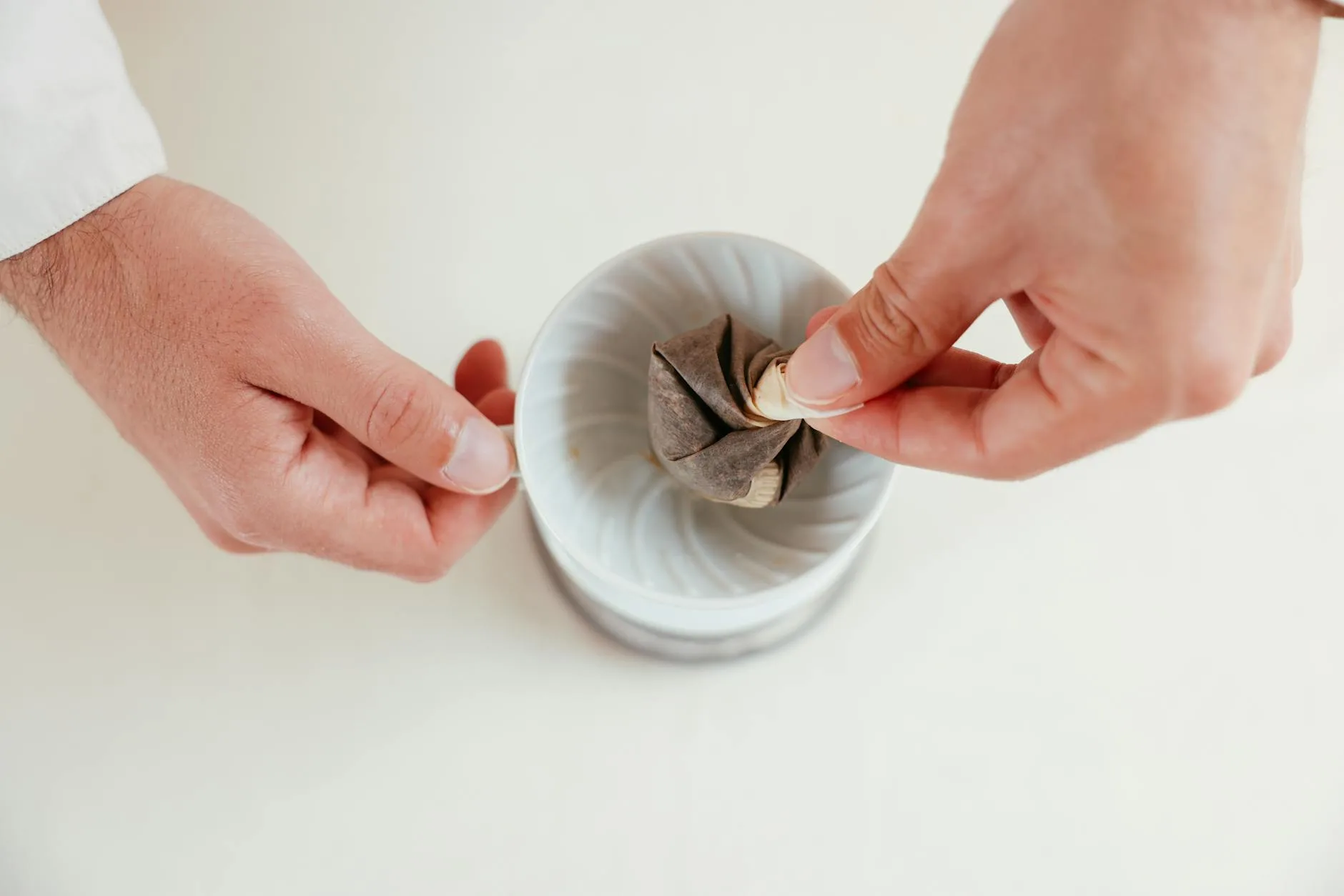
The V60’s conical shape with spiral ridges creates air channels between the filter and the walls. Combined with a single large drain hole at the bottom, this means the water flows through quickly — your pour rate and pattern directly control the extraction.
This is both the V60’s greatest strength and its biggest challenge. You have more control over the final cup than with either the Chemex or the Kalita. But that control means your technique matters a lot.
What We Like
- The most complex, nuanced cup. When dialled in properly, a V60 brew has layers of flavour that the other two methods don’t quite reach. Origin characteristics — fruity Ethiopian naturals, chocolatey Colombians, nutty Brazilians — come through vividly.
- Ridiculously cheap to buy. The plastic V60 is about £7. Seven pounds. It makes coffee that rivals brewers costing five times as much. The ceramic version at £20-25 retains heat better but isn’t meaningfully different in the cup.
- Filters are cheap and widely available. You can find Hario papers in most specialty coffee shops and online for about 5p each.
- The fastest brew. A well-dialled V60 finishes in 2.5-3 minutes. On a rushed morning, that speed matters.
What Could Be Better
- The learning curve is steep. Your pour speed, pattern, water temperature, and grind size all interact. Change one variable and the cup changes noticeably. Expect 2-3 weeks of daily brewing before you consistently make great coffee.
- It’s unforgiving. Pour too fast and the coffee is sour and watery. Pour too slowly and it’s bitter and over-extracted. The margin for error is narrower than either the Chemex or the Kalita.
- Single-cup only (practically). The 02 size makes one large mug or two small cups. Brewing for more people means multiple brews or stepping up to the 03 size, which changes the dynamics.
- Inconsistency between brews. Even experienced V60 users have off days. The Kalita gives you the same cup every time; the V60 might give you your best cup ever followed by a mediocre one.
Kalita Wave: The Forgiving One
Price: ~£25-35 (stainless steel 185) Filters: Kalita Wave paper (£8-10 for 100) Best for: Anyone who wants great pour-over without the fuss Where to buy: Bella Barista, Coffee Hit, Amazon UK
The Kalita Wave is the quiet achiever. It doesn’t have the Chemex’s looks or the V60’s competitive pedigree, but it makes reliably excellent coffee with less technique required than either.
How It Brews
The flat-bottom design with three small drain holes naturally restricts flow rate, creating a more even extraction regardless of your pour technique. The wavy filter paper doesn’t sit flush against the walls, creating an insulating air pocket that maintains temperature consistency.
This design means the coffee extracts more evenly across the bed, and your pour pattern matters less. You still need to pour in circles, but the flat bed does most of the work.
What We Like
- Consistency is outstanding. Brew after brew after brew, the Kalita delivers the same balanced cup. The flat bed geometry means small variations in your pour technique don’t noticeably affect extraction. On mornings when precision feels like too much to ask, the Kalita forgives.
- Balanced, sweet, clean. It sits between the Chemex’s clarity and the V60’s complexity. The cup has body but isn’t heavy, brightness but isn’t thin. If a Chemex is white wine and a V60 is a cocktail, the Kalita is a well-made lager — balanced and satisfying.
- Great for medium roasts. The even extraction pulls sweetness from medium roasts better than the V60 (which tends to favour light roasts) or the Chemex (which can make medium roasts taste flat).
- The stainless steel version is indestructible. Unlike the glass Chemex or ceramic V60, the Kalita 185 in stainless steel handles drops, knocks, and kitchen accidents without complaint.
What Could Be Better
- The filters are harder to find than V60 papers. They’re a specific shape and not stocked by most high street retailers. Order online from Bella Barista or Coffee Hit.
- Less control than the V60. If you want to experiment with pour patterns, pulse pours, and technique variations, the Kalita’s design smooths out those differences. That’s a feature for most people and a limitation for enthusiasts.
- The flat bed can channel. If your grind is very uneven, water finds paths through the bed rather than extracting evenly. A decent grinder matters more with the Kalita than some people expect.
- Smaller capacity. The 185 (standard) makes one large mug. The 155 is even smaller. For two or more people, you’re brewing twice.
Flavour Profiles Compared
The same beans brewed on all three methods produce noticeably different cups. We brewed the same washed Ethiopian Yirgacheffe (fruity, floral) through all three back to back:
- Chemex: The blueberry and jasmine notes are crystal clear. The body is light, almost water-like. The aftertaste is short and clean. It tastes like coffee-flavoured sparkling water in the best possible way.
- V60: The blueberry is more intense, with a syrupy mouthfeel. There’s more complexity — hints of chocolate underneath the fruit. The aftertaste lingers longer. More flavour, more everything.
- Kalita Wave: The blueberry is present but softened. The cup is rounder, sweeter, more balanced. Less dramatic than the V60 but more approachable. The aftertaste is medium-length and pleasant.
The Speciality Coffee Association’s flavour wheel is useful for mapping these differences — the Chemex emphasises the outer ring (floral, fruity), the V60 brings out layers across the wheel, and the Kalita sits comfortably in the sweet/nutty zones.
Difficulty and Learning Curve
Chemex: Medium Difficulty
The main challenge is grind size. Get it right (medium-coarse, like sea salt) and the technique is simple — a slow, steady pour in concentric circles. The thick filter does most of the work. You might also find our Acaia vs Timemore vs Hario Scales: Coffee Scale Brands Compared guide useful here.
Time to make good coffee: 1-2 weeks of daily brewing.
V60: Hard
Everything matters. Grind size, water temperature, pour rate, pour pattern, bloom time, total brew time. Small changes create big flavour shifts. The Specialty Coffee Association standards recommend water between 92-96°C and a brew ratio of 1:15 to 1:18 — but within those ranges, the V60 responds to every adjustment.
A gooseneck kettle is essential for the V60 — you cannot control pour rate adequately with a standard kettle.
Time to make consistently good coffee: 3-4 weeks of daily brewing.
Kalita Wave: Easy
Pour in circles, keep it steady, let the flat bed do its thing. The restricted flow rate means your pour speed is less critical. A gooseneck kettle helps but isn’t strictly necessary (though we’d still recommend one).
Time to make good coffee: 3-5 brews.
Equipment and Running Costs
What You Need for Each Method
All three methods require: a kettle (gooseneck preferred), a coffee grinder (burr grinder essential), a scale (accuracy matters), and good beans.
- Chemex setup cost: £35-45 brewer + £20-30 gooseneck kettle + filters (8-12p each)
- V60 setup cost: £7-25 brewer + £20-30 gooseneck kettle + filters (3-5p each)
- Kalita setup cost: £25-35 brewer + £20-30 gooseneck kettle + filters (8-10p each)
Annual Filter Costs (One Brew Per Day)
- Chemex: £29-44 per year
- V60: £11-18 per year
- Kalita Wave: £29-37 per year
The V60 is the cheapest to run by a clear margin. The Chemex and Kalita are comparable. Understanding grind size is essential for all three methods — each requires a different setting.
Which Beans Work Best with Each Method
Chemex
Light roasts and single origins shine. The thick filter strips body but amplifies clarity, so delicate floral and fruity notes from washed East African coffees (Ethiopian, Kenyan) are at their best. Medium roasts work but can taste flat — the Chemex removes the oils that give medium roasts their warmth.
V60
The most versatile. Light roasts for complexity, medium roasts for balance. The V60 is the one brewer where a natural-process Ethiopian (wild, fruity, fermented) makes total sense — it has enough extraction power to handle the density. Avoid very dark roasts — the fast extraction under-develops them.
Kalita Wave
Medium roasts are the sweet spot. The even extraction and moderate body complement the chocolate, caramel, and nut flavours in Central and South American coffees (Colombian, Brazilian, Guatemalan). Light roasts work but lose some of their high-note complexity compared to the V60.
Brewing Recipes for Each Method
Chemex Recipe (6-Cup)
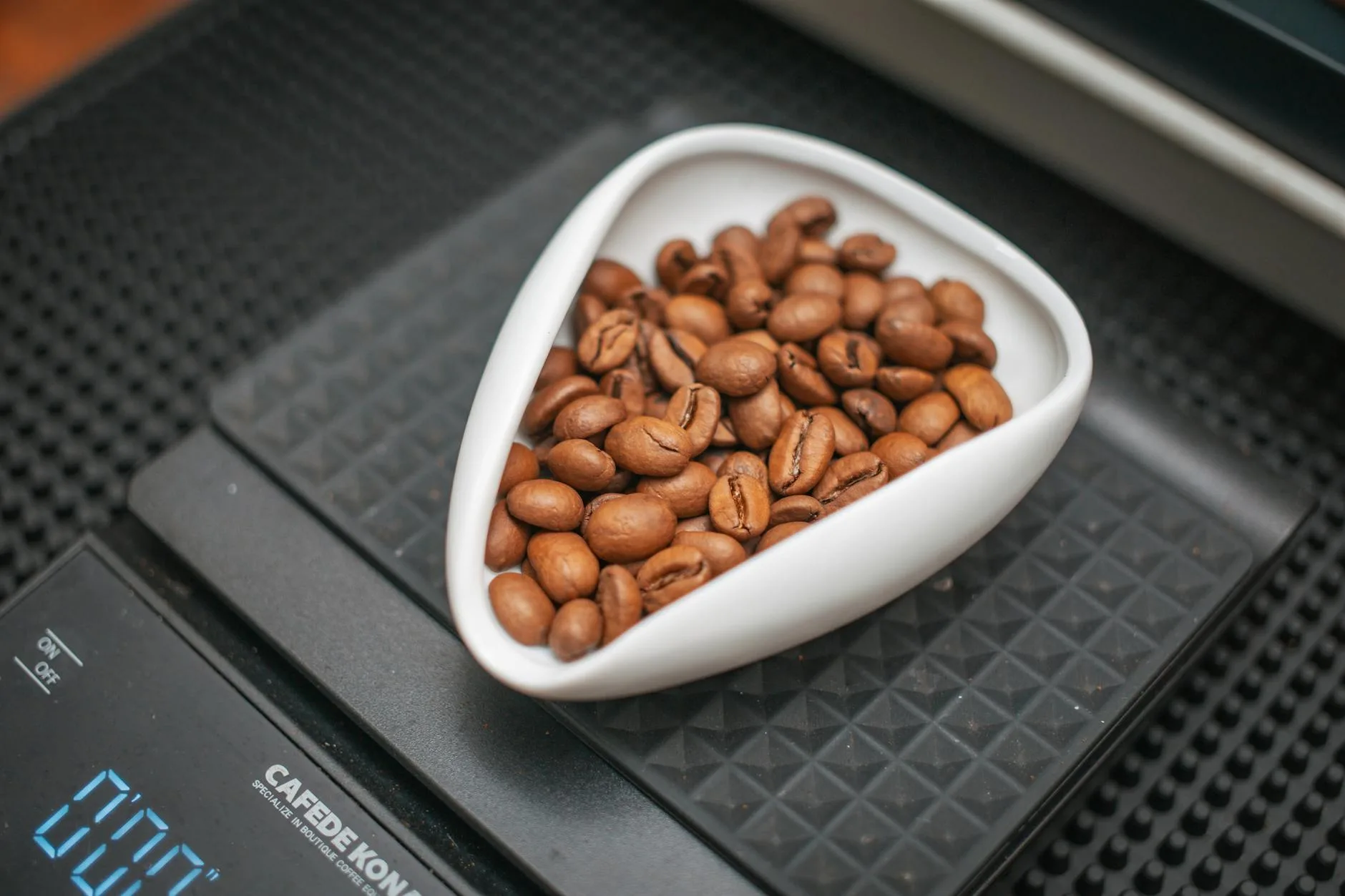
- Weigh 42g of coffee, grind medium-coarse
- Boil water to 94°C
- Rinse the filter with hot water, discard the rinse
- Add coffee, start your timer
- Pour 80ml in circles for the bloom, wait 30 seconds
- Pour slowly in concentric circles until you reach 700ml total
- Target total brew time: 4-4.5 minutes
V60 Recipe (02 Size)
- Weigh 15g of coffee, grind medium-fine
- Boil water to 93°C
- Rinse the filter, discard the rinse
- Add coffee, start your timer
- Pour 30ml for the bloom, wait 45 seconds
- Pour in slow circles to 150ml, wait for the bed to drop
- Pour again to 250ml total
- Target total brew time: 2.5-3 minutes
Kalita Wave Recipe (185 Size)
- Weigh 15g of coffee, grind medium
- Boil water to 93°C
- Rinse the filter, discard the rinse
- Add coffee, start your timer
- Pour 40ml for the bloom, wait 30 seconds
- Pour steadily in circles to 250ml total
- Target total brew time: 3-3.5 minutes
Common Mistakes and How to Fix Them
All Methods
- Using boiling water. Water off the boil (100°C) scorches coffee. Wait 30-60 seconds after boiling or use a temperature-controlled kettle set to 93-94°C.
- Skipping the bloom. The initial pour releases CO2 from fresh beans. If you skip it, the CO2 disrupts extraction and you get an uneven cup.
- Using pre-ground coffee. Pre-ground goes stale within days. A burr grinder makes a bigger difference to pour-over quality than the brewer itself.
Chemex-Specific
- Grind too fine = stall. If your drawdown takes more than 5 minutes, the grind is too fine. Adjust coarser. The thick filter slows flow naturally — you need to compensate.
- Forgetting to vent. The filter can seal against the spout, creating a vacuum. Fold the filter so the thick side covers the spout — this creates an air channel.
V60-Specific
- Pouring too fast. The number one V60 mistake. If your brew finishes under 2 minutes, you’re pouring too fast and the coffee is under-extracted (sour, watery). Slow down.
- Ignoring the bed. After each pour phase, watch the coffee bed. It should be flat and even. If it’s cratered or sloped, your pour pattern needs work.
Kalita-Specific
- Over-filling. The Kalita’s three small drain holes can’t handle a full flood pour. Keep the water level below the rim of the coffee bed. Small, frequent pours work better than large volumes.
- Using inconsistent grind. The flat bed channels around uneven particles. We switched from a blade grinder to a Timemore C2 hand grinder and the improvement in the Kalita was immediate — a good burr grinder makes a real difference with the Kalita.
Bottom Line
The Kalita Wave is the best pour-over brewer for most people in the UK. It’s consistent, forgiving, and produces a balanced cup that showcases whatever beans you put in it. If you’re new to pour-over or just want great coffee without the learning curve, start here.
The V60 is the better brewer for anyone willing to invest time in technique. It produces the most complex, interesting cups, but it demands precision. Buy it if you enjoy the process as much as the result.
The Chemex is for people who prioritise clarity and smoothness above all else, and who want to brew for two or more people from a single brewer. It’s also, let’s be honest, the one that looks best on your kitchen counter.
All three make excellent coffee. None of them is a bad choice. The worst pour-over brewer is the one that sits in the cupboard because it’s too fussy to use on a Tuesday morning.
Frequently Asked Questions
Which pour-over method is best for beginners? The Kalita Wave. Its flat-bottom design and restricted flow rate mean your technique matters less than with the V60 or Chemex. Most people make good coffee within 3-5 brews.
Is the V60 better than the Chemex? They produce different cups. The V60 makes more complex, layered coffee with more body. The Chemex makes a cleaner, brighter, lighter cup. Neither is objectively better — it depends on your taste preference.
Do I need a gooseneck kettle for pour-over? For the V60, yes — pour control is essential. For the Chemex and Kalita Wave, a gooseneck helps but isn’t strictly necessary. If you’re buying one brewer and one kettle, a gooseneck is worth the £20-30 investment regardless.
How much does pour-over coffee cost per cup? About 30-50p per cup including beans and filters. Beans cost roughly 25-40p per 15g dose (assuming £8-12 per 250g bag from a UK roaster). Filters add 3-12p depending on the method. Far cheaper than a coffee shop.
Can I use any filter in a Chemex? No. Chemex requires its own proprietary bonded paper filters, which are thicker than standard pour-over papers. Using thin V60 or generic papers in a Chemex produces a completely different (and usually worse) cup because the flow rate changes drastically.