For a small coffee station, the Lavazza MilkEasy Plus is a practical first choice: it heats and froths milk, offers hot and cold modes and uses one removable whisk. Choose the Aerolatte Original if you only froth occasionally; the Aeroccino 4 if dishwasher-safe cleaning matters; or the DREO if you also mix powdered hot chocolate. The larger Smeg MFF11 suits households making several drinks.
Our top 5 picks

Best compact everyday — Lavazza MilkEasy Plus
One magnetic whisk and hot or cold modes for a small coffee station.
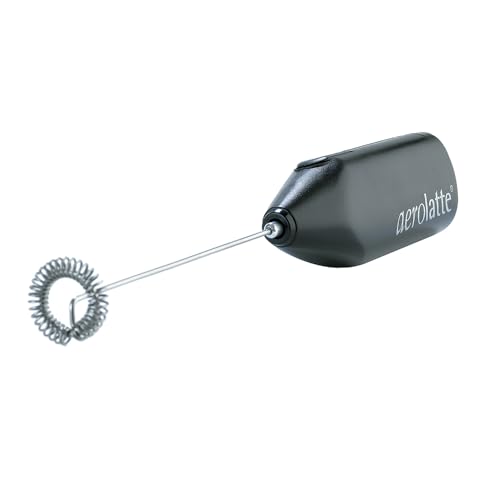
Best low-cost handheld — Aerolatte Original
A drawer-friendly whisk for occasional drinks; you heat the milk separately.
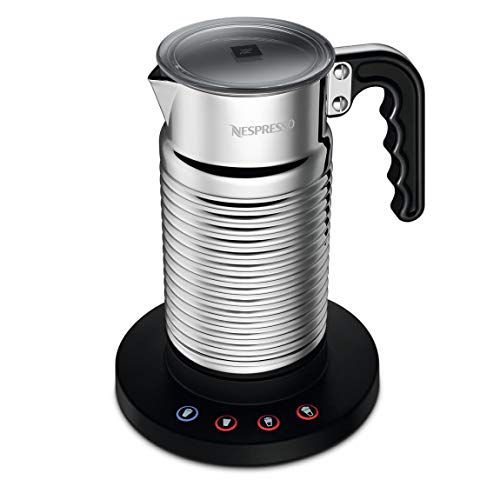
Best for easy cleaning — Nespresso Aeroccino 4
Four milk modes and a dishwasher-safe jug; check stock before ordering.

Best for mixed drinks — DREO BaristaMaker Air
Froths milk and mixes powdered hot chocolate in one compact jug.

Best large premium jug — Smeg MFF11 Cream
Induction heating, a removable carafe and room for multiple drinks.
If your espresso machine already has a capable steam wand, try using that before buying another appliance. A separate frother makes more sense beside a pod machine, moka pot or coffee maker without a practical milk system.
In this guide
- Comparison at a glance
- The five best milk frothers
- Head-to-head recommendation
- Choosing the right frother type
- Milk, temperature and texture
- Cleaning and troubleshooting
- How we chose
- The bottom line
- Frequently asked questions
Comparison at a glance
| Frother | Best for | Type | Capacity | Main compromise |
|---|---|---|---|---|
| Lavazza MilkEasy Plus | Compact everyday | Automatic electric | Up to 180ml frothing | Small batches |
| Aerolatte Original | Occasional low-cost use | Handheld whisk | Single-cup manual use | Does not heat milk |
| Nespresso Aeroccino 4 | Dishwasher-safe cleaning | Automatic electric | 120ml frothing / 240ml heating | Small frothing limit; check stock |
| DREO BaristaMaker Air | Milk and powdered drinks | Automatic electric | Check the marked limit for each mode | Jug needs hand cleaning |
| Smeg MFF11 Cream | Multiple drinks and programmes | Induction electric | 250ml frothing / 600ml heating | High price and larger footprint |
Frothing capacity is often lower than heating capacity because milk expands as air is added. Check the exact programme and fill line for your drink rather than relying on the largest number on the box.
The five best milk frothers
1. Lavazza MilkEasy Plus: best compact everyday
The MilkEasy Plus keeps the daily routine simple: its backlit control offers four preparations, including hot milk, hot foam and cold foam, while one magnetic whisk handles the modes. Lavazza lists an 11 × 11cm footprint, so it sits neatly beside a compact coffee machine. Its 180ml frothing limit is suitable for one generous milk drink, not several mugs at once. Removable parts are dishwasher safe, but the electrical body needs wiping rather than immersion.
- Choose it if: you want a small automatic frother for everyday coffee.
- Skip it if: you regularly make several milk drinks together.
- Main compromise: compact size means limited batch capacity.
2. Aerolatte Original: best low-cost handheld
The Aerolatte Original is a battery-powered whisk, not a heated jug. Warm the milk separately, then move the whisk through it until the foam suits your drink. It stores in a drawer inside its protective tube and costs much less than the automatic models. The texture and temperature depend on your technique, so it makes more sense for occasional use than a repeated two-coffee morning routine.
- Choose it if: low cost and tiny storage matter most.
- Skip it if: you want the appliance to heat milk.
- Main compromise: you manage temperature, vessel and timing yourself.
3. Nespresso Aeroccino 4: best for easy cleaning
The Aeroccino 4 offers airy or dense hot foam, hot milk and cold foam from four buttons. Nespresso lists a 120ml maximum for frothing and 240ml for heating. The jug can go in the dishwasher at up to 70°C; keep the electrical base out. Its handle and pouring spout make pouring easier, but the small frothing limit means it is not a batch machine. Stock was limited when this guide was updated, so confirm availability before choosing it over the Lavazza.
- Choose it if: dishwasher-safe jug cleaning matters more than maximum capacity.
- Skip it if: you need enough foam for several drinks in one run.
- Main compromise: its 120ml frothing limit and limited current stock.
4. DREO BaristaMaker Air: best for mixed drinks
The BaristaMaker Air adds drink-mixing modes to hot and cold milk frothing. Its mixing disc is intended for powdered drinks such as hot chocolate, while a separate frothing tip handles milk foam. That makes it more useful than a simple hot/cold jug if your household alternates between coffee and cocoa. Use the mode-specific fill marks rather than treating the 270ml headline capacity as a universal frothing limit. The fixed jug needs careful hand cleaning after milk or chocolate.
- Choose it if: you want one appliance for milk foam and powdered hot chocolate.
- Skip it if: dishwasher-safe jug cleaning is essential.
- Main compromise: more modes and accessories to learn and clean.
5. Smeg MFF11 Cream: best large premium jug
The linked cream MFF11 uses induction heating and a removable stainless-steel carafe. Smeg lists six automatic programmes plus manual hot and cold modes, with up to 600ml for heating and 250ml for frothing. The carafe is dishwasher safe. Its greater capacity is useful when making several drinks, but the 18.4cm-wide body takes more worktop space and costs considerably more than a compact frother. The cream finish is the version discussed here; other colours may have different availability.
- Choose it if: capacity, a removable jug and programme range justify the cost.
- Skip it if: you mainly make one milk drink or need minimal counter space.
- Main compromise: premium price and a larger footprint.
Head-to-head: which milk frother should you buy?
Start with the Lavazza MilkEasy Plus for a compact one-drink routine. Choose the Aerolatte if you froth only occasionally and can heat milk separately. The Aeroccino 4 earns its place when a dishwasher-safe jug is the deciding factor, although it froths less per batch and its linked offer has limited stock.
Choose the DREO when powdered hot chocolate and other mixed drinks matter alongside milk foam. The Smeg MFF11 Cream makes more sense for larger batches and a removable carafe, if its price and worktop space fit. Do not choose by the largest capacity figure alone: the frothing limit may be much lower than the heating limit.
Electric, handheld or steam wand?
Automatic electric frothers
Automatic jugs heat and whisk in one cycle. They are the easiest partner for pod machines and black-coffee brewers because the result is repeatable and requires little technique. Fixed non-stick interiors are compact but need careful hand cleaning. Removable stainless-steel jugs are easier to wash and often support larger servings, though the base is usually wider.
Handheld and manual options
A handheld whisk is inexpensive and easy to store, but it does not heat milk. A manual plunger frother can prepare more at once and avoids batteries, although milk must still be warmed separately. Both suit occasional use better than someone making two flat whites every morning. Pair the method with your existing equipment rather than buying another appliance by habit.
Espresso-machine steam wands
A capable wand gives the most control over how much air enters the milk and how the bubbles are folded into a glossy texture. It also has the steepest learning curve. Purge before and after use, start with cold milk, introduce air briefly near the surface, then position the tip to circulate the milk. Our espresso-machine guide explains which machine types include practical milk systems.
Milk, temperature and texture
Dairy milk
Milk texture depends on proteins, fat, temperature and technique rather than one simple “more fat is better” rule. Whole milk tends to taste richer and gives a creamier result; semi-skimmed is a useful everyday compromise; skimmed milk can create more voluminous but drier foam. Start with chilled milk so there is time to introduce air before it becomes too hot.
Plant-based milk
Barista-labelled oat, soya and almond drinks are formulated to remain more stable when heated and mixed with coffee, but performance varies by brand. Do not assume every ordinary carton will behave the same way. Use the frother programme recommended by its manufacturer, avoid overfilling and stop if the drink separates. Cold-foam settings are useful for iced coffee and can be gentler on sensitive alternatives.
Temperature and serving
For manual steaming, a thermometer removes guesswork while you learn. Many people prefer milk around 55–65°C: hot enough for a warm drink but below boiling. Automatic machines choose their own endpoint, which may vary by programme and starting temperature. Pour promptly and swirl the jug first so liquid milk and foam do not separate before they reach the cup.
Cleaning and troubleshooting
Clean after every use
Rinse removable whisks and jugs promptly, following the manual for dishwasher-safe parts. Never immerse an electrical base, and do not scrape non-stick coatings with metal tools. Wipe a steam wand immediately and purge it so milk cannot dry inside the tip. For wider coffee-machine care, see our cleaning and maintenance guide.
Fix common foam problems
- Large bubbles: reduce the air added, increase the milk quantity above the minimum line, or hold a handheld whisk slightly deeper.
- Thin foam: check that the correct whisk is fitted, the jug is not overfilled and the chosen milk is suitable for frothing.
- Milk scorching: clean residue from the base of the jug and use the correct programme rather than restarting a hot batch.
- Poor plant-milk texture: try a barista formulation and a lower-temperature or cold programme.
Check parts before buying
Small magnetic whisks are easy to lose, so check whether replacements are sold by the manufacturer. Also compare warranty, jug coatings and whether the lid, whisk or whole container can enter the dishwasher. Our guides to compact coffee machines, coffee scales and choosing a grinder can help plan the rest of a space-conscious setup. Manufacturer specifications for the MilkEasy Plus, Aeroccino 4 and Smeg MFF11 Cream provide the relevant capacity and cleaning details.
How we chose
We compared the practical details that change daily use: whether the frother heats as well as whisks, hot and cold settings, usable frothing capacity, jug access, cleaning, replacement whisks and the amount of worktop or drawer space required. A large maximum capacity is not automatically better; households making one flat white need predictable texture and easy rinsing more than a family-sized jug.
This guide compares published specifications and practical trade-offs; it does not claim hands-on testing of every model. Capacities and programmes were checked against published manufacturer specifications, then considered alongside the models and sizes offered to UK buyers. We also separated ordinary airy foam from the finer texture a skilled steam wand can produce. Automatic jugs win on repeatability and convenience, not because they replace every espresso-machine wand.
The bottom line
The Lavazza MilkEasy Plus is the compact starting point for everyday hot and cold milk drinks. Buy the Aerolatte for occasional low-cost frothing, the Aeroccino 4 for dishwasher-safe jug cleaning, the DREO for powdered hot chocolate as well as coffee milk, or the Smeg MFF11 Cream when larger capacity is worth the space and spend. If you already own a capable steam wand, practise with it first.
Frequently asked questions
Which milk frother makes the best foam?
A capable steam wand gives the greatest texture control, while the Lavazza MilkEasy Plus is a convenient compact automatic option in this shortlist.
Can a milk frother heat milk as well?
Automatic electric models usually heat and froth. A handheld whisk such as the Aerolatte only adds air, so the milk must be heated separately.
What milk works best in an electric frother?
Whole and semi-skimmed dairy milk are dependable choices. For oat, soya or almond drinks, a barista formulation is usually designed to handle heating and frothing more consistently.
Can you put chocolate directly in a milk frother?
Only if the manufacturer provides a chocolate programme or explicitly permits it. The DREO here has a mixing mode for powdered hot chocolate, while the Smeg MFF11 has a chocolate programme; many ordinary frothers are not designed for adding chocolate directly.
How much milk should I put in a frother?
Stay between the marked minimum and the lower frothing maximum. Frothing capacity is lower than heating capacity because milk expands as air is added.
Is a separate frother worth buying if my espresso machine has a steam wand?
Usually not if the wand is capable and you are willing to practise. A separate automatic frother is worthwhile when convenience and repeatability matter more than manual texture control.