Your grinder cost you £200 or more, it made beautiful espresso for six months, and now the shots taste stale and muddy even with fresh beans. The burrs aren’t worn — you haven’t ground enough coffee to wear them out for years. The problem is old coffee oils, stale grounds trapped in crevices, and residue building up everywhere the beans touch metal. Grinders need maintenance, and most home baristas do almost none of it.
This schedule breaks down what needs doing and when — from the 30-second tasks you should do after every session to the annual deep clean that keeps your grinder performing like new. Whether you own a flat burr espresso grinder, a conical hand grinder, or a filter-focused machine, the principles are the same.
In This Article
- Why Grinder Maintenance Matters
- Daily Tasks: After Every Grinding Session
- Weekly Tasks
- Monthly Tasks
- Quarterly Tasks
- Annual Tasks: The Full Deep Clean
- Cleaning Products and Tools You Need
- Flat Burr vs Conical Burr: Maintenance Differences
- Hand Grinder Maintenance
- When to Replace Your Burrs
- Common Maintenance Mistakes
- Frequently Asked Questions
Why Grinder Maintenance Matters
Coffee beans contain oils — roughly 10-15% of the bean by weight. These oils are what give coffee its flavour and body, but they also go rancid quickly once exposed to air. Every time you grind, a thin film of coffee oil coats the burrs, the grinding chamber, the chute, and the dosing mechanism. Fresh oil on top of yesterday’s oil on top of last week’s oil creates a layer of rancid residue that taints every dose.
The Taste Impact
Rancid coffee oils produce a bitter, acrid, papery flavour that sits underneath the fresh coffee taste. You might not notice it immediately — it builds gradually, so your palate adjusts. Then you clean the grinder and the difference in the next shot is striking. The coffee tastes brighter, cleaner, and sweeter. That’s not the clean making the coffee better — it’s the dirty grinder making it worse, and you’d stopped noticing.
The Retention Problem
Ground coffee gets trapped inside the grinder — in the burr chamber, the chute, between the adjustment mechanism, and inside the dosing chamber. This retained coffee goes stale within hours. Every time you grind fresh beans, stale grounds mix into the dose. The British Coffee Association notes that grind freshness is one of the top factors affecting cup quality. Single-dosing helps (grinding only the beans you need per shot) but doesn’t eliminate retention entirely. Regular cleaning purges this stale coffee.
Mechanical Performance
Coffee oils and fine grounds accumulate in the adjustment mechanism over time, making grind size changes feel sticky or inconsistent. In extreme cases, buildup can cause the burrs to bind or the motor to strain. Maintenance keeps the mechanical parts moving freely.
Daily Tasks: After Every Grinding Session
These take under a minute and make the biggest difference to taste quality.
Purge Retained Grounds
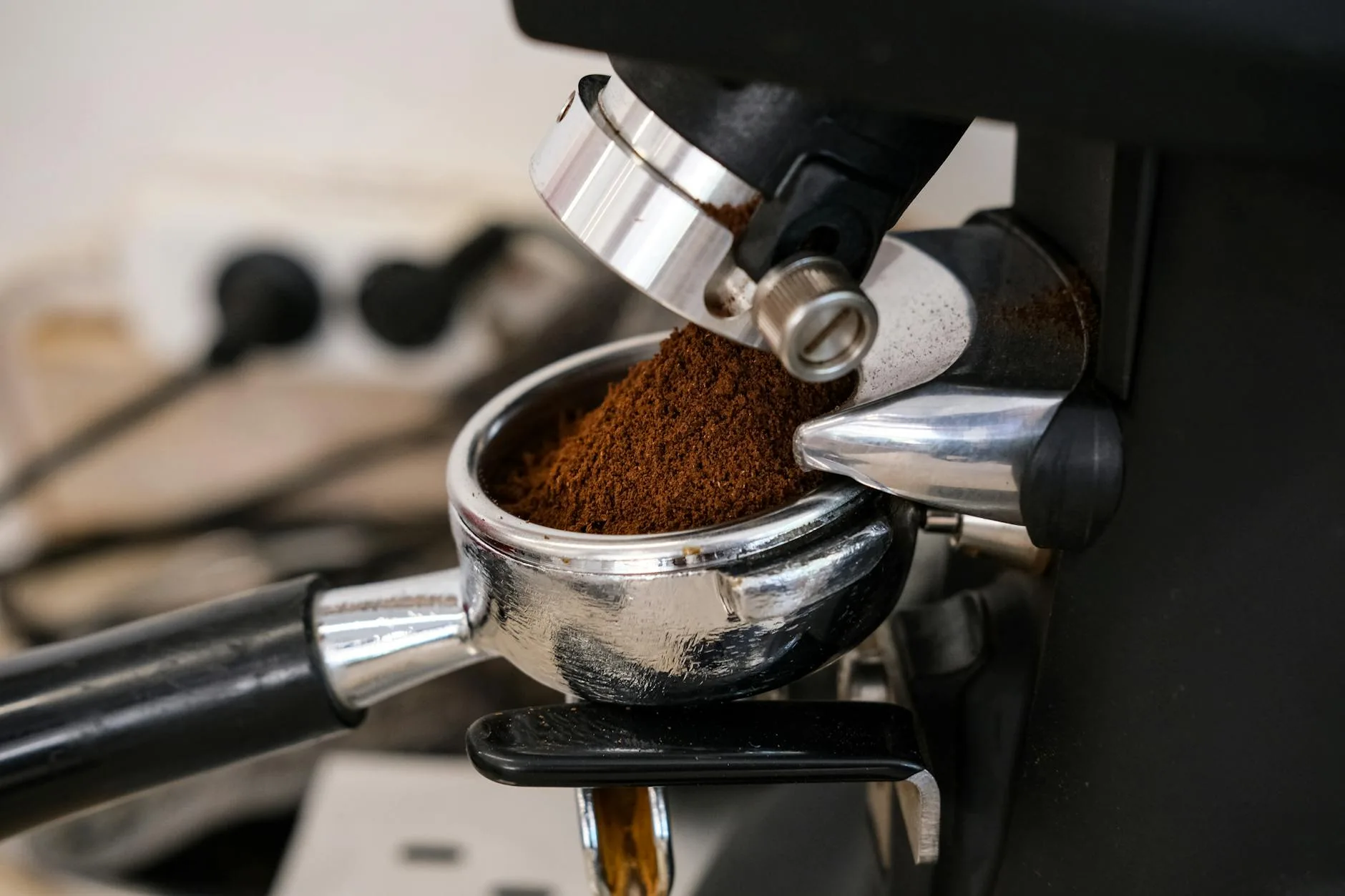
After your last grind of the day, run the grinder empty for 2-3 seconds (electric) or give 3-4 turns (hand grinder) to expel as much retained coffee as possible. Some grinders have a bellows attachment — one or two pumps clears the chute. This prevents stale grounds from sitting overnight and contaminating tomorrow’s first dose.
Brush the Dosing Area
Use a small grinder brush to sweep loose grounds from the spout, chute exit, and dosing funnel. Grounds that sit here dry out and clump, eventually falling into a fresh dose as hard lumps that grind inconsistently. Five seconds of brushing prevents this.
Wipe the Hopper (If Using One)
If you keep beans in the hopper rather than single-dosing, wipe the inside of the hopper with a dry cloth daily. Bean oils coat the plastic or glass, and this oily residue accelerates the staleness of fresh beans added on top. If you’re considering switching to single-dosing, our guide to coffee scales covers weighing your doses accurately.
Weekly Tasks
Clean the Grounds Bin and Portafilter Funnel
Remove the grounds collection bin (or portafilter funnel) and wash it with warm soapy water. Dry thoroughly before replacing. Old grounds stuck to the sides of the bin grow mould in warm kitchens — it happens faster than you’d expect. If you are exploring this area, our guide on How Much Should You Spend on a Coffee Grinder? covers the essentials.
Brush Around the Burrs
With the grinder unplugged (critical — never work on a grinder that could accidentally start), use a stiff grinder brush to clean around the visible burr surfaces and the grinding chamber exit. You don’t need to remove the burrs weekly — just brush accessible surfaces to prevent buildup from compacting.
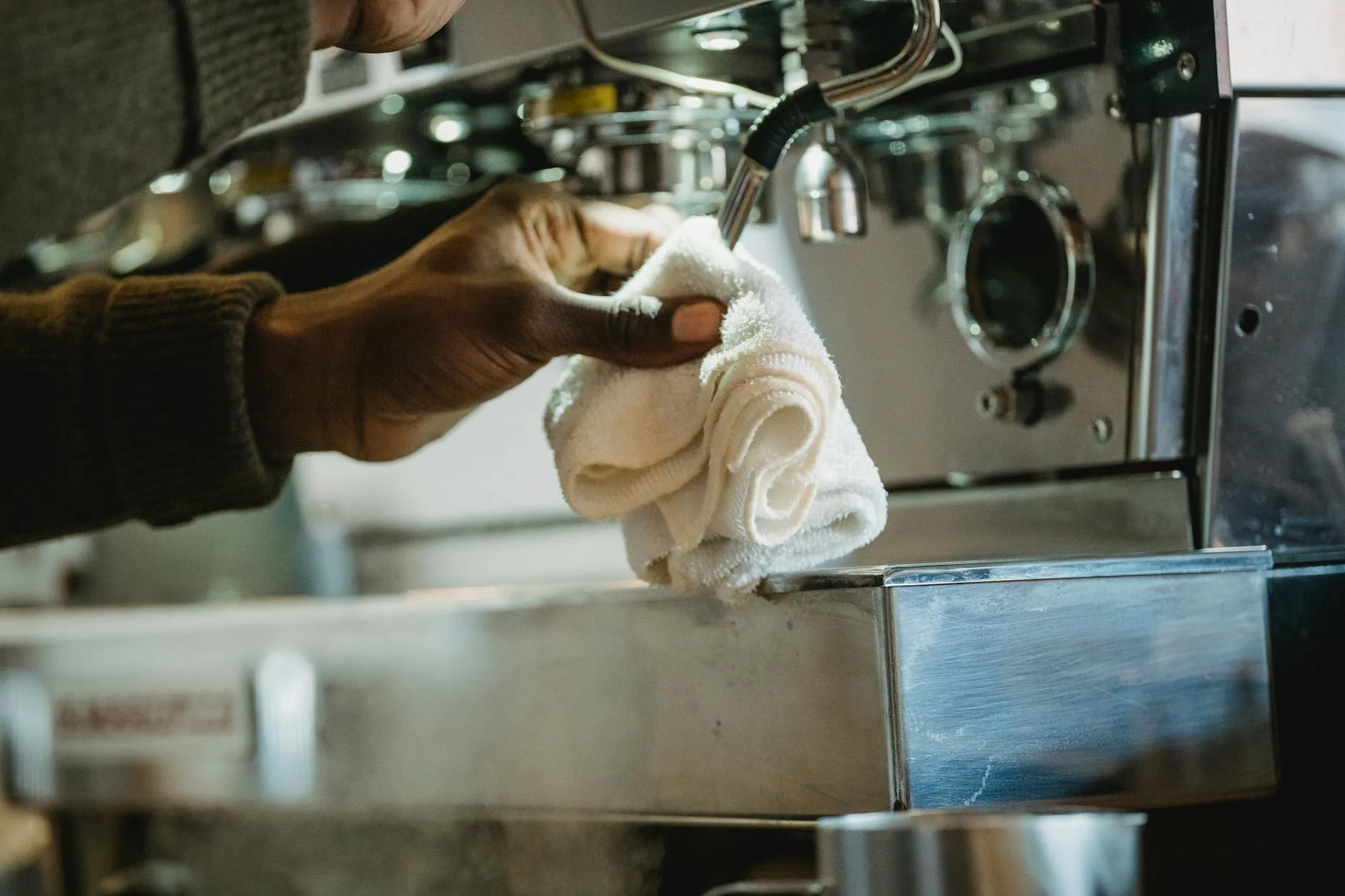
Wipe External Surfaces
Coffee dust settles on and around the grinder. A damp cloth across the body, the hopper rim, and the base prevents the brown film that develops on neglected grinders. This is cosmetic rather than functional, but a clean grinder is a grinder you’re more likely to maintain properly.
Monthly Tasks
Run Grinder Cleaning Pellets
Grinder cleaning tablets (Grindz or Urnex are the most common brands) are food-safe pellets that you run through the grinder like coffee beans. They absorb oils and push out retained grounds from areas a brush can’t reach. Run about 35g of pellets through at a medium grind setting, then purge with 15-20g of fresh coffee to clear any pellet residue.
The fresh beans you purge with should be discarded — they’ll taste of cleaning product. This process takes about two minutes and removes the oily residue that accumulates between the burrs and in the chute.
Check the Adjustment Mechanism
Cycle the grind adjustment through its full range — from finest to coarsest and back. It should move smoothly without sticking or grinding (the mechanical kind, not the coffee kind). If it feels gritty or stiff, fine grounds have worked into the threads. A deeper clean is needed (see quarterly tasks).
Inspect the Hopper Seal
The rubber seal where the hopper meets the grinder body traps fine grounds and oils. Remove the hopper, clean the seal with a damp cloth, and check for cracks or wear. A degraded seal lets moisture and air into the bean path, accelerating staleness.
Quarterly Tasks
Remove and Clean the Burrs
Every three months, remove the outer burr carrier (consult your grinder’s manual — the process varies by model) and clean both burr surfaces thoroughly. Use a stiff brush to remove compacted grounds from the burr teeth and the chamber behind them.
What You’ll Find
The first time you do this, you’ll be surprised by how much old coffee is packed into the spaces behind and around the burrs. Hard, compacted grounds — sometimes weeks or months old — occupy gaps that you can’t reach with surface brushing. This is the biggest single source of stale taste in neglected grinders. You might also find our Manual vs Electric Coffee Grinder: Pros and Cons guide useful here.
Cleaning the Burr Surfaces
- Brush vigorously with a stiff-bristled brush (a clean toothbrush works at a push, but a dedicated grinder brush is better)
- Use a wooden toothpick or bamboo skewer to pick compacted grounds out of burr teeth — never use metal tools on burr surfaces, as scratches affect grind quality
- Vacuum the chamber with a small nozzle attachment to remove loose debris from inside the grinder body
- Wipe burr surfaces with a dry cloth. Don’t use water on the burrs — moisture causes rust on steel burrs and can affect the coating on ceramic ones
Reassemble and Recalibrate
After replacing the burrs, you’ll need to recalibrate your grind setting. The zero point (where the burrs touch) may shift slightly after cleaning. Dial in your espresso with a few test shots before your morning coffee.
Annual Tasks: The Full Deep Clean
Once a year, give your grinder a thorough overhaul. This goes beyond the quarterly burr clean.
Full Disassembly
Remove every accessible component — hopper, bean chute, burr carrier, grounds chamber, dosing mechanism, and any removable internal parts. Lay everything out and clean each piece individually.
Deep Clean the Body
With the internals removed, use a vacuum to extract all debris from inside the grinder body. Compressed air (a can of air duster from any office supply shop) blows out fine dust from crevices the vacuum can’t reach. Be cautious with compressed air — blow away from the motor, not into it.
Inspect for Wear
While the grinder is disassembled, check:
- Burr sharpness — run your finger lightly across the burr teeth. Sharp burrs feel like fine sandpaper with defined edges. Dull burrs feel smooth or have rounded edges
- Motor bearings — spin the motor shaft by hand. It should spin freely without grinding, clicking, or wobbling
- Electrical cord — check for damage, fraying, or exposed wire near the strain relief point
- Adjustment threads — clean with a dry brush and check for worn or stripped threads
Lubrication
Some grinders benefit from a tiny amount of food-safe grease on the adjustment threads. Check your manual — not all grinders need this, and the wrong lubricant can contaminate coffee. The Speciality Coffee Association publishes grinder maintenance standards that include lubrication guidance.
Cleaning Products and Tools You Need
Essential Tools
- Grinder brush — a purpose-made brush with stiff nylon bristles and an angled head. About £5-10. Cheap ones from Amazon work fine
- Grinder cleaning pellets — Grindz (about £8-12 for 3 uses) or Urnex Grindz (similar price). One bottle lasts most home users a year
- Wooden toothpicks or bamboo skewers — for picking compacted grounds from burr teeth without scratching
- Microfibre cloth — for wiping surfaces and burrs
- Small vacuum attachment — for reaching inside the grinder body
Nice to Have
- Bellows — a rubber bellows that fits over the chute opening and pushes air through to expel retained grounds. About £10-20. Most useful for low-retention single-dosing setups
- Compressed air canister — for the annual deep clean. About £5-8 per can
- Jeweller’s loupe or magnifying glass — for inspecting burr sharpness during the annual check. Overkill for most home users but useful if you grind daily
Products to Avoid
- Water on burrs — causes rust on steel burrs and can damage coatings
- Cooking oils or WD-40 — not food safe, will contaminate coffee
- Metal picks or screwdrivers on burr surfaces — scratches affect grind uniformity
- Dishwasher for any grinder parts — the heat warps plastic components and can damage rubber seals
Flat Burr vs Conical Burr: Maintenance Differences
Flat Burr Grinders
Flat burr grinders (like the Niche Zero, Eureka Mignon, DF64) retain more coffee than conical designs because the grounds travel horizontally through the burrs and exit through a narrow chute. More retention means more stale coffee mixing into fresh doses.
Flat burr grinders benefit most from daily purging and monthly cleaning pellets. The horizontal burr chamber is also harder to brush — you often need to remove the top burr carrier to access the grinding surface properly. Our comparison of popular grinders covers the retention characteristics of each.
Conical Burr Grinders
Conical burrs (like the Comandante hand grinder, Baratza Encore, Mazzer) use gravity to help grounds exit, so retention is typically lower. The cone shape also means grounds don’t compact in the chamber as readily. We cover this in more detail in our How to Clean Grinder Burrs for Better Flavour piece.
Conical grinders are generally easier to clean — the outer ring burr lifts off to expose the full grinding surface. Monthly pellet cleaning is still recommended, but the quarterly deep clean is usually quicker than with flat burrs.
Hand Grinder Maintenance
Manual grinders are simpler mechanically but still need regular cleaning.
Weekly
Disassemble the burr assembly (most hand grinders are designed for easy disassembly — the inner burr lifts off a central shaft). Brush both burr surfaces and the grinding chamber. Reassemble. This takes about 3-4 minutes and keeps the grind consistent.
Monthly
Remove all components — burrs, axle, bearings, adjustment nut, catch cup. Brush everything. Check the axle for wobble (a wobbly axle means worn bearings, which means inconsistent grind). Wipe metal parts with a dry cloth.
Annual
Same as electric grinders — full inspection of burr sharpness, bearing condition, and adjustment mechanism. Premium hand grinders (Comandante, 1Zpresso, Kinu) use hardened steel or titanium-coated burrs that last thousands of hours of use, but the bearings and adjustment mechanisms still wear over time.
When to Replace Your Burrs
Burrs don’t last forever, but they last much longer than most people think.
Steel Burrs
Most steel burrs last 500-1,000 kg of coffee before noticeable degradation. For a home user grinding 20g per day, that’s roughly 70-140 years. You’ll replace the grinder long before the burrs wear out. Even grinding 50g daily, steel burrs last decades.
Ceramic Burrs
Ceramic burrs are harder than steel and theoretically last even longer, but they’re more brittle. A stone or a piece of debris in the beans can chip a ceramic burr, causing grinding inconsistency. If your grinder suddenly produces uneven particle sizes and the burrs are clean, inspect for chips.
Signs Your Burrs Need Replacing
- Grind time increases noticeably — the motor works harder to push beans through dull burrs
- Particle size becomes less uniform — you see more fines mixed with larger particles
- The grinder heats up more during use — dull burrs generate more friction
- Coffee tastes flat regardless of bean freshness and grind setting — dull burrs crush rather than cut, producing more fines and less flavour clarity
Common Maintenance Mistakes
Using Water to Clean Burrs
Water causes steel burrs to rust — even a small amount of moisture left on the burr surface creates oxidation spots. These rust spots contaminate coffee with metallic flavours and create uneven grinding surfaces. Always clean burrs dry.
Ignoring the Chute
The exit chute — the pathway between the burrs and the dosing point — is the most neglected part of most grinders. Compacted grounds build up here and break off in chunks, creating dose inconsistency. Monthly cleaning pellets address this, but a weekly brush through the chute opening helps too.
Over-Tightening After Cleaning
After removing and replacing burrs, tighten the retention ring or lock mechanism to the manufacturer’s specification — not tighter. Over-tightening can crack burr carriers, strip threads, or misalign the burrs. Hand-tight plus a quarter turn is the usual guidance.
Skipping the Purge After Cleaning Pellets
Cleaning pellets are food safe but they don’t taste good. Always purge with 15-20g of expendable coffee beans after running cleaning pellets. The first shot after a pellet clean without purging tastes like soap.
Never Calibrating After Reassembly
Every time you remove and replace burrs, the grind setting shifts. Your previous “espresso” mark on the dial won’t produce the same grind size. Dial in with test shots before committing to your morning coffee.
Frequently Asked Questions
How often should I clean my coffee grinder? Purge retained grounds daily. Brush accessible surfaces and wash the grounds bin weekly. Run cleaning pellets monthly. Remove and deep-clean the burrs quarterly. Full disassembly and inspection annually. This schedule keeps the grinder performing well and prevents stale flavours in your coffee.
Can I wash my coffee grinder burrs with water? No. Water causes rust on steel burrs and can damage coatings on ceramic burrs. Always clean burrs dry using a stiff brush and wooden picks for compacted grounds. If you need to remove oily residue, grinder cleaning pellets are designed for this purpose.
Are grinder cleaning tablets worth it? Yes. Grindz and similar products absorb rancid oils and push out retained grounds from areas a brush can’t reach. They cost about £3-4 per use and make a noticeable difference to coffee taste, especially if you haven’t cleaned your grinder recently. Monthly use is the standard recommendation.
How long do coffee grinder burrs last? For home use, steel burrs last thousands of hours — typically decades of daily grinding. Ceramic burrs last even longer in theory but can chip if they encounter stones or debris. Most home users will never need to replace burrs due to wear. Replace them if grind consistency deteriorates noticeably.
Why does my coffee taste bitter even with fresh beans? The most common cause is rancid coffee oil buildup inside the grinder. Old oils coat the burrs and chute, tainting every dose with a bitter, papery undertone. Run cleaning pellets through the grinder, deep-clean the burrs, and purge with fresh beans. The improvement is usually immediate and obvious.