Your espresso has started tasting bitter and slightly stale, the steam wand takes twice as long to froth milk, and there’s a mysterious puddle forming under the drip tray that wasn’t there last week. You haven’t changed beans, you haven’t changed your technique, and the grind looks right. The problem isn’t your recipe — it’s three months of coffee oils, limescale, and milk residue building up inside a machine you’ve never properly cleaned.
In This Article
- Why Cleaning Your Coffee Machine Matters
- Daily Cleaning Routine
- Weekly Deep Clean
- Descaling: The Most Important Maintenance Task
- Cleaning the Steam Wand
- Cleaning the Group Head
- Cleaning by Machine Type
- Cleaning Products Worth Buying
- Common Cleaning Mistakes
- Maintenance Schedule at a Glance
- Frequently Asked Questions
Why Cleaning Your Coffee Machine Matters
Coffee is an oily substance. Every shot you pull leaves behind a thin film of oils that oxidise over time, turning rancid and bitter. That bitterness gets into every subsequent cup. It’s the most common reason home espresso tastes worse after a few weeks — not the beans going stale, not the grinder drifting, but built-up oils coating every surface the coffee touches.
Limescale: The Silent Machine Killer
The UK has some of the hardest water in Europe, particularly in London, the Home Counties, and East Anglia. Hard water deposits limescale (calcium carbonate) inside your boiler, pipes, and solenoid valves. Over time, this restricts water flow, reduces brewing temperature accuracy, and eventually blocks the system entirely. I’ve seen a Sage Barista Express boiler so scaled up after two years without descaling that it couldn’t reach brewing temperature — the heating element was insulated by a centimetre-thick layer of chalk.
Which? recommends descaling every 1-3 months depending on your water hardness, and that’s good advice for most UK households.
Hygiene
Milk residue in steam wands and milk circuits is a breeding ground for bacteria. If your cappuccinos have started smelling slightly sour or “off”, it’s not the milk — it’s old milk protein decomposing inside the wand. Daily purging and wiping prevents this, but many people skip it.
Daily Cleaning Routine
This takes about 90 seconds. Do it every time you finish making coffee for the day:
After Every Milk Drink
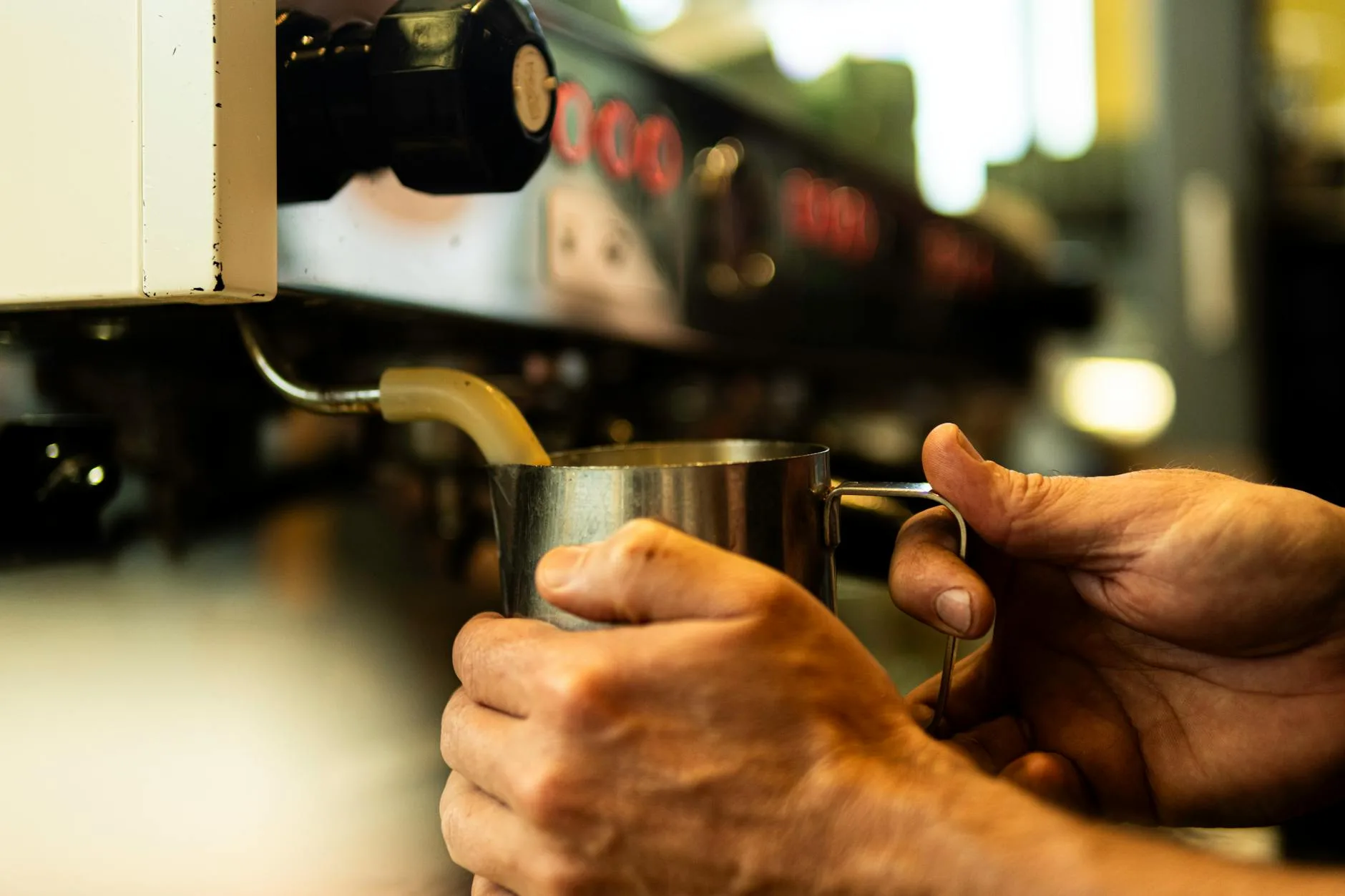
- Purge the steam wand immediately. Turn the steam on for 2-3 seconds to blast out any milk inside the tip. Do this while the milk is still liquid — once it dries, it bakes on
- Wipe the wand with a damp cloth. Use a dedicated microfibre cloth. Wipe from top to bottom, twisting as you go. If milk has dried on, wrap the cloth around the wand and leave for 30 seconds before wiping
- Soak the steam tip. If your wand tip unscrews (most do), remove it and drop it in a cup of hot water. This dissolves any milk that’s worked its way inside the holes
After Your Last Coffee of the Day
- Run a blank shot. Remove the portafilter, flush water through the group head for 5-10 seconds. This rinses away coffee oils from the shower screen
- Knock out the puck and rinse the portafilter. Tap the spent coffee into a knock box, rinse the basket under hot water, and wipe clean. Don’t leave spent grounds sitting in the portafilter overnight — the oils go rancid
- Empty and rinse the drip tray. Standing water in the drip tray grows mould within days. Tip it out, rinse, and replace
- Wipe down the machine exterior. A quick wipe removes splashes and keeps things looking good
Why This Matters
Every day you skip the daily clean, oils and milk residue compound. After a week without cleaning, you can taste the difference. After a month, even good beans taste flat and bitter. The daily routine prevents 80% of the problems that send people to repair shops. If you are exploring this area, our guide on Dual Boiler vs Heat Exchanger: Coffee Machine Types Explained covers the essentials.
Weekly Deep Clean
Once a week, spend 10-15 minutes on a proper deep clean. This reaches the places the daily wipe can’t.
Backflushing (Espresso Machines with Three-Way Valves)
Backflushing pushes water and cleaning solution backwards through the group head, cleaning the inside of the valve and the internal pipes. Most semi-automatic espresso machines (Sage, Lelit, Rancilio, Gaggia Classic Pro) have three-way solenoid valves that allow backflushing. Pod machines and basic pump machines don’t.
- Insert a blind basket (a solid basket with no holes) into your portafilter. If you don’t have one, use a rubber backflush disc that sits on top of your regular basket
- Add cleaning powder. About half a teaspoon of espresso machine cleaner (Cafiza, Puly Caff, or similar) into the blind basket
- Lock in the portafilter and run the pump for 10 seconds, then stop for 10 seconds. Repeat 5 times. You’ll hear the solenoid valve releasing pressure — that’s the dirty water being flushed out through the drip tray
- Remove the portafilter and rinse — run a few clean flushes through the group head without the portafilter to clear any remaining cleaner
- Run a sacrificial shot through your regular basket with coffee. Taste it — if it tastes soapy, flush again. Discard this shot
Soaking the Portafilter and Basket
Fill a bowl with hot water and a teaspoon of espresso machine cleaner. Submerge the portafilter, basket, and any removable shower screen components. Leave for 15-20 minutes, then scrub with a soft brush and rinse. The cleaning solution dissolves the coffee oil build-up that water alone can’t shift — you’ll see the water turn brown.
Cleaning the Shower Screen
The shower screen sits above the group head and distributes water evenly over the coffee puck. Over time, it gets clogged with oils:
- Remove it (usually 1-2 screws or it pops out with a flat tool)
- Soak in cleaning solution for 15 minutes alongside the portafilter
- Scrub the gasket area with an old toothbrush — coffee oils collect in the rubber seal
- Reattach and run a flush to clear any residue
I do this every Sunday evening. It takes less time than making the coffee did. If you’re interested in keeping your grinder equally clean, our guide to cleaning grinder burrs covers the process in detail.
Descaling: The Most Important Maintenance Task
If you do nothing else from this article, descale your machine. Limescale is the number one cause of coffee machine breakdowns in the UK, and it’s entirely preventable.
How Often to Descale
This depends on your water hardness:
- Hard water areas (London, SE England, East Anglia, most of the Midlands) — every 4-6 weeks
- Medium water areas (most of England and Wales) — every 2-3 months
- Soft water areas (Scotland, parts of Wales, SW England) — every 4-6 months
Not sure how hard your water is? Check your water company’s website or use a test strip. Anything above 200mg/L calcium carbonate is “hard” and needs frequent descaling.
Which Descaler to Use
- Citric acid — the cheapest option. Buy food-grade citric acid powder (about £5/kg from Amazon UK — lasts years). Mix 20-30g per litre of water. Safe for all machine types
- Manufacturer descaler — Sage, De’Longhi, and Jura sell branded descalers. These work well but cost £8-15 per treatment when you can achieve the same result with citric acid
- White vinegar — works but leaves a lingering taste that takes many rinse cycles to remove. I’d avoid it unless you’ve nothing else
How to Descale a Standard Espresso Machine
- Empty the water tank and fill it with your descaling solution (citric acid or branded descaler mixed with fresh water to the manufacturer’s ratio)
- Run about a third of the solution through the group head — pull a “shot” without coffee to draw the solution through the boiler and internal pipes. Then stop and let it sit for 15-20 minutes. This soak time is when the acid dissolves the limescale
- Run the remaining solution through the steam wand — open the steam valve and let the solution flow through, then stop and soak for another 10 minutes
- Empty the drip tray and refill the tank with fresh water. Run the entire tank through the machine (half through the group head, half through the steam wand) to rinse
- Repeat the rinse. Fill and flush one more full tank of clean water. Taste the water from the group head — if it’s sour or chemical, rinse again
Using Filtered Water
A water filter jug (Brita, BWT) or an in-tank filter reduces limescale build-up and extends the time between descales. It also improves coffee flavour — the minerals in hard water can make espresso taste harsh. Many serious home baristas in London use filtered water as standard. Our guide to choosing between single and dual boiler machines covers how water quality affects different machine types.
Cleaning the Steam Wand
The steam wand deserves its own section because it’s where most hygiene problems start. You might also find our Bean-to-Cup vs Espresso Machine: Which Is Right for You? guide useful here.
Daily Steam Wand Care
After every use: purge, wipe, soak the tip. This was covered in the daily routine above but it’s worth repeating — milk inside a steam wand at 60°C is basically a petri dish.
Weekly Deep Clean
- Unscrew the steam tip. Most wands have a tip that unscrews anticlockwise. If yours doesn’t unscrew, it may twist off or be non-removable (common on cheaper machines)
- Soak the tip in hot water and cleaning solution for 15-20 minutes. Use a pin or paperclip to clear each steam hole — you’ll be surprised what comes out
- Clean inside the wand. Use a thin steam wand brush (about £3-5 from Bella Barista or Amazon UK) to scrub inside the wand tube. Push it in and out several times, then rinse
- Reassemble and purge. Screw the tip back on and run steam for 5 seconds to clear any debris
Signs Your Steam Wand Needs Attention
- Uneven steam — one hole producing more than others means the blocked holes need clearing
- Sour smell — old milk decomposing inside the wand
- Weak steam pressure — limescale or milk blocking the internal tube
- Visible crud around the tip holes — if you can see it, the inside is worse
Cleaning the Group Head
The group head is where the portafilter locks in and where pressurised water meets coffee. It gets dirty fast.
What Builds Up
- Coffee oils — coat the shower screen, gasket, and internal dispersion block
- Fine grounds — get trapped in the shower screen holes and around the gasket
- Limescale — builds on the internal surfaces of the dispersion block
Cleaning the Gasket
The rubber group head gasket creates the seal between the portafilter and the machine. Over time, coffee oils and grounds embed in it:
- Wipe the gasket with a damp cloth after each session (part of your daily routine)
- Scrub weekly with an old toothbrush and a small amount of espresso machine cleaner
- Replace annually — gaskets harden and lose their seal. A replacement costs £3-8 from espresso parts suppliers. You’ll know it’s time when the portafilter feels loose or coffee leaks during extraction
The Dispersion Block
Behind the shower screen sits the dispersion block, which distributes water evenly. On some machines (Gaggia, E61 group heads), this is removable for cleaning. Soak it during your weekly deep clean alongside the shower screen and portafilter.
Cleaning by Machine Type
Different machine types need slightly different approaches:
Bean-to-Cup Machines (De’Longhi, Jura, Melitta)
These automated machines have built-in cleaning programmes. Run them:
- Auto-rinse cycle — runs automatically on startup and shutdown. Don’t skip it by switching off at the wall
- Cleaning tablet cycle — prompted by the machine every 200-300 cups. Use the manufacturer’s cleaning tablets or generic espresso machine cleaning tablets
- Descaling cycle — prompted by the machine. Follow the on-screen instructions — each brand is slightly different
- Milk circuit cleaning — if your machine has an automatic milk frother, it has a separate milk cleaning cycle. Run it daily. These circuits harbour bacteria faster than any other part
For a comparison of bean-to-cup brands, our guide to De’Longhi vs Sage vs Jura covers maintenance requirements for each.
Pod Machines (Nespresso, Dolce Gusto, Tassimo)
Pod machines are simpler but still need maintenance:
- Run a water-only cycle after each use — just run the machine without a pod to flush the brewing chamber
- Descale every 3 months — all pod machine manufacturers sell descaling kits, but citric acid works identically
- Clean the pod holder and drip tray weekly — rinse in warm soapy water
Filter Coffee Machines and Cafetières
- Cafetières — disassemble the plunger and wash all parts with washing-up liquid after every use. Coffee oils cling to the mesh filter and go rancid quickly. Replace the mesh filter every 6-12 months (about £5-8)
- Filter machines — run a descaling solution through a brewing cycle monthly. Wash the carafe and filter basket in warm soapy water after each use. If using paper filters, no filter cleaning needed. If using a permanent metal filter, scrub it weekly with a brush
Cleaning Products Worth Buying
You don’t need much, and you don’t need to spend a fortune:
Essential Products
- Espresso machine cleaner (Cafiza or Puly Caff) — about £8-12 for a tub that lasts 6+ months. Dissolves coffee oils far better than washing-up liquid. Available from Bella Barista, Coffee Hit, or Amazon UK
- Citric acid descaler — about £5 per kg from Amazon UK. One bag lasts 1-2 years depending on how often you descale. Mix 20-30g per litre
- Microfibre cloths — dedicated ones for the machine, not shared with kitchen surfaces. About £5 for a pack of 10
- Group head brush — a small nylon brush designed to clean around the gasket and shower screen. About £4-6
Useful but Optional
- Blind basket — for backflushing. About £5-8 from espresso suppliers
- Steam wand brush — thin pipe cleaner-style brush for inside the wand. About £3-5
- Water hardness test strips — about £5 for 50 strips. Test your water once and you’ll know your descaling schedule
Common Cleaning Mistakes
Using Washing-Up Liquid in the Machine
Never put dish soap through the brewing system. It leaves a residue that’s nearly impossible to rinse out and taints every coffee for weeks. Dish soap is fine for external parts, portafilters, and baskets — just rinse thoroughly. For internal cleaning, use proper espresso machine cleaner.
Descaling with Vinegar
White vinegar works as a descaler but leaves a persistent acidic taste. Citric acid is equally effective, cheaper per treatment, and rinses clean in one or two flushes. Vinegar can also damage rubber seals in some machines over time. Save the vinegar for your chips.
Forgetting the Water Tank
The water tank itself grows algae and biofilm, especially in summer. Empty it every few days, wipe the inside with a clean cloth, and let it air-dry before refilling. If you see green or pink slime, scrub with a bottle brush and a mild solution of citric acid.
Over-Tightening the Portafilter
People sometimes crank the portafilter extra hard after cleaning, thinking it’ll seal better. This accelerates gasket wear — the gasket is rubber and compresses under normal locking force. If you need to force it, the gasket needs replacing, not more muscle.
Never Replacing Wear Parts
Gaskets, shower screens, and water filters are consumables. They wear out. Budget £15-20 per year for replacement parts — it’s nothing compared to a repair bill or a new machine.
Maintenance Schedule at a Glance
- After every milk drink — purge and wipe steam wand, soak tip
- After last coffee of the day — flush group head, rinse portafilter, empty drip tray
- Weekly — backflush with cleaner, soak portafilter and basket, clean shower screen, deep clean steam wand
- Monthly — descale (hard water) or every 2-3 months (medium water), clean water tank, check gasket condition
- Annually — replace group head gasket, replace shower screen if worn, replace water filter if applicable
A well-maintained machine lasts 10-15 years. A neglected one lasts 3-5 before something breaks that costs more to fix than replace. The ten minutes a week you spend cleaning is an investment in every cup you drink.
Frequently Asked Questions
How do I know if my machine needs descaling? Slower flow from the group head, reduced steam pressure, the machine taking longer to heat up, or unusual noises during brewing are all signs of limescale build-up. Some machines have a descale indicator light. If you’re in a hard water area and haven’t descaled in three months, it’s overdue regardless of symptoms.
Can I use any descaler in my coffee machine? Food-grade citric acid works in all coffee machine types and is the cheapest option. Avoid industrial descalers — they’re too aggressive for coffee machine internals. Manufacturer-branded descalers are fine but overpriced. Never use vinegar in machines with aluminium boilers, as acetic acid corrodes aluminium.
Why does my coffee taste bitter after cleaning? If you’ve backflushed or descaled, cleaning residue may still be in the system. Run 3-4 full tanks of clean water through the machine (alternating group head and steam wand), then pull a test shot. If it still tastes off, soak the portafilter and basket again — they may have retained cleaning solution.
Do I need to clean a pod machine? Yes. Pod machines build up limescale and coffee residue just like any other coffee machine. Descale every 3 months, run a water-only cycle after each use, and clean the pod holder and drip tray weekly. The sealed pod system reduces some mess but doesn’t eliminate the need for maintenance.
How often should I replace the group head gasket? Every 12-18 months for daily home use. You’ll know it’s time when the portafilter doesn’t lock in as tightly, coffee leaks around the edges during extraction, or the gasket looks cracked or hard when you inspect it. Replacement gaskets cost £3-8 and take 5 minutes to swap.