You’re standing in John Lewis staring at three rows of espresso machines that all look the same from a distance but range from £300 to £3,000. The De’Longhi ones have Italian branding and promise café-quality espresso. The Sage machines (made by Breville, rebranded for the UK) look like they belong in a professional kitchen. And the Jura models sit behind glass like they’re jewellery. You just want good espresso at home without remortgaging. Which? reviews coffee machines extensively, but their rankings don’t always reflect real-world home use. This De’Longhi vs Sage vs Jura espresso machine comparison cuts through the marketing to tell you what’s actually different.
Brand Positioning: What Each Company Does Best
De’Longhi
Italian company, founded in 1902, now the world’s largest coffee machine manufacturer. De’Longhi covers the entire range from £50 pod machines to £800+ bean-to-cup models. Their strength is accessibility — they make it easy for beginners to get decent espresso without needing barista skills. The Magnifica and Dinamica ranges are their workhorses; the La Specialista line is their attempt at the enthusiast market.
Sage (Breville)
Australian company (Breville) selling under the Sage brand in the UK and Europe. Sage targets the home barista who wants manual control — they’re the brand for people who want to learn the craft of espresso-making. The Bambino, Barista Express, and Dual Boiler are iconic machines in the home espresso community. Sage also makes dedicated grinders, which hints at their philosophy: grind quality matters as much as the machine.
Jura
Swiss company that makes exclusively automatic bean-to-cup machines. No manual lever-pull machines, no semi-automatics. Jura’s approach is: press a button, get perfect coffee. Their machines use proprietary brewing technology, and the prices reflect the engineering. Jura is the brand for people who want exceptional coffee with zero effort. The E6, E8, and Z10 are their main UK models.
Machine Types: Manual vs Automatic
This is the most important decision, and it determines which brand suits you.
Semi-automatic (manual): You grind the beans, tamp the portafilter, pull the shot, and steam the milk. You control every variable. This is Sage’s territory. De’Longhi’s La Specialista range sits here too.
Automatic (bean-to-cup): You press a button. The machine grinds, tamps, brews, and (on some models) froths milk automatically. De’Longhi’s Magnifica and Dinamica ranges do this. Jura does this exclusively, but at a higher level.
The trade-off: Semi-automatic gives you better espresso potential (in skilled hands) and costs less. Automatic gives you consistency and convenience at a premium price. If you’re the type who enjoys the ritual of making coffee — grinding, tamping, pulling — go semi-automatic. If you just want excellent coffee at the push of a button before work, go automatic.
For a deeper look at the heating systems inside these machines, our dual boiler vs heat exchanger guide explains what’s under the hood.
Espresso Quality Compared
De’Longhi
De’Longhi automatic machines produce good espresso — consistent, reliable, and perfectly adequate for a morning flat white. The built-in grinders are decent but not exceptional; they work well with medium roasts but can struggle to extract properly with very light roasts. The La Specialista line is a step up — it uses a dedicated burr grinder and a smarter tamping system that gets closer to proper espresso quality.
On a scale of café-quality, De’Longhi automatics produce about 7/10 espresso. Good enough for most people, not enough for enthusiasts.
Sage
This is where Sage shines. The Barista Express and Barista Pro produce espresso that’s genuinely close to café quality — 8-9/10 in skilled hands. The built-in conical burr grinders are excellent for the price, and the 54mm portafilter (58mm on the Dual Boiler) allows for proper extraction. Sage machines give you PID temperature control on most models, meaning you can dial in your shot precisely.
The catch: Sage machines require skill. Your first week will produce bad espresso. Your second week will be mediocre. By week three, you’ll start pulling shots that rival your local café. If you’re not willing to learn, a Sage is wasted money.
Jura
Jura automatics produce the best push-button espresso available for home use — 8/10 without any effort. Their Pulse Extraction Process (P.E.P.) technology optimises water flow through the puck in ways that other automatic machines don’t match. The Z10 goes further with a cold brew function and 8-stage conical burr grinder.
The espresso from a Jura E8 won’t beat a properly dialled-in Sage Dual Boiler, but it’ll beat it on the mornings when you’re rushing and the Sage user didn’t quite get the grind right. Consistency is Jura’s superpower.
Milk Frothing Compared
For lattes, cappuccinos, and flat whites, milk frothing quality matters as much as espresso.
De’Longhi uses an automatic LatteCrema system on higher-end models that produces good foam — dense and consistent, though slightly airier than hand-steamed milk. Lower-end models use a Pannarello wand, which is basically a shortcut steam wand that adds air automatically. It works, but produces cappuccino-style foam rather than latte-art-quality microfoam.
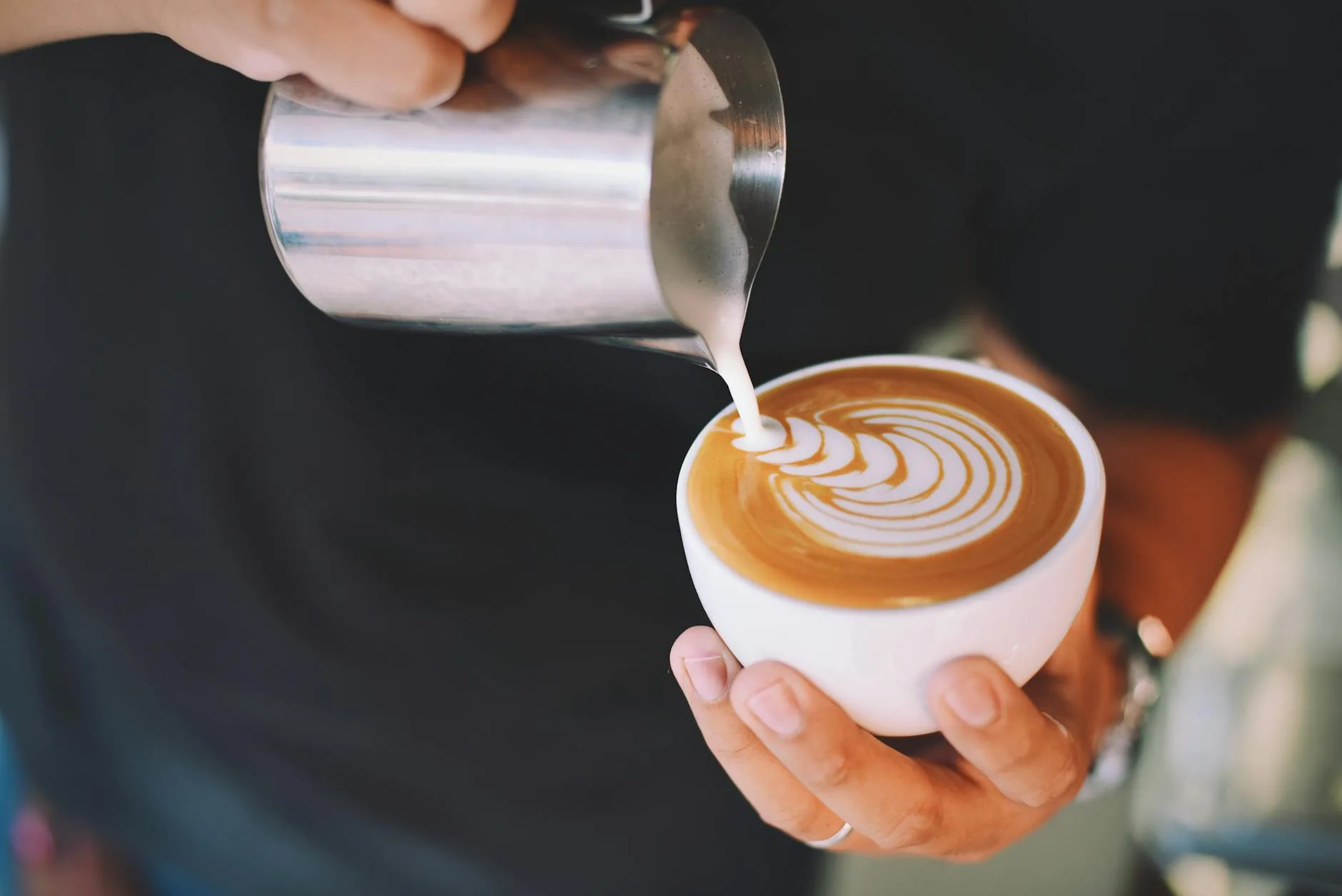
Sage gives you a proper steam wand on every model from the Bambino upwards. This means you can produce genuine microfoam — silky, glossy, latte-art-quality milk. But again, it takes practice. If you’ve never steamed milk before, expect a week of bubbly, spluttery attempts before you get it right. The Barista Touch and Oracle have automatic steam wands for those who want the quality without the learning curve.
Jura uses a milk hose system on most models — the machine draws milk from a container and froths it automatically. The results are impressive for an automatic system — smoother than De’Longhi’s Pannarello, close to the quality of a manual steam wand on a good day. Some models (J8, Z10) have adjustable froth density, which is a nice touch.
Verdict: Sage for maximum milk quality (with skill), Jura for best automatic milk, De’Longhi for adequate automatic frothing.
Price Comparison: What You Get at Each Budget
Under £500
De’Longhi Magnifica S (about £300-350): The entry-level automatic. Solid espresso, basic milk frothing, compact size. The best value automatic on the market.
Sage Bambino Plus (about £350-400): Semi-automatic, compact, with an automatic steam wand. Punches well above its price for espresso quality, but you’ll need to buy a separate grinder (about £100-150) to get the best from it.
Jura: Nothing in this range. Jura’s entry point is the ENA 4 at about £550.
Our pick under £500: Sage Bambino Plus if you’ll learn to use it; De’Longhi Magnifica S if you want push-button convenience.
£500-£1,000
De’Longhi Dinamica Plus (about £600-700): De’Longhi’s mid-range automatic with a touchscreen, LatteCrema milk system, and a better grinder than the Magnifica. Good all-rounder.
Sage Barista Express Impress (about £600-650): The sweet spot for home baristas. Built-in grinder, assisted tamping, PID temperature control, and enough control to grow into. This is the machine that’s converted thousands of UK coffee drinkers from café dependency.
Jura ENA 4 (about £550): Jura’s entry model. No milk system (espresso and lungo only), but the espresso quality is excellent for a push-button machine. Compact and beautifully designed.
Our pick at this level: Sage Barista Express Impress for hands-on, Jura ENA 4 for pure espresso simplicity.
£1,000-£2,000
De’Longhi La Specialista Arte Evo (about £600) / Maestro (about £850): De’Longhi’s semi-automatic line with integrated grinders. Better than the automatics, but the build quality doesn’t quite match Sage at similar prices.
Sage Dual Boiler (about £1,100-1,200): The benchmark for serious home espresso under £1,500. Dual boilers mean you can brew and steam simultaneously, PID control on both boilers, and a 58mm portafilter compatible with professional accessories. This is the machine baristas buy for home.
Jura E6 (about £900-1,000) / E8 (about £1,200-1,400): The automatic sweet spot. The E8 in particular offers 17 speciality drinks at the touch of a screen, excellent milk frothing, and the kind of consistency that makes you wonder why you ever queued at a café.
Our pick at this level: Sage Dual Boiler for enthusiasts, Jura E8 for push-button perfection.
Over £2,000
Only Jura plays here with the J8 (about £1,800), Z10 (about £2,200), and Giga 10 (about £3,000+). These are aspirational machines with features like cold brew, dual-bean hoppers, and WiFi connectivity. They make exceptional coffee, but the law of diminishing returns applies hard. The jump from a Jura E8 at £1,300 to a Z10 at £2,200 doesn’t double the quality — it adds 10-15% improvement and a lot of wow factor.
Build Quality and Longevity
De’Longhi machines are well-made for their price but feel plasticky compared to Sage and Jura. Internal components (brew group, grinder) are durable, and the brew group is removable for easy cleaning on most models. Expect 5-8 years of daily use from a mid-range De’Longhi.
Sage machines have excellent build quality — brushed stainless steel housings, solid portafilters, and components that feel substantial. The Achilles heel is the solenoid valve, which is a known failure point after 3-5 years of heavy use. Sage’s UK warranty is 2 years, which feels short for machines at this price. Budget for a potential £100-150 repair around year 4. Our coffee machine features guide covers what to look for in terms of longevity.
Jura machines are built like Swiss watches — because they essentially are. The internal brewing mechanism is proprietary and sealed (you can’t remove the brew group yourself), which means professional servicing every 1-2 years (about £100-150). But with that servicing, a Jura machine will last 10-15 years. The build quality is in a different league from the other two.
Verdict: Jura for longevity (with servicing), De’Longhi for accessible maintenance, Sage for build quality but watch the solenoid.
Grinder Quality
This matters more than the machine itself — bad grind = bad espresso, regardless of the brewer.
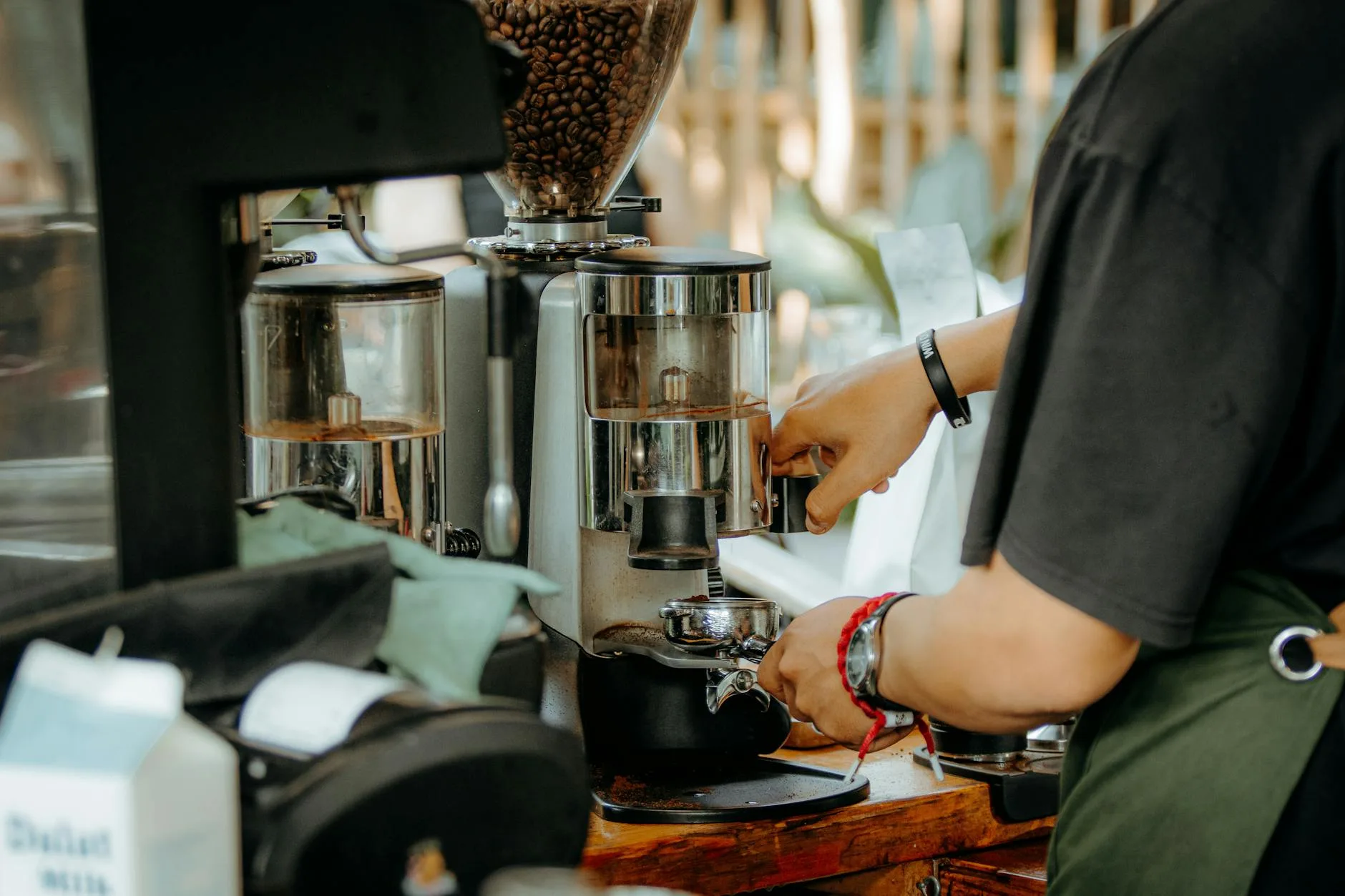
De’Longhi automatics use conical burr grinders that produce a consistent grind for automatic brewing but lack the adjustability for fine-tuning espresso shots. Adequate, not exceptional.
Sage machines include conical burr grinders that are a genuine step above De’Longhi’s. The Barista Express offers 30 grind settings; the Dual Boiler’s integrated grinder (on the Barista Touch/Oracle) is even better. For maximum quality with a Sage, pair the Bambino or Dual Boiler with a separate grinder like the Sage Smart Grinder Pro (about £200) or Eureka Mignon (about £180). For guidance on getting a consistent grind — even with a hand grinder — our technique guide helps.
Jura uses their own Aroma G3 grinder (or Aroma G4 on premium models) — fast, quiet, and optimised for their brew process. You can’t bypass the grinder or use pre-ground coffee on most Jura models, which is a limitation if you buy speciality pre-ground beans.
Frequently Asked Questions
Is Sage or De’Longhi better for beginners?
De’Longhi is better for beginners who want convenience — their automatic machines produce decent coffee at the touch of a button with no learning curve. Sage is better for beginners who want to learn the craft of espresso-making and are willing to spend a few weeks practising. If you’ve never made espresso before and don’t want a learning curve, start with De’Longhi. If you enjoy learning new skills, Sage will reward you with better coffee long-term.
Is Jura worth the price?
For the right buyer, yes. If you drink 3-4 coffees a day, want push-button convenience, and plan to keep the machine for 10+ years, a Jura E8 at £1,300 works out to roughly 20p per coffee (excluding beans) over its lifetime. That’s cheaper than café visits and delivers better consistency than any other automatic. If you drink one coffee a day, the maths is harder to justify.
What’s the best espresso machine under £500 UK?
The Sage Bambino Plus (about £350-400) for semi-automatic, paired with a Sage Dose Control Pro grinder (about £130). For automatic, the De’Longhi Magnifica S (about £300-350) is the best value bean-to-cup machine available. Both produce excellent coffee for the price.
Do Sage machines break down a lot?
Not a lot, but the solenoid valve is a known weak point that can fail after 3-5 years of daily use. This is a £100-150 repair. Other components are reliable. Sage offers a 2-year warranty, and their UK repair service is decent. Descaling regularly and using filtered water extends the life of all components notably.
Can I use pods in a Sage or Jura machine?
No. Sage machines use ground coffee (freshly ground is best). Jura machines use whole beans exclusively — they have built-in grinders and no pod compatibility. If you want pod convenience, you’ll need a separate Nespresso or Dolce Gusto machine. De’Longhi makes both pod and bean machines, so they cover that base.
The Bottom Line
The De’Longhi vs Sage vs Jura espresso machine decision comes down to how much effort you want to put in and how much you want to spend.
De’Longhi is the safe, accessible choice — decent automatic coffee at reasonable prices. Start here if you’re new to home espresso and want simplicity.
Sage is the enthusiast’s choice — the best espresso quality for the money if you’re willing to learn. The Barista Express Impress is the machine that turns coffee drinkers into coffee people.
Jura is the premium automatic choice — press a button, get exceptional coffee, pay a premium for the privilege. Buy Jura if convenience and longevity matter more than price.
All three make better coffee than most UK high street chains. The rest is about how much you enjoy the process of making it.