You’ve just spent £400 on a beautiful espresso machine, dialled in the grind, perfected the tamping pressure — and the espresso tastes like burnt cardboard. Before you blame the machine, look at what’s in the hopper. The beans are where flavour starts, and choosing the wrong ones for your machine type is the single most common mistake home baristas make. I’ve been through this exact journey over the past two years, testing dozens of roasters and origins, and the difference the right bean makes is staggering.
In This Article
- Why Your Machine Type Determines Your Beans
- Roast Levels and What They Mean for Brewing
- Single Origin vs Blends: Which to Choose
- Beans for Espresso Machines
- Beans for Bean-to-Cup Machines
- Beans for Filter and Pour Over
- Beans for French Press and Cafetière
- Beans for Moka Pots and AeroPress
- Freshness: The Most Overlooked Factor
- Where to Buy Beans in the UK
- How to Store Beans Properly
- Our Picks by Machine Type
- Frequently Asked Questions
Why Your Machine Type Determines Your Beans
Different brewing methods extract coffee differently. An espresso machine pushes water through finely ground coffee at 9 bars of pressure in 25-30 seconds. A French press steeps coarsely ground coffee for 4 minutes at atmospheric pressure. The same bean that tastes brilliant as espresso can taste thin and sour in a French press, and the bean that makes a gorgeous filter coffee can taste bitter and over-extracted as espresso.
Extraction Basics
When water meets coffee, it dissolves flavour compounds in a specific order:
- Acids dissolve first — bright, fruity, sharp flavours
- Sugars dissolve next — sweetness, body, caramel notes
- Bitter compounds dissolve last — chocolate, ash, rubber
The goal is to extract enough to get the acids and sugars without pulling too many bitter compounds. Your machine type determines how much extraction happens, which determines which beans work best.
The Roast-Machine Connection
- Darker roasts are more soluble — they’ve been roasted longer, breaking down more cell structure. They extract faster and more completely. Better for quick, high-pressure methods (espresso, moka pot).
- Lighter roasts are less soluble — they retain more of the bean’s original character but need longer extraction. Better for slower methods (pour over, filter, French press).
This isn’t a hard rule — plenty of light-roast espresso is excellent — but it’s the starting point.
Roast Levels and What They Mean for Brewing
For a deeper look at the full roast spectrum, see our coffee roast levels guide. Here’s the practical summary for choosing beans:
Light Roast
- Colour: Pale brown, no oil on the surface
- Flavour: Bright acidity, fruit and floral notes, origin character dominant
- Best for: Pour over, filter, AeroPress
- Tricky with: Espresso (can taste sour if under-extracted), French press (can be thin)
- Examples: Ethiopian Yirgacheffe, Kenyan AA, light-roasted Colombian
Medium Roast
- Colour: Medium brown, slight sheen
- Flavour: Balanced — some acidity, some sweetness, some body. Caramel, nut, chocolate notes
- Best for: Almost everything — the all-rounder
- Examples: Brazilian Santos, Costa Rican Tarrazú, Guatemalan Antigua
Dark Roast
- Colour: Dark brown to almost black, oily surface
- Flavour: Low acidity, heavy body, smoky, chocolate, bitter-sweet
- Best for: Espresso, moka pot, milk-based drinks
- Caution: Very dark roasts taste charred regardless of origin. If the beans are very oily, they can clog grinder burrs. After testing this the hard way with our grinder, we now avoid anything past “full city plus” roast.
Single Origin vs Blends: Which to Choose
Single Origin
Beans from one farm, region, or country. You taste the terroir — the specific character of that place and processing method. More interesting, more variable, more rewarding when you find one you love. If you are exploring this area, our guide on Dual Boiler vs Heat Exchanger: Coffee Machine Types Explained covers the essentials.
- Best for: Manual brewing (pour over, AeroPress) where you want to explore flavour
- Risk: Inconsistency between batches. What was brilliant last month might taste different this month.
Blends
Two or more origins combined to create a consistent, balanced flavour profile. Roasters design blends to taste the same every time — they adjust the ratios to compensate for seasonal variation in each component.
- Best for: Espresso (where consistency matters for dialling in), bean-to-cup machines, anyone who wants reliably good coffee without thinking about it
- Risk: Can be boring. Some blends are designed for the lowest common denominator rather than excellence.
Beans for Espresso Machines
Espresso is the most demanding brew method. High pressure, short time, fine grind — every variable matters, and the beans are the foundation.
What Works
- Medium to medium-dark roast — enough solubility for a 25-30 second extraction
- Blends for consistency — a good espresso blend is specifically formulated for the pressure and time parameters of espresso
- Fresh but not too fresh — espresso beans need 7-14 days after roasting to degas. Too fresh and you get uneven extraction from CO2 bubbles.
What to Avoid
- Very light roasts unless you’re experienced — they need precise temperature and grind adjustments
- Very oily beans — the oil clogs grinder burrs and gums up dosing mechanisms
- Stale supermarket beans — if there’s no roast date on the bag, the beans are probably months old
Recommended Espresso Beans
- Square Mile — Red Brick (about £12 per 350g from Square Mile Coffee): The benchmark UK espresso blend. Balanced, sweet, works perfectly with milk. This is what I use 80% of the time.
- Hasbean — Jailbreak (about £9 per 250g): A lively espresso blend with more acidity. Great black or as a flat white.
- Rave Coffee — Italian Job (about £8 per 250g): Darker, more traditional, excellent with milk. Good entry point.
For help getting the most from your beans, our espresso dial-in guide walks through the process step by step. You might also find our Best Speciality Coffee Beans 2026 UK: Light & Medium Roasts guide useful here.
Beans for Bean-to-Cup Machines
Bean-to-cup machines (De’Longhi, Sage, Jura) grind and brew automatically. They’re less adjustable than manual espresso machines, which means the beans need to do more of the work.
What Works
- Medium roast blends — the machine handles everything, so a well-balanced blend gives the most consistent results
- Clean, dry beans — oily beans cause problems in the built-in grinders. Medium roast beans have less surface oil.
- Beans with clear roast dates — bean-to-cup machines go through beans faster than manual setups, so freshness matters
Specific Considerations
- Hopper exposure: Most bean-to-cup machines have open hoppers that expose beans to air and light. Don’t fill the hopper more than a day’s worth at a time — keep the rest sealed.
- Grinder limitations: Built-in grinders are usually ceramic flat burrs with fewer grind settings than standalone grinders. Medium-roast beans are more forgiving of imprecise grinds. See our bean-to-cup machine roundup for which models offer the best grind adjustment.
Recommended Beans
- Union Coffee — Revelation (about £8 per 200g from Waitrose): Smooth, sweet, designed for automatic machines
- Pact Coffee — House Espresso (about £8 per 250g, subscription): Fresh-roasted monthly, medium roast, consistent
- Lavazza — Qualità Oro (about £6 per 250g from most supermarkets): Decent supermarket option. Reliable if you can’t get specialty beans.
Beans for Filter and Pour Over
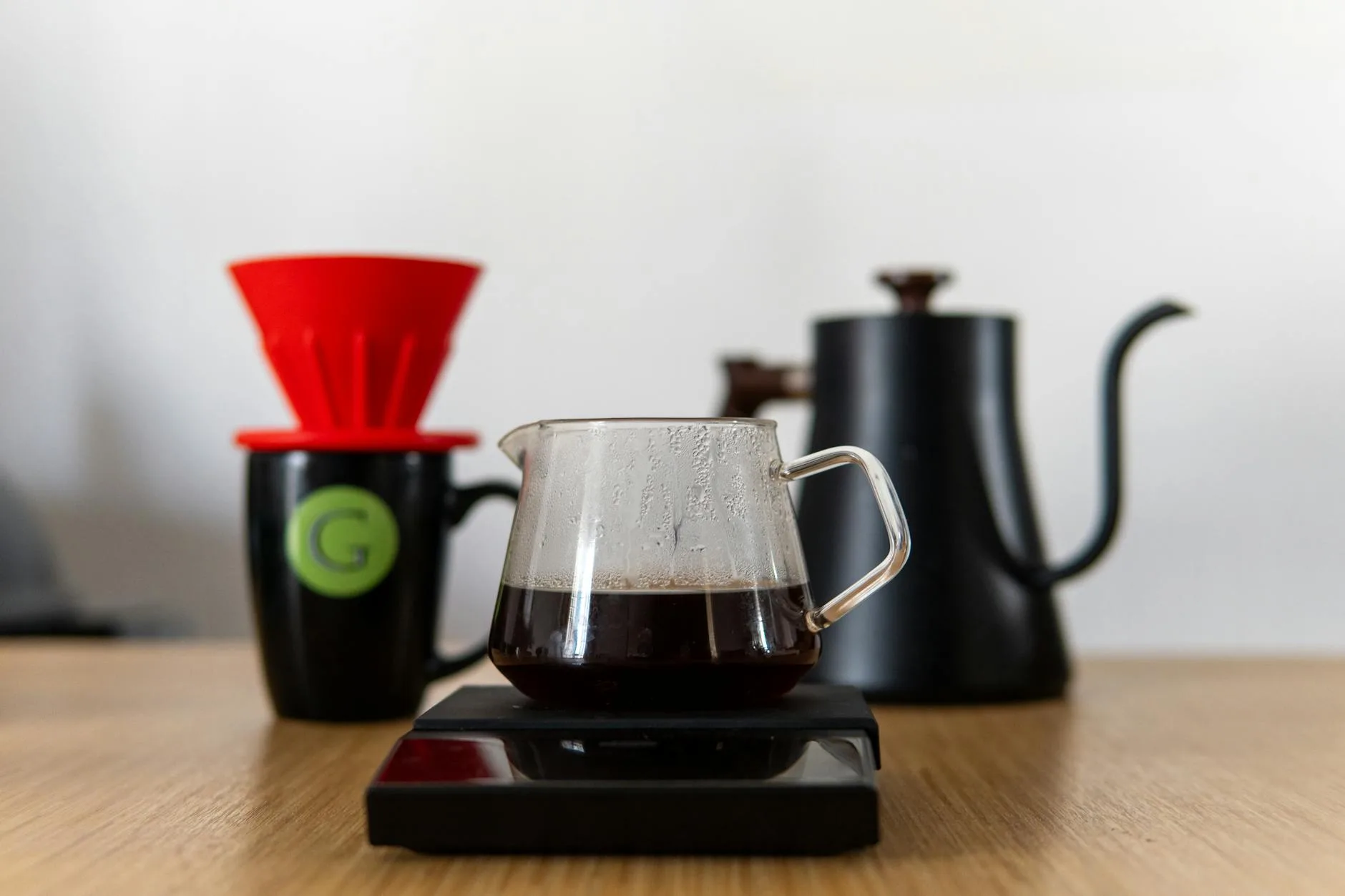
Filter coffee (drip machine, Chemex, V60, Kalita Wave) uses gravity and longer contact time. This gentler extraction reveals subtle flavours that espresso bulldozes past.
What Works
- Light to medium roast — the longer extraction time pulls enough sweetness without needing the extra solubility of dark roasts
- Single origins — this is where individual character shines. Ethiopian naturals (blueberry, wine), Kenyan (blackcurrant, citrus), Colombian (caramel, red fruit)
- Recent roast dates — filter coffee beans are best 5-21 days after roasting
Recommended Filter Beans
- Origin Coffee — Pathfinder (about £10 per 250g): Medium-light, clean, works across all filter methods
- Square Mile — Filter blend (about £14 per 350g): Seasonally adjusted, always excellent
- Workshop Coffee — various single origins (about £12 per 250g): London roaster with outstanding seasonal offerings
Grind Matters More Than You Think
For pour over, grind size is critical. Too fine and the coffee over-extracts (bitter). Too coarse and it under-extracts (sour, watery). For a complete guide to grind sizes and which suits each method, we have a dedicated article. We cover this in more detail in our Bean-to-Cup vs Espresso Machine: Which Is Right for You? piece.
Beans for French Press and Cafetière
French press coffee steeps for 4 minutes in coarse grounds. The metal mesh filter lets oils and fine particles through, producing a full-bodied, rich cup that paper filters would strip out.
What Works
- Medium to medium-dark roast — the long steep time means you don’t need dark roasts for extraction, but you want enough body to carry the weight
- Lower-acidity origins — Brazilian, Sumatran, Indian beans work particularly well. High-acidity beans (Kenyan, Ethiopian washed) can taste sharp in French press.
- Blends with chocolate/nut profiles — these characteristics complement the full body that French press produces
Recommended French Press Beans
- Monmouth Coffee — Espresso blend (about £9 per 250g from Monmouth’s shop or Ocado): Despite the name, this medium-dark blend is superb in a French press. Chocolate, hazelnut, smooth.
- Grumpy Mule — Organic Honduras (about £6 per 227g from Sainsbury’s): Affordable, chocolatey, low acid. Perfect for cafetière.
- Rave Coffee — Signature Blend (about £7.50 per 250g): Sweet, balanced, works every time.
Beans for Moka Pots and AeroPress
Moka Pot
The stovetop espresso maker produces concentrated coffee somewhere between filter and espresso. It brews under slight pressure (1-2 bars, compared to espresso’s 9) and tends toward bitterness if not managed carefully.
- Medium-dark to dark roast works best — the moka pot extracts aggressively
- Avoid light roasts — they taste sour and under-developed in a moka pot
- Italian-style blends are specifically designed for this method — look for “moka” on the bag
- Recommended: Lavazza Crema e Gusto (about £4 per 250g) or Illy Classico ground (about £6 per 250g)
AeroPress
The AeroPress is the chameleon — it can brew anything from espresso-style concentrate to clean filter-like coffee, depending on your recipe. This versatility means almost any bean works. For related advice, take a look at Best Coffee Beans Under £10/kg 2026 UK.
- Light roasts: Use the inverted method, fine grind, 2-minute steep
- Medium roasts: Standard method, medium grind, 1-minute steep
- Dark roasts: Quick press, coarser grind, 30-second steep
- The AeroPress Championship recipes typically use light-to-medium single origins — that tells you what enthusiasts prefer, but really, experiment and use what you enjoy.
Freshness: The Most Overlooked Factor
A mediocre bean that’s fresh will taste better than an excellent bean that’s stale. After spending two years buying from every source imaginable — supermarket beans that tasted like cardboard, subscription boxes that arrived late, and direct orders from small roasters that changed my whole perspective — supermarkets, roasters, subscriptions — freshness is the single biggest variable.
The Freshness Timeline
- Day 1-4 after roasting: Too fresh for espresso (excess CO2 causes channelling). Fine for filter.
- Day 5-14: The sweet spot for espresso. Flavours have developed, CO2 has mostly dissipated.
- Day 7-21: Optimal for filter and French press.
- Day 21-42: Still acceptable but fading. Acidity dulls, sweetness drops.
- Day 42+: Stale. Flat, papery, lifeless. This is where most supermarket beans live.
How to Check Freshness
- Roast date on the bag: This is the gold standard. If there’s no roast date, don’t buy it.
- Best before date: Useless for quality assessment — beans are “safe” for years but “good” for weeks.
- The bloom test: When you pour water on fresh coffee grounds, they should bubble and expand (the bloom). No bloom = stale beans.
Where to Buy Beans in the UK
Specialty Roasters (Best Quality)
- Square Mile Coffee — East London. Consistently excellent. Ships next day.
- Hasbean — Stafford. Huge range, competitive prices, fast shipping.
- Origin Coffee — Cornwall. Outstanding single origins.
- Workshop Coffee — London. Seasonal, interesting, slightly premium.
- Rave Coffee — Cirencester. Great value for money, wide range.
Subscriptions (Best Convenience)
- Pact Coffee (from £7.95 per 250g): Delivers fresh-roasted beans on your schedule. Good entry point.
- Square Mile (from £12 per 350g): Monthly single origin or espresso blend.
- Hasbean (from £8 per 250g): “In My Mug” subscription rotates through their range.
Supermarkets (Acceptable in a Pinch)
- Waitrose own-brand single origin beans are surprisingly decent
- Lavazza and Illy are reliable if you prefer darker, traditional profiles
- Avoid anything without a roast date — it’s almost always months old
- The Specialty Coffee Association maintains standards that UK specialty roasters follow
How to Store Beans Properly
Bad storage ruins good beans faster than anything else.
The Rules
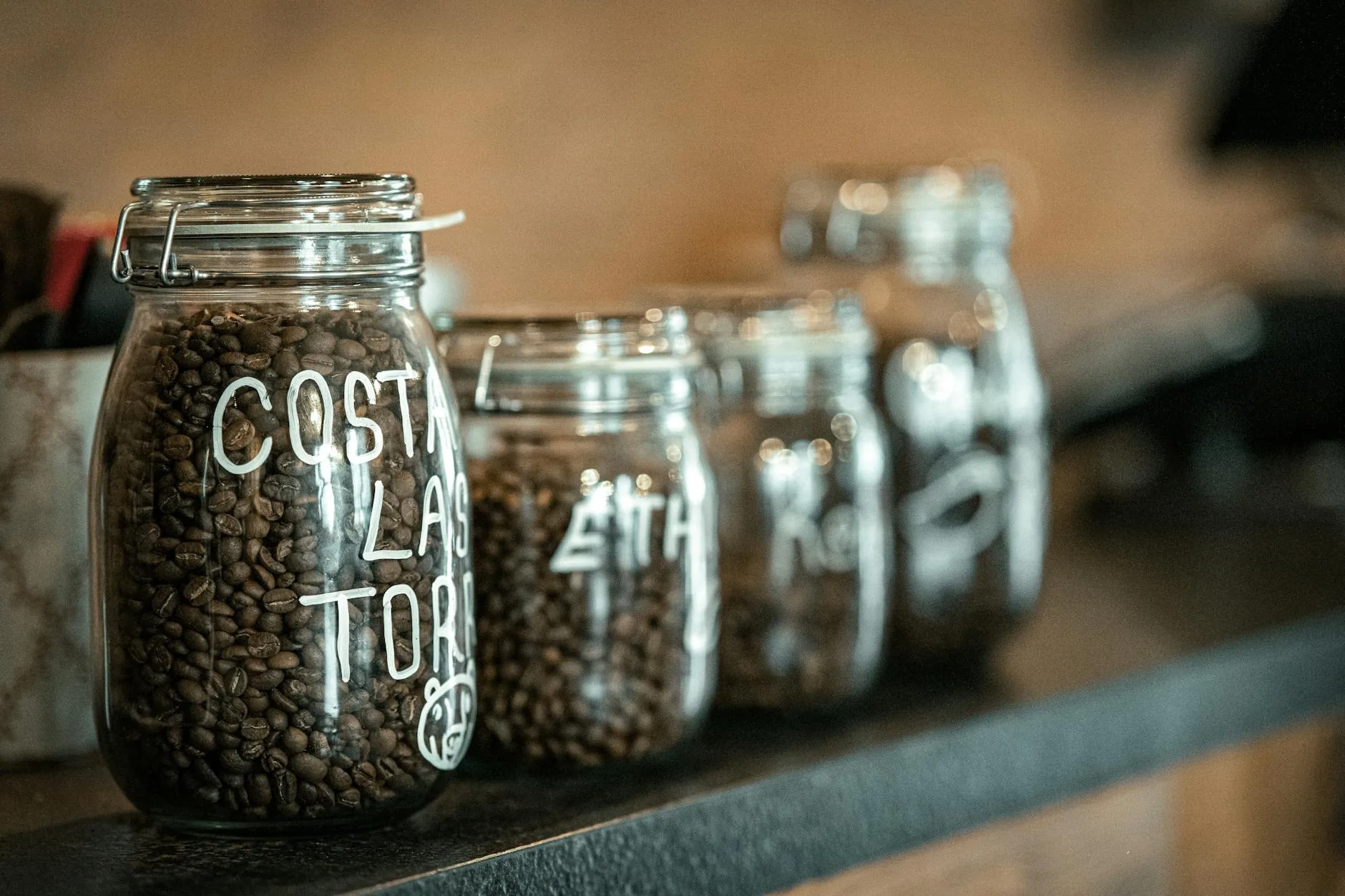
- Airtight container — oxygen is the enemy. A container with a one-way valve (lets CO2 out but no air in) is ideal. About £15-20 from Amazon UK.
- Room temperature — not in the fridge (condensation when you open it), not by the kettle (heat).
- Dark — light degrades flavour compounds. Opaque containers or a dark cupboard.
- Buy less, more often — two 250g bags a fortnight is better than one 1kg bag monthly.
Don’t Freeze (Usually)
Freezing beans is controversial. For long-term storage of a special bean, it works — portion into single-use bags, squeeze out air, freeze, and defrost only what you need (never refreeze). For weekly coffee, just buy fresh and use it within 3-4 weeks.
Our Picks by Machine Type
Best for Espresso: Square Mile Red Brick
About £12/350g. The go-to for a reason — sweet, balanced, consistent. Works black or with milk. Our Coffee Storage: How to Keep Beans Fresh for Longer guide approaches this from a different angle.
Best for Bean-to-Cup: Pact House Espresso
About £8/250g on subscription. Fresh-roasted, medium roast, designed for automatic machines.
Best for Pour Over: Origin Pathfinder
About £10/250g. Clean, medium-light, lets the brewing method shine.
Best for French Press: Monmouth Espresso Blend
About £9/250g. Full-bodied, chocolatey, complements the French press’s natural richness.
Best Budget: Rave Signature Blend
About £7.50/250g. Punches well above its price. Works in everything.
Frequently Asked Questions
Can I use espresso beans in a filter machine? Yes, but the result will taste different — darker, heavier, less nuanced than a dedicated filter roast. Espresso beans are roasted darker for quick extraction under pressure, so in a slower filter brew they can taste over-extracted and bitter. If it’s all you have, use a slightly coarser grind than normal to compensate. For the best filter coffee, buy beans roasted specifically for filter brewing.
How long do coffee beans last after opening the bag? Once opened, beans stay at their best for 2-3 weeks if stored in an airtight container at room temperature. After 3 weeks, flavour noticeably declines — the coffee becomes flat and loses its brightness and sweetness. You can still drink it at 4-6 weeks, but it won’t taste as good. Buy in quantities you’ll finish within 2-3 weeks.
Are more expensive beans actually better? Up to a point. The jump from supermarket beans (£3-5 per 250g) to specialty roasters (£8-14 per 250g) is dramatic and well worth it. The jump from £14 to £25+ specialty beans is more subtle — you’re paying for rarity and unique processing methods rather than a proportional quality improvement. For daily drinking, the £8-12 range from a good UK roaster delivers the best value.
Should I buy pre-ground or whole bean? Whole bean, always, if you have a grinder. Coffee loses flavour rapidly after grinding — within 15-30 minutes, much of the aromatic compounds have dissipated. Pre-ground coffee is stale by the time you open it, no matter how well it’s packaged. A basic hand grinder (about £30-50) transforms your coffee more than any other single upgrade.
What does “specialty grade” coffee mean? Specialty grade coffee scores 80 or above on a 100-point scale assessed by certified Q-graders (professional coffee tasters). It means the beans have been carefully grown, processed, and sorted with no major defects. All reputable UK specialty roasters use specialty-grade green coffee. It’s not a marketing term — it’s an industry standard maintained by the Specialty Coffee Association.