You’ve just spent £15 on a bag of single-origin Ethiopian and you’re eyeballing the dose into your V60 like you’re guessing how much pasta to cook. You know that’s wrong. Speciality coffee is essentially chemistry — the ratio of coffee to water determines everything about the cup, and you can’t nail a ratio without weighing both. A decent coffee scale costs less than two bags of good beans and transforms your brewing overnight.
After testing scales from £12 budget options to £200 professional models over the past eighteen months, I can confidently say: you don’t need to spend a fortune, but you do need to spend wisely. The difference between a £15 kitchen scale and a purpose-built coffee scale is response time, resolution, and whether it survives daily contact with water — all things that matter when you’re brewing.
In This Article
- Our Top Pick: Timemore Black Mirror Nano
- Why Coffee Scales Are Different from Kitchen Scales
- What to Look for in a Coffee Scale
- Best Coffee Scales for Pour-Over
- Best Coffee Scales for Espresso
- Best Budget Coffee Scale
- How to Use a Coffee Scale Properly
- Scale Maintenance and Calibration
- Frequently Asked Questions
Our Top Pick: Timemore Black Mirror Nano
If you want one scale that handles everything from pour-over to espresso without any compromises, the Timemore Black Mirror Nano is the one. At about £55-65 from Amazon UK or specialty retailers like Bella Barista, it hits the sweet spot between precision, speed, and value.
I’ve used the Nano daily for eight months now and it still feels like the best £60 I’ve spent on coffee gear. The Nano is barely larger than a smartphone and weighs just 160g, yet it reads to 0.1g resolution with a response time fast enough for real-time pour-over flow control. The built-in timer starts automatically when it detects water hitting the coffee bed — a feature that sounds gimmicky until you’re trying to control a 3-minute V60 pour and don’t have a free hand to press buttons.
What Makes It Stand Out
- 0.1g resolution — essential for espresso dosing where 0.3g makes a noticeable difference
- Response time under 0.5 seconds — fast enough to adjust your pour mid-stream during a V60 or Chemex brew
- Auto-start timer — detects flow and begins timing automatically
- USB-C rechargeable — no more hunting for AAA batteries in the junk drawer
- Waterproof silicone pad — survives daily splashes without corroding the load cell
- Weight: 160g, compact enough to travel with
- Battery life: 8-10 hours of continuous use between charges
The only limitation is the 2kg maximum capacity, which is tight if you’re weighing water directly in a large Chemex (1 litre of water = 1kg). For most brewers, it’s not an issue — you can weigh the dose on the scale, then pour by timer or transfer to a larger scale.
Why Coffee Scales Are Different from Kitchen Scales
Your kitchen scale works fine for baking — but brewing coffee demands precision that most kitchen scales can’t deliver.
Resolution
- Kitchen scales: Usually 1g resolution. That means 14g and 14.8g both display as “15g.” For baking, this is fine. For a 15g espresso dose, 0.8g difference changes your extraction noticeably
- Coffee scales: 0.1g resolution. You can see exactly what you’re measuring and repeat it tomorrow
Response Time
- Kitchen scales: Typical response time of 2-3 seconds. You add flour, wait, see the number, add more flour. No problem
- Coffee scales: 0.3-1 second response. When you’re pouring water at 6-8ml per second during a bloom phase, you need to see the weight change in real time to stop at exactly the right moment
Timer Integration
Coffee scales combine weight and time because brewing is fundamentally about both. A pour-over recipe isn’t just “250ml of water” — it’s “60g in the first 10 seconds, then 190g between 30 seconds and 2:30.” Having both readings on one device, with one-button operation, transforms your workflow. If you are exploring this area, our guide on Dual Boiler vs Heat Exchanger: Coffee Machine Types Explained covers the essentials.
Water Resistance
Kitchen scales sit on a dry counter. Coffee scales live next to (or under) dripping brewers, get splashed during espresso prep, and occasionally catch the overflow from an overfilled cup. Purpose-built coffee scales have sealed electronics or protective covers.
If you’re interested in how different scale brands approach these challenges, our comparison of Acaia vs Timemore vs Hario covers the main players in detail.
What to Look for in a Coffee Scale
Resolution (0.1g vs 0.01g)
- 0.1g is the standard for home brewing and handles both pour-over and espresso well
- 0.01g exists (the Acaia Lunar) but is overkill for home use — it’s designed for competition-level espresso where single-bean accuracy matters. At £200+, it’s hard to justify unless you’re competing or running a speciality café
Maximum Capacity
- 2kg is enough for most single-cup brewing (dose + brew water for a V60 = about 270-300g total)
- 3kg gives headroom for larger brewers (Chemex 6-cup, batch brew) or weighing water in the kettle
- Match this to your typical brewing method
Timer Features
- Basic timer: Manual start/stop. Adequate for most users
- Auto-start: Timer begins when weight changes — hands-free operation during pour-over. Worth having
- Auto-tare + timer: Some scales tare when you place the cup, then start timing on first pour. The most seamless workflow
Platform Size
This matters more than people realise:
- Large platform (15cm+): Fits a V60, Chemex, or AeroPress comfortably. Better for pour-over
- Small platform (10-12cm): Fits under an espresso machine portafilter or on a drip tray. Essential for espresso
Some scales (like the Timemore Nano) manage both by being compact enough for an espresso tray while still supporting a small V60 on top.
Build Quality and Durability
- Silicone heat pads protect from hot drippers and water splashes
- USB-C charging beats AAA batteries for daily use (batteries die at inconvenient times)
- Sealed buttons prevent water ingress from splashes
Best Coffee Scales for Pour-Over
Timemore Black Mirror Basic+ — Best Dedicated Pour-Over Scale
Price: About £40-50 from Amazon UK or Bella Barista
If you only brew pour-over and want a larger platform, the Basic+ is the original Timemore scale that built their reputation. Bigger platform than the Nano (13cm vs 10cm), same 0.1g resolution, same responsive timing.
- Resolution: 0.1g
- Capacity: 2kg
- Timer: Auto-start on flow detection
- Platform: 13cm — comfortably fits a V60-02 or small Chemex
- Power: USB-C rechargeable
- Best for: Dedicated pour-over brewers who want maximum platform space
Hario V60 Drip Scale — Most Widely Available
Price: About £45-55 from Amazon UK, Hario UK, or Bella Barista
The Hario is the scale you’ll find in most speciality coffee shops and YouTube tutorials. It’s the “safe choice” — well-proven, widely supported, and purpose-built for the V60 ecosystem.
- Resolution: 0.1g
- Capacity: 2kg
- Timer: Manual start/stop (no auto-start)
- Platform: 12cm
- Power: AAA batteries (the one downside — expect to replace every 2-3 months with daily use)
- Best for: V60 brewers who want something proven and widely compatible
Acaia Pearl — Premium Pour-Over
Price: About £130-150 from Acaia.co or speciality retailers
The Pearl is the scale you’ll see in competition-level cafés. It’s beautiful, responsive, and connects to a smartphone app for recipe tracking. Whether that’s worth 3x the Timemore price depends on how deep you are into the coffee rabbit hole.
- Resolution: 0.1g
- Capacity: 2kg
- Timer: Auto-start with multiple brewing modes
- Platform: 16cm — fits everything
- Power: USB-C, 20+ hour battery life
- Best for: Enthusiasts who want the absolute best, app integration, or café professionals
Best Coffee Scales for Espresso
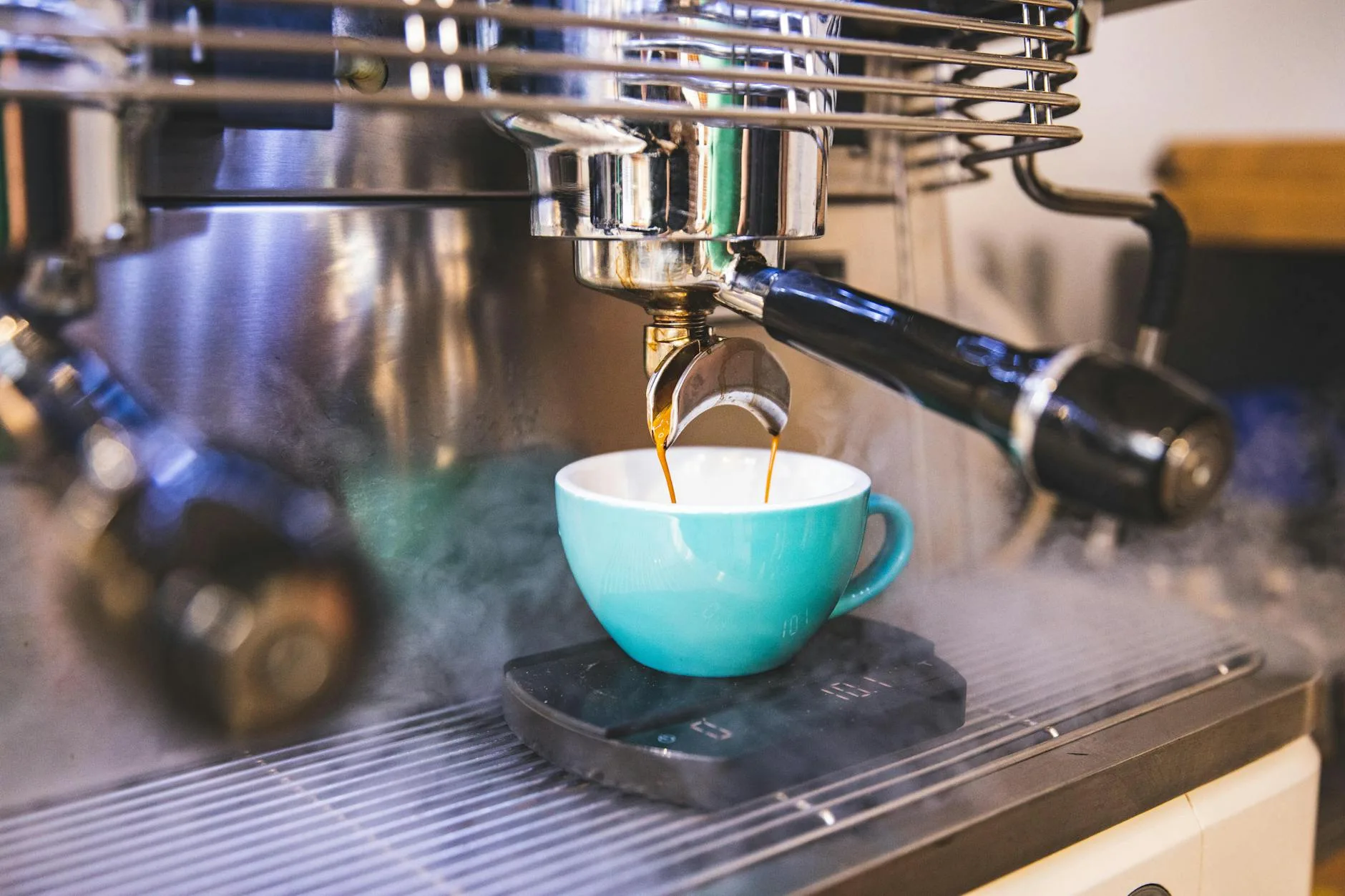
Espresso scales need to be small (fit on a drip tray or under a portafilter), fast (espresso pours in 25-30 seconds — you need real-time feedback), and precise (0.1g or better).
Timemore Black Mirror Nano — Best All-Rounder (Also Our Top Pick)
Already covered above — the Nano’s compact size makes it the best dual-purpose option. It fits on most espresso machine drip trays and under a portafilter for weighing doses.
Acaia Lunar — Best Dedicated Espresso Scale
Price: About £200-220 from Acaia.co or speciality retailers
If you’re serious about espresso and only espresso, the Lunar is the benchmark. Its 0.01g resolution and near-instant response time let you see extraction flow in real time. You might also find our Pour Over vs French Press vs AeroPress: Brew Method Guide guide useful here.
- Resolution: 0.01g
- Capacity: 2kg
- Response: Fastest on the market — essentially zero delay
- Size: Designed specifically for espresso machine drip trays
- App: Connects to Acaia app for shot profiling and recipe logging
- Best for: Espresso obsessives, home baristas pulling £3,000+ machines, competition prep
For context: the Lunar costs more than many espresso grinders. It’s exceptional, but most home baristas are better served by the Timemore Nano at a third of the price. The difference in cup quality between 0.1g and 0.01g resolution is minimal for home use.
Decent Espresso Scale V2 — Best Mid-Range Espresso
Price: About £80-95 from decentespresso.com
Built by the team behind Decent Espresso machines. Designed specifically for espresso with a low-profile body that fits under any portafilter, real-time flow rate display, and Bluetooth connectivity.
- Resolution: 0.1g
- Capacity: 2kg
- Special feature: Live flow rate display (ml/s) — useful for profiling and shot troubleshooting
- Size: Ultra-low profile (11mm thin)
- Best for: Espresso enthusiasts who want shot profiling without Acaia pricing
Best Budget Coffee Scale
Weightman Coffee Scale — Best Under £20
Price: About £12-18 from Amazon UK
If you’re just starting with speciality coffee and want to know whether precision brewing makes a difference before investing properly, the Weightman delivers surprising performance for the price.
- Resolution: 0.1g
- Capacity: 3kg
- Timer: Built-in, manual start
- Power: AAA batteries
- Size: Compact, fits under most pour-over setups
- Downsides: Slower response time (1-2 seconds), less water resistant, plasticky build, battery-powered
It won’t match a Timemore for speed or build quality, but it proves the concept. I used one for six months before upgrading, and the precision improvement over my kitchen scale was immediately obvious in the cup. Once you experience how consistent your coffee becomes with proper dosing, you’ll want something faster — but the Weightman is a perfectly valid starting point.
For pour-over specifically, pairing any coffee scale with the right kettle makes a huge difference. Our guide to gooseneck kettles covers what to look for.
How to Use a Coffee Scale Properly
Basic Pour-Over Workflow
- Place your dripper and server on the scale
- Tare to zero
- Add your coffee dose (e.g., 15g for a standard V60)
- Tare to zero again (so the scale now reads just the water weight)
- Start your timer and begin pouring
- Pour to your target water weight (e.g., 250g for a 1:16.7 ratio)
- Total brew time should hit your target (typically 2:30-3:30 for a V60)
Espresso Workflow
- Place your portafilter on the scale
- Tare to zero
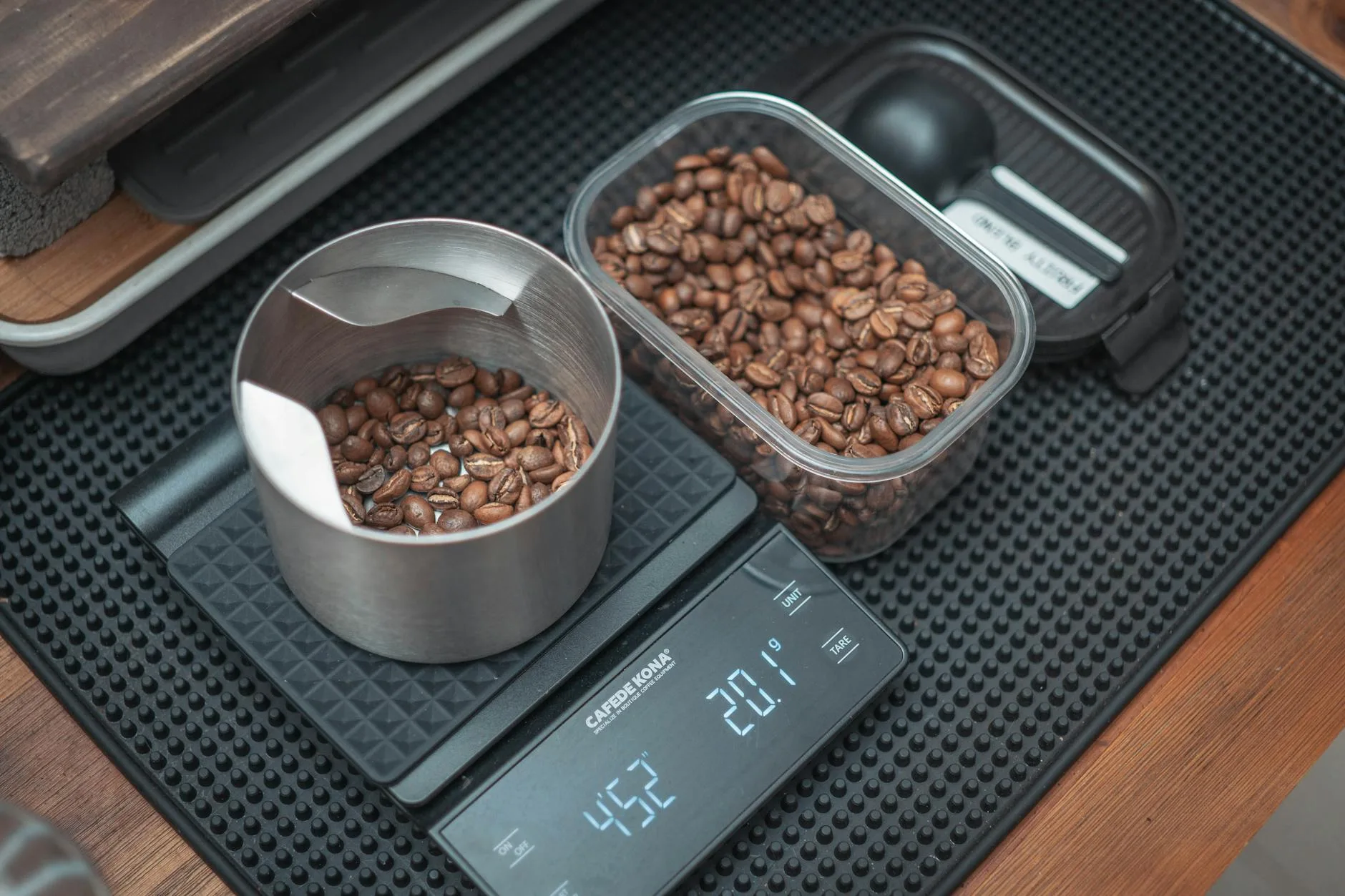
- Grind your dose into the portafilter (typically 18-20g for a double)
- Adjust if needed — add or remove beans until you hit your target exactly
- Tamp, lock in, place cup on drip tray scale
- Tare, then pull your shot
- Stop when output weight hits your target (typically 36-40g for a 1:2 ratio)
Dial-In Process
This is where coffee scales prove their worth. “Dialling in” means adjusting grind size until your espresso tastes right. The method:
- Weigh your dose (e.g., 18.0g)
- Pull a shot, targeting specific output weight (e.g., 36g) and time (25-30 seconds)
- If the shot runs too fast (under 25 seconds) → grind finer
- If the shot runs too slow (over 30 seconds) → grind coarser
- Repeat until time and weight align
Without a scale, you’re guessing. With one, you can make the same coffee tomorrow by repeating the same numbers. Understanding your grind sizes is essential for this process.
Scale Maintenance and Calibration
Daily Care
- Wipe the platform after each use — dried coffee grounds scratch the surface and affect readings
- Don’t leave wet items sitting on the scale for extended periods
- Store with the protective cover on (if provided)
Calibration
Most coffee scales come pre-calibrated and maintain accuracy for years. If you suspect drift:
- Place a known weight on the scale (calibration weights from Amazon, about £5-10 for a set)
- If it reads more than 0.2g off, follow your scale’s calibration procedure (usually holding a button combination)
- Recalibrate annually if you use the scale daily
Battery vs USB-C
- Battery scales (Hario, Weightman): Replace batteries when the display dims or response slows. Keep spares in your coffee station
- USB-C scales (Timemore, Acaia): Charge weekly with daily use. Don’t let them fully discharge regularly — like all lithium batteries, they last longer when kept between 20-80%
The SCA (Speciality Coffee Association) coffee standards recommend weighing both dose and water for consistent extraction — so keeping your scale in good nick directly impacts your coffee quality.
Frequently Asked Questions
Do I really need a coffee scale, or can I use a kitchen scale? A kitchen scale works for dosing beans (you only need accuracy, not speed). But for pour-over brewing where you’re weighing water in real time, a kitchen scale’s 2-3 second response delay means you consistently overshoot your target. If you only brew immersion methods (French press, AeroPress inverted), a kitchen scale is adequate. For pour-over or espresso, a purpose-built coffee scale is worth every penny.
What’s the ideal coffee-to-water ratio? The Speciality Coffee Association recommends 1:15 to 1:18 by weight as a starting point. For pour-over, 1:16 to 1:17 (e.g., 15g coffee to 250g water) is the most common. For espresso, 1:2 is standard (18g dose to 36g output). A coffee scale lets you nail these ratios precisely and adjust in small increments to find your preference.
How accurate are budget coffee scales? Budget scales (£12-20) are accurate enough for dosing — typically within ±0.2g. Their weakness is response time, not accuracy. They’ll tell you the right number eventually, just 1-2 seconds later than premium scales. For pour-over flow control, that delay matters. For weighing a dose before brewing, it doesn’t.
Should I buy a scale with Bluetooth and app connectivity? Only if you enjoy data logging and recipe tracking. App-connected scales (Acaia Pearl, Acaia Lunar, Decent) let you save recipes, track extraction curves, and analyse consistency over time. Most home brewers don’t need this — a timer and 0.1g resolution gets you 95% of the way there without the complexity.
How long do coffee scales last? Quality coffee scales (Timemore, Hario, Acaia) last 5-10 years with proper care. The load cell — the sensor that measures weight — doesn’t wear out under normal use. What fails first is usually the battery (on rechargeable models) or water damage from splashes. Keeping the scale dry and charging properly extends life considerably.