The Sage Barista Express Impress is the best espresso machine for most UK homes if you want to learn the craft without buying a separate grinder. Its assisted tamping makes the daily routine tidier, while you still control the coffee and steam your own milk. Choose the Philips 5400 LatteGo for push-button convenience, or the Bambino Plus if a separate grinder and a smaller machine suit your kitchen better.
Quick answer: the best espresso machines
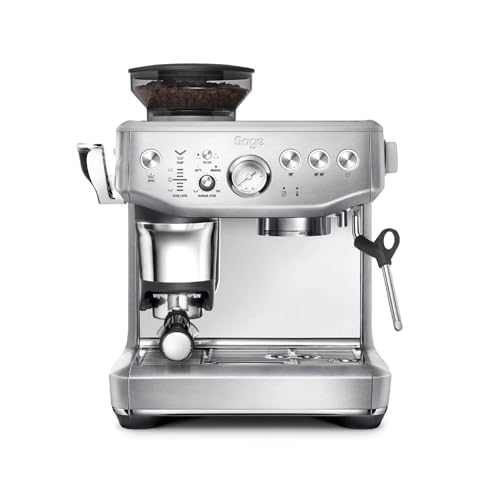
Best overall — Sage Barista Express Impress.
For someone who wants hands-on espresso without buying a separate grinder.

Best guided all-in-one — Ninja Luxe Café Premier ES601UK.
For a household that wants espresso, filter-style coffee and milk drinks from one machine.

Best compact semi-auto — Sage Bambino Plus.
For a smaller kitchen or someone who already owns an espresso-capable grinder.

Best bean-to-cup — Philips 5400 LatteGo.
For quick espresso and milk drinks with less hands-on preparation.

Best manual lever — Flair GO Grounds Model.
For someone who enjoys making one espresso by hand or wants a pack-away setup.
Our compact coffee-machine guide compares narrower machines and pods if worktop space is your first constraint. This guide focuses on fresh-coffee espresso, from lever brewing to fully automatic machines.
In this guide
- Comparison at a glance
- The five best espresso machines
- Head-to-head recommendation
- Choosing the right type
- Grinder and milk setup
- Running costs and maintenance
- How we chose
- The bottom line
- Frequently asked questions
Comparison at a glance
| Machine | Our verdict | Type | Milk | Main compromise |
|---|---|---|---|---|
| Sage Barista Express Impress | Best overall | Semi-auto with grinder | Manual steam wand | Needs hands-on practice |
| Ninja Luxe Café Premier ES601UK | Best guided all-in-one | Guided semi-auto with grinder | Hands-free milk frothing | More controls and modes |
| Sage Bambino Plus | Best compact semi-auto | Semi-auto; separate grinder | Automatic or manual wand | Grinder sold separately |
| Philips 5400 LatteGo | Best bean-to-cup | Fully automatic | LatteGo milk system | Less extraction control |
| Flair GO Grounds Model | Best manual lever | Lever; separate grinder | No milk steaming | Needs hot water and more effort |
Compare the full setup, not only the machine price. The Bambino Plus and Flair GO need an espresso-capable grinder; the Flair also needs a kettle and has no steam wand. Prices, bundles and sellers change, so check the current total and return terms before ordering.
The five best espresso machines
1. Sage Barista Express Impress: best overall
The Impress is the clearest all-round choice for someone who wants to make espresso rather than press a drinks-menu button. Sage combines a 25-setting conical burr grinder with dose guidance and an assisted tamping lever. You still decide the grind setting, handle the portafilter and texture milk with a manual wand. Its thermocoil heating system is not the three-second ThermoJet used in the Bambino Plus; that distinction matters if you are choosing for a rushed morning.
- Buy it if: you want a grinder included and a guided route into semi-auto espresso.
- Skip it if: you want fully automatic coffee or almost no cleanup.
- Main compromise: The assisted preparation reduces mess, but it does not remove the need to learn grind and extraction.
2. Ninja Luxe Café Premier ES601UK: best guided all-in-one
The Ninja makes sense when the household wants more than straight espresso from one appliance. Its integrated grinder, weight-based dosing guidance and separate assisted tamper take some measuring out of the process; it also offers filter-style coffee and cold-brew settings. The milk system can texture hands-free. It is a broader drinks station than the Sage Impress, not a simpler replacement for a traditional portafilter routine. Check the exact ES601UK package and counter dimensions against your space before buying.
- Buy it if: you want espresso, longer coffee and milk drinks with built-in guidance.
- Skip it if: you want a small machine or prefer direct manual control over every step.
- Main compromise: Its breadth adds controls, accessories and a larger cleaning routine.
3. Sage Bambino Plus: best compact semi-auto
The Bambino Plus is 19.4cm wide according to Sage, so the machine itself takes less counter width than the grinder-equipped choices. Its ThermoJet system is designed for a three-second heat-up, and the steam wand has adjustable automatic milk temperature and texture. You can also texture manually. The essential catch is the missing grinder: fresh-bean espresso needs a capable burr grinder beside it, so compare the full footprint and cost rather than the machine alone.
- Buy it if: you have a suitable grinder or want to choose one separately.
- Skip it if: you need a single-box setup for beans, espresso and milk.
- Main compromise: Its small body is not a grinder-inclusive setup.
4. Philips 5400 LatteGo: best bean-to-cup
Choose the Philips when several people want different coffees without learning portafilter technique. The 5400 has an integrated ceramic grinder, a menu of 12 drinks and the two-part LatteGo milk system. Its removable brew group makes regular rinsing practical. It can make espresso and milk drinks at a button press, but it gives you less direct control over dose, tamp and extraction than the three portafilter machines above.
- Buy it if: convenience, drink variety and a repeatable morning routine come first.
- Skip it if: you want to develop a hands-on espresso recipe.
- Main compromise: Milk parts and the brew group still need cleaning; automatic is not maintenance-free.
5. Flair GO Grounds Model: best manual lever
The Flair GO is a deliberate specialist pick. It folds into a case and uses a hand-operated lever with a pressure gauge; the Grounds Model has a bottomless portafilter. Brewing requires off-boil water and an espresso-capable burr grinder, as the maker’s brewing instructions explain. There is no boiler or steam wand. It suits someone who enjoys the small ritual of making a single shot or wants to pack the kit away, not a family producing flat whites in a hurry.
- Buy it if: you want a portable, hands-on lever and already plan for a grinder and kettle.
- Skip it if: you mainly make milk drinks or need several coffees quickly.
- Main compromise: The device packs down, but the complete brewing kit is larger and more involved.
Head-to-head: which espresso machine should you buy?
Buy the Sage Barista Express Impress if you want one integrated grinder and the satisfaction of preparing your own espresso, with assistance at the messiest step. Choose the Ninja if your household wants guided espresso plus longer coffee styles. These machines cover similar budgets on some days, but their workflows are different; compare the current price and included accessories, not a dated deal.
Pick the Bambino Plus when a slim machine and your choice of separate grinder matter more. The Philips 5400 is the convenience choice: it trades portafilter control for repeatable drinks. The Flair GO is for lever enthusiasts, not a substitute for a steam-wand machine. The biggest buying mistake is comparing machine prices without including the grinder and milk setup.
Choosing the right machine type
Semi-automatic with a grinder
The Sage Impress and Ninja keep the grinder inside the machine, but neither removes all preparation. You still load beans, manage the portafilter and clean the puck and milk equipment. The reward is more control over the coffee than a one-touch system. See our espresso dial-in guide for the variables you will adjust.
Semi-automatic without a grinder
The Bambino Plus keeps the machine compact but shifts the grinding decision to you. Buy a grinder capable of fine, repeatable espresso adjustment; an ordinary blade grinder is not equivalent. A separate grinder offers upgrade flexibility, yet it adds cost, noise and counter space. Our grinder comparison explains the difference from filter-coffee grinding.
Automatic versus lever
The Philips handles grinding and drink preparation internally. The Flair puts pressure and timing in your hands. They sit at opposite ends of the effort scale, so cup-quality slogans are a poor way to compare them. Ask how many drinks you make each morning and how much cleaning and practice you will accept. Our bean-to-cup versus espresso guide goes deeper on that choice.
The grinder and milk setup matter as much as the machine
Budget for the complete station
A grinder-integrated machine is not necessarily cheaper than a smaller machine plus a separate grinder; the answer depends on current offers and the grinder you choose. The Bambino and Flair need one for fresh beans. The Flair also needs a kettle. Leave room for a tamper or dosing funnel where required, a scale if you plan to weigh shots, and somewhere to dispose of used grounds.
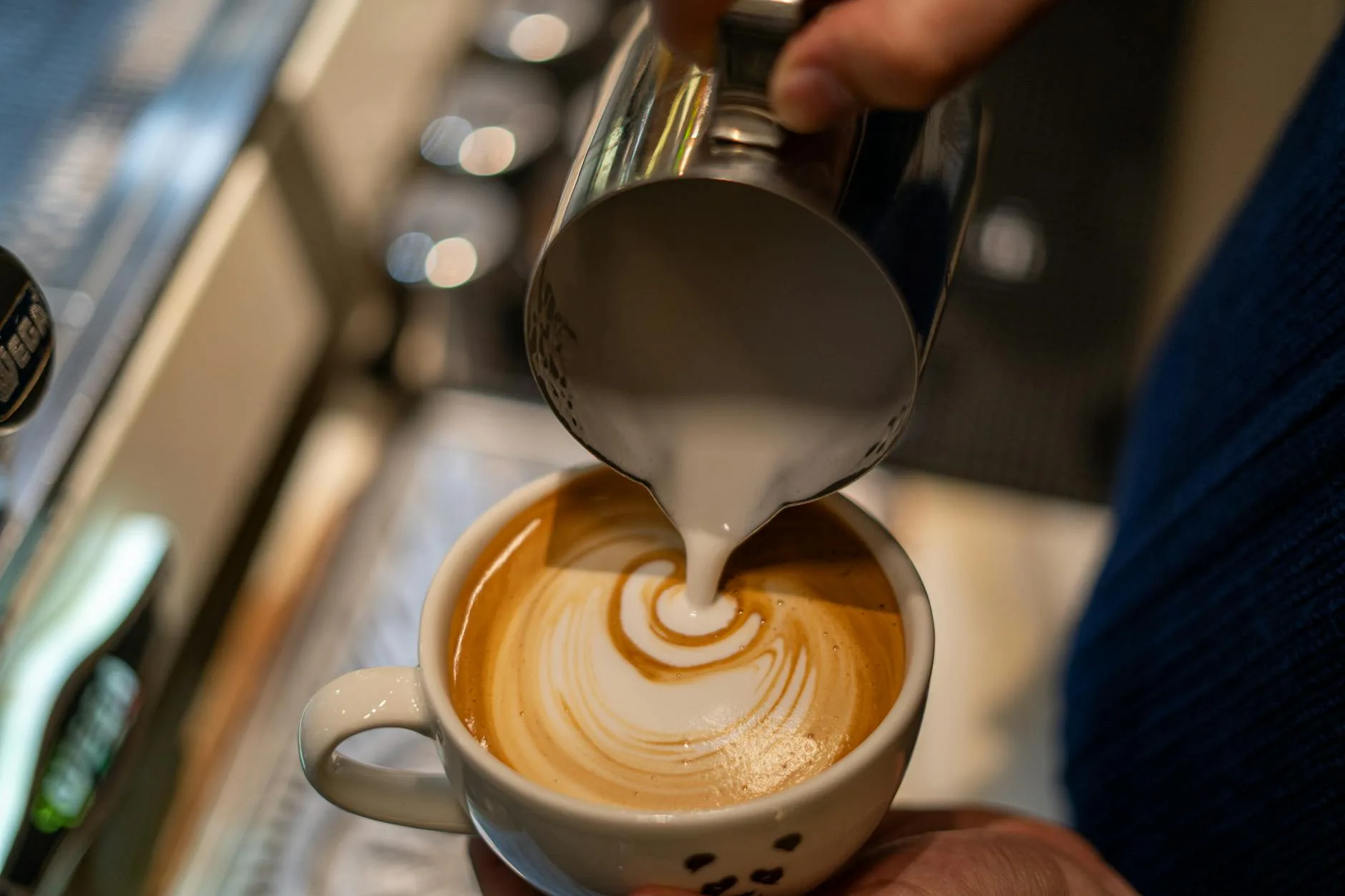
Choose your milk routine
The Sage Impress uses a manual steam wand. The Bambino Plus offers assisted milk texture while still allowing manual use. Ninja offers hands-free frothing; Philips uses its LatteGo milk container. Both still need prompt cleaning. Flair GO makes espresso only. If milk drinks are the reason you are buying, make this choice before you choose the machine. Our milk-frother guide covers separate options.
Running costs and maintenance
Beans, water and cleaning
Fresh beans are the recurring cost for every choice here; milk, water filters and cleaning products add to it. Hard water can increase descaling work, so follow the machine’s own instructions and your local water conditions rather than a universal monthly schedule. Wipe and purge steam wands after use, empty drip trays, and clean milk-contact parts promptly. The Philips brew group can be removed for rinsing; the Flair’s brew parts need manual cleaning.
Check the ownership details
Compare the exact seller, delivery estimate, included accessories and return terms at checkout—especially on a heavy machine. A manufacturer’s direct-store policy does not automatically apply to another seller. The Sage model page sets out the Impress’s heating, grinder and tamping system; use the manufacturer manual for the maintenance routine after purchase. Our coffee-machine cleaning guide covers the general tasks.
How we chose
We compared the current named variants by the work required to prepare a drink, grinder and milk setup, footprint, maintenance and the compromises a buyer is likely to notice. Specifications were checked against manufacturer information and product details; we did not carry out hands-on brewing tests. This is a researched buying guide, so we have not ranked unmeasured flavour, noise or long-term reliability as if we had tested them side by side.
The five machines cover different decisions rather than filling a price ladder: guided semi-auto, broader all-in-one, narrow semi-auto, fully automatic and lever. Offers and bundles change, so check the exact variant and included accessories.
The bottom line
For most UK homes that want to learn espresso, the Sage Barista Express Impress is the best starting point here: grinder, assisted tamping and manual milk steaming in one machine. The Ninja suits a mixed-drink household, the Bambino Plus a smaller semi-auto station, the Philips 5400 an easy multi-drink routine, and the Flair GO someone who wants lever espresso without a permanent machine on the counter. A prosumer dual-boiler machine may suit a specialist hobbyist, but it is outside this everyday shortlist.
Frequently asked questions
Do I need a separate grinder for an espresso machine?
The Sage Impress, Ninja Luxe Café Premier and Philips 5400 include grinders. The Sage Bambino Plus and Flair GO Grounds Model need a separate espresso-capable grinder if you want to use fresh beans.
Is a bean-to-cup machine better than a semi-automatic?
It is better for convenience, not automatically better in the cup. Choose the Philips 5400 for one-touch drinks; choose a model with manual controls, such as the Sage Impress, if you want to manage the espresso and texture milk yourself.
Which espresso machine is best for a small kitchen?
The Sage Bambino Plus has the smallest powered machine body in this shortlist, but a separate grinder needs space. The Flair GO packs away, although its grinder and kettle still need storage.
Can the Flair GO make cappuccino?
It makes espresso but has no steam wand. You would need a separate way to heat and froth milk.
Which machine is quicker to start on a busy morning?
Sage specifies a three-second ThermoJet heat-up for the Bambino Plus. The Barista Express Impress uses a different thermocoil system; compare the whole grinding, brewing and milk routine, not only heat-up.
How much should I budget beyond the machine?
Include an espresso-capable grinder where needed, fresh beans, cleaning supplies and any milk equipment. Check current bundle contents, delivery and returns rather than relying on an old machine-only price.