Last weekend, I found myself sipping a flat white that tasted oddly bitter and burnt, despite being made with my favourite beans. It was a classic case of poor temperature control during brewing-a detail many of us overlook, but one that makes or breaks the flavour. If you’ve ever wondered why your home brew doesn’t taste like your local café’s, this coffee temperature guide brewing article is for you. We’ll break down the science, the sweet spot for each method, and how you can master temperature at home for consistently delicious coffee, with a particular focus on UK-specific tips and resources.
In This Article
- Why Coffee Temperature Matters
- The Science of Brewing Temperature
- Optimal Brewing Temperatures for Popular Methods
- UK-Specific Tips for Temperature Control
- How to Control Brewing Temperature at Home
- Common Mistakes and How to Avoid Them
- Pairing Temperature with Other Brewing Variables
- Frequently Asked Questions
Why Coffee Temperature Matters
Getting the brewing temperature right is more than just a technicality-it’s the key to unlocking your coffee’s full flavour potential. In my own kitchen, I’ve seen how a few degrees can turn a cup from bland to brilliant. Here’s why temperature is so important:
- Extraction: Coffee brewing is all about extracting flavours from ground beans. Water that’s too cool under-extracts, leaving you with sour, weak coffee. Too hot, and you risk over-extraction, which brings out bitterness and harsh notes.
- Consistency: Once you find the ideal temperature, you can repeat your results every morning.
- Bean Profile: The right temperature brings out the unique characteristics of your beans, whether you’re brewing a fruity Ethiopian or a chocolatey Brazilian.
Industry standards, like those from the Specialty Coffee Association, recommend a brewing temperature range of 90°C to 96°C. Staying within this window is the foundation of brewing great coffee.
The Science of Brewing Temperature
How Temperature Affects Extraction
Brewing coffee is a delicate balance of time, temperature, and grind size. When hot water meets ground coffee, it dissolves soluble compounds at different rates:
- Acids and bright notes extract quickly at lower temperatures.
- Sugars and sweetness need a bit more heat.
- Bitterness and astringency come out last, especially if the water is too hot or the brew runs too long.
From my experience, using water that’s just off the boil (around 94°C) usually brings out a balanced cup, but even a 2°C difference can highlight or mask certain flavours.
SCA and Industry Guidelines
The Specialty Coffee Association sets the gold standard for coffee brewing. Their research suggests:
- Ideal range: 90°C to 96°C
- Below 90°C: Under-extraction, sourness, and flatness
- Above 96°C: Over-extraction, bitterness, and loss of delicate aromas
The Role of Water Quality
Temperature is only part of the equation. Hard or overly soft water can also affect extraction and flavour. For best results, use filtered water with balanced mineral content. In the UK, water hardness varies widely-London and much of the South East have hard water, while Scotland and the North West often have softer water. If you’re in a hard water area, consider a filter jug or an in-line filter to help your coffee taste its best.
Optimal Brewing Temperatures for Popular Methods
Each brewing method has its own sweet spot. Here’s a breakdown of the ideal ranges for the most common home setups.
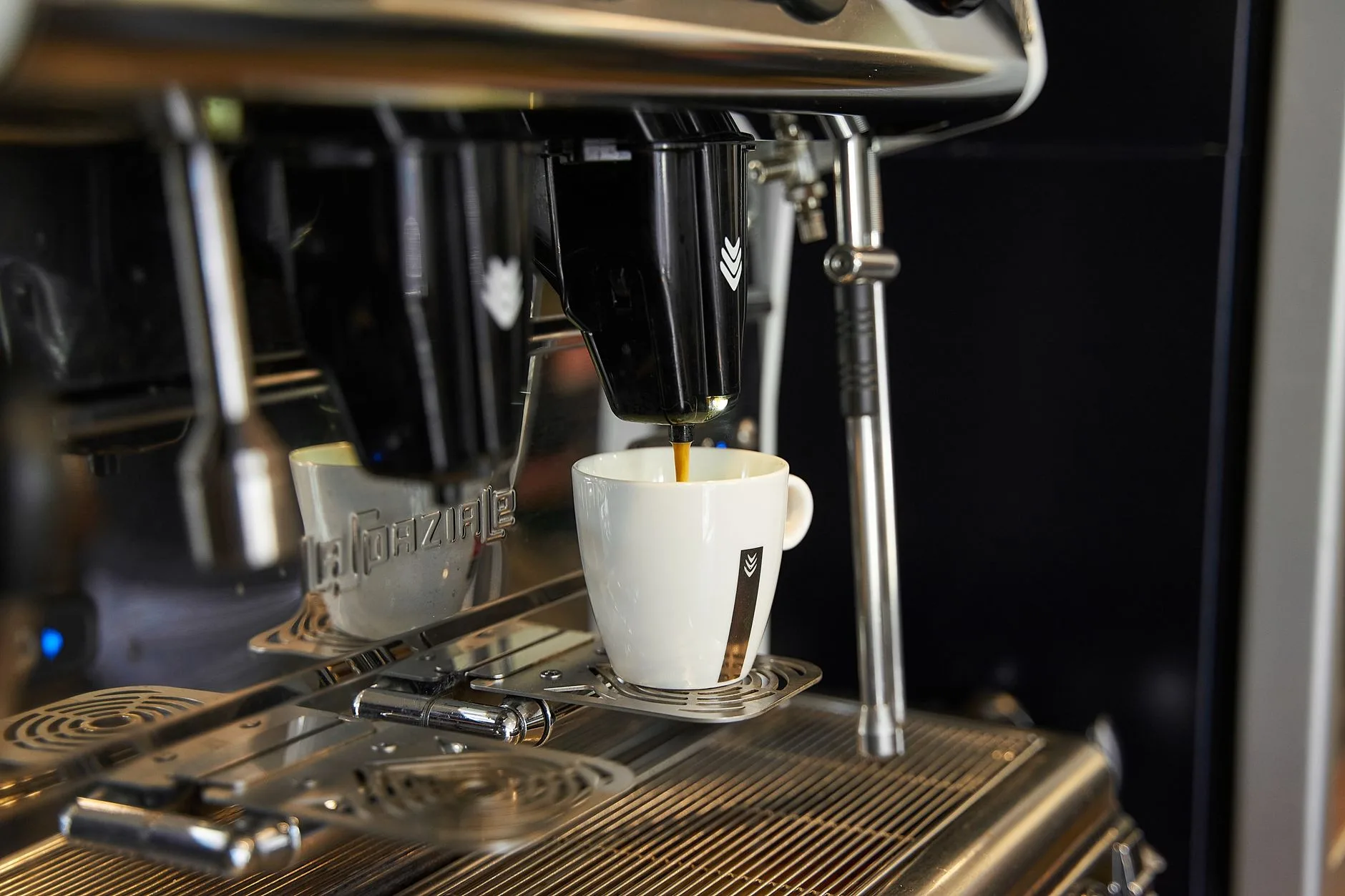
Espresso
- Ideal temperature: 90°C to 96°C
- Why it matters: Espresso is unforgiving. Too hot, and you’ll get burnt, ashy notes. Too cool, and your shot will be thin and sour.
- Pro tip: If your machine allows, experiment in 1°C increments to fine-tune to your beans.
If you’re perfecting your espresso setup, don’t forget the importance of a quality tamper. Our How to Choose a Coffee Tamper guide covers everything you need to know.
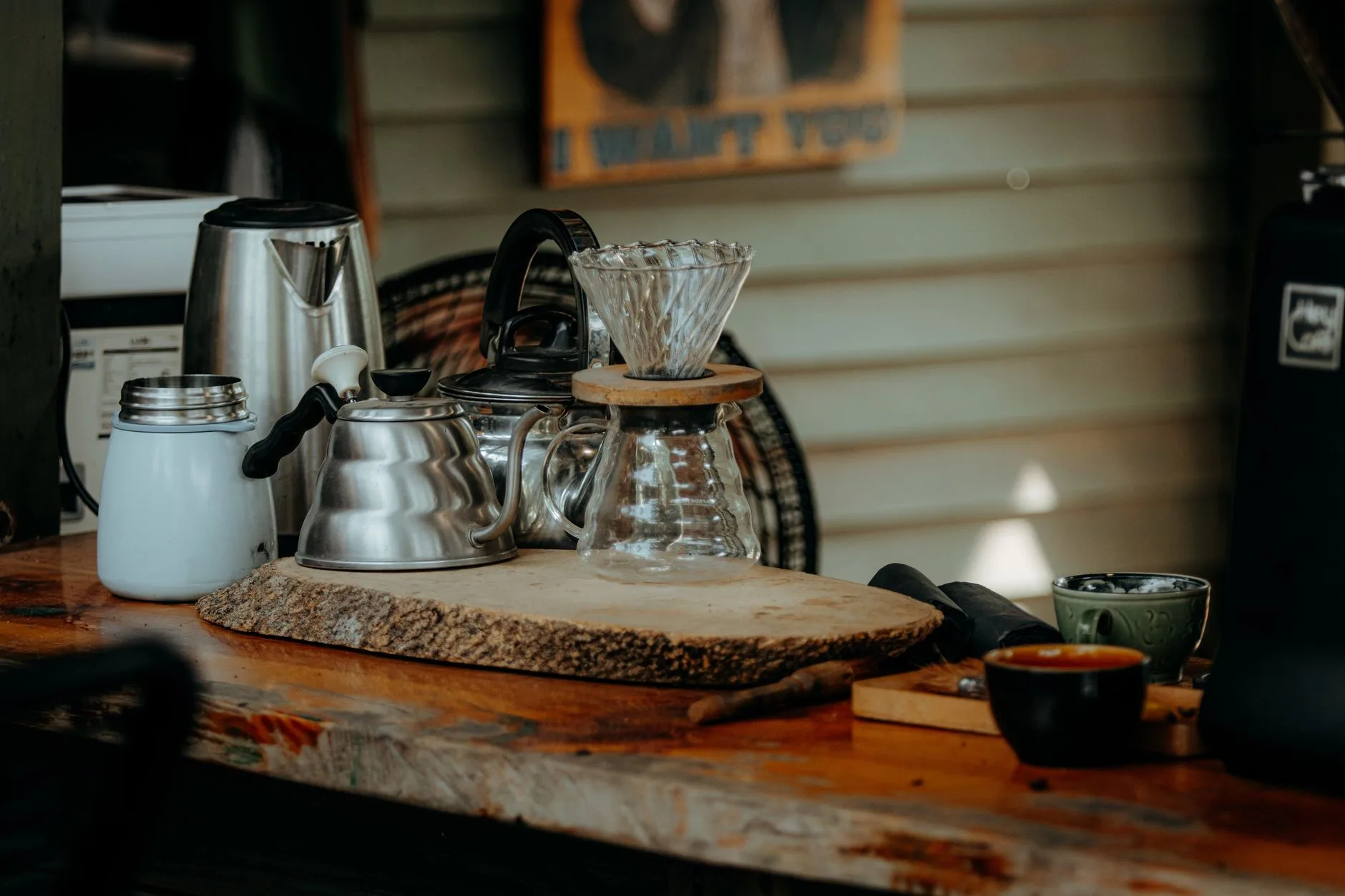
Filter (Pour Over, V60, Chemex, Kalita)
- Ideal temperature: 92°C to 96°C
- Why it matters: Filter methods extract more slowly, so a slightly higher temperature can help bring out sweetness and complexity.
- First-hand tip: I find that 94°C is a great starting point for medium roasts, but lighter roasts sometimes need closer to 96°C to really shine.
French Press (Cafetiere)
- Ideal temperature: 93°C to 96°C
- Why it matters: Immersion brewing benefits from a bit more heat to prevent under-extraction, especially if you use a coarser grind.
AeroPress
- Ideal temperature: 80°C to 94°C (depends on recipe)
- Why it matters: Some recipes use lower temperatures for a smoother cup. I often use 85°C for delicate, floral coffees.
Moka Pot
- Ideal temperature: Start with cold or room temperature water, but aim for the water to reach 90°C to 95°C during brewing.
- Why it matters: Too hot, and you risk burning the coffee grounds.
Cold Brew
- Ideal temperature: Room temperature or cold water (15°C to 24°C)
- Why it matters: Cold extraction takes much longer (12-24 hours), but results in a smooth, low-acid cup.
Quick Reference Bullet List
- Espresso: 90°C-96°C
- Filter: 92°C-96°C
- French Press: 93°C-96°C
- AeroPress: 80°C-94°C (recipe-dependent)
- Moka Pot: 90°C-95°C
- Cold Brew: 15°C-24°C
UK-Specific Tips for Temperature Control
Understanding Your Water
In the UK, water quality and temperature stability can vary by region. Hard water, common in London, Kent, and much of the South East, can cause limescale buildup in kettles and machines, affecting temperature consistency and extraction. Regular descaling is essential. In Scotland, Wales, and parts of the North West, softer water may lead to under-extraction and flat flavours. Using a mineral balancing filter or adding a pinch of bicarbonate of soda (as recommended by some UK baristas) can help achieve better extraction.
Typical UK Kettles and Temperature Control
Most UK households use electric kettles, many of which do not have variable temperature settings. If you’re using a standard kettle, boil the water and let it rest for 30-60 seconds before pouring. For more accuracy, consider a variable temperature kettle-brands like Sage (Breville in the UK), Dualit, and Russell Hobbs offer models with digital temperature control, often starting from around £40-£70.
Dealing with Cold Kitchens
UK homes, especially older ones, can be chilly in the mornings. This can cause rapid heat loss as you brew. Preheating your mug, carafe, and even your filter cone makes a noticeable difference. Pour hot water through your brewing equipment before you start to keep your coffee at the right temperature longer.
Cafetiere (French Press) Use in the UK
The cafetiere is a staple in many British households. For best results, aim for 94°C water, and steep for 4 minutes. If your coffee tastes thin, try a slightly higher temperature or a finer grind. If it’s bitter, let the water cool a bit more before brewing.
UK Coffee Scene and Standards
Many UK specialty cafés and roasters follow SCA guidelines, but some adapt their recipes to suit local water and climate. For example, some London cafés use slightly cooler water for espresso to counteract hard water’s tendency to extract bitterness. If you’re buying beans from a local UK roaster, ask for their recommended brew temperature-they often have tips tailored to the local water profile.
Sourcing Equipment in the UK
For home baristas, UK retailers like Coffee Hit, Hasbean, and Workshop Coffee stock temperature-controlled kettles, thermometers, and other brewing tools. If you’re looking to upgrade, check out our guide on How Much Should You Spend on a Coffee Grinder? for advice on balancing budget and performance.
More on Brewing Temperature
For a UK-focused deep dive into the science of brewing temperature, see Breville’s UK coffee temperature guide, which explains how temperature impacts extraction and flavour, and offers practical tips for British home brewers.
How to Control Brewing Temperature at Home
Not every home setup has precise temperature control, but there are simple ways to stay in the ideal range.
Using a Kettle with Temperature Control
Investing in a variable temperature kettle is the most reliable way to control your water temperature. These are widely available in the UK from brands like Sage, Fellow, and Hario, starting from around £40.
Manual Methods
If you don’t have a fancy kettle, here’s how you can get close:
- Boil your kettle and let it sit for 30 seconds. Water cools by about 1°C every 15 seconds, so after half a minute, it’s usually around 94°C.
- Pour water into a pre-warmed vessel to avoid heat loss.
- Use a kitchen thermometer to check the temperature, especially if you’re chasing perfection.
- For espresso machines without PID temperature control, run a ‘blank shot’ (no coffee) to preheat the group head and stabilise temperature.
My Experience with Home Temperature Control
I started with a basic kettle and a cheap thermometer, and it made a noticeable difference-especially with lighter roasts. Upgrading to a variable temperature kettle gave me even more consistency, and I haven’t looked back.
Tips for Consistent Results
- Always preheat your brewing equipment.
- Use fresh, filtered water.
- Stick to the same process for each brew to reduce variables.
- In hard water areas, descale your kettle and coffee machine regularly to maintain temperature accuracy.
Common Mistakes and How to Avoid Them
Even experienced home brewers slip up. Here are some pitfalls I’ve encountered and how to dodge them:
Using Boiling Water Directly
Pouring boiling water (100°C) onto coffee can scorch the grounds, especially with delicate beans. Always let it cool slightly before brewing.
Ignoring the Impact of Room Temperature
Cold kitchens (common in the UK!) can drop your brewing temperature. Preheat your mug, carafe, and filter cone to minimise heat loss.
Not Adjusting for Coffee Roast Level
Darker roasts extract more quickly and can taste bitter if brewed too hot. Lighter roasts often need a higher temperature to unlock their acidity and sweetness. For more on this, check out our Coffee Roast Levels Explained: Light, Medium & Dark guide.
Skipping Equipment Maintenance
Limescale buildup in kettles and espresso machines can affect temperature stability. Descale regularly, especially in hard water areas.
Overlooking Grind Size
Your grind size works hand-in-hand with temperature. Too fine, and you risk over-extraction at high temps. Too coarse, and you might under-extract, even with hot water. Our Coffee Grind Sizes Explained: Coarse to Fine article is a useful resource if you’re unsure.
Not Considering Water Source
If you’re using tap water, be aware that UK tap water can vary in taste and mineral content. Filtered water is best for both taste and temperature stability.
Pairing Temperature with Other Brewing Variables
Getting the temperature right is crucial, but it’s only one part of the equation. Here’s how it interacts with other key factors.
Grind Size
- Fine grind: Extracts faster, so you may want to use slightly cooler water to avoid bitterness.
- Coarse grind: Needs hotter water or longer contact time for full extraction.
Coffee-to-Water Ratio
Changing your ratio can impact extraction. If you use more coffee, you might need a bit more heat or a longer brew time.
Brew Time
Longer brew times can compensate for lower temperatures, but only up to a point. Too long, and you risk over-extraction.
Coffee Freshness and Roast Level
Fresher beans generally need a bit more heat, while older beans can go bitter if brewed too hot. Roast level also plays a big role, as discussed earlier.
Equipment Quality
Cheap kettles or poorly insulated French presses can lose heat quickly. Investing in better gear pays off in the cup. Our guide on How Much Should You Spend on a Coffee Grinder? can help you decide which equipment upgrades are worth it for your setup.
Water Quality
Mineral content affects extraction and flavour. Use filtered water for best results.
Step-by-Step: Dialling in Your Brew Temperature
Here’s an ordered process I follow when testing a new coffee:
- Identify your brewing method and check the recommended temperature range.
- Boil water, then let it cool to your target temperature (use a thermometer or variable kettle).
- Preheat all brewing equipment.
- Measure your coffee and grind to the appropriate size.
- Brew as usual, timing the process carefully.
- Taste and note the results (acidity, sweetness, bitterness).
- Adjust temperature up or down by 1°C if needed, and repeat until you hit your preferred flavour balance.
Frequently Asked Questions
What is the best temperature for brewing coffee at home? The ideal brewing temperature is between 90°C and 96°C, depending on your method and beans. This range is recommended by the Specialty Coffee Association and is widely used in specialty cafés.
Can I use boiling water to make coffee? It’s best to avoid using water straight off the boil (100°C), as it can scorch the coffee grounds and create bitter flavours. Let the water cool for 30 seconds before brewing.
How does coffee roast level affect brewing temperature? Lighter roasts often benefit from higher temperatures (94°C-96°C) to extract their complex flavours. Darker roasts are usually better at the lower end of the range (90°C-92°C) to avoid bitterness.
Does the grind size change the ideal brewing temperature? Yes, finer grinds extract faster and may need slightly cooler water, while coarser grinds need hotter water or longer brew times. Find more details in our Coffee Grind Sizes Explained: Coarse to Fine guide.
What’s the easiest way to control water temperature without a special kettle? Boil your kettle, then let it sit for 30 seconds to drop to around 94°C. Use a kitchen thermometer if you want to be precise.
Does using better coffee beans make a difference at different temperatures? High-quality beans, like those on our Best Coffee Beans Under £10/kg 2026 UK list, showcase more distinct flavours when brewed at the right temperature.