If you mainly drink espresso, do not buy a filter-first grinder and hope it will somehow behave like an espresso grinder. The grinder espresso vs filter decision is really about how often you switch brew methods, how much dialling-in you can tolerate, and whether one machine on the counter is worth the compromise.
In This Article
- The Short Answer for Most UK Homes
- Why Espresso and Filter Ask Different Things from a Grinder
- Grinder Espresso vs Filter: The Features That Matter
- When One Grinder Makes Sense
- When Two Grinders Are the Better Answer
- The UK Grinders I Would Shortlist
- How to Live with One Grinder Without Hating It
- Maintenance and Burr Care
- Bottom Line
- Frequently Asked Questions
The Short Answer for Most UK Homes
Buy one good grinder if you switch between espresso and filter occasionally. Buy two grinders if you make both styles every day.
That is the cleanest answer. A Niche Zero or DF64 can handle both espresso and filter well enough for a serious home setup, especially if you single-dose. The compromise is not flavour as much as workflow. You will move the dial, purge a small amount of coffee, lose your previous setting, and spend time getting back to where you were.
If your normal routine is flat white in the morning and V60 at the weekend, one grinder is fine. If you make espresso before school, batch brew for a flask, and decaf in the evening, two grinders will feel less indulgent after about three days.
My practical pick for a single UK home grinder would be the Niche Zero if espresso matters most, or the Baratza Encore ESP if budget matters more and your espresso setup is modest. For a two-grinder setup, I would put the money into the espresso grinder first, then pair it with a Wilfa Svart, Baratza Encore, or Fellow Ode for filter.
Why Espresso and Filter Ask Different Things from a Grinder
Espresso is fussy because the water is forced through a tight puck of fine coffee under pressure. A tiny movement on the grinder can turn a 28-second shot into a sour 17-second rush or a bitter 45-second drip. That is why espresso grinders need fine adjustment and low retention.
Filter coffee is less fragile, but it is not careless. V60, Chemex, AeroPress and batch brewing need an even grind with fewer dusty fines. Too many fines choke the bed and flatten the cup. Too many boulders make the coffee thin and sharp. Our coffee grind sizes guide explains the range in more detail, but the simple point is this: espresso wants micro-control; filter wants clarity and repeatability.
Espresso Punishes Small Mistakes
For espresso, you need a grinder that can make tiny changes without jumping past the sweet spot. Stepless adjustment helps here. You also want grounds to leave the grinder cleanly, because stale coffee from yesterday’s setting can wreck today’s shot.
This matters even more with lighter roasts. They often need a finer grind and a more careful dial-in than darker supermarket espresso blends. A grinder that only has broad steps can leave you stuck between too fast and too slow.
Filter Rewards Consistency
Filter brewing gives you more room to adjust dose, pour pattern and brew time. You still want a clean grind, but you do not need the same hairline movement between settings. That is why a Wilfa Svart or Baratza Encore can make lovely filter coffee while being a poor choice for demanding espresso.
Grinder Espresso vs Filter: The Features That Matter
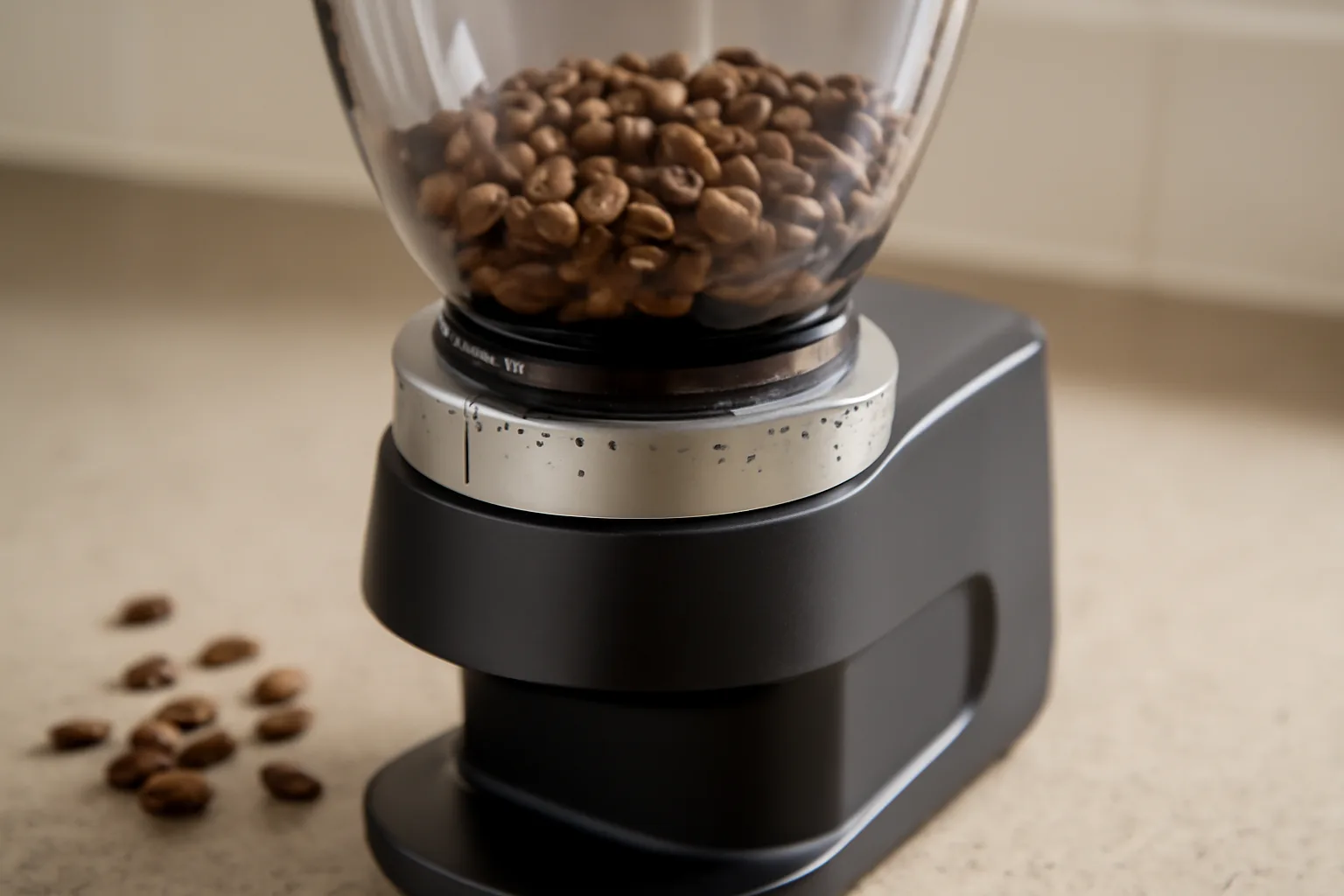
The grinder espresso vs filter choice gets easier once you ignore the spec-sheet noise. Burr size, motor power and brand reputation all matter, but four features decide how the grinder feels in daily use.
Adjustment Range and Repeatability
A dual-purpose grinder needs to go fine enough for espresso and coarse enough for filter, but it also needs to return to old settings without guesswork. This is where many grinders become annoying.
- Stepless dials are best for espresso but can be vague when returning from filter.
- Stepped dials are easier for filter and repeat settings, but the steps may be too wide for espresso.
- Large numbered collars are the easiest to live with if you switch often.
If you buy a stepless grinder, keep a note on your phone for espresso, V60, AeroPress and cafetiere settings. It sounds fussy. It saves coffee.
Retention
Retention is the coffee left inside the grinder after grinding. With espresso, even a gram of stale retained coffee is noticeable. With filter, it is less brutal, but it still matters if you switch beans.
Single-dose grinders such as the Niche Zero and DF64 are popular because they are built around low retention. You weigh the beans, grind them, then move on. Hopper grinders are quicker when you use one coffee all week, but they are worse for switching between espresso and filter.
The Specialty Coffee Association’s coffee standards are useful background if you want to understand why grind uniformity and extraction sit so closely together.
Burr Style
Flat burrs often give a cleaner, clearer cup. Conical burrs tend to feel more forgiving and rounded. That is a broad rule, not a law, but it helps when choosing between common home grinders.
- Flat burrs: DF64, Eureka Mignon, Fellow Ode. Good clarity, often strong for filter and modern espresso.
- Conical burrs: Niche Zero, Baratza Encore ESP, Wilfa Svart. More forgiving, often easier to use at home.
If you want the nerdy version, our Niche Zero vs DF64 vs Eureka Mignon comparison goes deeper into the differences.
Mess, Noise and Counter Space
This is where spec-led advice often falls down. A grinder can look perfect on paper and still be irritating in a UK kitchen. Static, clumps, loud motors, awkward catch cups and a huge footprint all matter when the grinder lives beside a kettle and toaster.
If you are already tight for space, one better grinder is usually smarter than two average grinders. If you have room for a small filter grinder beside the espresso setup, two machines can make the morning routine calmer.
When One Grinder Makes Sense
One grinder makes sense when you care about both espresso and filter, but one method clearly dominates. It also makes sense if you single-dose and do not mind a bit of dialling-in.
The best one-grinder setup is not a hopper full of beans. It is a single-dose routine: weigh 18g for espresso, grind, brush or bellows if needed, then later weigh 15-30g for filter and move the dial. That workflow keeps beans fresher and reduces cross-contamination.
Good Signs You Can Live with One Grinder
- You mostly drink one style. Espresso on weekdays and filter at weekends is fine.
- You single-dose already. Switching settings will not feel like a strange extra step.
- You are happy keeping notes. Returning to old settings takes a system.
- Counter space is limited. A single Niche Zero is easier to justify than two bulky machines.
For most people in this camp, the Niche Zero is still the easiest recommendation. It is not cheap, but it is low-retention, pleasant to use, easy to clean and strong for home espresso. The DF64 gives you flat-burr flexibility for less money, but the workflow can feel less polished.
When Two Grinders Are the Better Answer
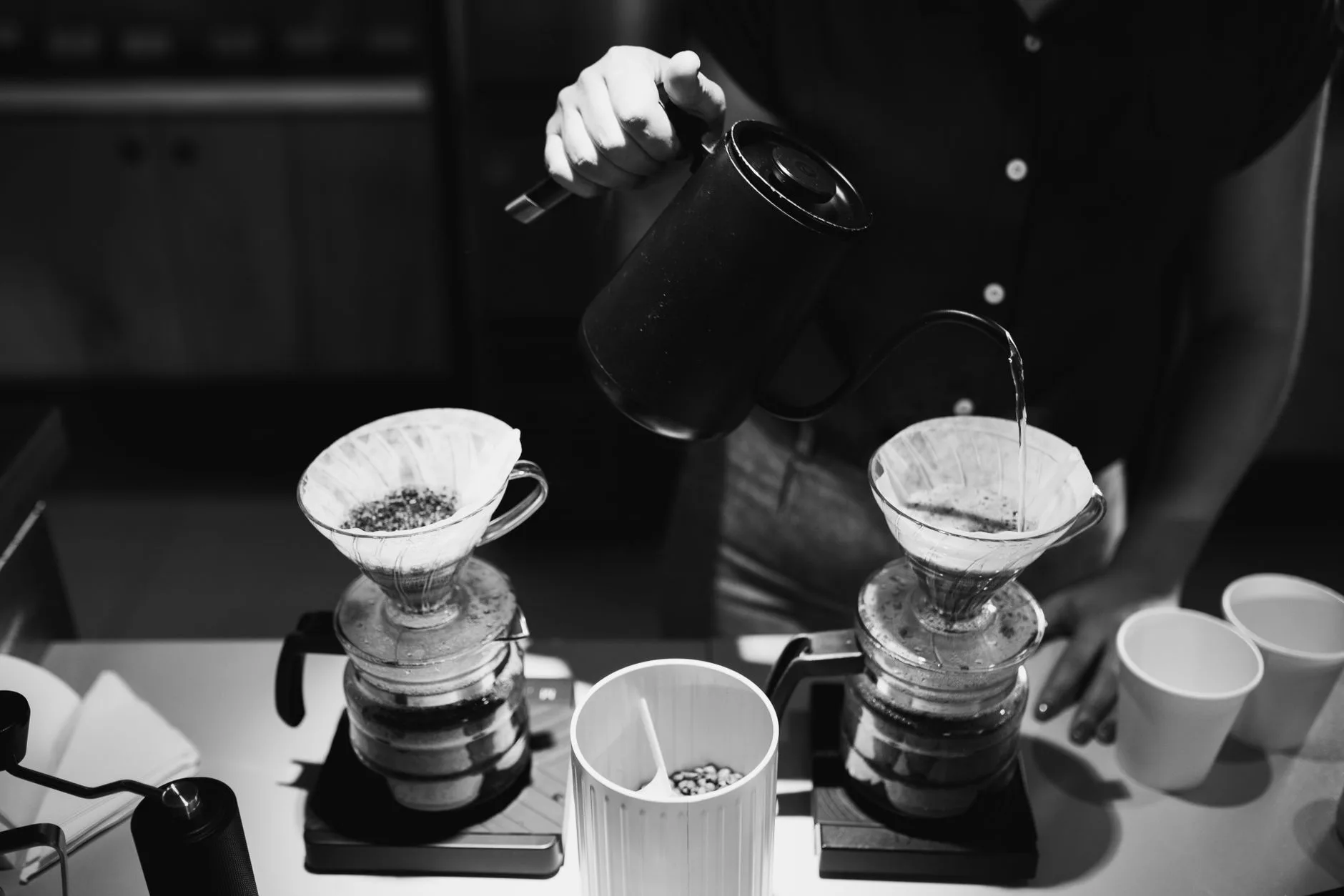
Two grinders are not just for people with expensive machines and too much counter space. They make sense when espresso and filter are both part of the daily routine.
The biggest benefit is that each grinder stays dialled in. Your espresso grinder can sit exactly where the beans need it. Your filter grinder can stay on a V60 or batch brew setting. No purging. No notes. No annoying moment where yesterday’s cafetiere setting ruins the first espresso of the morning.
Good Signs You Should Buy Two
- You make espresso and filter every day. Constant switching gets old fast.
- More than one person uses the setup. Shared grinders invite lost settings.
- You keep decaf or different beans open. Two grinders reduce stale cross-over.
- You care about best results from both methods. A specialist grinder wins in its own lane.
You do not need to spend equally on both. Put the larger budget into the espresso grinder. A Niche Zero, Eureka Mignon Specialita or DF64 paired with a Wilfa Svart or Baratza Encore is a sensible UK setup. If filter is your priority, spend more on something like a Fellow Ode Gen 2 and choose a modest espresso-capable grinder only if you really need it.
The UK Grinders I Would Shortlist
These are the grinders I would actually put on a UK shortlist, with the usual caveat that prices move around during sales.
Best Single Grinder: Niche Zero
The Niche Zero is the one I would buy if I wanted one grinder for espresso and filter in a normal home kitchen. It is quiet by grinder standards, easy to clean, low-retention and forgiving. The downside is price, usually around £500 once current UK pricing and delivery are considered, and filter fans may prefer the cleaner profile of a flat-burr grinder.
It suits someone who mainly drinks espresso but wants good V60, AeroPress or cafetiere coffee without buying a second grinder.
Best Value Dual-Purpose: Baratza Encore ESP
The Baratza Encore ESP is the budget-friendly answer, usually around £180-£220 from UK coffee retailers. It has espresso-focused fine steps at one end and broader filter settings at the other. It will not give the same control as a Niche or Eureka on a demanding espresso machine, but it is a strong pick for Sage Bambino-style home setups and mixed brewing.
Best Flat-Burr Option: DF64
The DF64 is attractive because it gives you large flat burrs, single dosing and a lot of upgrade room for roughly mid-range money. It can make very good espresso and very good filter. The trade-off is polish. Depending on version and retailer, the chute, declumper and adjustment feel may need more patience than the Niche.
Best Espresso-First Option: Eureka Mignon Specialita
The Eureka Mignon Specialita is a lovely compact espresso grinder, often around £350-£450 in the UK. It is quiet, solid and precise. I would not buy it as my main filter grinder. The adjustment dial is brilliant for small espresso changes but irritating if you keep moving from fine espresso to coarse filter and back again.
Best Filter Partner: Wilfa Svart or Baratza Encore
If you already own an espresso grinder, the Wilfa Svart and standard Baratza Encore both make sense as dedicated filter partners. They are easy to use, widely sold in the UK and cheap enough that they do not turn a two-grinder setup into madness. For more budget context, see our guide on how much to spend on a coffee grinder.
Best Manual Option: 1Zpresso JX-Pro
A good manual grinder can cover espresso and filter for less money, and the 1Zpresso JX-Pro is the obvious example. It is capable, compact and good value. The catch is effort. Grinding fine for espresso by hand is not charming when you are late and the kitchen is already chaos. Our manual vs electric grinder guide covers that trade-off properly.
How to Live with One Grinder Without Hating It
If you choose one grinder for espresso and filter, set up a repeatable routine from day one. The grinder is not the problem; vague switching is the problem.
- Write down settings. Keep a note for espresso, V60, AeroPress, cafetiere and cold brew.
- Purge after large changes. A few grams clears the chamber and avoids stale fines in the next brew.
- Use the same dose while dialling in. Changing dose and grind at the same time makes troubleshooting harder.
- Brush the chute often. Retained fines build up faster when you move between very fine and much coarser settings.
- Accept the first brew may need adjustment. One-grinder life involves a bit of tinkering.
Static can also make a good grinder feel worse than it is. A tiny mist of water on the beans before grinding can reduce mess, but do it lightly. You are not washing the beans. Our guide to reducing static in your coffee grinder explains the method and the risks.
Maintenance and Burr Care
A grinder used for both espresso and filter needs more attention than one that sits at the same setting all week. Fine espresso grounds, oily darker roasts and repeated adjustment all create build-up.
- Brush burrs monthly if you use the grinder daily.
- Deep-clean every 1-2 months if you switch beans or use darker roasts.
- Check the chute when output starts looking clumpy or uneven.
- Avoid steam and splashes if the grinder sits beside the kettle or machine.
- Replace burrs only when needed. Most home users get years from a decent set.
If the grinder suddenly needs a much finer setting than usual, do not assume the beans are at fault. Old fines in the chamber, loose burr seating or a dirty chute can all shift the result.
Bottom Line
For grinder espresso vs filter buying, start with your routine rather than the burr chart. If espresso is your daily drink and filter is occasional, buy one strong single-dose grinder and learn its settings. The Niche Zero is the easiest premium answer; the DF64 is the better flat-burr tinkerer choice; the Baratza Encore ESP is the sensible budget compromise.
If espresso and filter both happen every day, two grinders are the cleaner answer. Spend properly on the espresso grinder, then add a simpler filter grinder. It costs more upfront, but it avoids the thing that ruins most mixed setups: constant re-dialling when you just wanted a coffee.
Frequently Asked Questions
Can I use a filter coffee grinder for espresso? Usually no. Most filter grinders cannot grind fine enough or adjust precisely enough for proper espresso. The Baratza Encore ESP is one of the few budget grinders built to cover both, but a dedicated espresso grinder is better for serious machines.
Is one grinder enough for espresso and filter? One grinder is enough if you switch occasionally and single-dose. If you make both every day, two grinders are easier to live with because each one stays dialled in.
What is the best single grinder for espresso and filter? For most UK homes, the Niche Zero is the safest premium pick. It is low-retention, easy to clean and good for espresso while still handling filter well.
Should I buy flat burrs or conical burrs? Choose flat burrs if you want clarity and enjoy tweaking. Choose conical burrs if you want a more forgiving home workflow. Burr quality and grinder design matter more than the label alone.
Do manual grinders work for both espresso and filter? Good manual grinders can work very well for both, especially models from 1Zpresso. The problem is effort. Hand-grinding for espresso every morning gets tiring quickly.