A coffee machine running cost UK households can actually feel on the bill is usually small: roughly 1p to 8p in electricity per drink for most pod, espresso and bean-to-cup machines. The bigger costs are beans, pods, milk, filters and cleaning. If you already own the machine, the honest answer is that your daily latte habit is more likely to be shaped by coffee and milk prices than by the wall socket.
In This Article
- Coffee Machine Running Cost UK: Quick Answer
- What A Coffee Machine Actually Uses Electricity For
- Running Costs By Machine Type
- The Costs People Forget
- How To Keep The Cost Down Without Spoiling The Coffee
- Should Running Cost Change What You Buy?
- Bottom Line
- Frequently Asked Questions
Coffee Machine Running Cost UK: Quick Answer
For electricity alone, a typical home coffee machine costs pennies per drink. Using Ofgem’s 1 July to 30 September 2026 average Direct Debit electricity unit rate of 26.11p per kWh, even a 1,600W espresso machine does not cost 41.8p every time you turn it on. It only draws peak power while heating, steaming or pumping.
A sensible everyday estimate looks like this:
- Pod machine: about 1p to 3p electricity per drink, before pods.
- Manual espresso machine: about 3p to 8p electricity per drink, depending on warm-up and milk steaming.
- Bean-to-cup machine: about 4p to 10p electricity per drink, because grinding, heating and rinsing all add up.
- Filter coffee machine: about 4p to 15p per brew cycle, spread across the cups you pour.
Those numbers assume normal home use, not a machine left hot for half the morning. A Sage Bambino Plus, for example, is rated at 1,300-1,600W in the Sage user guide, but its fast heat-up means the high draw is brief. A De’Longhi Magnifica Evo is rated at 1,450W on De’Longhi’s product specs, yet a single drink does not use 1.45kWh unless something has gone badly wrong.
The simple calculation
The formula is:
Watts divided by 1,000 x hours used x electricity price per kWh = cost.
So if a machine averages the equivalent of 1,200W for four minutes:
- 1.2kW x 0.067 hours: about 0.08kWh.
- 0.08kWh x 26.11p: about 2.1p.
That is why headline wattage can mislead. The sticker tells you peak appetite, not total meal size. A kettle is rated high too, but nobody assumes it runs flat out for an hour to make tea.
What matters more than watts
The biggest swing factors are warm-up time, milk steaming, standby behaviour and how many drinks you make in one session. Two flat whites made back-to-back are cheaper per drink than one lonely cappuccino because you only heat the machine once.
We have found the same thing with small espresso machines at home: the expensive-feeling part is not the short brew cycle, it is the habit around it. If you turn the machine on, wander off, steam too much milk, flush water repeatedly and then descale late because the warning light has become part of the furniture, costs creep up quietly.
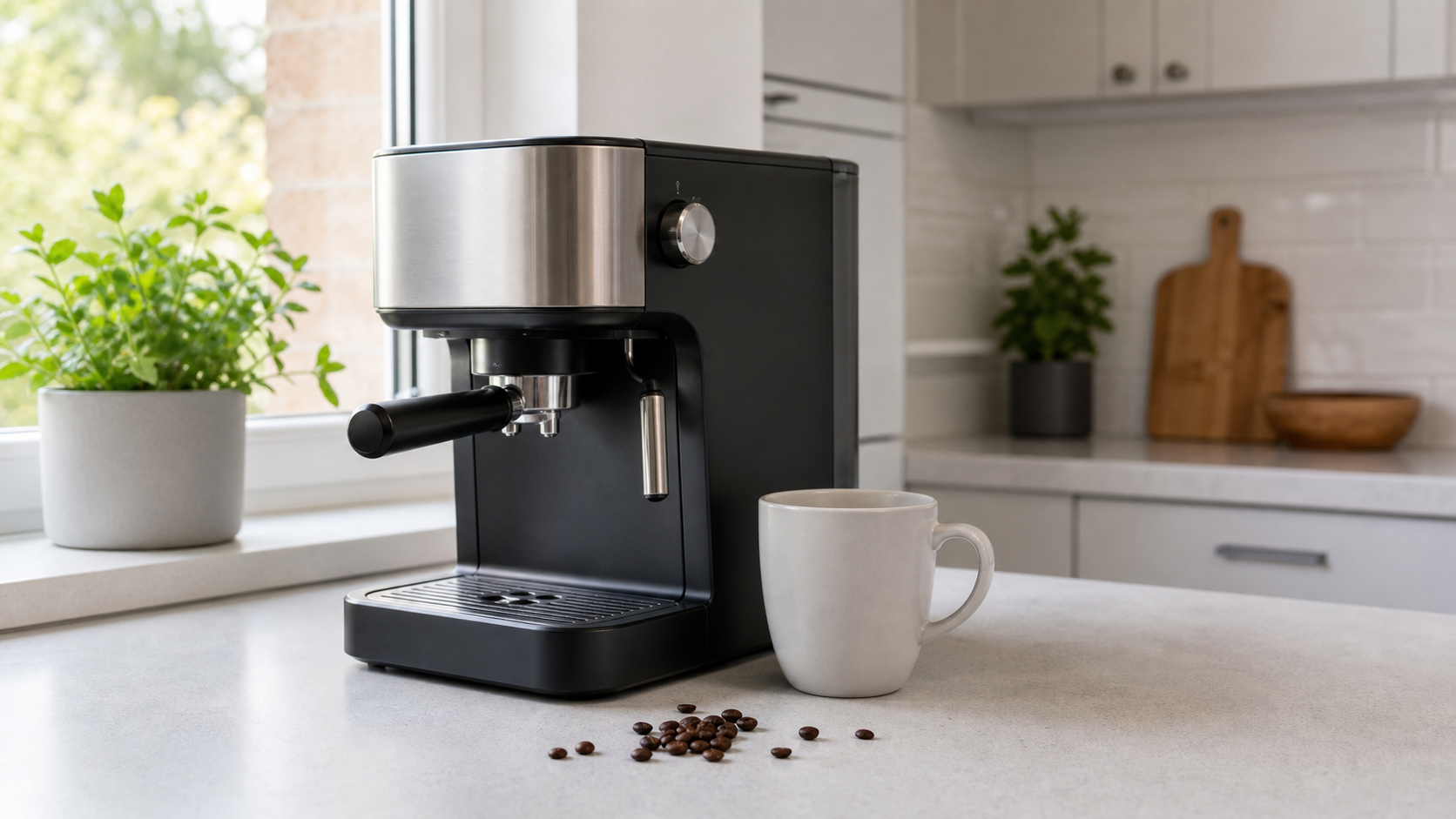
What A Coffee Machine Actually Uses Electricity For
Coffee machines do not use energy evenly. They spike, pause, spike again, then sit at a lower draw or switch off. Once you know those phases, you get a better answer than comparing two wattage labels in Currys.
Heating water
Heating is the big draw. Pod machines heat a small amount of water quickly. Thermoblock espresso machines, such as the Sage Bambino Plus at about £399 from Currys or Sage UK, heat fast and avoid keeping a large boiler hot. Traditional single-boiler machines can take longer to warm through, especially if you want stable temperature before pulling a shot.
If you make one espresso, switch off, and leave, the cost stays low. If you leave a bigger machine hot while you answer emails, the standing heat loss is where waste appears.
Pumping water through coffee
The pump itself is not the main cost. It runs for seconds, not minutes. A pod machine, manual espresso machine and bean-to-cup machine all use pressure differently, but the pump phase is too short to dominate the bill.
If you are trying to improve coffee quality, obsessing over pump power is the wrong rabbit hole. Our guide to coffee machine pressure explains why the 15-bar badge is mostly a pump rating, not a running-cost warning.
Steaming milk
Milk steaming is the sleeper cost. It asks the machine to heat water into steam and keep enough thermal headroom to texture milk. A black Americano can be very cheap. A latte, cappuccino or flat white uses more electricity and more milk.
That does not mean you should stop making milk drinks. It just means a couple drinking four lattes each morning will see higher running costs than someone making one espresso before work. At current supermarket prices, the milk is still usually the bigger item: a four-pint bottle of semi-skimmed is often around £1.55-£1.70, and a 200ml latte portion is roughly 14p-15p before the coffee.
Standby and auto-off
Modern machines are much better here than older kit. Nespresso says the Vertuo Next is rated at 1,260W and has auto-off after two minutes of non-use. That matters, because forgetful use is where running costs become less predictable.
If a machine has a proper auto-off, leave it enabled. If it has an eco mode buried in the menu, use it. Disabling eco mode because the machine wakes a little faster is the kind of tiny convenience that costs money for no flavour gain.
Running Costs By Machine Type
Machine type matters, but not always in the way buyers expect. The lowest electricity cost is not always the lowest overall cost.
Pod machines
Pod machines are usually cheap to run electrically because they heat small water volumes and turn off quickly. Expect about 1p to 3p electricity per coffee for normal use.
The pod is the real cost. Nespresso Vertuo pods often sit around 45p-75p each, depending on size and range. Supermarket-compatible capsules for original-style machines can be lower, often 20p-35p each from Aldi, Lidl, Sainsbury’s or Amazon UK multi-packs. If you drink two coffees a day, that difference is not small over a year.
Pod machines make sense if you value convenience, low mess and consistent black coffee. They make less sense if you want cheap milk drinks every day. Add an Aeroccino-style frother, milk, descaler and branded pods, and the gap to a bean-to-cup machine narrows.
Manual espresso machines
Manual espresso machines vary more. A compact thermoblock machine such as a Sage Bambino or Bambino Plus heats quickly and can be frugal if you make drinks in one short session. A Gaggia Classic E24, often around £499-£519 in UK specialist coffee shops, may reward a longer warm-up for better stability, especially if you are chasing repeatable espresso.
Electricity is still only part of the story. You also need beans, a grinder, cleaning tablets and descaler. A sensible home espresso setup might look like:
- Machine: £300-£500 for a serious entry-level choice.
- Grinder: £100-£200 for a capable starter electric grinder, or more if you want espresso consistency.
- Beans: roughly £8-£12 for 250g from UK roasters, or lower for supermarket beans.
- Cleaning: about £6-£12 for tablets or descaler, depending on brand.
If you already have the kit, a double espresso using 18g of beans from a £10 250g bag costs about 72p in coffee before electricity. Use £6 supermarket beans and it is about 43p. That difference dwarfs the 3p-8p electricity estimate.
Bean-to-cup machines
Bean-to-cup machines are convenient but mechanically busier. They grind, dose, tamp internally, brew, rinse and sometimes run automatic milk cleaning. A De’Longhi Magnifica Evo is around £529.99 at Currys at the time of checking, while models in the same family can dip below £400 during promotions.
The per-drink electricity cost is still modest, often around 4p-10p, but bean-to-cup machines can waste water through rinse cycles. If yours rinses at start-up and shut-down, making two drinks together is better than running two separate sessions.
Owners consistently report that the cleaning rhythm matters more than the electricity. Ignore milk-system cleaning and the machine becomes unpleasant quickly. Use the manufacturer’s cleaning fluid every week and the bill rises, but so does the chance that the machine keeps working properly.
Filter coffee machines
Filter machines look boring on paper and quietly make sense for households drinking several mugs. A basic Russell Hobbs or Melitta-style filter machine can cost £25-£80 from Argos, Amazon UK or John Lewis. A Moccamaster is closer to £220-£250, but it is built for people who care about brew temperature and longevity.
Electricity per brew can be around 4p-15p, depending on batch size and hotplate time. The hotplate is the trap. Brew a full jug, leave it cooking for an hour, and you pay more while making the coffee taste worse. Use an insulated jug or pour into a flask if you are not drinking it quickly.
For buying context, our bean-to-cup vs espresso machine comparison is useful if you are choosing between convenience and control, while the coffee machine lifespan guide gives a better view of long-term value than electricity cost alone.
The Costs People Forget
Electricity is easy to calculate because it has a unit price. The awkward costs are consumables and neglect.
Descaler and cleaning tablets
Hard-water areas change the maths. In much of southern and eastern England, limescale builds quickly. Descaler might cost £5-£12 per bottle or pack. Sage cleaning tablets are commonly around £10-£15 for a pack, while Eazee2Clean or generic descaling tablets can be closer to £5-£8 from Currys, Amazon UK or Lakeland.
Skipping descaling does not save money if it shortens the machine’s life. It also makes coffee worse: slower flow, lower temperature and odd noises are usually the machine asking for help, not developing character.
If you are not sure what the warning lights mean, start with our guide on common espresso problems before buying random accessories.
Water filters
Some machines take replaceable water filters. De’Longhi DLSC002 filters are often around £8-£12 each. Sage ClaroSwiss filters are typically around £14-£18 each. Depending on water hardness and usage, you might replace them every two or three months.
Are they worth it? Sometimes. In a hard-water area, a filter can reduce scale and improve taste. In a soft-water area, the value is less obvious. Our guide to coffee machine water filters goes deeper on when they are useful.
Beans, pods and milk
This is where the annual bill lives. Two coffees a day at 60p of beans or pods is about £438 a year before milk and electricity. Two coffees a day at £1.10 all-in is about £803 a year. That is the number worth caring about.
The sweet spot for many UK homes is not the cheapest possible coffee. It is a bag you like, bought fresh enough, used before it goes stale. A £10 bag wasted because it sat open for six weeks is worse value than a £7 bag finished in a fortnight.
For a practical buying filter, read how to choose coffee beans for your machine and how to keep beans fresh. Freshness saves money because fewer cups get poured down the sink.
Repairs and replacement parts
A £70 pod machine that lasts three years costs about £23 a year before pods. A £450 espresso machine that lasts eight years costs about £56 a year before grinder, maintenance and coffee. That does not make the pod machine better; it just shows why purchase price belongs in the running-cost conversation.
Replacement parts vary. A group gasket might be £5-£12. A new portafilter basket can be £8-£25. A bean-to-cup milk carafe can be much more painful, often £35-£70 depending on model. If a machine uses proprietary parts, check availability before buying.
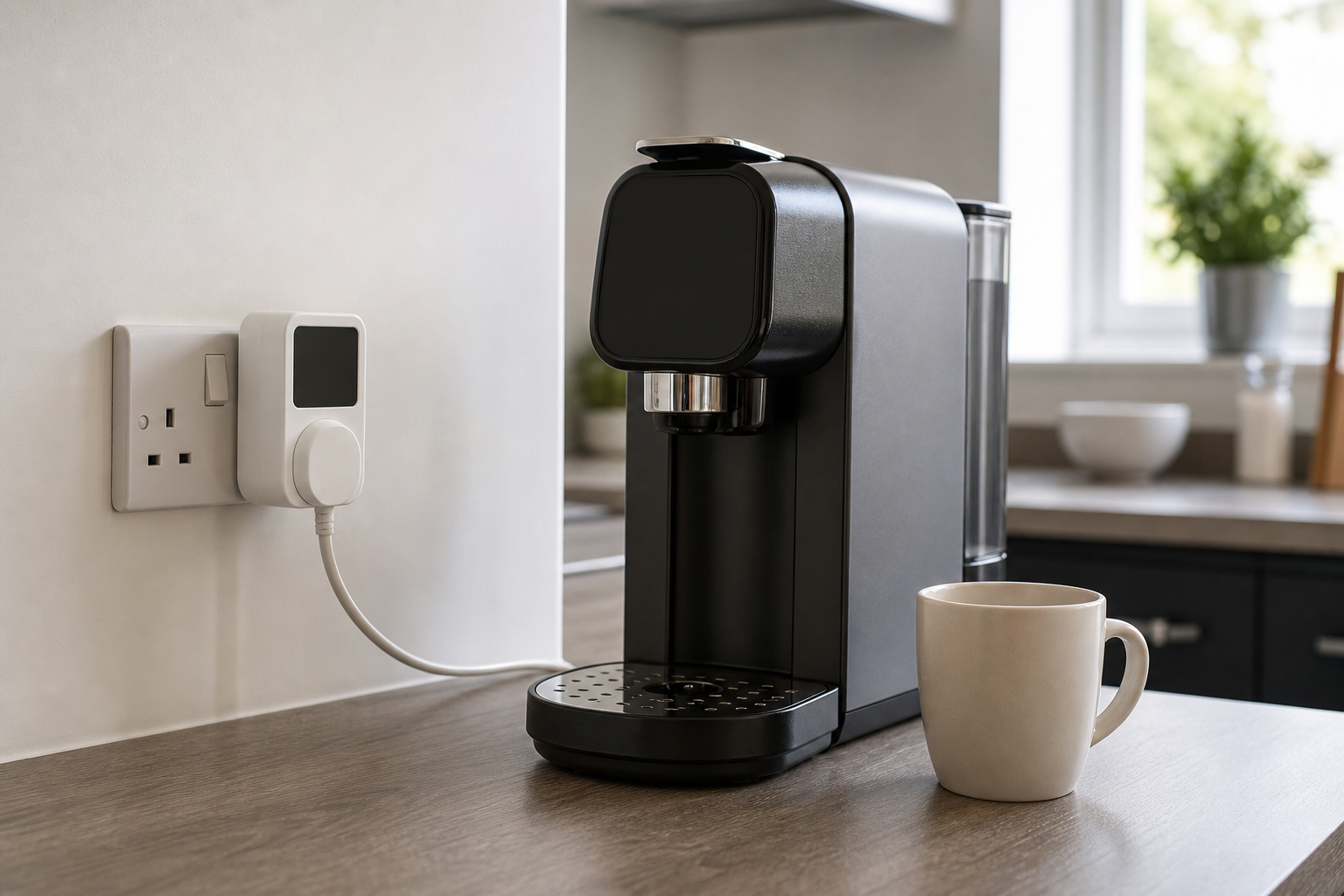
How To Keep The Cost Down Without Spoiling The Coffee
Cutting coffee costs should not mean drinking joyless brown water. The best savings are boring habits repeated every day.
Make drinks in one session
If two people want coffee, make both drinks while the machine is hot. This reduces warm-up waste and usually produces more consistent shots. It also stops the machine doing repeated rinse cycles if you use a bean-to-cup model.
Use the right amount of milk
Most home lattes use too much milk. If your cup is huge, you pay for milk, steam time and weaker coffee. Try 150ml-180ml for a flat white-style drink and 200ml-230ml for a larger latte. The drink often tastes better because the coffee is not drowned.
Turn off hotplates and idle heat
Filter-machine hotplates are good at making coffee taste tired. If your machine has a timer, set a short one. Better still, choose a thermal carafe if you brew batches. It costs more upfront, but it avoids paying to stew the coffee.
Descale on schedule
This sounds like spending, but it is maintenance rather than luxury. A £7 descaler every month or two in a hard-water area is cheaper than replacing a blocked machine. Follow the manufacturer cycle rather than pouring vinegar through everything and hoping for the best. Some machines tolerate it; others do not.
Buy coffee in sensible quantities
Buying a kilo bag can be cheaper per gram, but only if you finish it while it is still good. For one espresso drinker, 250g bags are often better. For a household making several drinks daily, 1kg from a roaster or Costco-style deal can make sense.
Based on normal home use, the biggest no-regret savings are:
- Make drinks together: one warm-up, fewer rinse cycles.
- Keep eco mode on: tiny inconvenience, real prevention of idle waste.
- Steam less milk: better flavour and lower cost.
- Descale before problems appear: cheaper than repairs.
- Buy beans you will finish: stale coffee is expensive coffee.
Should Running Cost Change What You Buy?
It should influence the decision, but it should not dominate it. A machine that makes coffee you actually enjoy is better value than a cheap-to-run machine you stop using after two months.
If you drink black coffee
A pod machine or filter machine can be very cheap and easy. Pod running costs depend on capsule price; filter running costs depend on batch size and how much brewed coffee gets wasted. For two or more mugs at a time, filter is hard to beat.
If you drink milk drinks
Look at milk workflow and cleaning. A Sage Bambino Plus at around £399 is quick and compact, with automatic milk texturing that suits people who want good milk drinks without practising steam technique every morning. A bean-to-cup machine around £400-£700 suits convenience, but check milk cleaning before buying. If the carafe is a faff, it will sit unused.
If you care about long-term value
Buy the machine you can maintain. Replaceable parts, available filters, clear descaling instructions and a decent warranty matter. A cheaper machine with no parts support can be false economy.
My preference for most UK homes would be:
- Lowest faff: pod machine, accepting the pod cost.
- Best milk-drink balance: Sage Bambino Plus or similar fast-heating manual espresso machine.
- Best convenience for several users: De’Longhi Magnifica-style bean-to-cup, if everyone likes the same kind of coffee.
- Best cost per mug: filter machine with a thermal jug.
That is the practical answer. The cheapest electricity option is not automatically the best household option.
Bottom Line
A home coffee machine usually costs pennies per drink in electricity. At the current Ofgem electricity unit rate, the coffee machine running cost UK buyers should worry about is rarely the wattage on the box. Beans, pods, milk, water filters, descaler and machine lifespan matter more.
If you want the lowest total cost, use a filter machine or a simple espresso setup with sensibly priced beans. If you want convenience, accept that pod and bean-to-cup systems charge you through capsules, filters and cleaning consumables rather than electricity. The best saving is simple: buy a machine you will use properly, switch it off when you are done, and maintain it before it starts sulking.
Frequently Asked Questions
How much electricity does a coffee machine use per cup? Most home coffee machines use roughly 0.04kWh to 0.30kWh per drink session, depending on machine type, warm-up and milk steaming. At 26.11p per kWh, that is about 1p to 8p for many everyday drinks.
Is a pod coffee machine cheaper to run than an espresso machine? It is often cheaper for electricity, but not always cheaper overall. Pods commonly cost 20p to 75p each, while espresso beans might cost 40p to 75p per double shot depending on the bag price.
Does a 1,600W coffee machine cost a lot to run? Not if it heats quickly. A 1,600W rating means peak draw, not hour-long use. If the machine runs hard for only a few minutes, the actual cost can still be just a few pence.
Should I unplug my coffee machine after every use? If the machine has a proper auto-off or eco mode, using that is usually enough. Unplugging is sensible for long periods away, but the bigger saving is not leaving older machines hot and idle.
What is the cheapest type of coffee machine to run? For several mugs at once, a filter machine with a thermal jug is usually the cheapest overall. For single cups, a pod machine can be cheap on electricity but the capsule cost often overtakes the energy saving.
Do water filters reduce coffee machine running costs? They add a regular cost, often £8-£18 per filter, but can reduce scale in hard-water areas and help the machine last longer. In soft-water areas, the value is less clear.