You want better coffee at home — the pod machine isn’t cutting it anymore — and now you’re stuck between two options that seem to do the same thing. Bean-to-cup machines promise fresh espresso at the push of a button. Traditional espresso machines promise “real” espresso with hands-on control. Both cost serious money. Both grind beans and produce espresso. So what’s the actual difference, and which one matches how you actually want to make coffee at 6:30am before your brain is fully online?
In This Article
- The Fundamental Difference
- Bean-to-Cup: How They Work
- Espresso Machines: How They Work
- Taste and Coffee Quality
- Convenience and Speed
- Milk Drinks Compared
- Maintenance and Cleaning
- Cost Comparison
- Which Is Right for You
- Frequently Asked Questions
The Fundamental Difference
A bean-to-cup machine does everything automatically — grinding, tamping, brewing, and often milk frothing — in one self-contained unit at the push of a button. A traditional espresso machine gives you manual control over each variable (grind size via a separate grinder, dose, tamp pressure, extraction time) and requires active involvement in every shot.
The Trade-Off in One Sentence
Bean-to-cup: consistency and convenience at the cost of customisation and peak quality. Espresso machine: higher potential quality and full control at the cost of time, skill, and effort.
Neither is objectively “better” — they serve different people with different priorities. I’ve used both daily (a De’Longhi Magnifica at work, a Sage Barista Express at home) and each has genuine strengths the other can’t match.
Bean-to-Cup: How They Work
The Process
- Beans sit in an integrated hopper on top
- Press a button — the machine grinds a dose of beans internally
- An internal brew group tamps and brews the espresso automatically
- Water is heated and pushed through the grounds at ~9 bar pressure
- Espresso flows into your cup
- Used grounds are ejected into an internal waste container
- (Optional) An integrated milk system froths and pours milk automatically
Total time: 40-60 seconds from button press to finished drink. Total effort: pressing one or two buttons.
What You Can Control
Most bean-to-cup machines let you adjust:
- Grind fineness — usually a dial with 5-15 settings
- Coffee strength — how much coffee per shot (dose)
- Cup volume — how much water passes through
- Milk foam density — on machines with automatic milk systems
- Temperature — on mid-range and above models
What You Can’t Control
- Grind quality — integrated grinders are typically lower quality than standalone burr grinders
- Tamping pressure — automated, not adjustable
- Pre-infusion — only available on premium models (£800+)
- Flow rate — fixed by the machine
- Exact extraction time — determined by the machine’s programming
Espresso Machines: How They Work
The Process
- Grind beans in a separate burr grinder (or integrated grinder on combo machines like the Sage Barista Express)
- Dose the ground coffee into a portafilter (the metal basket with a handle)
- Distribute the grounds evenly and tamp with consistent pressure (~15kg)
- Lock the portafilter into the group head on the machine
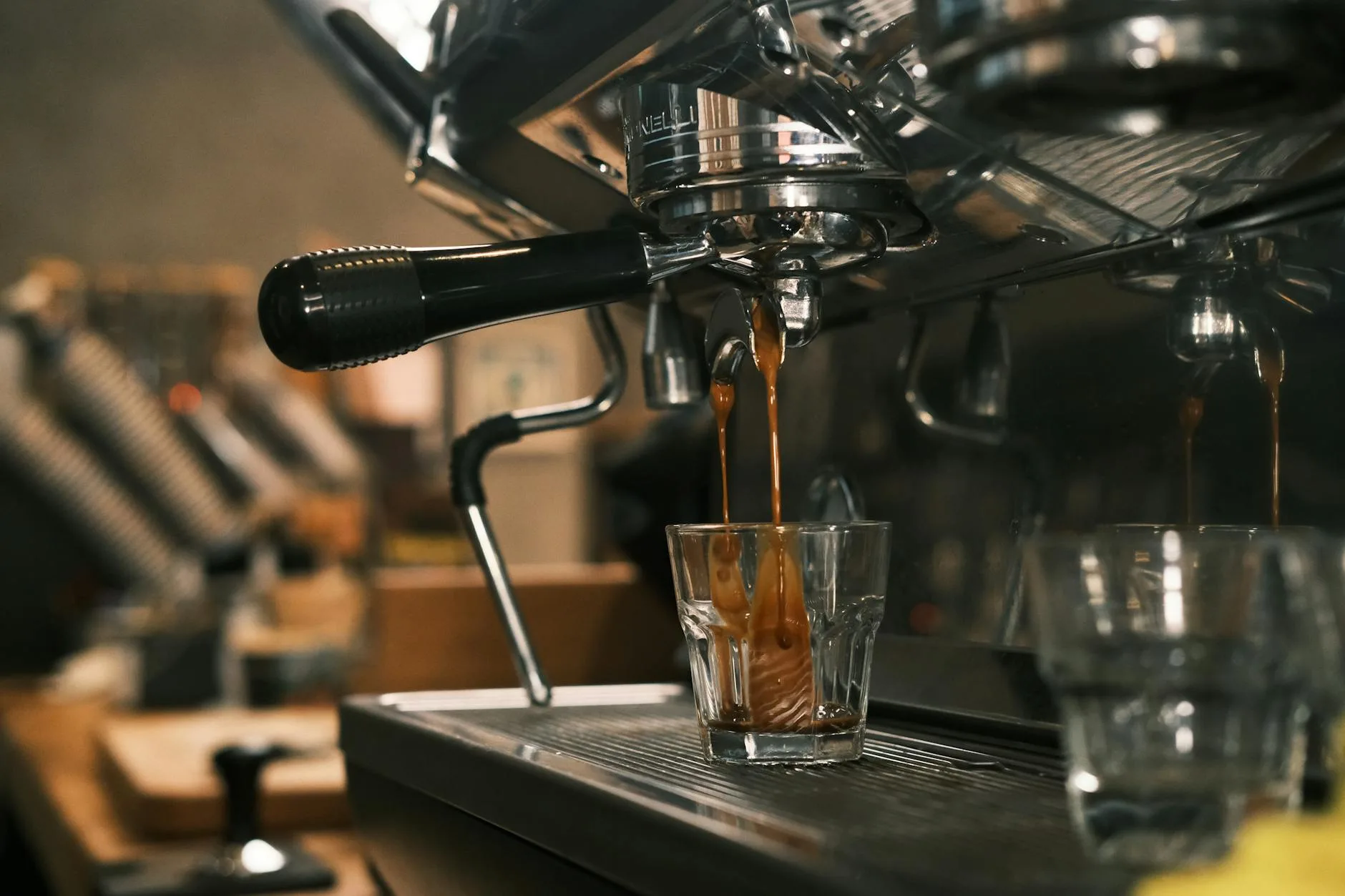
- Start the extraction — water at ~93°C passes through grounds at 9 bar for 25-30 seconds
- Watch the shot pour, timing it, adjusting variables if needed
- Steam milk separately using the steam wand (if making a latte/flat white)
- Clean the portafilter, knock out the puck, rinse
Total time: 3-5 minutes including milk steaming. Total effort: moderate to high, with a learning curve of 2-4 weeks.
What You Can Control
Everything:
- Grind size — infinite adjustment on a quality grinder
- Dose — exact grams of coffee (most use 18-20g for a double)
- Tamp pressure and distribution — manual technique
- Water temperature — PID-controlled on mid-range machines
- Pre-infusion time — on machines with this feature
- Extraction time — you start and stop (or the machine times it)
- Milk texture — complete control via steam wand technique
The Learning Curve
This is the part nobody mentions in product descriptions. A traditional espresso machine requires:
- Learning to “dial in” a new bag of beans (first 2-3 shots are experiments)
- Developing tamp technique (consistent pressure and level surface)
- Understanding how grind, dose, and time interact (change one, others shift)
- Steam wand technique for microfoam (takes 50+ attempts to master)
It took me about three weeks of daily use before I was consistently pulling shots I was proud of. Before that, a fair amount went down the sink. If this learning process sounds fun to you — it probably is the right choice. If it sounds like a chore, bean-to-cup is calling. For a deeper dive into getting the mechanics right, check our guide to dialling in espresso.
Taste and Coffee Quality
Espresso Machine: Higher Ceiling
With a good espresso machine and grinder, properly dialled in, you can produce coffee that matches or exceeds what a decent high-street café serves. The manual control means you can optimise for each specific bean — lighter roasts extracted longer, darker roasts shorter — extracting exactly what you want.
Peak quality: truly outstanding espresso. Café-rival flat whites. Complex, nuanced shots.
Typical quality: good to excellent, once you’ve learned the basics.
Bad days: under-extracted sour shots or over-extracted bitter ones until you learn to troubleshoot.
Bean-to-Cup: Lower Ceiling, Higher Floor
A bean-to-cup machine produces good, consistent espresso every single time — but rarely exceptional. The automated process can’t micro-adjust for each bean the way a skilled human can. The integrated grinders produce less uniform particle sizes than standalone burr grinders, which limits extraction clarity.
Peak quality: very good espresso. Better than any high-street chain. But a noticeable step below a well-dialled manual machine.
Typical quality: good and consistent. Every cup tastes the same.
Bad days: rare. The machine produces the same result regardless of your mood or skill that morning.
The Grinder Factor
This is crucial. The quality gap between bean-to-cup and manual isn’t really about the brewing method — it’s about the grinder. A standalone burr grinder (even a £200 one) produces measurably better, more uniform grounds than the integrated grinder in a £1,000 bean-to-cup machine. Better grounds = better extraction = better-tasting coffee.
If you want to understand how grind quality affects the final cup, our coffee grind sizes guide covers the mechanics in detail.
Convenience and Speed
Bean-to-Cup: Unbeatable Convenience
- Morning routine: 40-60 seconds, one button press
- Before work rush: zero thought required, consistent results
- Multiple drinks for guests: press button, repeat
- Cleanup: machine auto-rinses, empty waste container every 10-15 drinks
This is the bean-to-cup’s killer advantage. At 6:30am, bleary-eyed, running late — you press a button and good coffee appears. No measuring, no timing, no technique, no cleanup. For households where multiple people drink coffee at different times throughout the day, this efficiency compounds.
Espresso Machine: A Ritual
- Morning routine: 4-5 minutes of active involvement
- Before work rush: stressful if you’re short on time
- Multiple drinks for guests: 4-5 minutes each, you’re the barista
- Cleanup: knock puck, rinse portafilter, wipe steam wand, backflush weekly
Many espresso machine owners genuinely enjoy this ritual — it’s a meditative start to the day. Others eventually resent it. Be honest with yourself about which camp you’ll land in after the novelty wears off (month 3-4, typically).
Milk Drinks Compared
Bean-to-Cup Milk Systems
Three types:
- Manual steam wand — same as an espresso machine, full control, requires skill (found on mid-range models like Sage Oracle Touch price point)
- Automatic milk carafe — a tube draws milk from a container, froths automatically. Good foam, not quite microfoam quality
- One-touch milk system — fully automated, press “latte” and it does everything. Convenient but produces decent rather than exceptional milk texture
For people who primarily drink milk-based coffee (lattes, flat whites, cappuccinos), the automatic milk system on a premium bean-to-cup is remarkably good. Not barista-quality, but 85% of the way there with zero effort.
Espresso Machine Steam Wands
A traditional steam wand gives you complete control over milk texture:
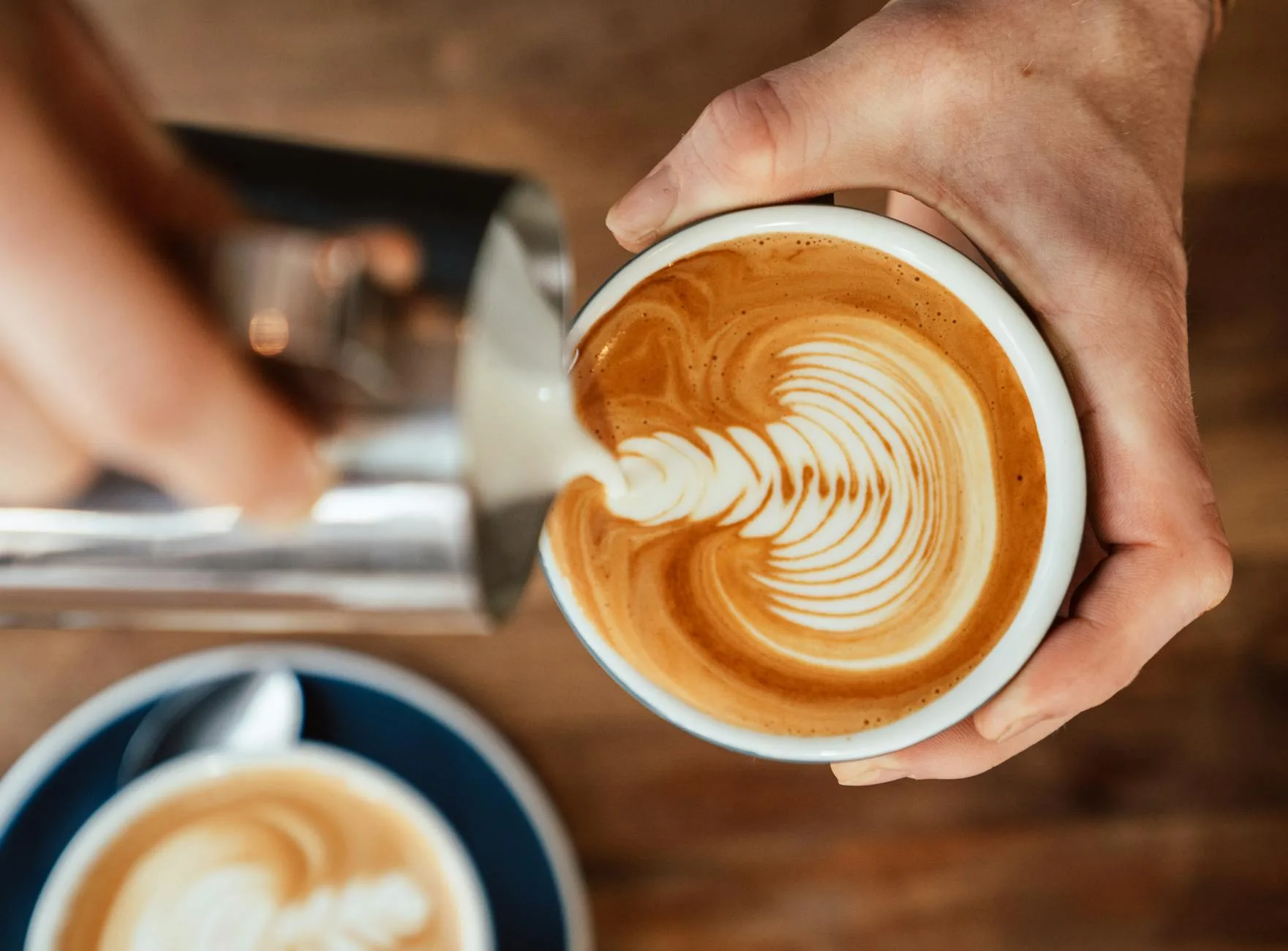
- Microfoam — silky, glossy, paint-like consistency for flat whites and latte art
- Drier foam — thick, airy foam for cappuccinos
- Super-heated milk — for those who like it extra hot
The learning curve is real — expect 50+ practice sessions before you’re consistently producing microfoam. Once mastered, the texture is noticeably better than any automated system. If latte art matters to you, a steam wand is the only way.
Maintenance and Cleaning
Bean-to-Cup: More Automation, More Internal Parts
Daily:
- Empty the drip tray and waste puck container
- Rinse the milk system (if automatic — skipping this creates bacteria buildup fast)
Weekly:
- Run the automatic cleaning cycle (most machines prompt you)
- Clean the brew group if removable (rinse under water, no soap)
Monthly:
- Descale (the machine will usually prompt)
- Deep clean the milk system with manufacturer’s cleaning solution
The catch: bean-to-cup machines have more internal parts that can fail. Brew groups, grinders, milk tubes, and sensors create more potential failure points. Repairs often require manufacturer servicing (£100-200+ per visit). For guidance on maintaining coffee equipment generally, our clean and maintain guide covers routines for all machine types.
Espresso Machine: Simpler Mechanically
Daily:
- Backflush with clean water (takes 30 seconds)
- Wipe the steam wand after every use (crucial — dried milk blocks the tip)
- Knock puck, rinse portafilter
Weekly:
- Backflush with cleaning detergent
- Soak portafilter and basket in cleaning solution
- Clean the shower screen
Monthly:
- Descale if not using filtered water
- Check and clean the group head gasket
The advantage: espresso machines are mechanically simpler. Fewer moving parts, fewer failure points. Most repairs (gasket replacement, shower screen cleaning) are DIY. Machines often last 10-20 years with basic maintenance.
Cost Comparison
Upfront Costs
Bean-to-cup:
- Budget: £250-400 (De’Longhi Magnifica, Melitta Solo)
- Mid-range: £500-800 (Sage Barista Touch, De’Longhi Eletta)
- Premium: £1,000-2,500 (Jura E8, Sage Oracle Touch)
Espresso machine + grinder:
- Budget: £300-500 total (Sage Bambino + budget grinder)
- Mid-range: £600-1,000 total (Sage Barista Express, or Gaggia Classic + Sage Smart Grinder)
- Premium: £1,000-3,000+ total (Lelit Bianca + Niche Zero type setup)
For a detailed breakdown of what to expect at each price, check our best bean-to-cup machines roundup and our espresso machines guide.
Ongoing Costs
Both use the same beans — so bean costs are identical (about £8-15 per 250g bag, lasting 15-30 drinks depending on dose).
Bean-to-cup extras: cleaning tablets (£10-15 for 6 months), descaler (£8-12 every 2-3 months), replacement parts infrequent but expensive when needed.
Espresso machine extras: cleaning detergent (£8-10 for 6 months), descaler, replacement gaskets every 1-2 years (£5-10 DIY), fresh coffee beans (same cost).
Cost Per Drink
Both: approximately 30-50p per espresso (depending on bean quality). Massively cheaper than the £3-4 you’d spend at a café.
Which Is Right for You
Buy a Bean-to-Cup If…
- Convenience is your top priority — you want great coffee with zero effort
- Multiple people in your household drink coffee at different times
- You don’t want a learning curve — you want good results from day one
- Morning time is precious — you can’t spare 5 minutes per coffee
- You drink 4-6+ cups daily (the consistency and speed matter more at high volume)
- You’re the only coffee drinker but hate faffing with equipment
- Counter space is limited (one machine vs machine + separate grinder)
Buy an Espresso Machine If…
- You want the best possible espresso and will invest time learning
- The ritual of making coffee is part of the enjoyment for you
- You care about latte art and microfoam milk texture
- You drink 1-3 cups daily (the ritual is sustainable at lower volume)
- You enjoy tweaking and optimising — adjusting variables brings satisfaction not frustration
- You want equipment that lasts 10-20 years with simple maintenance
- You value having a separate high-quality grinder you can also use for other brew methods
The Honest Middle Ground
The Sage Barista Express and Sage Barista Touch straddle both worlds — integrated grinders with manual espresso control. They’re a genuine compromise: more control than bean-to-cup, less faff than a full manual setup. Not the best at either extreme, but excellent for people who want hands-on involvement without committing to a separate grinder and full manual workflow.
Frequently Asked Questions
Is bean-to-cup coffee as good as espresso machine coffee? It’s very good — better than any high-street chain — but not quite as good as a properly dialled-in manual espresso setup. The difference comes down to grind quality: standalone burr grinders produce more uniform grounds than integrated bean-to-cup grinders, which translates to better extraction and more flavour clarity. For most people, the difference isn’t worth the extra effort.
How long do bean-to-cup machines last? Typically 5-8 years with daily use and proper maintenance (regular cleaning cycles, descaling, milk system care). Premium brands like Jura and Miele can last 10+ years. Espresso machines generally last longer (10-20 years) because they have fewer internal moving parts and most maintenance is external and DIY.
Can you make a flat white with a bean-to-cup machine? Yes — machines with automatic milk systems or manual steam wands can produce a flat white. Automatic systems give you decent microfoam (85% as good as a skilled barista). Machines with proper steam wands can match café quality once you develop the technique. If flat whites are your primary drink, prioritise a machine with a good milk system.
Do bean-to-cup machines need a separate grinder? No — the integrated grinder is the whole point. Adding a separate grinder defeats the convenience advantage. However, if you already own a quality burr grinder and want to maximise flavour from a bean-to-cup, some models have a ground coffee bypass chute that accepts pre-ground coffee from an external grinder.
What’s the best first espresso machine for a beginner? The Sage Bambino Plus (about £330-380) is the easiest entry point — automatic milk texturing, correct pressure, and a small footprint. Pair it with any budget burr grinder (Sage Smart Grinder Pro, or a hand grinder like the 1Zpresso JX) and you’ll pull properly good espresso from day one with a manageable learning curve.