You have just come back from a holiday in Istanbul and the coffee there ruined you. Thick, dark, aromatic, served in a tiny cup with a square of Turkish delight — and nothing you have tried since comes close. The pod machine at home feels like an insult. The espresso is fine but different. You want that coffee, the one from the copper pot on the side of the street, and you want it in your kitchen.
Turkish coffee is one of the oldest brewing methods in the world and one of the simplest. No filters, no pressure, no timer — just finely ground coffee, water, and a small pot called a cezve (also known as an ibrik). This turkish coffee guide walks through everything you need to make it properly at home, from the grind to the pour, including the details that separate a good cup from a muddy mess.
In This Article
- What Is Turkish Coffee?
- What You Need to Get Started
- Choosing the Right Coffee Beans
- The Grind: Finer Than Espresso
- How to Make Turkish Coffee: Step by Step
- Sugar and Spice: The Traditional Additions
- Common Mistakes and How to Avoid Them
- Serving Turkish Coffee Properly
- Best Cezve and Equipment for UK Buyers
- Turkish Coffee vs Espresso vs Filter
- Health Considerations
- Frequently Asked Questions
What Is Turkish Coffee?
A Brewing Method, Not a Bean
Turkish coffee refers to the preparation method, not a specific type of coffee bean. Extremely finely ground coffee is simmered (never boiled) in water inside a small long-handled pot called a cezve, then poured unfiltered into a cup. The grounds settle to the bottom and you drink everything above them. The result is thick, intense, and aromatic — closer to espresso in strength but with a completely different texture and body.
The History
Coffee brewing originated in the Ottoman Empire in the 15th century, and UNESCO recognised Turkish coffee culture as an Intangible Cultural Heritage in 2013. The preparation has barely changed in 500 years — the same pot, the same grind, the same slow simmer. Every country in the region has its own version (Greek coffee, Arabic coffee, Bosnian coffee), but the method is essentially identical.
What Makes It Different
Unlike pour-over, French press, or espresso, Turkish coffee uses no filter at all. The ultra-fine grounds remain in the cup and are part of the experience. You do not drink them — they settle to the bottom and form a thick sediment — but their presence gives the coffee its characteristic body. The closest comparison in our brew method comparison guide is the French press, which is also unfiltered, but Turkish coffee is much finer and more concentrated.
What You Need to Get Started
The Cezve (Ibrik)
The cezve is a small, long-handled pot traditionally made from copper with a tin lining. The shape matters — wide at the bottom, narrow at the neck, wider again at the rim. This creates a natural funnel that concentrates the foam (called kaymak) as the coffee heats. Sizes range from 1-cup (60-80ml) to 4-cup (240-300ml).
Cups
Turkish coffee cups (fincan) hold about 60-80ml — roughly the size of an espresso demitasse. They are wider at the top than at the bottom, which helps the grounds settle. You can use espresso cups in a pinch, but the traditional shape is worth having. Sets of 6 cost about £15-25 from Amazon UK or Turkish grocery shops.
A Good Coffee Grinder (Maybe)
Turkish coffee requires the finest grind possible — finer than espresso, closer to powdered sugar. Most home grinders cannot achieve this. If yours can, you are set. If not, you have two options: buy pre-ground Turkish coffee (Kurukahveci Mehmet Efendi is the classic brand, available at Turkish supermarkets and online for about £5-8 per 250g), or invest in a hand grinder specifically designed for Turkish grind. Our grind sizes guide explains the spectrum from coarse to ultra-fine.
A Heat Source
A gas hob is ideal — you want precise, low heat control. Electric hobs work but are harder to control at the low temperatures needed. Some people use a small alcohol burner or even a bed of hot sand (the traditional method, still used in Turkish coffee houses). The sand method produces the most even, gentle heat, but it is impractical for home use.
Choosing the Right Coffee Beans
The Traditional Choice
Turkish coffee is traditionally made with a medium roast Arabica, often from Brazil, Colombia, or Ethiopia. The flavour profile should be smooth, sweet, and slightly nutty rather than bright or acidic. Dark roasts work but can taste bitter at this concentration. Light roasts taste sour and thin.
What to Buy in the UK
- Kurukahveci Mehmet Efendi (about £5-8 for 250g) — the benchmark Turkish coffee. Pre-ground to the correct fineness, available at Turkish supermarkets and Amazon UK. If you are starting out, this is the easiest option.
- Nuri Toplar — another respected Turkish brand, slightly less widely available in the UK.
- Any medium-roast single-origin Arabica ground to Turkish fineness — if you have a capable grinder, experiment. Ethiopian Yirgacheffe and Colombian beans work particularly well.
Freshness
Pre-ground Turkish coffee goes stale faster than coarser grinds because the surface area is enormous. Buy in small quantities and use within 2-3 weeks of opening. Our coffee storage guide covers how to keep beans and ground coffee at their best.

The Grind: Finer Than Espresso
How Fine Is Fine Enough?
Turkish grind should feel like flour or powdered sugar between your fingers. There should be no detectable grit whatsoever. If you can feel individual particles, it is too coarse. For reference:
- French press = coarse (like sea salt)
- Filter/pour-over = medium (like granulated sugar)
- Espresso = fine (like table salt)
- Turkish = ultra-fine (like icing sugar or talcum powder)
Grinders That Can Do It
Most electric burr grinders marketed for home use cannot grind fine enough for Turkish coffee. The exceptions:
- Comandante C40 with Red Clix (about £230) — a premium hand grinder with an additional adjustment ring that unlocks the Turkish range. Excellent results but expensive and slow.
- 1Zpresso JX-Pro (about £150) — another capable hand grinder with Turkish-fine settings.
- Dedicated Turkish coffee mills — hand-cranked brass mills specifically designed for this grind. Available from Turkish shops for about £15-40. They work beautifully but grinding enough for two cups takes 3-5 minutes of cranking.
- Pre-ground — the pragmatic choice. Kurukahveci Mehmet Efendi is ground to perfection and costs less than the electricity to run a grinder.
How to Make Turkish Coffee: Step by Step
The Recipe (For One Cup)
- Measure the water. Fill your Turkish coffee cup with cold water and pour it into the cezve. This is the traditional way to measure — one cup of water per serving.
- Add the coffee. Add one heaped teaspoon (about 7-8g) of Turkish-ground coffee per cup. Do not stir yet.
- Add sugar (if using). Turkish coffee is traditionally brewed with the sugar already in the pot, not added afterwards. One teaspoon for “slightly sweet” (az sekerli), two for “medium sweet” (orta sekerli), three or more for “sweet” (sekerli). Or none at all (sade). The sugar level is decided before brewing, not after.
- Stir once. Give the mixture one gentle stir to combine the coffee, sugar, and water. This is the only time you stir.
- Place on the lowest heat possible. This is the most important instruction. Turkish coffee must heat slowly. On a gas hob, use the smallest burner on its lowest setting. The entire process should take 3-4 minutes — if it is boiling within a minute, the heat is too high.
- Watch for the foam. As the coffee heats, a dark foam (kaymak) forms on the surface. This foam is the prize — a well-made Turkish coffee has a thick, even layer of foam. When the foam rises to the lip of the cezve (it will climb rapidly), remove from heat immediately. Do not let it boil over.
- Spoon foam into the cup. Use a small spoon to transfer some of the foam into the cup first. This preserves it — the foam is what makes Turkish coffee Turkish.
- Return to heat briefly. Place the cezve back on the heat and let it rise once or twice more (10-15 seconds each time). This develops the flavour and produces more foam.
- Pour slowly. Pour the coffee into the cup in a slow, steady stream, aiming for the centre. This keeps the foam intact on top.
- Wait 1-2 minutes. Let the grounds settle before drinking. Do not stir.
Sugar and Spice: The Traditional Additions
Sugar Levels
In Turkish coffee culture, you declare your sugar preference when ordering or before brewing. The four traditional options:
- Sade — no sugar. The purest way to taste the coffee.
- Az sekerli — a little sugar (half to one teaspoon). Rounds off the bitterness without masking the flavour.
- Orta sekerli — medium sugar (one to two teaspoons). The most common preference.
- Sekerli — sweet (two to three teaspoons). Almost a dessert drink.
Cardamom
The most common spice addition, especially in Arabic-style coffee. Crush one or two green cardamom pods and add them to the cezve with the water. The flavour is warm, slightly sweet, and aromatic. Some people add a pinch of ground cardamom instead — about a quarter teaspoon per cup.
Other Spices
- Cinnamon — a small piece of cinnamon stick in the cezve adds warmth. Common in North African preparations.
- Mastic — a resin used in Greek/Turkish cooking. Adds a subtle pine-like, slightly sweet flavour. Niche but interesting.
- Rose water — a drop added to the cup after pouring. Popular in some Middle Eastern preparations. Subtle floral note.
Common Mistakes and How to Avoid Them
Boiling the Coffee
The single most common error. If the coffee boils, the foam collapses and the result is bitter and flat. Turkish coffee should simmer, never boil. The foam should rise gently, not erupt. Low heat, patience, and attention are the three ingredients that do not come in the packet.
Stirring After Initial Mix
Stir once at the start to combine ingredients, then leave it alone. Stirring during heating breaks up the foam and prevents it from forming properly. Keep your spoon out of the pot.
Using the Wrong Grind
If your coffee is coarser than Turkish-fine, the grounds will not settle properly in the cup and you will drink gritty coffee. This is the number one reason people think they do not like Turkish coffee — they tried it with espresso grind and it was awful.
Pouring Too Fast
A fast pour breaks the foam and deposits grounds unevenly. Pour slowly, aim for the centre of the cup, and let the coffee slide from the cezve in a smooth stream.
Adding Sugar Afterwards
Adding sugar to the cup and stirring defeats the purpose — it disturbs the settled grounds and mixes them back into the liquid. Sugar goes in the pot before brewing, or not at all.
Serving Turkish Coffee Properly
The Traditional Accompaniments
- A glass of water — served alongside to cleanse the palate before the first sip. Drink the water first, then the coffee.
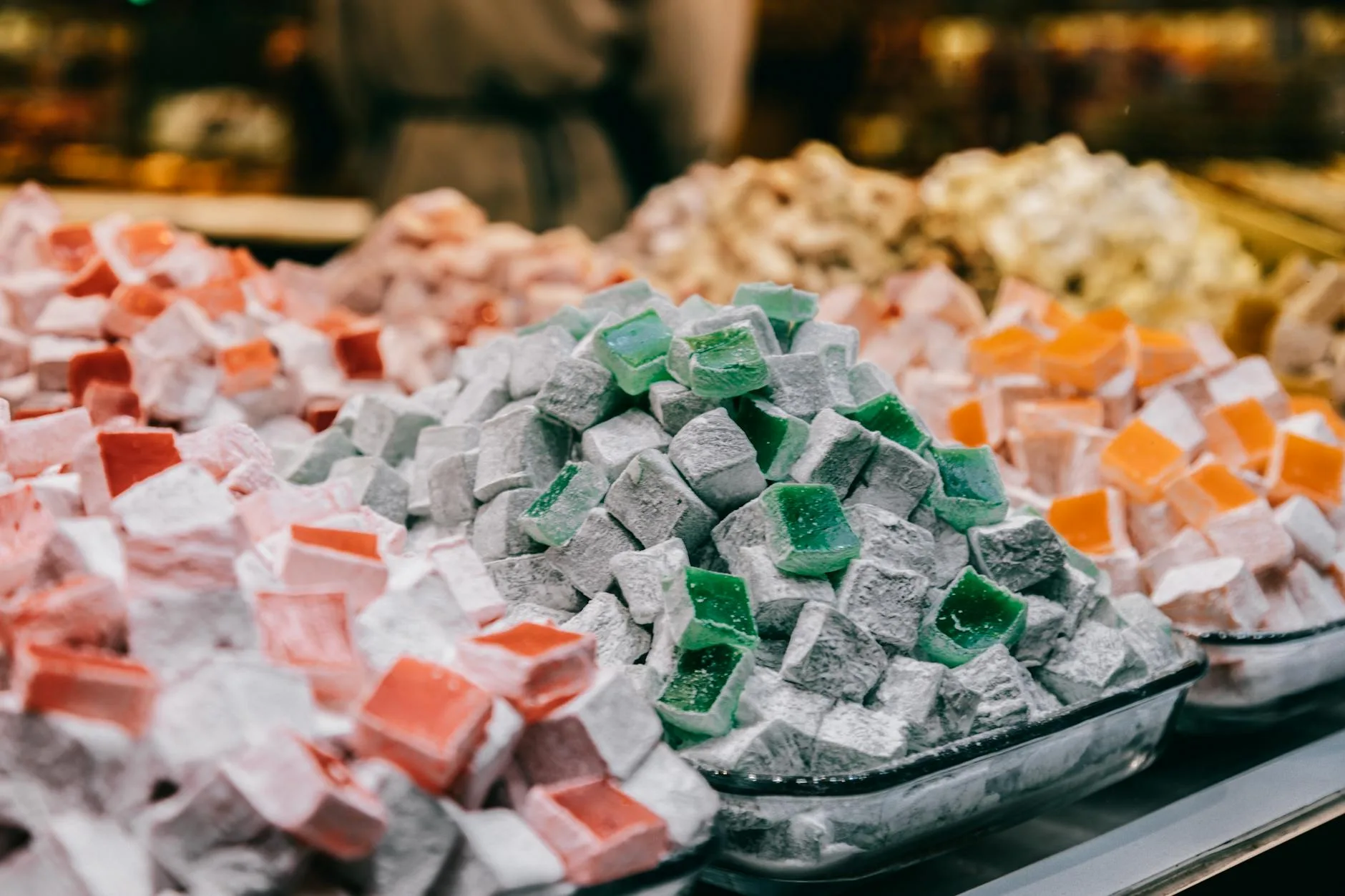
- Turkish delight — the classic pairing. The sweetness complements the bitterness of unsweetened coffee. Rose, pistachio, and plain are traditional flavours.
- A small biscuit or sweet — baklava, halva, or a simple shortbread.
Drinking Etiquette
Sip slowly. Turkish coffee is meant to be savoured over 10-15 minutes of conversation, not downed in one. Stop drinking when you reach the sediment — the last third of the cup is grounds. In traditional Turkish culture, the host offers you their finest cup and serves the eldest guest first. The grounds left in the cup are sometimes read as a form of fortune telling (tasseography) — tilt the cup, let the grounds flow down the sides, and interpret the patterns. Take that bit with a pinch of salt. Or a pinch of cardamom.
Best Cezve and Equipment for UK Buyers
Copper Cezve — The Traditional Choice (About £10-25)
A hammered copper cezve with a brass handle is the classic. Copper heats evenly and responds quickly to temperature changes, which gives you better control. Look for one with a tin-lined interior (unlined copper reacts with acidic liquids). Available from Turkish grocery shops in London, Birmingham, and Manchester, or online from Amazon UK and Etsy.
Stainless Steel Cezve (About £8-15)
Easier to maintain than copper and dishwasher-safe. Heats slightly less evenly but works perfectly well. A good starting option if you are not sure Turkish coffee is going to become a regular habit.
Electric Turkish Coffee Maker (About £25-50)
Brands like Beko and Arzum make dedicated electric Turkish coffee makers that automate the heating process. They are popular in Turkey but rare in UK retail. The Beko BKK 2300 handles the heat curve automatically and produces decent foam. Available from specialist importers. Convenient but removes the meditative aspect of watching the pot.
The Grinder Question
If you want to grind your own, the Sozen hand grinder (about £15-25) is the authentic choice — a cylindrical brass mill with a hand crank. It produces an excellent Turkish grind and looks beautiful on a shelf. The trade-off is speed — grinding 14g for two cups takes 3-5 minutes. Our manual vs electric grinder comparison covers the broader decision.
Turkish Coffee vs Espresso vs Filter
Strength and Body
Turkish coffee is the strongest of the three in terms of total dissolved solids. It extracts more from the grounds because nothing is filtered out and the contact time is longer than espresso (3-4 minutes vs 25-30 seconds). The body is thick, almost syrupy. Filter coffee is the lightest, espresso sits in between. Our guide to choosing beans for your machine explains how different brewing methods extract different flavours.
Caffeine Content
Surprisingly, a standard Turkish coffee cup (60-80ml) contains about 50-65mg of caffeine — roughly the same as a single espresso shot. Filter coffee in a full mug (250ml) contains more total caffeine (about 80-120mg) but at a lower concentration.
Taste Profile
Turkish coffee emphasises body and sweetness. Espresso emphasises intensity and crema. Filter emphasises clarity and brightness. If you enjoy bold, thick, aromatic coffee with a slightly sweet finish, Turkish is your method.
Health Considerations
Unfiltered Coffee and Cholesterol
Turkish coffee, like French press, is unfiltered. Unfiltered coffee contains cafestol and kahweol — compounds that can raise LDL cholesterol levels. The British Heart Foundation notes that drinking moderate amounts (1-3 cups daily) of unfiltered coffee is unlikely to pose a problem for most people, but those with existing high cholesterol may want to limit intake or alternate with filtered methods.
Benefits
Moderate coffee consumption (3-4 cups daily) is associated with reduced risk of type 2 diabetes, Parkinson’s disease, and certain liver conditions. Turkish coffee, being concentrated, delivers more antioxidants per serving than filter coffee.
The Practical Advice
One or two small cups of Turkish coffee per day is a reasonable amount. The main risk is the sugar — three teaspoons per cup, twice a day, adds up. Consider sade or az sekerli if you are watching sugar intake.
Frequently Asked Questions
What grind do I need for Turkish coffee? Ultra-fine — finer than espresso, closer to powdered sugar or flour. If you can feel individual particles between your fingers, it is too coarse. Most home grinders cannot achieve this, so pre-ground Turkish coffee (like Kurukahveci Mehmet Efendi) is the easiest starting point.
Can I make Turkish coffee without a cezve? Technically yes — any small pot will work. But the cezve’s narrow neck is designed to concentrate the foam, which is a key part of the experience. A cezve costs about £10-15 and is worth the investment if you plan to make Turkish coffee more than once.
Why did my Turkish coffee not have any foam? Usually because the heat was too high and the coffee boiled before foam could form, or because you stirred during heating. Use the lowest possible heat, stir only once at the start, and watch carefully as the coffee approaches simmering temperature.
Do you drink the grounds in Turkish coffee? No. The grounds settle to the bottom of the cup and form a thick sediment. You drink the liquid above them and stop when you reach the sediment — usually the last centimetre or so of the cup.
Is Turkish coffee stronger than espresso? In terms of total dissolved solids and body, yes. In terms of caffeine per serving, they are roughly equal — a 60-80ml Turkish coffee contains about 50-65mg of caffeine, similar to a single espresso shot.