You’ve just ordered a bag of single-origin Ethiopian from a specialty roaster, and the label says “light roast.” You brew it expecting something delicate — and get hit with a sour, almost tea-like cup that tastes nothing like the rich, bold coffee you’re used to from the supermarket. So you switch to a dark roast, and now it’s all smoke and bitterness with none of the fruity notes the roaster promised. The problem isn’t the beans — and the Specialty Coffee Association’s roast standards help explain why. It’s that nobody ever properly explained what coffee roast levels actually mean — and how noticeably they change what ends up in your cup.
Understanding coffee roast levels explained in plain terms is the single most useful thing you can learn as a home brewer. More than grind size, more than water temperature, more than whether you spent £50 or £500 on your setup. The roast level determines the fundamental character of your coffee: its flavour, its body, its acidity, and which brewing methods will get the best out of it.
What Actually Happens During Roasting
Green coffee beans are dense, grassy-smelling, and taste nothing like coffee. The magic happens in a roaster — essentially a heated drum that tumbles the beans at temperatures between 180°C and 230°C for anywhere from 8 to 15 minutes.
During roasting, hundreds of chemical reactions take place. The Maillard reaction (the same process that browns a steak or toasts bread) creates those complex, caramel-like flavours. Sugars caramelise. Acids break down or form. Oils migrate from the centre of the bean toward the surface. Carbon dioxide builds up inside the bean until it cracks — literally. That cracking is audible and gives roasters their most important reference points.
First crack happens around 196°C. The beans have expanded, turned from green to a light brown, and reached the minimum point where they’re drinkable as coffee. Everything before first crack is underdeveloped — think bready, peanutty, unpleasant.
Second crack occurs around 224°C. The bean structure starts breaking down more aggressively, oils appear on the surface, and the flavours shift from origin characteristics toward roast characteristics. Push much beyond second crack and you’re heading into charcoal territory.
Every roast level sits somewhere on this spectrum between first and second crack (and sometimes beyond). That’s the framework. Now let’s break down what each level actually tastes like and when you’d want it.
Light Roasts: Bright, Complex, and Not for Everyone
Light roasts are pulled from the roaster just after first crack, typically between 196°C and 205°C. The beans are a pale, cinnamon-ish brown with a dry surface — no visible oil. They’re denser and harder than darker roasts, which matters when you’re grinding them (your grinder has to work harder, and cheaper burr grinders can struggle).
What Light Roasts Taste Like
This is where things get interesting — and divisive. Light roasts preserve the origin characteristics of the bean. A light-roasted Ethiopian Yirgacheffe tastes wildly different from a light-roasted Colombian Huila, because you’re tasting the terroir, the variety, the processing method, not the roast.
Expect flavours like:
- Fruit-forward notes — blueberry, citrus, stone fruit, sometimes tropical
- Floral aromatics — jasmine, bergamot, honeysuckle
- High acidity — bright, juicy, sometimes described as “sparkling”
- Tea-like body — thinner mouthfeel than darker roasts
- Sweetness — honey, brown sugar, caramel when well-developed
The trade-off? Light roasts have more perceived acidity, which some people find sour or sharp, especially if they’re brewed incorrectly. They’re also less forgiving — slightly off your water temperature or grind size and you’ll get an unbalanced cup. There’s a reason specialty coffee shops spend ages dialling in their light roasts.
Best Brewing Methods for Light Roasts
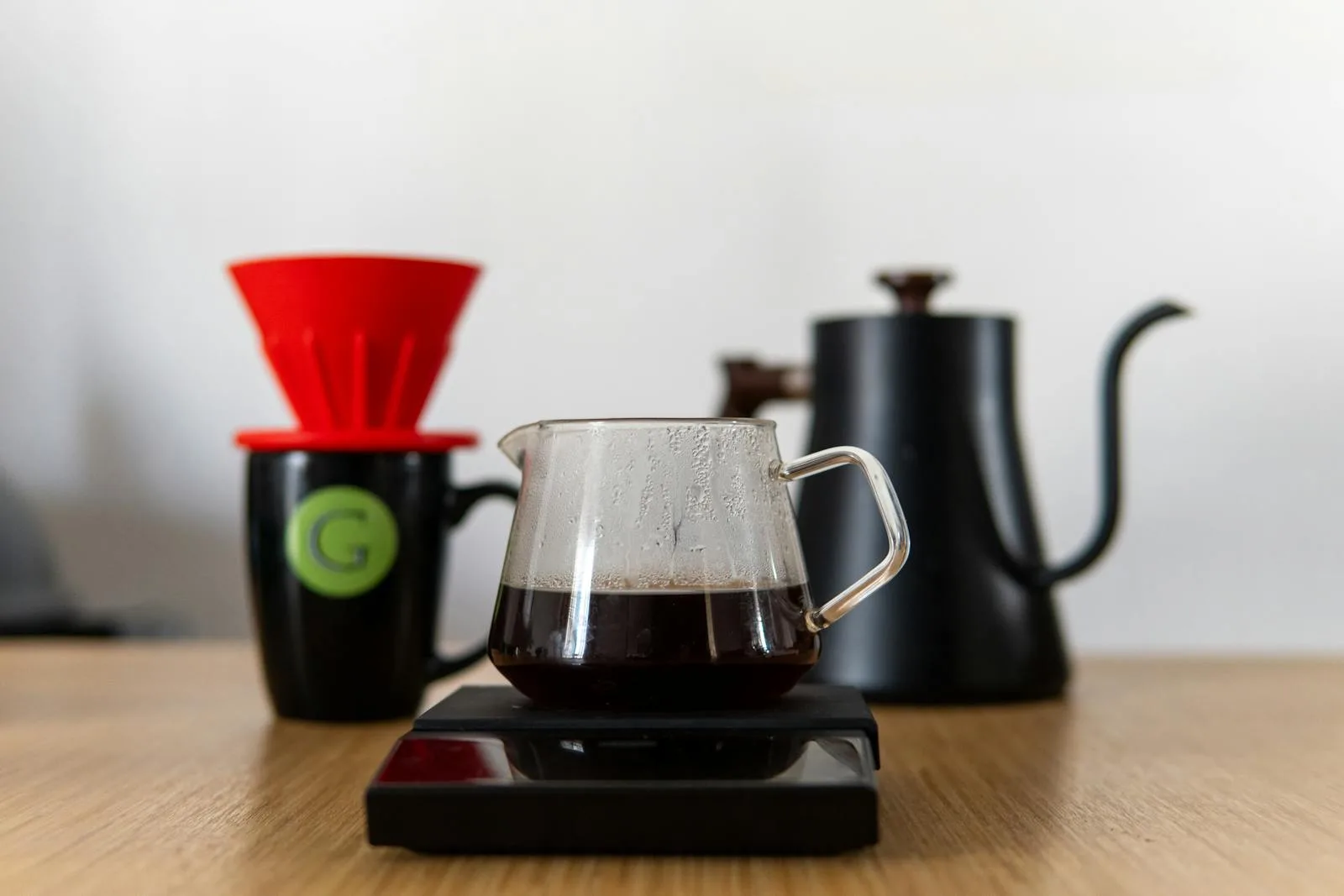
Light roasts shine with pour-over methods like the V60 or Chemex. The paper filter keeps the body clean and lets those delicate flavour notes come through without muddiness. AeroPress works well too, especially with longer steep times.
Espresso with light roasts is possible but tricky. You’ll need a machine that can handle higher pressures and finer grinds, and expect a more acidic, syrupy shot rather than the thick, crema-heavy espresso most people picture. If you’re running a machine under £500, you might find light roasts frustrating in the portafilter.
Water temperature matters more with light roasts — aim for 94-96°C rather than the typical 90-93°C. The denser bean structure needs that extra heat to extract properly. Use too-cool water and you’ll get sour, underdeveloped flavours that’ll put you off light roasts forever.
Who Light Roasts Are For
If you enjoy wine and appreciate terms like “terroir” without feeling pretentious about it, light roasts are your thing. They reward attention and curiosity. They’re also higher in caffeine than dark roasts — not by a huge margin, but the difference is measurable. More on that myth later.
Medium Roasts: The Sweet Spot Most People Land On
Medium roasts are taken to the end of first crack or just beyond, typically between 210°C and 220°C. The beans are a rich, milk-chocolate brown, still mostly dry on the surface but with a hint of oil beginning to show. This is where most high-street coffee falls — and for good reason.
What Medium Roasts Taste Like
Medium roasts balance origin character with roast character. You still get some of the bean’s natural flavour profile, but it’s rounded out by caramelisation and Maillard sweetness. Think of it as a blend of “where the coffee grew” and “what happened in the roaster.”
Common flavour notes include:
- Chocolate and caramel — milk chocolate, toffee, brown sugar
- Nuttiness — almond, hazelnut, sometimes walnut
- Balanced acidity — present but not sharp, more like a ripe apple than a lemon
- Medium body — satisfying mouthfeel without being heavy
- Stone fruit or berries — softer than in light roasts, more like a background note
This is the crowd-pleaser roast level. Hand someone a well-brewed medium roast and they’ll almost clearly enjoy it, regardless of how much coffee experience they have. It’s the roast level that tastes like what most people imagine when they think “good coffee.”
Best Brewing Methods for Medium Roasts
Here’s the beauty of medium roasts — they work with everything. Pour-over, French press, AeroPress, espresso, drip machine, moka pot. You name it, a medium roast will produce a decent cup. That versatility is why they’re the most popular roast level in the UK and most of Europe.
For espresso, medium roasts are the sweet spot. You’ll get that classic espresso profile — rich crema, balanced sweetness, a clean finish — without the extremes of light (too acidic) or dark (too bitter). If you’re still figuring out what features matter in an espresso machine, medium roasts give you the most room for error while you learn.
Your grind size follows standard recommendations for each method — medium-fine for pour-over, medium for drip, fine for espresso. No special adjustments needed.
Who Medium Roasts Are For
Everyone, truthfully. If you’re new to specialty coffee and coming from supermarket brands, a good medium roast from a UK roaster like Square Mile, Hasbean, or Origin is the easiest on-ramp. You’ll taste the quality difference without the culture shock of light roast acidity. And if you’ve been drinking coffee for years and just want something reliably excellent every morning, medium roast is your workhorse.
Dark Roasts: Bold, Smoky, and Misunderstood
Dark roasts are taken to second crack or beyond, reaching temperatures of 225°C to 240°C. The beans are dark brown to nearly black, visibly oily on the surface, and noticeably lighter in weight than lighter roasts (they’ve lost more moisture and expanded more). The oils on the surface mean dark roasts go stale faster — buy in smaller quantities and use within two to three weeks of the roast date.
What Dark Roasts Taste Like
At dark roast levels, the roast character dominates. You’re tasting what the roasting process did to the bean, not where the bean grew. This isn’t a criticism — when done well, dark roasts have their own kind of complexity.
Expect flavours like:
- Dark chocolate and cocoa — bittersweet, intense, sometimes almost savoury
- Smoke and char — ranges from pleasant campfire to aggressive ash depending on quality
- Spice — black pepper, clove, sometimes liquorice
- Low acidity — almost none, which is why people with sensitive stomachs often prefer dark roasts
- Heavy body — thick, viscous mouthfeel
- Bitterness — the defining characteristic, though good dark roasts balance it with sweetness
The problem with dark roasts isn’t the concept — it’s the execution. Many commercial dark roasts are over-roasted to mask poor-quality beans. If every origin tastes the same at a given roast level, that’s a sign the roaster went too far. A skilled roaster can produce a dark roast that still has character and sweetness alongside the smokiness.
Best Brewing Methods for Dark Roasts
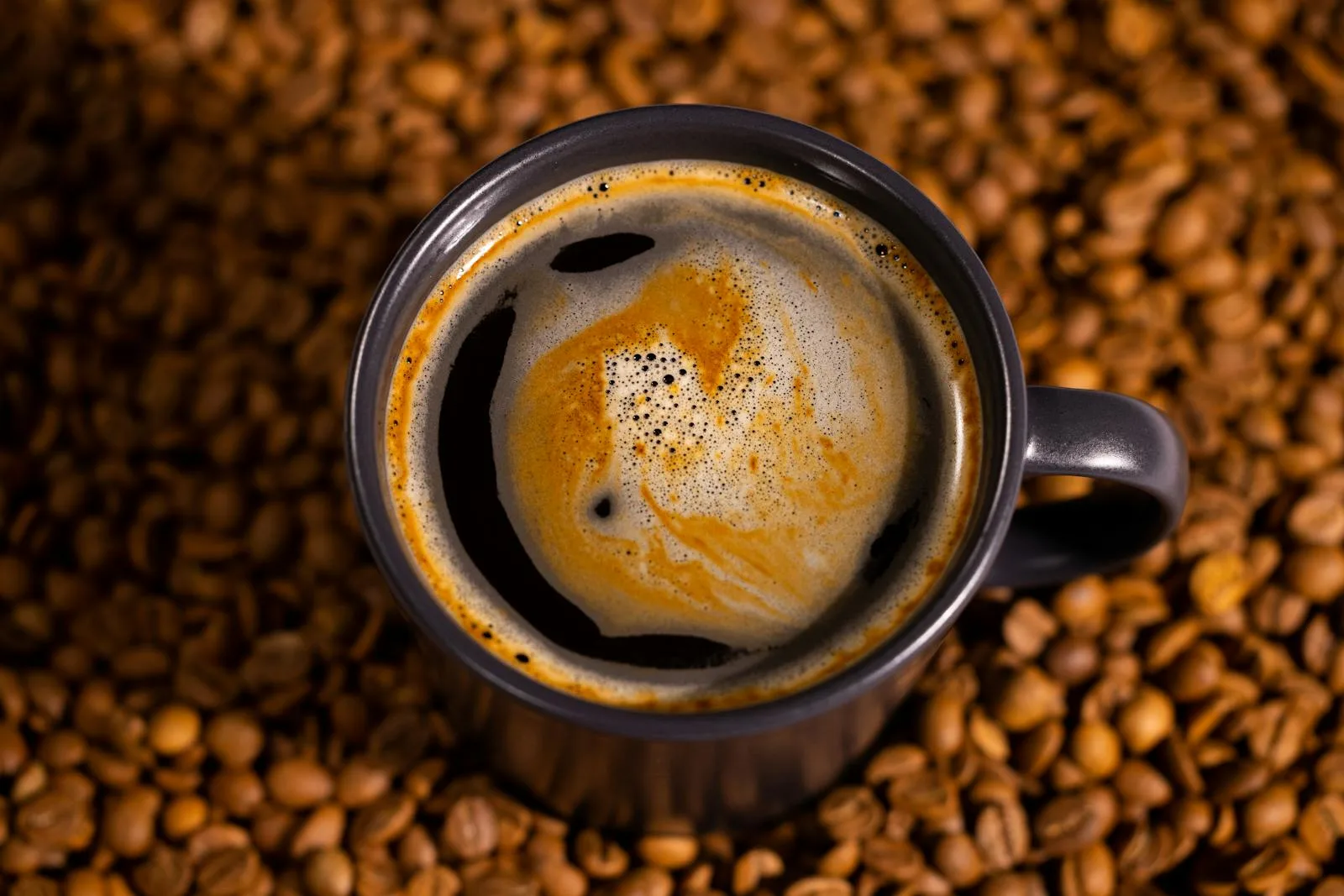
Dark roasts are the natural partner for espresso. That thick body and low acidity produce the classic Italian-style espresso — punchy, bold, with a thick layer of crema. If you’re making milk drinks (lattes, flat whites, cappuccinos), dark roasts hold their own against the milk’s sweetness in a way lighter roasts simply can’t.
French press and moka pot are also excellent choices. The metal mesh of a French press lets the oils through, amplifying that heavy body. The moka pot’s pressurised brewing concentrates the smoky, chocolatey notes into something almost espresso-like.
One method to avoid: pour-over with paper filters. The filter removes the oils that give dark roasts their body, and the slower extraction can over-extract the already heavily-roasted beans, leaving you with a bitter, hollow cup. Not ideal.
Drop your water temperature to around 88-92°C for dark roasts. They extract faster than lighter roasts, and using boiling water will push the bitterness from “bold” into “burnt.” This is the single most common mistake people make with dark roast coffee.
Who Dark Roasts Are For
If you take your espresso as a quick shot at an Italian-style café, if you like your coffee to punch through milk, or if you find light roasts too acidic and “weird” — dark roasts are your zone. No shame in it. The specialty coffee world has spent years being snobbish about dark roasts, and that’s their loss. A well-roasted dark coffee from a quality roaster is a completely different animal from the charred supermarket stuff.
The Caffeine Myth: Does Roast Level Change It?
Short answer: barely. There’s a persistent belief that dark roasts have more caffeine because they taste stronger. In reality, it’s almost the opposite.
The caffeine molecule is remarkably stable through the roasting process. It doesn’t break down at roasting temperatures. What does change is the bean’s mass and density. Dark roast beans are lighter and larger than light roast beans because they’ve lost more moisture.
So if you measure by weight (as most home brewers should), you’ll use more dark roast beans per cup, which means slightly more caffeine. If you measure by volume (scoops), you’ll use fewer beans because they’re bigger, which means slightly less caffeine. Either way, the difference is maybe 5-10% — nothing you’d notice.
If caffeine content matters to you, the bean variety makes a far bigger difference. Robusta beans have roughly twice the caffeine of Arabica, regardless of roast level. That strong, high-caffeine coffee you had in a Vietnamese café? That was the Robusta, not the roast.
Matching Roast Levels to Your Setup
Your equipment affects which roast level will work best for you. Here’s a practical breakdown:
- Blade grinder + drip machine — stick with medium to medium-dark. The inconsistent grind from a blade grinder is less noticeable with these forgiving roast levels
- Burr grinder + pour-over — light to medium is your playground. Your grinder gives you the consistency to unlock those delicate flavours
- Espresso machine + grinder — medium to dark for the classic espresso experience. Go lighter only if your machine has good temperature stability and you enjoy experimenting
- French press or AeroPress — medium to dark works best, though a good medium roast in an AeroPress is hard to beat
- Moka pot — medium-dark to dark. The moka pot’s brewing style naturally suits bolder, less acidic coffees
If you’re running a dual boiler or heat exchanger machine, you’ve got the temperature control to play with lighter roasts in espresso. Single boilers tend to run hotter than they should, which actually works in your favour with dark roasts but can scorch lighter ones.
How to Read a Coffee Bag in the UK
UK specialty roasters have mostly moved away from the light/medium/dark labelling — or they use it alongside more specific information. Here’s what to look for:
- Roast date — freshness matters. For filter, use within 4-6 weeks. For espresso, 2-4 weeks after roasting is the sweet spot (it needs to degas)
- Suggested brew method — many roasters now print “filter” or “espresso” on the bag. Filter suggests light-medium. Espresso suggests medium-dark
- Tasting notes — fruity and floral? Probably light. Chocolate and nuts? Medium. Smoky and bold? Dark
- Origin information — single origin with detailed farm info usually means a lighter roast designed to showcase those origins. Blend often means medium to dark, designed for consistency
The big UK roasters worth exploring: Square Mile, Origin, Assembly, Hasbean, Round Hill, Workshop, North Star, and Rave Coffee. Most sell online with subscriptions starting around £8-12 per 250g bag. Rave in particular offers excellent value — their signature blend at about £7 per 250g is a solid medium-dark that works across all brewing methods.
Storing Your Beans Right
This applies regardless of roast level, but dark roasts need extra care because those surface oils oxidise faster:
- Airtight container — not the bag it came in (unless it has a proper resealable valve). Something like an Airscape canister (about £25-30 from Amazon UK) pushes the air out
- Cool, dark place — not the fridge, not the freezer for daily-use beans. A kitchen cupboard away from the hob is fine
- Buy less, buy more often — 250g bags you’ll use within two weeks, rather than 1kg bags that go stale before you’re halfway through
- Never store in the hopper — if your grinder has a hopper, only fill what you need for that session. Beans sitting in a warm grinder go flat fast
Finding Your Roast Level
Here’s my honest advice: buy three bags from the same roaster — one light, one medium, one dark — and brew them all the same way over a week. You’ll know your preference within three or four cups. Most people gravitate toward medium and then slowly venture lighter or darker as their palate develops.
Don’t let anyone tell you your preference is wrong. The specialty coffee community can be preachy about light roasts being “better” because they showcase the bean’s origin. That’s one valid perspective. But if a well-roasted dark espresso makes your morning better, that’s the right coffee for you. Coffee’s too personal and too enjoyable to drink what someone else thinks you should like.
The only thing I’d push back on is staying with pre-ground supermarket coffee once you’ve tasted the difference fresh-roasted beans make. That’s not snobbery — it’s just maths. A bag of freshly roasted beans and a decent hand grinder (about £30-50 for something like the Timemore C2) costs roughly the same per cup as that Lavazza brick, and the difference in your morning routine is night and day.