You spent £12 on a bag of single-origin Ethiopian and it tasted incredible for the first week. By week three, it’s flat and lifeless — like drinking a memory of what good coffee used to be. You haven’t done anything wrong with your grinder or machine. The beans are just stale. Coffee freshness deteriorates from the moment of roasting, and how you store those beans determines whether they last two weeks or two months.
In This Article
- Why Coffee Goes Stale
- The Four Enemies of Fresh Coffee
- Best Coffee Storage Methods Compared
- Airtight Canisters: The Gold Standard
- Should You Freeze Coffee Beans?
- What About the Original Bag?
- Whole Bean vs Pre-Ground Storage
- How Long Do Coffee Beans Actually Last?
- Storage Mistakes Everyone Makes
- Buying Habits That Keep Coffee Fresher
- Frequently Asked Questions
Why Coffee Goes Stale
Coffee is a roasted agricultural product — not a processed, shelf-stable commodity. The roasting process creates over 800 volatile aromatic compounds trapped inside the bean. These compounds are what make fresh coffee smell and taste remarkable. The moment roasting stops, those compounds start escaping.
The Degassing Process
Freshly roasted coffee releases carbon dioxide for 1-3 days after roasting. This is why quality roasters include a one-way valve on their bags — it lets CO2 escape without letting oxygen in. After the initial degassing, the rate of CO2 loss slows but never stops entirely. That CO2 leaving the bean carries aromatic compounds with it.
Oxidation
Once exposed to oxygen, the oils on the bean’s surface begin to oxidise. This is the primary cause of staleness — those complex fruity, floral, and chocolatey notes break down into flat, papery, or bitter flavours. Oxidation is irreversible. You can’t refresh a stale bean.
The Speed of Deterioration
After roasting, coffee follows a rough freshness curve:
- Days 1-3 — degassing. Espresso may taste gassy; filter is fine
- Days 4-14 — peak flavour. The sweet spot for most coffees
- Days 15-30 — gradual decline. Still good but noticeably less complex
- Days 30-60 — stale. Flat, papery, lacking aroma
- 60+ days — genuinely past it. Suitable only for cold brew or cooking
The Four Enemies of Fresh Coffee
Every coffee storage decision comes down to protecting beans from four things.
Oxygen
The biggest enemy. Oxygen breaks down aromatic compounds through oxidation. Once a bag is opened, the countdown accelerates. Every time you open the container, fresh oxygen enters. The solution: airtight storage with as little headspace (air above the beans) as possible.
Light
UV light accelerates the chemical breakdown of coffee oils. This is why quality coffee comes in opaque bags, not clear packaging. A glass jar on your kitchen counter looks lovely on Instagram but your coffee is degrading every time the sun hits it.
Moisture
Coffee is hygroscopic — it absorbs moisture from the air. Absorbed moisture triggers chemical reactions that degrade flavour and, in extreme cases, can promote mould growth. UK kitchens tend to be humid, especially near kettles and hobs, making moisture a bigger issue here than in drier climates.
Heat
Heat accelerates every chemical reaction, including the oxidation of coffee oils. Storing beans near a cooker, on top of a coffee machine, or in direct sunlight raises the temperature and shortens the freshness window. Room temperature (18-22°C) is fine; warmer than that is not.
Best Coffee Storage Methods Compared
Airtight Canister with Valve
- Freshness protection: Excellent
- Convenience: High — easy daily access
- Cost: £15-40
- Best for: Regular home brewers who use beans within 2-4 weeks
Original Bag (Resealed)
- Freshness protection: Good for the first 1-2 weeks, then declining
- Convenience: High — no extra equipment
- Cost: Free
- Best for: People who finish bags quickly (under 2 weeks)
Vacuum-Sealed Container
- Freshness protection: Very good — removes most oxygen
- Convenience: Moderate — needs pumping each time
- Cost: £20-50
- Best for: Moderate drinkers who take 3-4 weeks per bag
Freezer Storage
- Freshness protection: Excellent for long-term
- Convenience: Low — requires portioning and defrosting
- Cost: Cost of freezer bags or containers
- Best for: Bulk buyers, infrequent brewers, or seasonal coffee hoarding
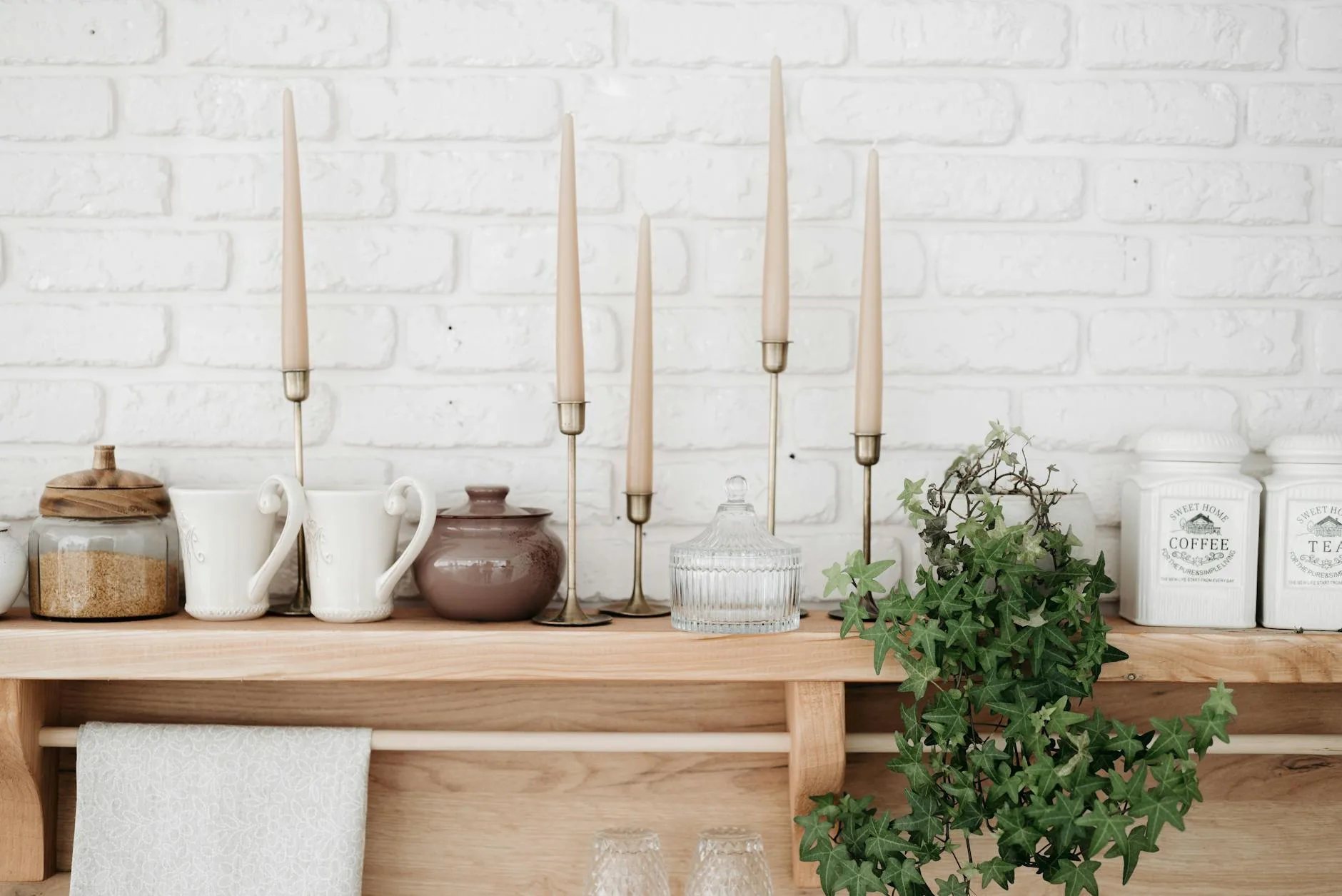
Airtight Canisters: The Gold Standard
For daily coffee drinkers, a quality airtight canister is the best investment in bean freshness. If you are exploring this area, our guide on Best Speciality Coffee Beans 2026 UK: Light & Medium Roasts covers the essentials.
What Makes a Good Coffee Canister
- Airtight seal — silicone gasket or vacuum mechanism. Test by closing the lid and pressing down — you should feel resistance when pulling it open
- Opaque material — stainless steel or ceramic. Not glass, not clear plastic
- CO2 valve — some premium canisters include a one-way valve that lets residual CO2 escape without admitting oxygen. Nice to have but not essential if you’re past the degassing window
- Appropriate size — the canister should match your typical bean volume. Half-full canisters have too much headspace (and therefore too much oxygen). Buy the right size for your usage
Recommended Canisters
- Airscape Kilo (about £30) — stainless steel with an internal plunger lid that pushes air out. The plunger mechanism reduces headspace as you use beans. It’s the canister we’ve been using for over two years and the silicone seal still works perfectly
- Fellow Atmos (about £25-35) — vacuum-sealed canister with a built-in pump. Twist the lid to remove air. Available in multiple sizes. Clean, minimal design that looks good on a worktop
- Planetary Design Airscape (about £20) — the original plunger-style canister. Slightly less refined than the Fellow but functionally excellent
Where to Place Your Canister
- A kitchen cupboard — dark, cool, consistent temperature. Ideal
- The worktop — fine if away from the cooker, kettle, and windows
- NOT next to the coffee machine — machines generate heat, especially during warm-up. This is the most common placement mistake
Should You Freeze Coffee Beans?
This used to be controversial in the coffee world. The consensus in 2026 is clear: freezing works, but only if you do it correctly.
When Freezing Makes Sense
- Bulk purchases — you bought a 1kg bag but only drink 250g per week
- Rare or seasonal coffees — you want to preserve a special roast for months
- Infrequent brewing — you only make coffee a few times per week and a bag would go stale before you finish it
How to Freeze Correctly
- Portion into single-use amounts — divide beans into portions you’ll use within a week (150-250g for most people)
- Remove as much air as possible — use freezer-safe zip-lock bags, squeeze out the air, and seal tightly. Vacuum sealing is ideal
- Freeze rapidly — place bags flat in the freezer so they freeze quickly and evenly
- Thaw sealed — when ready to use, remove one bag and leave it sealed at room temperature for 2-3 hours until fully thawed. Don’t open the bag while cold — condensation will form on the beans
- Never refreeze — once thawed, treat it like fresh coffee and use within 2 weeks
The Science Behind It
Freezing essentially pauses the oxidation process. Research published by the Specialty Coffee Association has shown that properly frozen coffee retains aromatic compound profiles nearly identical to fresh-roasted beans for up to three months. The key is avoiding moisture — condensation on cold beans creates surface water that damages flavour.
What NOT to Do
- Don’t freeze and thaw repeatedly — every freeze-thaw cycle introduces moisture
- Don’t freeze in the original bag unless it’s unopened and well-sealed
- Don’t grind before freezing — the massively increased surface area of ground coffee absorbs freezer odours and moisture far faster than whole beans
What About the Original Bag?
Many speciality coffee bags are surprisingly good storage solutions — for a while.
Quality Bags
Bags from proper roasters (Hasbean, Square Mile, Origin, Assembly) typically feature:
- One-way degassing valve — lets CO2 out, keeps oxygen out
- Foil-lined interior — blocks light and moisture
- Resealable zip-lock strip — maintains the seal between uses
If your bag has all three features, it’s adequate storage for the first 1-2 weeks after opening. After that, the repeated opening and resealing introduces too much oxygen.
Supermarket Bags
Coffee from Tesco, Sainsbury’s, or Aldi typically comes in bags without one-way valves, often without resealable strips, and sometimes in clear packaging. Transfer these beans to an airtight canister immediately after opening. Better yet, check the roast date — supermarket coffee is often 2-3 months old before it reaches the shelf.
The Transfer Decision
If you’ll finish the bag within 10 days, the original bag is fine (assuming it has a valve and zip seal). Beyond that, transfer to a canister. The five seconds it takes to pour beans into a container buys you an extra week of freshness.
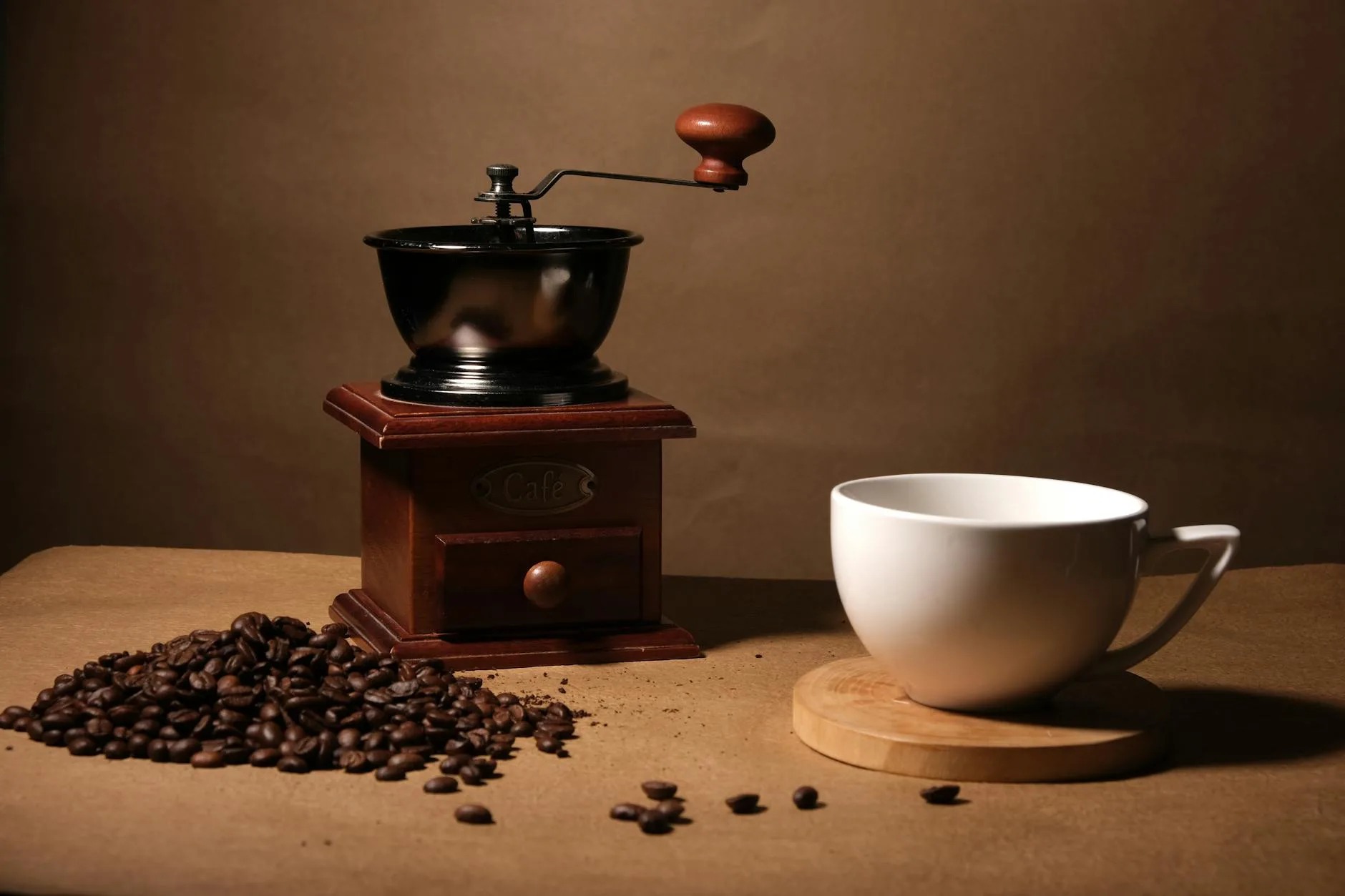
Whole Bean vs Pre-Ground Storage
Why Whole Bean Lasts Longer
A whole coffee bean has a relatively small surface area exposed to air. The moment you grind it, you create thousands of particles with massively increased surface area. All those aromatic compounds that were safely locked inside the bean are now exposed to oxygen.
The freshness timeline for pre-ground coffee:
- 0-30 minutes — still aromatic and flavourful
- 30 minutes to 4 hours — noticeable decline
- 4-24 hours — flat, lifeless
- 24+ hours — you’re drinking texture and caffeine, not flavour
The Practical Advice
If you’re buying pre-ground (no judgement — not everyone has or wants a grinder), buy in small quantities and use it within a week. Store in an airtight canister, not the bag. If you’re using a good grinder, grind only what you need for each brew session.
Single-Dosing
The ultimate freshness approach: weigh your dose of whole beans, grind immediately before brewing, and return the rest to the sealed canister. No oxygen exposure, no flavour loss. It takes an extra 30 seconds per cup and the difference is noticeable. Most single-dose grinders are designed around this workflow.
How Long Do Coffee Beans Actually Last?
Freshness vs Safety
Coffee doesn’t “go off” in a food safety sense. Old beans won’t make you ill — they’ll just taste bad. There’s no health risk from drinking coffee that’s been sitting for six months. The question is about flavour quality, not safety.
Realistic Timelines
For speciality, freshly roasted coffee:
- Espresso — best 7-21 days after roasting. Needs a few days to degas, then has a 2-3 week window of peak extraction
- Filter/pour-over — best 4-30 days after roasting. More forgiving than espresso and sometimes tastes better a bit older
- Cold brew — works well with beans up to 60 days old. The long extraction process pulls out flavour that hot brewing can’t access from stale beans
Supermarket Coffee
Pre-packaged supermarket coffee is typically roasted weeks or months before purchase. The packaging preserves it through nitrogen flushing, but once opened, treat it like fresh coffee — it’s already used up most of its freshness window.
Storage Mistakes Everyone Makes
The Fridge
Never store coffee in the fridge. Fridges are humid, smelly environments. Coffee absorbs both moisture and odours from surrounding food. Your beans will taste like last night’s leftovers within days. This is probably the single most common storage mistake, and it’s one of those “helpful” tips that circulated years ago and refuses to die.
Clear Glass Jars
They look beautiful on a shelf. They’re terrible for coffee. Light degrades coffee oils rapidly, and most glass jars don’t seal airtight. If you must use a glass jar for aesthetics, keep it in a cupboard — but you’d be better served by an opaque canister.
The Hopper
Leaving beans in your grinder’s hopper exposes them to heat (from the motor), light (clear hoppers), and air. Only fill the hopper with what you’ll use that day, or better still, dose directly into the grinding chamber each time.
Buying Too Much
The best storage solution is not needing one. If you buy 250g bags and drink 2-3 cups daily, you’ll finish the bag in about 10 days — well within the freshness window. No canister required, no freezing, no fuss. We’ve found that buying beans matched to your machine in the right quantity eliminates most storage problems entirely.
Buying Habits That Keep Coffee Fresher
Buy Small, Buy Often
A 250g bag every 10 days beats a 1kg bag every 6 weeks. Yes, you pay more per gram — but you drink better coffee for the entire period. Most UK speciality roasters offer subscriptions that deliver freshly roasted beans on a schedule you choose.
Check the Roast Date
Every quality roaster prints a roast date (not a best-before date) on the bag. Avoid bags without one. When buying from supermarkets, look for the most recent roast date available — often hidden on the back or bottom of the bag.
Buy Whole Bean
Even if it means buying an entry-level grinder (decent hand grinders start at about £30), the freshness improvement from grinding at the point of use is the single biggest upgrade most home coffee drinkers can make. A £30 grinder with fresh beans outperforms a £200 grinder with month-old pre-ground.
Local Roasters
If you’re lucky enough to have a local roaster, buy directly. The coffee was roasted days ago, not weeks. Many UK cities now have excellent roasters — and most offer postal subscriptions if you don’t live nearby.
Frequently Asked Questions
Should I store coffee in the fridge? No. Fridges are humid and full of food odours that coffee absorbs readily. Room temperature in a dark, airtight container is ideal. If you need long-term storage, the freezer is better than the fridge — but only with proper portioning and airtight sealing.
How can I tell if coffee beans have gone stale? Stale beans look oily (the oils migrate to the surface as the bean degrades), smell flat or papery instead of aromatic, and taste bitter, woody, or simply bland. If pressing a handful of beans together produces no aroma, they’re past their best.
Is it worth buying an expensive coffee canister? A £25-30 canister with a proper seal and oxygen-reducing mechanism extends freshness by a meaningful margin — roughly 1-2 extra weeks of good coffee per bag. If you spend £10+ per bag, the canister pays for itself within a few months through reduced waste.
How long do coffee beans last in a sealed bag? An unopened, nitrogen-flushed bag with a one-way valve preserves beans for 2-3 months from the roast date. Once opened, expect 2-4 weeks of good quality if resealed tightly, less if the bag doesn’t have a zip-lock seal.
Can I freeze ground coffee? You can, but it’s not ideal. Ground coffee has vastly more surface area than whole beans, making it more susceptible to moisture absorption and freezer odour contamination. If you must freeze ground coffee, use small, airtight, individually portioned bags and use each portion within days of thawing.