Decaf coffee is made from normal coffee beans with most of the caffeine removed before roasting. The useful answer to “how is decaf coffee made” is not one single process, though: water, solvents and carbon dioxide can all do the job, and the method affects price, flavour and what you should buy.
In This Article
- What Decaf Coffee Actually Is
- How Is Decaf Coffee Made?
- The Main Decaf Processes Compared
- Does Decaf Coffee Taste Different?
- How to Buy Better Decaf in the UK
- How to Brew Decaf Without Making It Thin
- Who Decaf Suits and When to Choose It
- Frequently Asked Questions
What Decaf Coffee Actually Is
Decaf is not fake coffee. It is coffee that has been decaffeinated while the beans are still green, before they are roasted. That matters because the flavour you taste in the cup still comes from the origin, processing, roast and brew method. The caffeine has been reduced, not the whole coffee identity erased.
Decaf is not caffeine-free
Good decaf removes most caffeine, but not every trace. The National Coffee Association says decaffeination typically removes around 97% of the caffeine, leaving roughly 2-15mg in an 8oz cup compared with about 95mg in a regular cup: NCA decaf coffee overview.
That is a big drop, but it is not zero. If you are extremely caffeine-sensitive, one mug of decaf at 9pm may still matter. If you just want an evening coffee without lying awake rehearsing tomorrow’s to-do list, decaf usually does the trick.
The bean still matters
A poor-quality decaf starts as poor coffee and then goes through an extra process. No decaffeination method can turn stale, cheap commodity beans into something sweet and clean. The best decafs tend to come from roasters who tell you the origin, process and roast date, not just “premium decaf” on a shiny packet.
If you already know you like bright, light-roasted coffees, a dark supermarket decaf may taste flat to you. If you prefer chocolatey medium roasts, a Colombian or Brazilian decaf is usually a safer bet than a very fruity Ethiopian. Our coffee roast levels guide is useful here because decaf still follows the same light, medium and dark roast logic.
How Is Decaf Coffee Made?
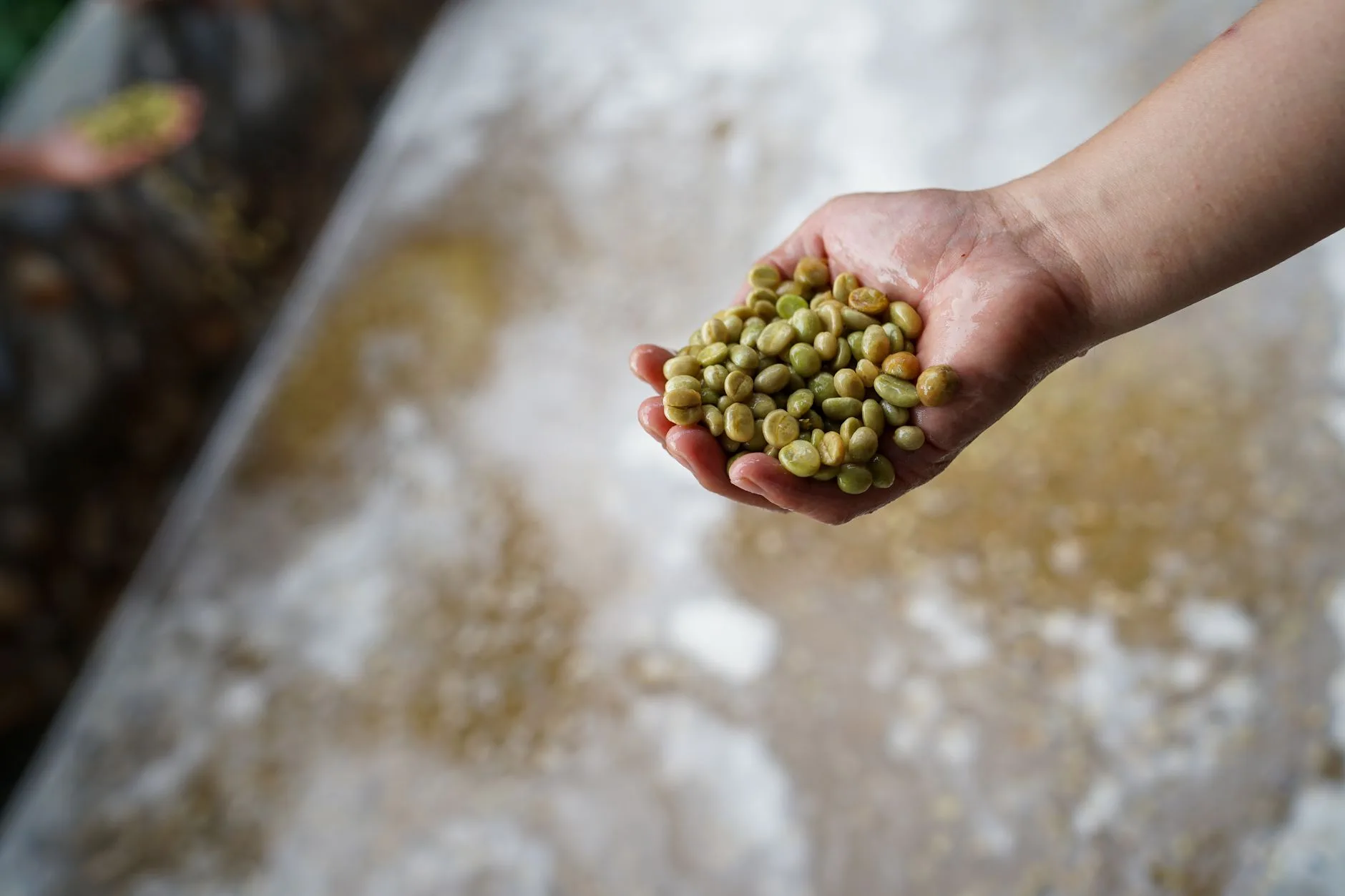
Decaf coffee is made by removing caffeine from green coffee beans before roasting. The exact method varies, but the starting idea is the same: open up the bean structure, draw caffeine out, keep as much flavour material as possible, then dry and roast the beans.
The basic sequence
Most decaf production follows this shape:
- Green coffee is selected. The beans have not been roasted yet, so they are dense, pale and stable enough for processing.
- The beans are soaked or steamed. Moisture helps open the bean and makes caffeine easier to move out.
- Caffeine is extracted. This is where the method changes: water, ethyl acetate, methylene chloride or carbon dioxide can be used.
- Flavour compounds are protected or returned. Better processes try to remove caffeine while leaving sugars, acids and aromatics behind.
- The beans are dried. They need to return to a stable moisture level before shipping and roasting.
- The beans are roasted. Decaf often needs a slightly gentler roasting approach because processed beans can colour and develop differently.
That extra handling is why decaf often costs more than a comparable regular coffee. A supermarket decaf can be £3.50-£5.50 for 227g or 250g. A speciality decaf from Rave, Pact, Origin, Union, Horsham or Square Mile is more likely to be £8-£14 for 200g-250g.
Why it happens before roasting
Roasting creates much of the aroma and flavour we associate with coffee. Trying to decaffeinate roasted beans would be rough on those aromatics and oils. Green beans are tougher, so they can handle soaking, pressure or repeated extraction with less flavour damage.
This is also why decaf roasts can look darker than they taste. Decaffeinated beans often brown faster, so judging by colour alone is risky. I have had medium decafs that looked like a dark roast in the bag but brewed more like chocolate, raisin and toasted nut than smoke.
The Main Decaf Processes Compared
Labels make decaf sound more mysterious than it is. The main difference is how the caffeine is removed and how much flavour is preserved. None of the common methods automatically means good or bad coffee; the starting beans and roaster still matter.
Swiss Water and other water processes
Water-process decaf uses water and filtration to remove caffeine. Swiss Water is the name most UK buyers recognise, and the company describes its process as using water, temperature and time to remove caffeine while preserving origin character: Swiss Water decaffeination process. The appeal is simple: no solvent names on the packet, a cleaner marketing story, and often a sweeter cup when the roaster starts with good beans.
Swiss Water decafs are common in speciality coffee. Expect to pay about £8-£13 for 200g-250g from UK roasters. Rave’s Swiss Water decaf, Pact decaf and Union’s decaf options usually sit in that range depending on subscription, bag size and offers.
The trade-off is that water-process decafs can sometimes taste softer or slightly muted compared with the caffeinated version of the same origin. That is not always bad. For evening filter coffee, a rounder, chocolate-led cup is exactly what I want.
Solvent decaf
Solvent processes use a compound that bonds with caffeine and removes it from the beans or from a green coffee extract. The two names you will see are ethyl acetate and methylene chloride. Ethyl acetate is often marketed as “sugar cane process” when derived from natural sources, though the chemistry matters more than the romance on the label.
Solvent decaf can taste very good. Some Colombian sugar-cane-process decafs are lively, sweet and much closer to regular coffee than people expect. The packet may say EA, sugar cane, natural ethyl acetate or washed EA. If you like milk drinks, this style can be excellent because it often keeps caramel and fruit notes.
Budget supermarket decaf is often solvent-processed, but that does not make it unsafe or automatically poor. It just means you should judge the coffee by freshness, roast level and cup quality rather than assuming the process tells the whole story.
CO2 decaf
Carbon dioxide decaffeination uses pressurised CO2 to target caffeine. It is more industrial and expensive, so you see it less often on the front of UK retail coffee bags. When it is done well, it can preserve a lot of flavour while avoiding the solvent conversation.
CO2 decaf tends to appear in larger-scale production and some premium decafs. It is not the label I would chase first as a home buyer, mainly because there are fewer obvious choices on UK shelves. If a roaster gives you a good origin, roast date and tasting notes, those are more useful buying signals than CO2 alone.
Which process should you choose?
If I were buying one bag blind, I would choose a medium-roast Swiss Water or sugar-cane-process Colombian decaf from a UK roaster. They are forgiving, good with milk and less likely to have that hollow old-school decaf taste.
For filter coffee, I would lean Swiss Water or a carefully roasted EA decaf with tasting notes like milk chocolate, raisin, caramel, brown sugar or red apple. For espresso, I would choose a medium to medium-dark decaf that mentions body and sweetness rather than delicate florals.
Does Decaf Coffee Taste Different?
Yes, decaf can taste different. The better question is whether it tastes worse. Good modern decaf can be excellent, but it often has less sparkle, less aroma and a softer finish than the caffeinated version of a similar bean.
What changes in the cup
The decaffeination process removes caffeine, but it can also disturb some flavour compounds. Caffeine itself is bitter, so removing it can reduce bitterness. At the same time, the extra soaking or extraction can make the cup feel less intense.
Common decaf flavour traits include:
- Softer acidity: fewer sharp citrus notes, more apple, raisin or mild fruit.
- More chocolate and nut flavours: especially in Colombian, Brazilian and Central American decafs.
- Less aroma: the smell can be quieter, particularly in older supermarket bags.
- Thinner body if brewed lazily: decaf often needs a slightly stronger recipe to avoid tasting watery.
That does not mean decaf is doomed. It means you should buy and brew it with the same care you would give normal coffee. If you buy stale decaf, use a weak dose and brew it through a dirty machine, it will taste sad. So would regular coffee.
Roast level makes a bigger difference than people think
Dark decaf can cover processing flaws, but it can also taste ashy very quickly. Light decaf can be interesting, but it is less forgiving and can feel thin if the roast is underdeveloped. Medium roast is the sweet spot for most people.
For espresso, I like decaf with classic notes: chocolate, caramel, hazelnut, brown sugar, dried fruit. For pour-over, I would still choose sweetness over acidity. If you want wild strawberry and jasmine, buy regular coffee earlier in the day and give decaf a different job.
The closest live comparison on CoffeeSetupUK is our single origin vs blend guide. Decaf can be either single origin or blend, but many of the easiest decafs are blends because the roaster can build body and sweetness back in.
How to Buy Better Decaf in the UK
The best decaf buying move is to stop treating it as a punishment coffee. Buy it fresh, match it to your brew method and ignore vague packet claims. “Smooth” tells you very little. Origin, process, roast date and tasting notes tell you much more.
What I would buy first
For a first decent bag, I would start with one of these styles:
- Budget supermarket option: Lavazza Dek or illy Decaffeinato, usually £4.50-£7 for 250g. Good enough for moka pot or milk drinks, not the most exciting filter coffee.
- Mid-range speciality option: Rave Swiss Water Decaf, Pact Decaf or Union Decaf, usually £8-£12 for 200g-250g. Better freshness and clearer tasting notes.
- Premium roaster option: Square Mile, Origin, Horsham or Dark Arts decaf, often £11-£16 for 200g-250g. Worth it if you drink decaf black or as espresso.
For espresso, buy whole beans if you own a grinder. For cafetiere or filter without a grinder, pre-ground is acceptable, but buy smaller bags and use them quickly. Our coffee bean buying guide explains how to match beans to your machine without turning the cupboard into a roastery.
Price clues that matter
Very cheap decaf can be fine with milk, but it is rarely memorable black. If you are paying under £4 for 227g, expect older beans, darker roasting and limited origin information. Around £8-£12 per bag is where UK decaf starts to get much better.
Do not judge value only by bag price. A £10 bag that you enjoy every evening is better value than a £4.50 bag you keep avoiding. If cost is the main constraint, our best coffee beans under £10/kg guide is about regular beans, but the same supermarket freshness warnings apply.
Storage still matters
Decaf stales like any other coffee. Keep it sealed, cool and away from light. Do not tip it into a decorative glass jar beside the hob unless you enjoy paying for aroma and then letting it drift into the kitchen air.
If you drink decaf slowly, buy 200g-250g bags rather than kilo bags. A dedicated canister can help, but freshness beats fancy storage. Our coffee storage guide covers the practical bits.
How to Brew Decaf Without Making It Thin
Decaf often needs a slightly bolder recipe than regular coffee. Not a wild change. Just enough to recover body and sweetness.
Use a touch more coffee
If your decaf tastes weak, increase the dose before blaming the beans. For cafetiere, try 65g-70g per litre instead of 60g. For pour-over, move from 60g per litre to about 65g. For espresso, use the same basket dose but consider a slightly finer grind and a longer yield if the shot tastes sharp and hollow.
I usually start decaf espresso at a 1:2 ratio, then push to 1:2.2 or 1:2.3 if it tastes too tight. So an 18g dose might produce 38g-42g of espresso. The exact number matters less than whether the cup tastes sweet rather than papery.
Grind fresh if you can
Decaf can taste stale faster because the processing and roasting often leave it more fragile. Grinding fresh makes a bigger difference than buying a more expensive packet and then letting it sit open for three weeks.
You do not need a £500 grinder for decaf. A Wilfa Svart at around £100-£130 is fine for filter and cafetiere. A Baratza Encore ESP at about £160-£190 is better if you also make espresso. If you already own a grinder, clean out old oily beans before judging a new decaf. Our grinder choice guide is the place to go deeper.
Keep the water and machine clean
Decaf’s softer flavour means scale, old coffee oils and stale water show up quickly. If your regular espresso tastes fine but decaf tastes muddy, clean the basket, shower screen and grinder chute before changing beans again.
For filter coffee, use fresh water and rinse paper filters well. For bean-to-cup machines, use the same decaf beans for a few drinks before judging because the grinder and brew chamber may still hold regular coffee grounds.
Who Decaf Suits and When to Choose It
Decaf is useful when you want the ritual and taste of coffee without a full caffeine hit. That sounds obvious, but it changes how you judge the cup. It does not need to be your most electric coffee of the week. It needs to be enjoyable at the time you actually drink it.
Evening coffee drinkers
Evening is where decaf makes the most sense. EFSA notes that single caffeine doses up to 200mg do not raise safety concerns for healthy adults, but sleep is personal and caffeine timing matters for plenty of people: EFSA caffeine overview. If a normal flat white after dinner ruins your sleep, decaf is the obvious move.
For evening drinks, I would choose a medium-roast decaf that works with milk. A 250g bag around £9-£12 will make roughly 14 double espressos at 18g per dose, so the coffee cost is about 65p-85p per double before milk. That is far cheaper than buying a cafe decaf latte at £3.40-£4.20 every night.
Mixed households
Decaf is also handy when one person wants coffee and the other wants less caffeine. Keep one regular bag and one decaf bag rather than trying to find a single compromise. If you use a bean-to-cup machine, check whether it has a bypass chute for ground decaf. Many De’Longhi, Sage and Jura machines do, which saves emptying the hopper.
For cafetiere or AeroPress, mixed households are easy: just brew separate small servings. For espresso, single-dosing makes switching between regular and decaf less annoying, though you may need to purge a gram or two from the grinder.
People who actually like the taste
The best reason to drink decaf is that you like coffee and want more chances to drink it. That is where modern decaf wins. It is no longer just the dusty jar at the back of the office kitchen.
Start with a fresh medium-roast decaf, brew it a little stronger, and judge it as its own drink. If you expect it to taste exactly like your favourite caffeinated Ethiopian filter coffee, it may disappoint you. If you expect a sweet, warm, coffee-shaped evening drink, good decaf can be excellent.
Frequently Asked Questions
Is decaf coffee completely caffeine-free? No. Most decaf has a small amount of caffeine left. It is much lower than regular coffee, but very caffeine-sensitive drinkers may still notice it.
How is decaf coffee made? Decaf coffee is made by treating green, unroasted beans so caffeine can be removed before roasting. Common methods use water filtration, ethyl acetate, methylene chloride or pressurised carbon dioxide.
Does Swiss Water decaf taste better? It can taste very good, especially when the starting beans are fresh and well roasted. Swiss Water is not an automatic guarantee, but it is a useful buying signal for many UK speciality decafs.
Why does some decaf taste flat? Decaf can taste flat if the beans were low quality, roasted too dark, stale, ground too early or brewed too weak. Try fresher beans and a slightly stronger recipe before giving up on decaf entirely.
Is decaf good for espresso? Yes, but choose a medium or medium-dark decaf with chocolate, caramel or nut notes. Decaf espresso often works best with a slightly finer grind and careful dose control.
How much should I spend on good decaf coffee in the UK? Supermarket decaf can be £3.50-£7 for 227g-250g. Better UK speciality decaf is usually £8-£14 for 200g-250g, with premium roasters sometimes higher.