Espresso grinder fine grind control is the difference between chasing sour, thin shots all morning and making one tiny change that actually lands where you wanted. Espresso is not forgiving: a movement that looks barely visible on the collar can shift a 25-second shot into the low 30s. That is why the adjustment mechanism matters more than the number printed on the box.
In This Article
- Why Tiny Grinder Changes Matter for Espresso
- What Fine Grind Control Actually Means
- How to Read the Shot Before You Move the Dial
- Stepped vs Stepless Grinders for Home Espresso
- A Practical Adjustment Routine That Works
- UK Grinder Choices and Price Context
- Common Fine-Grind Mistakes
- Frequently Asked Questions
Why Tiny Grinder Changes Matter for Espresso
Espresso uses pressure, a short brew time and a compact coffee bed. That combination magnifies small changes. In cafetiere or pour-over, a slightly finer grind might change flavour gently over several minutes. In espresso, the same small change can alter flow rate almost at once because water has to push through a dense puck.
That is why fine grind control feels fussy until you see it working. If the grind is too coarse, water finds channels and races through. The cup tastes sharp, salty or hollow. If the grind is too fine, the pump struggles, the shot drips slowly, and the cup turns harsh or drying.
The target is not a magic number, but a controlled range. Many home recipes start around 18g in, 36g out, in roughly 25-32 seconds. The Specialty Coffee Association coffee standards are useful background because they frame extraction as a measurable process rather than guesswork, but your grinder, basket, roast and machine still decide the final setting.
Espresso Punishes Big Moves
A big grinder move is tempting when a shot tastes bad. The problem is that espresso often needs a nudge, not a leap. On a capable grinder, moving the dial by a few millimetres can be enough to change the shot by several seconds.
I treat grinder changes like seasoning food: add a little, taste, then adjust again. If you swing from coarse to fine in one go, you lose the thread and start wasting beans.
The Coffee Bed Is a Restriction
Think of the puck as a controlled restriction. Finer particles pack closer together and slow the water. Coarser particles leave more space and speed it up. That sounds simple, but espresso sits in a narrow window where both extremes taste wrong.
The grinder’s job is not just to make coffee small. It has to let you move through that window in small, repeatable steps.
What Fine Grind Control Actually Means
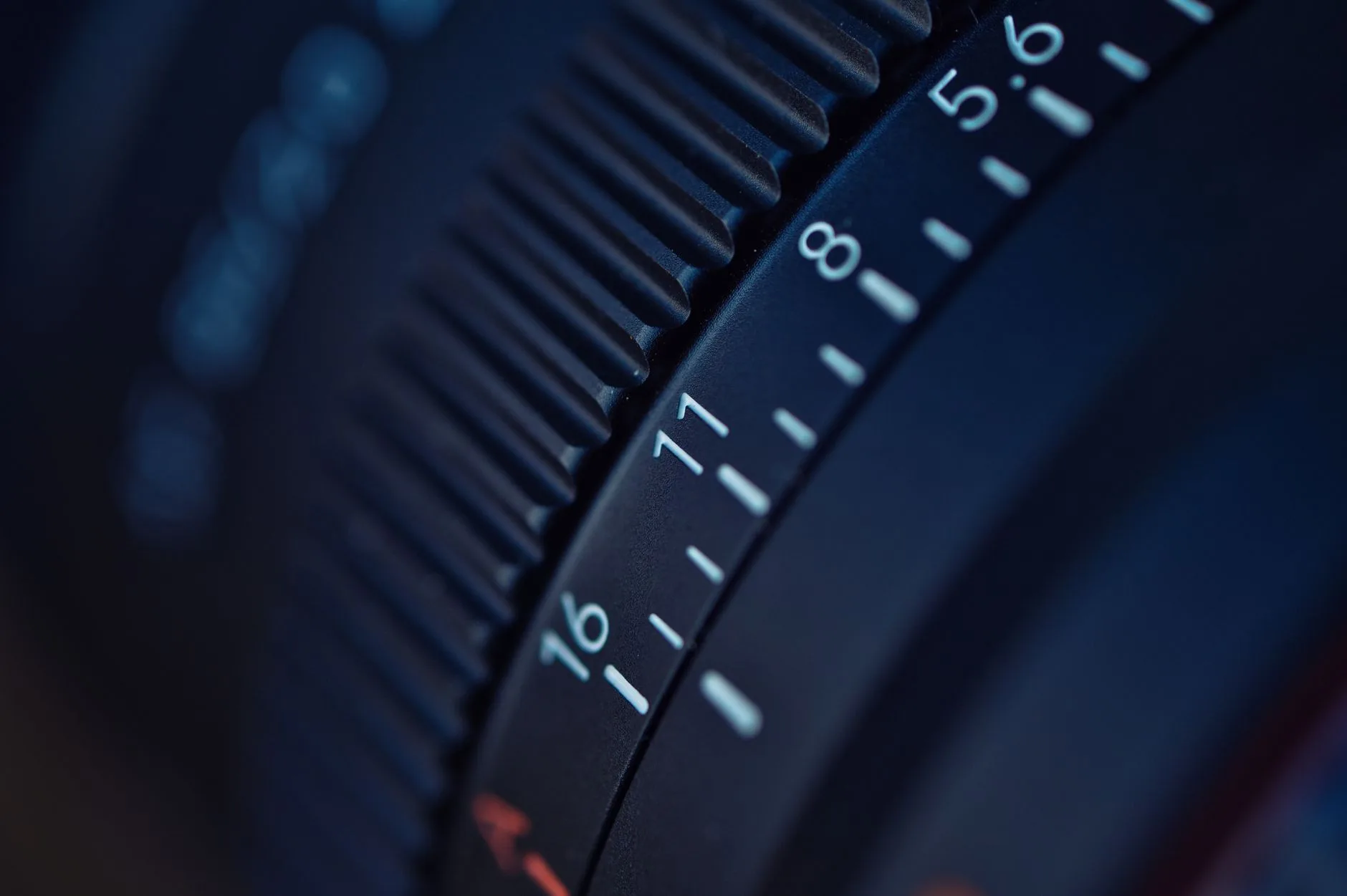
Fine grind control is the ability to make small, predictable changes in the espresso range. It is not the same as having a long list of settings. A grinder with 60 settings can still feel clumsy if only five of them sit in the usable espresso zone.
The best home espresso grinders give you enough resolution where it matters: the fine end. That is why espresso-focused models often talk about stepless adjustment, micrometric adjustment or espresso-specific micro-steps.
Resolution Matters More Than Range
Range means the grinder can go from espresso to cafetiere. Resolution means you can fine-tune inside one part of that range. For espresso, resolution is the valuable bit.
A grinder that can make Turkish-fine powder and coarse cold-brew chunks is not automatically good for espresso. You need the espresso band to be wide enough on the dial that a tiny hand movement does not overshoot the shot.
Good signs:
- Small movements are visible: the dial or collar lets you mark where you were.
- The espresso range is not cramped: you are not stuck between two click positions.
- The adjustment holds: the setting does not drift during grinding.
- The grinder reacts predictably: one small move finer usually slows the shot, and one small move coarser usually speeds it up.
Retention Can Hide the Change
Grinder retention makes fine control harder to read. If old grounds stay inside the chute or burr chamber, the first few grams after an adjustment may still be from the previous setting. That is why single-dose grinders and low-retention designs feel easier to dial in.
This is also why I do not judge a new setting from the first second of grinding. Purge a gram or two if your grinder retains coffee, especially after moving finer. It costs pennies in beans, but it saves you chasing a false result.
For a deeper grinder-type choice, the existing CoffeeSetupUK guide to choosing a grinder for espresso vs filter is the better place to start. Here, keep the lens narrower: the fine-control part after you already know espresso is the goal.
How to Read the Shot Before You Move the Dial
Before touching the grinder, check whether the shot problem is actually grind size. Fine grind control helps only if the other variables are steady. If dose, yield, distribution and tamp change at the same time, the grinder gets blamed for everything.
Keep Dose and Yield Still
Use scales. A £15-£25 pocket scale from Amazon UK can work, although a slimmer coffee scale from Timemore, Felicita or Hario at about £35-£80 is nicer under a cup. The point is not luxury. The point is repeatability.
Start with a recipe and keep it still for a few shots:
- Dose: 18g in the basket, if your basket is designed for it.
- Yield: 36g in the cup for a classic 1:2 ratio.
- Time: roughly 25-32 seconds from pump start, then adjust by taste.
- Distribution: the same WDT, shake or grooming method each time.
- Tamp: firm and level, not a variable you keep changing.
If the shot is fast at 18g in and 36g out, move finer. If the shot is choking or dripping for too long, move coarser. If the time looks fine but the cup tastes bad, check beans, water temperature, channeling and basket prep before blaming the grinder.
Taste Beats the Stopwatch
The stopwatch is a diagnostic tool, not the drinker. A 23-second shot can taste better than a 30-second shot if the coffee, basket and machine suit it. Fine grind control matters because it lets you steer taste without making wild moves.
Use these rough signals:
- Sour and thin: often too coarse, too cool, too low a yield, or uneven extraction.
- Bitter and drying: often too fine, too hot, too long, or over-extracted.
- Sharp then bitter: often channeling, where some water races through and some barely extracts.
- Good flavour but low body: try slightly finer, or reduce yield a little.
If you want the broader espresso troubleshooting flow, use How to Troubleshoot Common Espresso Problems. Here, the main question is whether a tiny grinder move is the next sensible test.
Stepped vs Stepless Grinders for Home Espresso
Stepped grinders click between fixed positions. Stepless grinders move freely between positions. Both can work, but they feel different when espresso needs a half-step.
Stepped Grinders Are Easier to Return To
Stepped grinders are less intimidating. You can write down “setting 8” and get back there tomorrow. That is useful if you switch between espresso, AeroPress and filter coffee.
The weakness is obvious: sometimes setting 7 is too fine and setting 8 is too coarse. Better espresso-focused stepped grinders solve this by using smaller steps in the fine range. The Baratza Encore ESP is a good example: it costs £159.95 direct from Baratza UK at the time of checking, and Baratza describes the ESP as having a dedicated espresso range rather than just generic brew settings.
That makes it a sensible budget choice for a first proper espresso grinder, especially with entry-level machines. It is not as refined as a premium stepless grinder, but the micro-step idea is exactly what matters.
Stepless Grinders Give You the Missing Half-Step
Stepless grinders are better when you want the setting between two clicks. The Niche Zero, for example, is £559 direct from Niche in the UK at the time of checking, and its official product page positions it as a single-dose grinder with simple adjustment and low retention. That combination makes tiny espresso changes easier to track.
Eureka Mignon models, the DF64 family and other espresso-first grinders also lean into fine adjustment. UK prices vary by retailer and burr option, but rough current buyer context is:
- Sage Smart Grinder Pro: about £170-£210 from Sage, Currys or Amazon UK; plenty of settings, good convenience, but not the most precise espresso feel.
- Baratza Encore ESP: about £150-£160 from Baratza UK or specialist coffee retailers; strong budget pick because the espresso range has finer steps.
- Eureka Mignon Manuale/Silenzio/Specialita: roughly £250-£450 depending on model and offers; good espresso adjustment, quieter on some models.
- DF64-style single-dose grinders: usually about £370-£500 in the UK; strong value if you want low retention and burr upgrade paths.
- Niche Zero: £559 direct; expensive, but very easy to live with if you single-dose and switch coffees.
The best buy depends on tolerance. If you make one espresso every morning and hate fuss, the grinder that is easiest to repeat may beat the grinder with the most theoretical control.
A Practical Adjustment Routine That Works
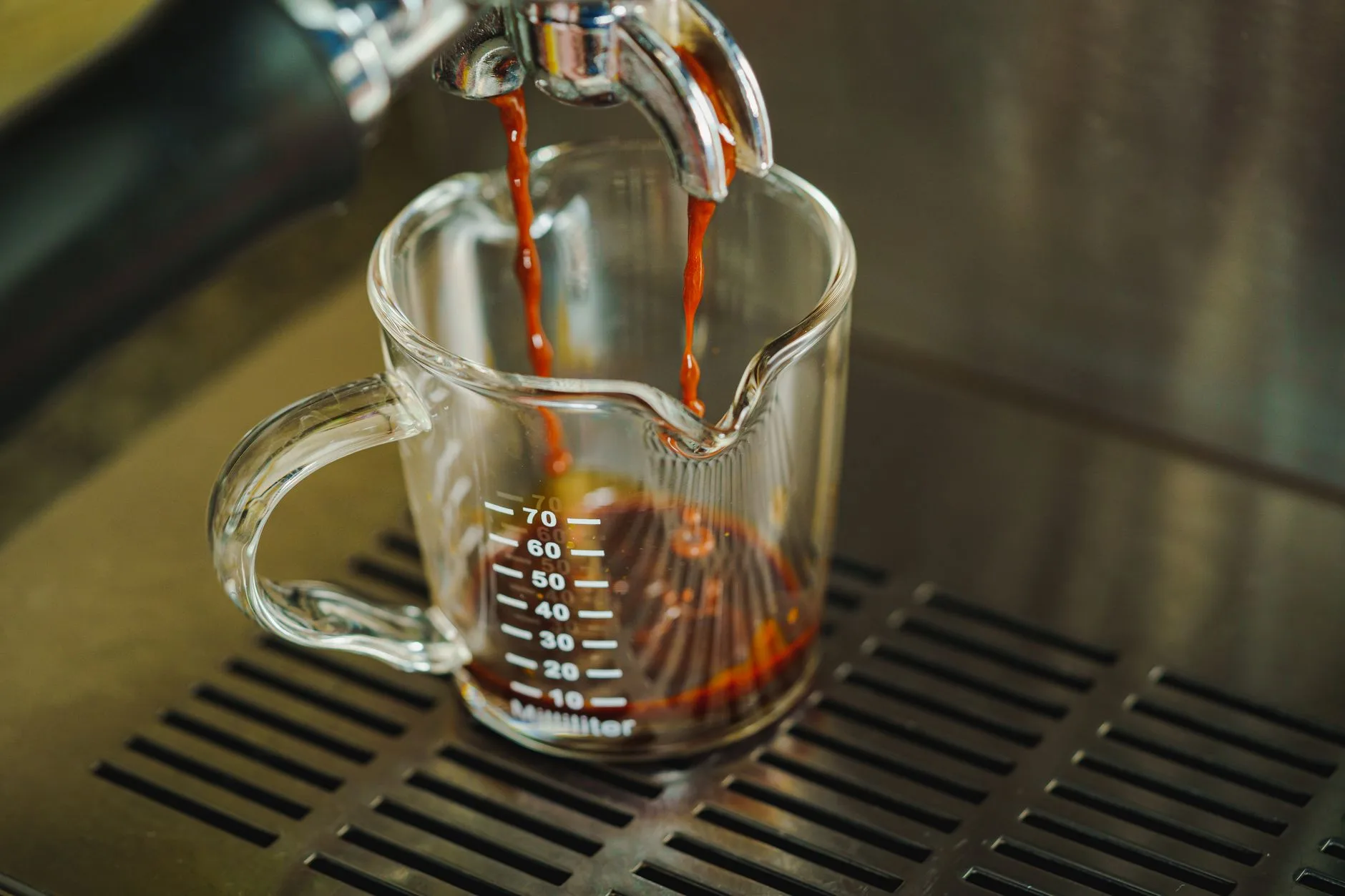
The safest way to use fine grind control is to change one thing at a time. It sounds dull. It also works.
Start With a Baseline Shot
Pick a simple baseline before chasing flavour:
- Weigh the dose. Use the same dose for each test shot, such as 18g in an 18g basket.
- Prepare the puck the same way. If you use WDT, use it every time; if you do not, do not randomly add it halfway through testing.
- Stop at the same yield. Pull to 36g, taste, and write down the time.
- Move only the grinder. If the shot needs changing, adjust finer or coarser by the smallest useful amount.
- Repeat once. Do not judge a grinder from one odd shot if the puck preparation looked suspect.
I like a simple note: bean, dose, yield, time, setting and taste. It takes ten seconds. It also prevents the classic home-barista problem where yesterday’s good shot becomes a mystery by breakfast.
Make Smaller Moves as You Get Closer
The first shot with a new bag might need a larger move. Once you are close, reduce the size of the change. If the shot went from 19 seconds to 27 seconds, the grinder is in the right neighbourhood. Do not make another huge move finer because the cup still has a sharp edge. Try a small nudge, or adjust yield.
With lighter roasts, the usable window can be narrow. A tiny move finer may improve body, but the next nudge can make the shot harsh. With darker supermarket beans, the window can feel easier but staler coffee may run fast no matter how careful the grind is.
For bean choice and roast level, the guides to choosing coffee beans for your machine and espresso beans vs filter beans are better companions than another grinder adjustment.
UK Grinder Choices and Price Context
You do not need a £1,000 grinder to taste why fine control matters. You do need to be honest about what cheaper grinders can and cannot do.
Budget Grinders Can Work, With Limits
Below about £100, most burr grinders are happier with filter coffee than espresso. They may grind fine enough to create pressure, but the adjustment jumps are often too wide. That is why a cheap grinder can produce one lucky shot and then refuse to repeat it.
At the budget end, I would rather buy a Baratza Encore ESP at about £159.95 than a generic £80 burr grinder that claims espresso on the box. The ESP is not glamorous, but its espresso range is designed for the job. A Sage Smart Grinder Pro at about £169.95 direct from Sage is convenient and widely stocked by Currys, John Lewis and Amazon UK, though the stepped adjustment still feels broader than a true espresso specialist.
Mid-Range Is the Sweet Spot for Control
The £250-£500 bracket is where espresso grinder fine grind control becomes more relaxed. Eureka Mignon models, DF64-style single-dose grinders and similar machines give you smaller adjustment movements, better burr alignment potential and less frustration when changing coffee.
This is the price band I would look at if you already own a capable espresso machine. Spending £400 on the grinder and £300 on the machine often makes better coffee than doing it the other way round.
Premium Is About Workflow, Not Just Taste
Above £500, you are often paying for workflow, build, lower retention, quieter grinding and repeatability. The Niche Zero at £559 is popular because it is easy to understand: weigh beans in, grind, make coffee, move the dial with clear markings. It is not the only good grinder, but it shows why fine control is as much about daily behaviour as spec-sheet numbers.
If you already own a broad grinder and wonder why espresso is hard, read Why Cheap Coffee Grinders Struggle With Espresso. If you are comparing grinder categories, Manual vs Electric Coffee Grinder covers the effort trade-off better than this fine-control article can.
Common Fine-Grind Mistakes
Most grinder mistakes are not dramatic. They are small habits that make the feedback unreadable.
Moving the Dial While the Grinder Is Idle
On many grinders, moving finer is safer while the motor is running or while no beans are trapped between the burrs. Forcing a loaded grinder finer can jam burrs or make the setting feel rough. Check your manual, because designs differ.
As a rule, I avoid large finer moves with beans sitting in the burrs. If I need to go much finer, I run the grinder briefly or clear the chamber first.
Chasing Every Shot
One odd shot does not always need a grinder change. Channeling, a bad tamp, a clump in the basket or a distracted prep routine can all create a strange result. If the previous two shots were good and the next one races, inspect the puck before twisting the dial.
Fine control should reduce panic, not create more of it.
Ignoring Bean Age
Freshly roasted coffee changes quickly over the first couple of weeks. A bag that needed setting 12 on Monday may need a slightly finer setting by Friday. That is normal. Coffee loses gas, flow changes, and the grinder setting has to follow.
The same applies when switching between roasters. A medium roast from Square Mile, Origin or Hasbean at £9-£14 per 250g may need a different setting from a darker supermarket bag at £4-£7. The number is not transferable. The routine is.
Treating the Grinder as the Only Variable
Fine grind control cannot fix everything. If the water is too hot, the basket is overloaded, the coffee is stale or the machine pressure is unstable, tiny dial changes will not rescue the cup.
That is why the best workflow is boring in a useful way: stable recipe, small grinder move, taste, repeat. Once the grinder is close, move to other variables only if the cup still asks for it.
Frequently Asked Questions
Is stepless adjustment always better for espresso? Not always. Stepless adjustment gives finer control, but a well-designed stepped grinder with small espresso-range clicks can be easier for beginners to repeat.
How small should an espresso grinder adjustment be? Once you are close, move the dial by the smallest visible amount or one micro-click. If shot time changes by more than 5-6 seconds, your move was probably too large.
Why did my shot run faster after I moved finer? That usually points to channeling, retention from the previous setting, uneven puck prep or a measurement error. Pull another controlled shot before moving the grinder again.
Do I need an expensive grinder for fine control? No, but there is a floor. Around £150-£200 buys far better espresso control than most generic sub-£100 burr grinders. The £300-£500 range is where home espresso gets less frustrating.
Should I change grind size or dose first? Keep dose fixed while dialling in. Change grind size first, then adjust yield if the time is sensible but taste needs a small correction.
Can one grinder handle espresso and filter coffee? Yes, but switching back and forth is easier on grinders with clear markings, low retention and enough fine control in the espresso range.