You open your cupboard and grab the bag of coffee beans you bought last week, only to find they smell like cardboard instead of the rich, chocolatey notes that convinced you to buy them. Sound familiar? Your coffee beans have lost their magic because they’ve been sitting in their original packaging, slowly going stale with every passing day. The difference between good coffee and exceptional coffee often comes down to how you store your beans — and choosing the right coffee canister is your first line of defence against staleness. The grind size also affects freshness — finer grinds degrade faster, as we explain in our coffee grind sizes guide.
Fresh coffee beans start losing their flavour within days of roasting. Oxygen, light, heat, and moisture are what the Specialty Coffee Association identifies as the four enemies that rob your beans of their oils and aromas. A proper coffee canister creates a protective barrier against these elements, keeping your beans fresh for weeks rather than days. The best canister for your kitchen depends on how much coffee you drink, where you store it, and whether you prefer convenience or maximum freshness.
What Makes a Good Coffee Canister
Not all storage containers are created equal when it comes to preserving coffee. The best coffee canisters share several key features that work together to maintain bean quality.
Airtight seals are non-negotiable. The container must lock out oxygen completely — a loose-fitting lid might as well be leaving your beans open to the air. Look for canisters with rubber gaskets or silicone seals that create a proper vacuum when closed. You should hear a satisfying “pop” when opening a well-sealed canister that’s been closed for a few hours.
Opaque materials protect against light damage. Clear containers might look attractive on your worktop, but they’re terrible for coffee storage. UV light breaks down the oils that give coffee its flavour. Stainless steel, ceramic, or dark-tinted glass provide the protection your beans need. If you love the look of your beans, choose a canister with a small viewing window rather than full transparency.
Carbon dioxide venting is crucial for freshly roasted beans. Good quality coffee releases CO2 for days after roasting — this is actually a sign of freshness. Some premium canisters include one-way valves that let gas escape without allowing air in. If your canister lacks this feature, you’ll need to “burp” it daily for the first few days after adding fresh beans.
Size matters more than you think. A half-empty canister exposes your beans to more oxygen than a full one. Buy a canister that holds roughly what you’ll use in 2-3 weeks. For most UK households, this means a 500g to 1kg capacity. If you’re a heavy coffee drinker or have multiple people in your household, consider multiple smaller canisters rather than one enormous one.
Easy access keeps you using the canister consistently. Wide-mouth openings let you scoop beans easily without spilling them across your kitchen counter. Some canisters have lids that remove completely, while others have flip-tops — choose based on your morning routine and counter space.
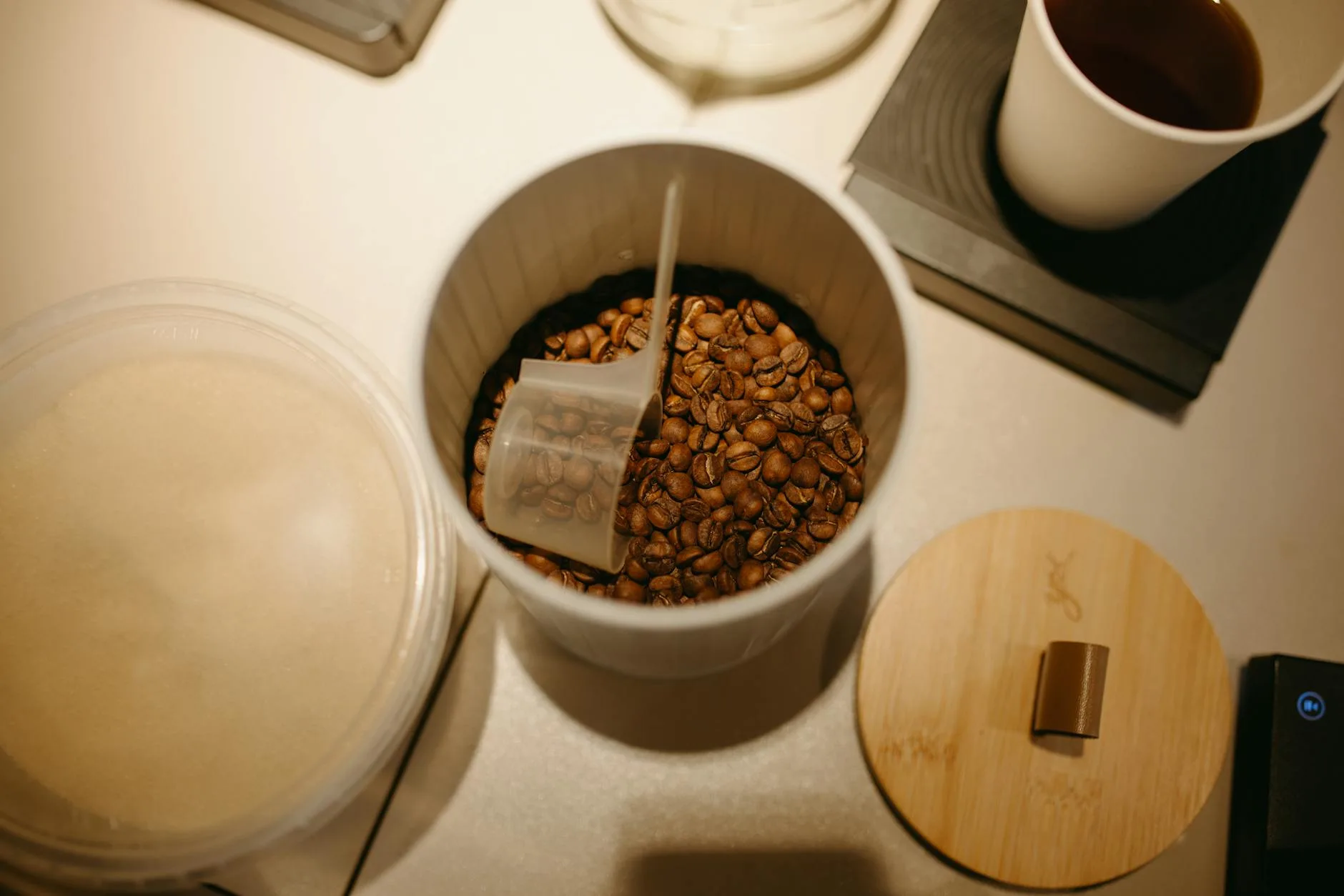
Types of Coffee Canisters
The material and design of your canister affects both performance and practicality. Each type has distinct advantages depending on your priorities and budget.
Stainless Steel Canisters
Stainless steel offers the best combination of durability and protection. These canisters block light completely, resist dents and scratches, and often feature excellent airtight mechanisms. The Planetary Design Airscape (around £35-45) uses a unique inner lid that presses down onto the beans, reducing air exposure as you use them. The Fellow Atmos (£25-35) creates a proper vacuum seal with its innovative twist-and-lock mechanism.
Steel canisters work particularly well if you keep them in bright kitchens or near windows. They’re also dishwasher-safe, though hand washing preserves the seals better. The main downside is that you can’t see your bean levels without opening the container.
Ceramic and Stoneware Options
Ceramic canisters excel at temperature stability — they won’t heat up from sunlight or kitchen warmth like metal containers can. The material itself provides excellent light protection, and many ceramic models feature beautiful designs that complement kitchen décor. Expect to pay £20-40 for a quality ceramic canister from brands like Le Creuset or Mason Cash.
These containers tend to be heavier than their metal counterparts, which can be both good (stable on the counter) and bad (harder to move around). They’re also more fragile — a drop onto a hard floor usually means game over. But if treated carefully, a good ceramic canister can last decades.
Glass Containers with Protective Features
While clear glass is problematic for coffee storage, some manufacturers have found clever solutions. Bodum makes canisters with black or amber-tinted glass (£15-25) that block most harmful light while still showing your bean levels. Some glass containers come with protective metal sleeves that slide over the glass body when not in use.
Glass canisters often have the best airtight seals because the smooth surface mates perfectly with rubber gaskets. They’re easy to clean and don’t absorb odours like some plastics can. However, they require more careful handling and offer less temperature protection than opaque materials.
Vacuum-Sealed Systems
The premium end of coffee storage involves active vacuum systems. The Coffeevac (£45-60) uses a manual pump to remove air from the container, while electronic models like the Foodsaver canisters (£30-50 for the canister, plus the vacuum pump system) automate the process.
These systems provide the ultimate freshness protection by removing virtually all oxygen from the container. They’re particularly worthwhile if you buy expensive single-origin beans or only drink coffee occasionally. The trade-off is complexity — you need to remember to re-vacuum the container after each use.
How to Evaluate Your Coffee Storage Needs
Choosing the right canister starts with understanding your coffee consumption patterns and storage environment. Your perfect solution depends on factors that are unique to your household and routine.
Consider your consumption rate first. If you go through 250g of coffee beans in a week, you need a different solution than someone who takes two months to finish the same amount. Fast coffee drinkers can prioritise convenience and size over ultra-premium freshness features. Slower consumers should invest in the best possible protection against staleness.
Assess your kitchen environment. South-facing kitchens with large windows need better light protection than north-facing rooms. Kitchens that get warm from cooking or heating need containers that resist temperature changes. If your kitchen is humid (maybe you live near the coast, or it’s connected to a utility room with a tumble dryer), airtight sealing becomes even more critical.
Think about your morning routine. If you’re rushing to make coffee before work, fumbling with complicated vacuum pumps or tight-fitting lids becomes frustrating quickly. Choose systems that work well when you’re half-awake and in a hurry. Some people love the ritual of using a vacuum canister; others find it tedious.
Factor in counter space and aesthetics. Coffee canisters live on display in most kitchens, so appearance matters. But don’t sacrifice function for looks — a beautiful container that doesn’t keep your coffee fresh is a waste of money. Look for options that balance both, or consider whether you have cupboard space for a purely functional choice.
Budget realistically for the long term. A £15 canister that keeps your coffee fresh might save you more money than a £50 one that doesn’t suit your habits and ends up unused. But equally, spending £40 on proper storage for £12/kg coffee beans makes perfect sense — you’re protecting your investment.
Sizing Your Coffee Canister
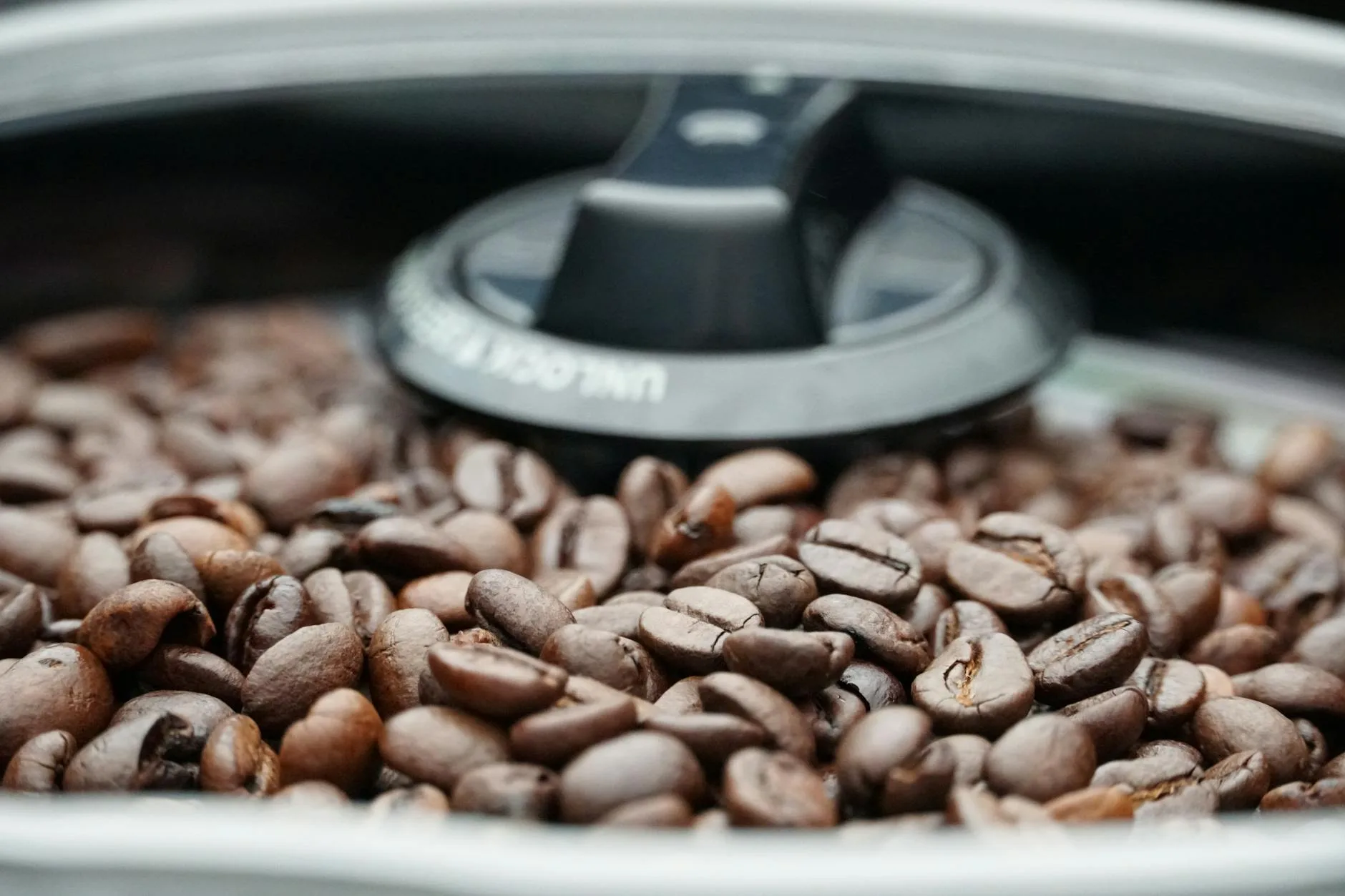
Getting the size right affects both freshness and convenience. Too large, and you’re storing beans in a container that’s mostly air. Too small, and you’re constantly refilling or crushing beans as you force the lid closed.
The two-week rule provides a good starting point. Buy a canister that holds roughly two weeks’ worth of beans for your household. This balances freshness (beans don’t sit around for months) with convenience (you’re not refilling constantly). For a single coffee drinker having one cup daily, this means a 200-250g capacity. A household with multiple coffee drinkers might need 500g-1kg.
Account for different bean densities. Light-roasted beans are denser than dark roasts, so they take up less space. If you switch between roast levels regularly, size your canister for the fluffiest (darkest) beans you buy. Ethiopian light roasts pack much tighter than Italian dark roasts.
Consider buying multiple smaller containers rather than one large one. This approach works well if different household members prefer different coffee types, or if you like to keep both decaf and regular beans. It also means you can open one container while keeping others sealed. Three 250g canisters often work better than one 750g container.
Think about bag sizes from your usual suppliers. UK coffee roasters typically sell in 250g, 500g, or 1kg bags. Choose canisters that accommodate your preferred purchase size with a bit of room to spare. Having to split a bag between containers defeats the purpose of having proper storage.
Factor in grind storage if relevant. Some households grind a week’s worth of coffee at once rather than grinding daily. If this describes you, you might need separate storage for whole beans and ground coffee. Ground coffee goes stale much faster, so prioritise your freshest canister for whole beans.
Common Storage Mistakes to Avoid
Even with a good canister, poor storage habits can ruin your coffee. These mistakes are easy to make but just as easy to avoid once you know what to watch for.
Never store coffee in the fridge or freezer. This is perhaps the most persistent coffee myth. Cold storage creates condensation when you remove the container, and moisture is one of coffee’s worst enemies. The fridge also exposes your beans to food odours that they’ll absorb readily. Room temperature storage in a proper canister beats cold storage every time.
Don’t overfill your canister. Cramming beans into a container can damage them and prevent proper sealing. Leave about 10% headspace so the lid closes without pressure. If your new bag doesn’t fit comfortably, use a temporary container for the excess until you’ve used enough from the main canister.
Avoid transferring between containers unnecessarily. Every time you handle beans, they lose some oils and pick up potential contaminants. Pour from the original bag directly into your canister, then stick with that container until empty. Don’t decant from canister to temporary storage and back again.
Don’t mix old and new beans. When your canister is nearly empty and you get a fresh bag, use up the old beans first rather than topping up. Old beans contaminate new ones, and you’ll never get the full freshness benefit from your new purchase. If you must mix them, use the combined beans quickly.
Keep canisters clean but not over-cleaned. Wash canisters every few weeks with warm soapy water, rinse thoroughly, and dry completely before refilling. But don’t use harsh detergents or put them through harsh dishwasher cycles that might damage seals. Coffee oils actually help preserve freshness, so sparkling clean isn’t always better.
Where to Store Your Coffee Canister
Location affects coffee freshness almost as much as the canister itself. The perfect spot protects against heat, light, and humidity while remaining convenient for daily use.
Kitchen cupboards often provide ideal conditions. A cupboard away from the oven, dishwasher, and any heating pipes offers stable temperature and complete darkness. Upper cupboards tend to be cooler than lower ones, and corner cupboards stay more stable than those above appliances. The downside is accessibility — you need to remember to close the cupboard door consistently.
Worktop storage works if positioned carefully. Keep canisters away from windows, the hob, and the kettle. A spot near your coffee-making station makes sense for convenience, but not if it’s next to heat sources. North-facing worktops stay cooler than south-facing ones. If your kitchen gets morning sun, choose a spot that stays shadowed.
Avoid the utility room or garage. These areas often experience temperature swings and humidity changes that coffee hates. Even in a good canister, beans stored in unstable conditions deteriorate faster than those in consistent environments.
Pantries and larders work well if they’re not too warm or humid. These spaces usually offer good temperature stability and darkness. Just make sure the area doesn’t get steamy when you’re cooking or running hot appliances nearby.
Consider seasonal changes when choosing your spot. That lovely sunny windowsill might be perfect in winter but creates a greenhouse effect in summer. Pick a location that works year-round, or be prepared to move your canister as seasons change.
Maintenance and Cleaning
Proper maintenance keeps your canister functioning in practice and prevents off-flavours from building up over time. A little regular attention makes a significant difference to coffee freshness.
Clean monthly, not weekly. Coffee canisters don’t need frequent deep cleaning — in fact, over-washing can damage seals and remove beneficial coffee oils. Once a month, wash with warm soapy water, paying special attention to the seal areas where old coffee particles might accumulate.
Dry completely before refilling. Any moisture left in the canister will cause your new beans to deteriorate rapidly. Air-dry for several hours, or use a clean tea towel to dry thoroughly. Pay particular attention to the lid mechanism and seal areas where water can hide.
Check seals regularly for damage or debris. Rubber and silicone seals can crack over time, especially if exposed to temperature extremes. Replace damaged seals promptly — most manufacturers sell replacement parts. Clean debris from seal grooves using a soft brush or cloth.
Don’t use harsh chemicals or abrasive cleaners that might leave residues or damage surfaces. Soap and water handle most cleaning needs. For stubborn coffee oil buildup, a paste of baking soda and water works in practice without harsh chemicals.
Store empty containers with lids slightly ajar to prevent musty odours from developing. If you’re not using a canister for an extended period, clean it thoroughly and store it in a dry place with the lid cracked open slightly for air circulation.
Alternatives and Budget Options
Not everyone needs a premium coffee canister. Several alternatives work well if you understand their limitations and use them correctly.
Mason jars provide decent short-term storage for small quantities of coffee. Choose wide-mouth jars for easy access, and wrap them in a tea towel or store them in a dark cupboard to block light. They’re not truly airtight but work well for beans you’ll use within a week.
Mylar bags with heat sealers offer professional-level protection at a low cost per use. Food-grade mylar blocks light and oxygen completely. You heat-seal portions of beans into individual bags, then store the bags in any container. This works particularly well for bulk buyers who want to portion out large purchases.
Original packaging with modifications can work for short-term storage. Fold down the bag tightly, clip it securely, and store it inside a larger airtight container or tin. This protects against light and provides an extra barrier against air. Not perfect, but much better than leaving bags open.
Plastic containers specifically designed for coffee offer an affordable middle ground. Look for ones with rubber gasket seals and opaque sides. Brands like Sistema and Brabantia make coffee-specific containers for £10-20 that outperform generic plastic storage boxes.
Food-grade metal tins from tea or biscuit packaging can work temporarily if they have tight-fitting lids. They block light well and cost nothing if you’re repurposing existing containers. Clean them thoroughly first and check that the lid seals properly.
Frequently Asked Questions
How long do coffee beans stay fresh in a good canister? Whole beans maintain peak flavour for 2-4 weeks when stored properly. They’re still drinkable for 6-8 weeks, but flavour quality declines noticeably. Pre-ground coffee only stays at its best for 1-2 weeks in any storage container.
Should I remove the one-way valve from coffee bags before storing? It depends on your canister. If your container has its own one-way valve system, remove the bag valve to prevent interference. If not, leaving the bag valve can actually help by providing an escape route for CO2 from freshly roasted beans.
Can I store different coffee types in the same canister? Only if you clean thoroughly between different coffees. Flavour oils from strong coffees (like dark roasts) can contaminate milder ones. Many coffee lovers keep separate canisters for different types to avoid flavour crossover.
How do I know if my canister’s seal has failed? A properly sealed canister should feel slightly difficult to open if it’s been closed for several hours — you’re breaking a partial vacuum. If it opens easily every time, the seal may be compromised. Also, coffee that goes stale faster than expected suggests seal problems.
Is it worth buying an expensive canister for cheap coffee? Not usually. If you’re buying pre-ground coffee from the supermarket, a basic airtight container will preserve what freshness exists without major investment. Save premium storage solutions for premium beans where the difference is more noticeable.
Bottom Line
The right coffee canister transforms your daily brew from acceptable to exceptional by preserving the flavours and aromas that make good coffee worth drinking. Whether you choose a basic airtight container or invest in a premium vacuum system, the key is matching the solution to your coffee habits and consumption patterns.
For most UK coffee lovers, a medium-sized stainless steel or ceramic canister with a quality airtight seal provides the best balance of freshness protection, durability, and value. Brands like Fellow, Planetary Design, and OXO offer excellent options in the £25-45 range that will serve you well for years.
Remember that even the best canister can’t rescue old beans or poor-quality coffee — it can only preserve what’s already there. Understanding how roast levels affect flavour helps you pick beans that suit your taste. Buy fresh, roasted-to-order beans from reputable UK roasters like Hasbean, Square Mile, or your local coffee shop, store them properly in your chosen canister, and you’ll taste the difference immediately.
Your coffee deserves better than sitting in an opened bag, slowly losing everything that makes it special. Choose a canister that fits your routine, maintain it properly, and enjoy consistently better coffee every morning. That’s a small investment that pays dividends in every cup.