It is 7:10 on a wet Tuesday morning, the kettle is still half-full from yesterday, and the small aluminium moka pot on the hob is making that familiar low hiss. You want a short, strong coffee before the school run, the train, or the first Teams call, but you do not want bitter, burnt coffee bubbling all over the cooker. This guide shows how to use a stovetop espresso maker well, without treating it like a miniature espresso machine.
In This Article
- What a Moka Pot Is and What It Is Not
- What You Need Before You Brew
- How to Use a Moka Pot
- Grind Dose and Water Choices
- Brewing on Gas Induction and Electric Hobs
- Common Moka Pot Mistakes and How to Fix Them
- Cleaning Maintenance and Safety
- Serving Ideas and Milk Drinks
- Is a Moka Pot Right for Your Coffee Setup
- Frequently Asked Questions
What a Moka Pot Is and What It Is Not
A moka pot is a stovetop coffee brewer made from three main parts: a lower water chamber, a metal filter basket for ground coffee, and an upper chamber where the brewed coffee collects. As the water heats, pressure pushes it up through the coffee bed and into the top chamber. The result is concentrated, full-bodied coffee with more intensity than cafetière or pour-over, but less pressure and less crema than true espresso.
That difference matters. A moka pot is often sold as a stovetop espresso maker, and the coffee can work nicely in espresso-style drinks, but it does not brew at the 9 bars of pressure used by an espresso machine. If you are comparing extraction, tamping, yield and shot timing, read How to Dial In Espresso: A Beginner’s Guide alongside this moka pot guide. The principles overlap, yet the technique is different.
Owners typically notice that moka pot coffee has a heavy texture, a roasted aroma, and a punchy finish. It can also become harsh if the pot is overheated or if the coffee is ground too fine. In practice is that a moka pot is best treated as its own brew method rather than a cheaper imitation of an espresso machine.
Why moka pot coffee tastes so strong
A moka pot uses a relatively high coffee-to-water ratio. The drink is short, concentrated and aromatic, so it feels stronger than a mug of filter coffee even when the caffeine content depends on dose and serving size. It is ideal if you like a compact cup, an Americano-style drink topped up with hot water, or a base for warm milk.
The metal filter also lets more oils and fine particles into the cup than a paper filter would. That gives body and intensity. If you prefer a cleaner, lighter cup with more clarity, you may prefer pour-over or AeroPress. For a broader comparison of those choices, see Pour Over vs French Press vs AeroPress: Brew Method Guide.
Aluminium or stainless steel
Traditional moka pots are aluminium. They are light, affordable and widely available, with small models often around £20 to £35 and larger branded versions closer to £40 or more. Stainless steel moka pots cost more, often £30 to £70, but they are tougher, less reactive, and more likely to work on induction if the base is compatible.
In a small UK kitchen, I would choose stainless steel if induction compatibility and dishwasher resistance matter, although hand washing is still kinder. I would choose aluminium if I wanted the classic look, low cost and fast heat response. The important point is fit: the gasket should seal cleanly, the filter plate should sit flat, and the safety valve must never be blocked.
What You Need Before You Brew
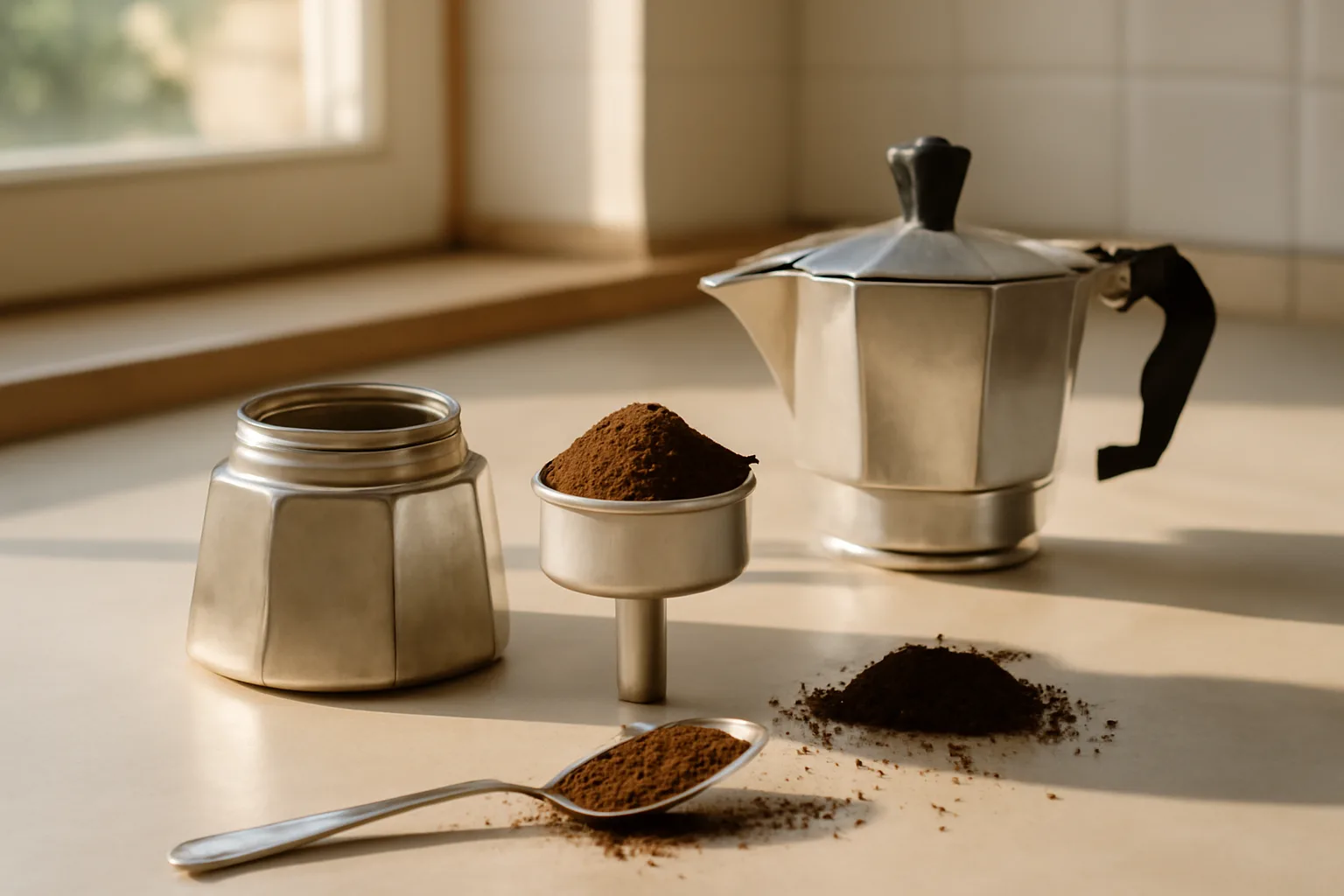
A moka pot is low-tech, but the setup choices influence the cup. The brewer itself is only one part of the method. Coffee freshness, grind size, water level and heat control all matter.
You need:
- A clean moka pot with an intact rubber or silicone gasket
- Fresh coffee beans or ground coffee suitable for moka pot brewing
- A grinder if using whole beans
- Filtered water if your tap water is very hard or heavily chlorinated
- A hob, camping stove, or induction plate if compatible
- A towel or oven glove for handling hot metal
- A cup, small jug, or milk pan if making a longer drink
The official Bialetti Moka Express manual is useful if you own that classic model, especially for safety guidance, assembly order and cleaning limits. Different brands have small design differences, but the core brewing process is similar.
Pick the right size pot
Moka pots are usually sized in cups, but those cups are small. A 3-cup moka pot does not make three mugs; it usually produces roughly 120 to 150ml of concentrated coffee. A 6-cup pot may produce around 250 to 300ml depending on the model and how you stop the brew.
Choose based on how much concentrated coffee you actually want. Moka pots work best when the basket is filled properly, so buying a large pot for occasional single servings is not ideal. If you mostly brew for one person, a 2-cup or 3-cup model is practical. For two milk drinks, a 4-cup or 6-cup model often suits better.
Use coffee roasted for balance
Very dark roasts can taste smoky and bitter in a moka pot because the brewer emphasises body and roast notes. Very light roasts can work, but they may taste sharp unless the grind and heat are well controlled. Medium to medium-dark roasts are the safest place to start.
Look for beans described with chocolate, nut, caramel, brown sugar, dried fruit or gentle spice notes. If buying supermarket coffee, choose the freshest roast date you can find. If buying from a local roaster, ask for a moka pot grind or buy whole beans and grind at home.
How to Use a Moka Pot
The core method is simple: water in the bottom, coffee in the basket, gentle heat, then stop the brew before the final angry sputter. Many people own a moka pot but were never shown the small details that prevent burnt flavours because many people own one but were never shown the small details that prevent burnt flavours.
Prepare the brewer
Start with a clean, dry moka pot. Unscrew the top from the bottom and remove the filter basket. Check that the gasket is seated in the upper chamber and that the metal filter plate is clean. Look at the safety valve on the lower chamber; it should be clear and not crusted with limescale or old coffee residue.
If the pot smells stale, wash it before brewing. Old coffee oils are a common reason moka pot brews taste rancid. Avoid strong washing-up liquid scents lingering inside the brewer; rinse well and dry the parts.
Add water to the lower chamber
Fill the bottom chamber with water up to just below the safety valve. Do not cover the valve. Many people use cold water, which is fine, but pre-heated water can reduce the time the coffee grounds spend near a hot metal chamber before brewing starts. That can help reduce bitter, baked flavours.
If using pre-heated water, be careful because the lower chamber becomes hot quickly. Use a towel when screwing the pot together. You do not need boiling water straight from the kettle; hot water is enough.
Fill the basket with coffee
Add ground coffee to the filter basket until it is level with the rim. Do not tamp it like espresso. Gently level the surface with a finger or the back of a spoon, brushing away grounds from the rim so the pot seals properly.
The coffee bed should be evenly filled but not compressed. Tamping can block water flow, raise pressure, and cause bitter extraction or leaking around the gasket. If you have ever prepared espresso, this is one of the main habits to unlearn.
Assemble and heat
Place the filled basket into the lower chamber, then screw on the top chamber. Tighten firmly but do not force it. Put the pot on a low to medium heat. The flame or heating zone should not extend beyond the base of the pot.
Leave the lid open if you can do so safely. This lets you watch the brew. Coffee should begin to flow into the upper chamber as a steady, honey-like stream. If it explodes upward, the heat is too high or the grind is too fine. If it takes a very long time and barely dribbles, the heat may be too low, the grind too fine, or the basket overfilled.
Stop before the final sputter
As the upper chamber fills, the stream will lighten and become more bubbly. Remove the pot from the heat before the loud, dry sputtering phase takes over. Some brewers like to run the base under cold tap water for a few seconds to stop extraction quickly. This is useful if your coffee often tastes burnt or metallic.
Pour the coffee soon after brewing. Leaving it sitting in the hot upper chamber can make it taste harsher. If serving two cups, give the coffee a gentle swirl in the top chamber before pouring so the first cup and second cup taste similar.
Grind Dose and Water Choices
Good moka pot coffee depends on restriction. The grind must be fine enough to create resistance but not so fine that it chokes the brew. The dose should fill the basket without packing. Water should be clean-tasting and measured by the pot design, not by guesswork.
Best grind size for a moka pot
Aim for a grind finer than cafetière but coarser than espresso. It often looks like fine table salt. If you only have pre-ground coffee, choose a pack labelled for moka pot, espresso grind, or stovetop brewing, but be aware that some espresso-ground supermarket coffee may be a little too fine.
Use taste and flow as your guide:
- Sour, thin coffee usually needs a slightly finer grind, a little more heat, or fresher beans
- Bitter, dry coffee usually needs a coarser grind, lower heat, or an earlier stop
- Gritty coffee may mean the grind is uneven or too fine for the metal filter
- Weak coffee may mean the basket was underfilled or the pot was removed too soon
The Specialty Coffee Association coffee standards are a useful reference for understanding brewing variables such as water, cupping quality and extraction language. You do not need lab equipment for a moka pot, but the same broad ideas apply: grind, water, contact time and temperature shape flavour.
Do you weigh the coffee?
You can weigh the coffee if you want repeatability, but moka pots are designed around filling the basket. A typical 3-cup moka pot may take around 14 to 18g of coffee, while a 6-cup pot may take around 28 to 35g. Actual dose varies by brand, basket depth and grind.
If you do weigh, record the amount that fills your basket level without compression. That becomes your house recipe. If you change beans or grind setting, the weight may shift slightly because darker roasts are less dense than lighter roasts.
Water quality in UK homes
Hard water is common across much of England, especially in London, the South East and parts of the Midlands. Hard water can mute sweetness, create limescale around the valve, and make the inside of the lower chamber look chalky. A basic filter jug can help if your tap water tastes poor.
Do not use distilled water on its own. Coffee needs some minerals for good flavour, and the brewer also benefits from normal food-safe water. If your kettle furs up quickly, descale the moka pot more regularly and inspect the valve.
Brewing on Gas Induction and Electric Hobs
The best heat source is the one you can control. A moka pot rewards patience. Too much heat pushes water through the coffee too fast, overheats the upper chamber, and creates the harsh taste many people blame on the brewer.
Gas hob technique
Gas is responsive, which makes it well suited to moka pot brewing. Use the smallest burner that supports the pot safely. Keep the flame under the base, not licking around the sides. Start low to medium rather than high.
If your moka pot is tiny, use a reducer ring so it sits securely. A wobbly pot is a burn risk. The handle should not sit directly over the flame, especially on aluminium models with plastic handles.
Electric ceramic hob technique
Electric hobs retain heat after you turn them down. Start at a medium setting, then reduce heat once coffee begins to appear. Because the hob stays hot, you may need to lift the moka pot partly off the ring or remove it earlier than you would on gas.
Owners typically find that the first few brews on a ceramic hob need adjustment. Listen for the change from quiet flow to bubbling. If the brew turns noisy and pale too soon, remove it earlier next time.
Induction hob technique
Not all moka pots work on induction. Aluminium models usually do not unless used with an induction adapter plate. Stainless steel models may work if the base is magnetic and wide enough for the hob sensor. Before buying, check the manufacturer’s induction compatibility notes.
An induction adapter plate often costs around £10 to £20. It lets you use a classic aluminium pot, but it adds lag because the plate heats first and then transfers heat to the brewer. If you use induction every day, a purpose-made induction moka pot is usually the neater choice.
Common Moka Pot Mistakes and How to Fix Them
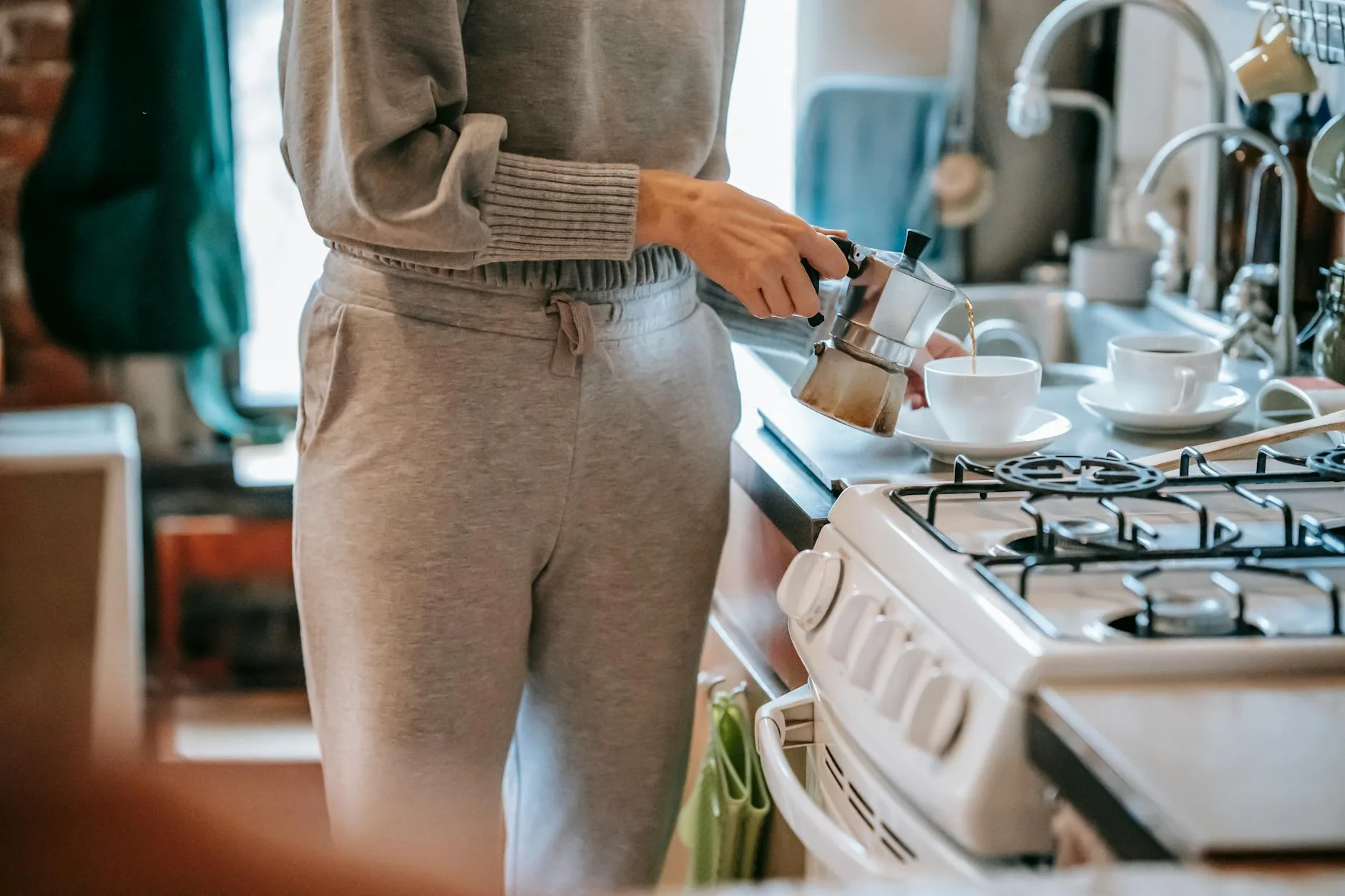
Most poor moka pot coffee comes from a few repeatable issues. The good news is that each has a practical fix. Change one variable at a time, or you will not know what helped.
The coffee tastes burnt
Burnt moka pot coffee usually means too much heat, too long on the hob, old coffee oils in the brewer, or a very dark roast. Try using hot water in the lower chamber, lower hob heat, and remove the pot before the final sputter. Rinse the base under cold water to stop extraction if needed.
Also clean the upper chamber thoroughly. Old oils cling around the central column and under the lid. A seasoned pot should not mean a dirty pot; it should be clean metal without a perfumed detergent smell.
The moka pot sputters too early
Early sputtering can happen when the basket is underfilled, the grind is too coarse, the seal is poor, or the heat is too high. Make sure the basket is full and level. Check that no grounds are trapped on the rim. Inspect the gasket for cracks, flattening or stiffness.
If the pot is old and has started leaking steam from the join, replace the gasket and filter plate. Replacement parts are inexpensive, often under £10, and can make an old brewer behave properly again.
Water or steam leaks from the side
Leaking usually points to a sealing issue. The pot may not be tightened enough, the gasket may be worn, or coffee grounds may be sitting on the rim. Let the brewer cool before taking it apart. Never try to tighten a hot moka pot while it is under pressure.
Clean the rim of the lower chamber and the underside of the top chamber. Reassemble with a dry gasket. If the leak continues, replace the gasket. Do not keep brewing with a pot that vents from the side, as pressure and hot water can cause burns.
The coffee is weak and watery
Weak coffee can come from underdosing, a coarse grind, low coffee freshness, or stopping the brew too soon. Fill the basket to the rim without tamping. Grind a notch finer. Use fresher beans. If you are diluting with water or milk, taste the moka coffee before dilution to understand the base brew.
If you want a lighter mug rather than an intense short cup, you may be happier with a different method. Cold brew is another low-effort option for smooth coffee, particularly in summer; see Best Cold Brew Coffee Makers 2026 UK if you want a make-ahead brewer for the fridge.
The brew takes too long
A moka pot that takes ages may be on too low a heat, but it may also be choked by fine coffee. If the top chamber stays empty for several minutes and then spurts suddenly, coarsen the grind. If the coffee tastes bitter and dry, coarsen it again and lower the heat once flow begins.
Do not walk away and leave the pot. A moka pot is quick, but it needs attention for the final minute. That small habit is the difference between rich coffee and a scorched metal taste.
Cleaning Maintenance and Safety
A moka pot lasts for years if it is cleaned, dried and stored correctly. Neglect tends to show up as stale flavour first, then leaking, blocked valves or corroded parts.
Daily cleaning
After brewing, let the pot cool until safe to handle. Unscrew it, knock out the spent coffee, and rinse all parts with warm water. Use a soft brush or cloth to remove oils and fine grounds. Dry the parts separately before reassembling, or leave the pot loosely assembled so air can circulate.
Many aluminium moka pots should not go in the dishwasher because dishwasher salts and detergents can damage the surface. Stainless steel models may be labelled dishwasher-safe, but hand washing preserves gaskets and finish for longer.
Dealing with limescale
If you live in a hard-water area, limescale can build around the safety valve and inside the lower chamber. Use a food-safe descaling approach recommended by the manufacturer. A mild citric acid solution can help, but rinse thoroughly and avoid soaking aluminium for too long unless the manual allows it.
The safety valve matters. It is there to release pressure if the normal path through the coffee is blocked. Keep it clean, never cover it with water, and do not use the pot if the valve appears damaged or stuck.
Replacing gaskets and filters
Gaskets are consumable parts. If the rubber feels brittle, smells burnt, looks cracked or no longer seals, replace it. The metal filter plate can also clog or warp over time. Replacement kits are widely available online and in kitchen shops.
Match the replacement to the brand and cup size. A 3-cup gasket from one brand may not fit another. If you are unsure, measure the old gasket or search by model name.
Safety habits that matter
A moka pot works under pressure, so treat it with care:
- Do not tamp the coffee
- Do not overfill the water chamber above the safety valve
- Do not use very fine espresso powder that blocks the basket
- Do not open the pot while hot or under pressure
- Do not use a damaged gasket, cracked handle or faulty valve
- Keep the handle away from flames and hot rings
These habits are not about fussiness; they prevent leaks, burns and ruined coffee.
Serving Ideas and Milk Drinks
Moka pot coffee is flexible. You can drink it short, lengthen it, chill it, or pair it with milk. The key is to remember that it is concentrated, so small changes in dilution alter the drink.
Short black moka coffee
Pour the brew into a small cup and drink it as it is. This works best with balanced medium roasts. If the flavour is intense but pleasant, you have brewed well. If it is ashy, dry or metallic, adjust heat and grind before blaming the beans.
A tiny pinch of sugar is traditional in some households and can round off darker roasts. It is optional, but moka pot coffee often carries caramel and cocoa notes well.
Moka Americano
For a longer black coffee, add hot water to the cup first, then pour moka coffee on top. Start with roughly equal parts hot water and moka coffee, then adjust. This keeps the drink warm and softens the intensity.
If your moka Americano tastes hollow, the base brew may be weak. If it tastes harsh, stop the moka pot earlier or use a slightly coarser grind.
Moka latte or flat white style drink
Warm milk in a pan or microwave, then froth it with a small hand frother or French press. Add moka coffee to the cup and pour milk over it. This will not have the same texture as a café flat white made on an espresso machine, but it can be rich, comforting and affordable.
For a stronger milk drink, use less milk rather than trying to over-extract the coffee. Over-extraction adds bitterness, not strength in a pleasant sense.
Iced moka coffee
Brew the moka pot, stop it early enough to avoid harshness, then pour over plenty of ice. Add cold milk if desired. If you plan to serve it iced, a slightly fuller dose and medium roast work well because chilling mutes aroma.
Do not put a hot aluminium moka pot directly into the fridge. Cool the brewed coffee in a separate jug if making iced drinks for later.
Is a Moka Pot Right for Your Coffee Setup
A moka pot suits people who want strong coffee without buying an espresso machine. It is compact, cheap to run, and easy to store in a cupboard. It also has a pleasing ritual: fill, heat, listen, pour. For many UK homes, that ritual is part of the appeal.
The trade-off is control. You cannot adjust pressure in the same way you can on an espresso machine, and you cannot walk away as you might with some filter brewers. It also makes concentrated coffee in fixed batch sizes, so the brewer size must match your household.
Best reasons to buy one
A moka pot is a good choice if you:
- Like short, strong coffee with body
- Want a low-cost brewer, usually from around £20
- Have limited counter space
- Enjoy milk drinks but do not want an espresso machine
- Want a durable brewer with replaceable parts
- Brew for one or two people most of the time
My opinion: if someone has a blade grinder, no scales, and a tight budget, a moka pot can still produce satisfying coffee with pre-ground beans. If someone already owns a good burr grinder and likes clean, bright cups, I would point them towards pour-over or AeroPress before moka.
Reasons to choose another method
Choose another brewer if you want large mugs with minimal attention, paper-filter clarity, or true espresso. A cafetière is easier for bigger servings. Pour-over gives cleaner flavours. AeroPress is more forgiving for travel. Espresso machines offer crema, pressure profiling and steamed milk, but at a much higher price and with a steeper learning curve.
A moka pot sits in the middle: stronger than filter, simpler than espresso, and more hands-on than automatic brewing. That middle ground is exactly why it remains popular.
A reliable starting recipe
Use this as a baseline, then adjust by taste:
- Fill the lower chamber with hot water to just below the safety valve
- Fill the basket level with medium-fine coffee, without tamping
- Wipe the rim clear of grounds
- Assemble the pot firmly using a towel if the base is hot
- Brew on low to medium heat with the lid open if safe
- Remove from heat when the stream turns pale and bubbly
- Cool the base briefly under the tap if the brew tends to run bitter
- Swirl and serve at once
If you make only one change after reading this guide, make it heat control. A gentle brew stopped early beats a fierce boil every time.
Two small setup choices make a big difference once the basic method is working. If the coffee still swings between sour and bitter, use our coffee grind sizes guide to sanity-check the texture, then keep opened beans stable with the advice in how to keep coffee beans fresh for longer.
Frequently Asked Questions
Is a moka pot the same as an espresso maker? No. A moka pot makes concentrated coffee under modest steam pressure, while an espresso machine uses much higher pressure to create a different texture and crema. Moka coffee can replace espresso in some home milk drinks, but it is not technically espresso.
What grind size should I use for a moka pot? Use a medium-fine grind, finer than cafetière and usually coarser than espresso. If the brew tastes bitter or sputters violently, go coarser and use less heat. If it tastes thin or sour, try slightly finer coffee or fresher beans.
Should I use hot or cold water in the bottom chamber? Both work, but hot water can reduce the time ground coffee sits in a heating metal pot before extraction starts. Many brewers prefer hot water for a cleaner taste. If you use it, handle the base with a towel and assemble carefully.
Why should I not tamp moka pot coffee? Tamping can block water flow and create too much resistance. That can cause leaking, harsh flavours, or unsafe pressure build-up. Fill the basket level, distribute the grounds gently, and leave the coffee bed uncompressed.
How do I stop moka pot coffee tasting bitter? Use lower heat, remove the pot before the final sputter, clean away old coffee oils, and avoid grinding too fine. A medium roast often tastes smoother than a very dark roast in a moka pot.
Can I use a moka pot on induction? Only if the moka pot is induction-compatible or you use an induction adapter plate. Many aluminium models will not work directly on induction. Stainless steel models with a magnetic base are the safer choice for induction hobs.
How often should I replace the gasket? Replace the gasket when it becomes hard, cracked, loose, flattened or burnt-smelling. For regular use, many households replace it every year or two, but heavy use or high heat can shorten its life.