It’s July, it’s 28 degrees in the kitchen, and your usual espresso ritual feels about as appealing as a hot bath. You want good coffee, just cold. Cold brew isn’t iced coffee — it’s not hot coffee poured over ice, which dilutes and turns bitter. Cold brew steeps coarsely ground beans in cold water for 12-24 hours, producing a smooth, low-acid concentrate that’s a completely different drink. The equipment couldn’t be simpler, but some makers do it better than others. Here’s what’s worth buying in the UK.
In This Article
- What Makes Cold Brew Different
- Types of Cold Brew Maker
- Our Top Picks
- How to Make Cold Brew at Home
- Grind Size and Beans
- Ratios and Brew Time
- Storing and Serving
- Cold Brew vs Iced Coffee vs Flash Brew
- Frequently Asked Questions
What Makes Cold Brew Different
The Science
Hot water extracts coffee compounds quickly but aggressively — it pulls out bright acids, bitter compounds, and aromatic oils within minutes. Cold water extracts more slowly and selectively. The NHS advises that 400mg of caffeine per day is a reasonable limit for most adults — about 4-5 cups of regular coffee or 3-4 cups of undiluted cold brew concentrate. Over 12-24 hours, it draws out the sweeter, smoother compounds while leaving much of the bitterness behind. The result is a concentrate that’s naturally sweet, smooth, and about 60-70% less acidic than hot-brewed coffee.
Why People Love It
- Smooth flavour — no bitterness, naturally sweet
- Low acid — easier on sensitive stomachs and teeth
- Concentrated — dilute to taste, so one batch goes further
- Keeps for days — make a batch on Sunday, drink it all week
- Versatile — works black, with milk, in cocktails, over ice cream
Why Some People Don’t
Cold brew lacks the bright, complex flavours that pour-over and espresso fans appreciate. If you love the punchy acidity of a light-roast V60, cold brew will taste flat by comparison. It’s a different drink for a different mood — not better or worse, just different.
Types of Cold Brew Maker
Immersion Brewers (Most Common)
A jug or carafe with a removable filter basket. Grounds sit in the filter, submerged in water, for 12-24 hours. Lift out the filter and you’ve got cold brew. Simple, reliable, easy to clean.
Slow-Drip Towers
Cold water drips slowly through a bed of coffee grounds over 3-8 hours. More complex equipment, more theatrical (they look like chemistry apparatus), and produce a lighter, more nuanced brew. Popular in speciality coffee shops but expensive for home use.
DIY Method
A mason jar, coffee grounds, and a sieve. Technically works but produces a muddier brew with more sediment. Fine for experimentation, not ideal for daily drinking. If you already own a French press, that works brilliantly for cold brew — just add coarse grounds, fill with cold water, and steep in the fridge. Press as normal after 12-18 hours.
What to Look for When Buying
Whichever type you choose, a few things matter:
- Filter quality — finer mesh means less sediment in the final brew. Paper-thin mesh or felt filters produce the cleanest result
- Capacity — 1 litre is enough for one person for a week. If multiple people drink it, look for 1.5 litres or more
- Ease of cleaning — removable filter baskets are far easier to clean than built-in mesh. Dishwasher-safe components are a genuine bonus
- Material — glass carafes look better and don’t retain flavours between batches. Plastic is lighter and less breakable but can absorb coffee oils over time
- Seal quality — the lid needs to seal properly for fridge storage. A loose lid lets fridge odours into your cold brew, which is as unpleasant as it sounds
Our Top Picks
Best Overall: Hario Mizudashi Cold Brew Pot (about £20-25)
The simplest, most elegant cold brew maker you can buy. A glass carafe with a fine-mesh filter column. Add grounds to the filter, fill with water, refrigerate for 8-12 hours, remove the filter. Produces 1 litre of clean, sediment-free cold brew. The filter is fine enough that you don’t need paper filters. If you are exploring this area, our guide on Dual Boiler vs Heat Exchanger: Coffee Machine Types Explained covers the essentials.
It’s Japanese-made, looks great on the counter, and costs less than four takeaway cold brews from a coffee chain. Available from Amazon UK, Bella Barista, and Coffee Hit. If you buy one cold brew maker, make it this one.
Best for Large Batches: Country Trading Co Cold Brew Maker (about £30-40)
A 1.5-litre capacity jug with a stainless steel mesh filter. Makes enough cold brew for 5-6 servings per batch — ideal for households where multiple people drink it. Dishwasher-safe components. The larger capacity means longer steep times (14-18 hours works best) but you’re making enough for most of the week.
Best Budget: Any 1-Litre Mason Jar + Muslin (about £5)
If you want to try cold brew before investing in dedicated equipment, a mason jar with muslin cloth draped over the top works. Steep grounds loose in the water, then strain through muslin or a fine sieve lined with a coffee filter. More cleanup, more sediment, but functionally the same process. Plenty of people make excellent cold brew this way permanently.
Best Premium: Toddy Cold Brew System (about £35-45)
The original home cold brew system, designed in the US and popular with serious coffee enthusiasts. Uses a brewing container with a felt filter that produces a remarkably clean concentrate. The felt filter removes more oils and fine particles than mesh filters, giving a smoother result. Available from speciality retailers like Bella Barista.
Best for Slow-Drip: Bruer Cold Brew Drip System (about £50-65)
If you want slow-drip cold brew at home, the Bruer is the most accessible option. Adjustable drip rate, glass construction, and a brew time of 3-8 hours depending on how you set it. Produces a lighter, more tea-like cold brew compared to immersion methods. A conversation starter on the kitchen counter.
How to Make Cold Brew at Home
The Basic Method
- Grind 100g of coffee beans to a coarse grind — roughly the texture of raw sugar or coarse sea salt
- Add the grounds to your cold brew maker’s filter basket
- Pour 700-800ml of cold filtered water over the grounds
- Stir gently to ensure all grounds are wet
- Cover and refrigerate for 12-18 hours
- Remove the filter basket and discard the grounds
- What remains is cold brew concentrate
The Concentrate
Cold brew made at this ratio (roughly 1:7 or 1:8 coffee to water) is a concentrate, not ready-to-drink coffee. Dilute it to taste:
- Black cold brew — mix concentrate 1:1 with cold water or ice
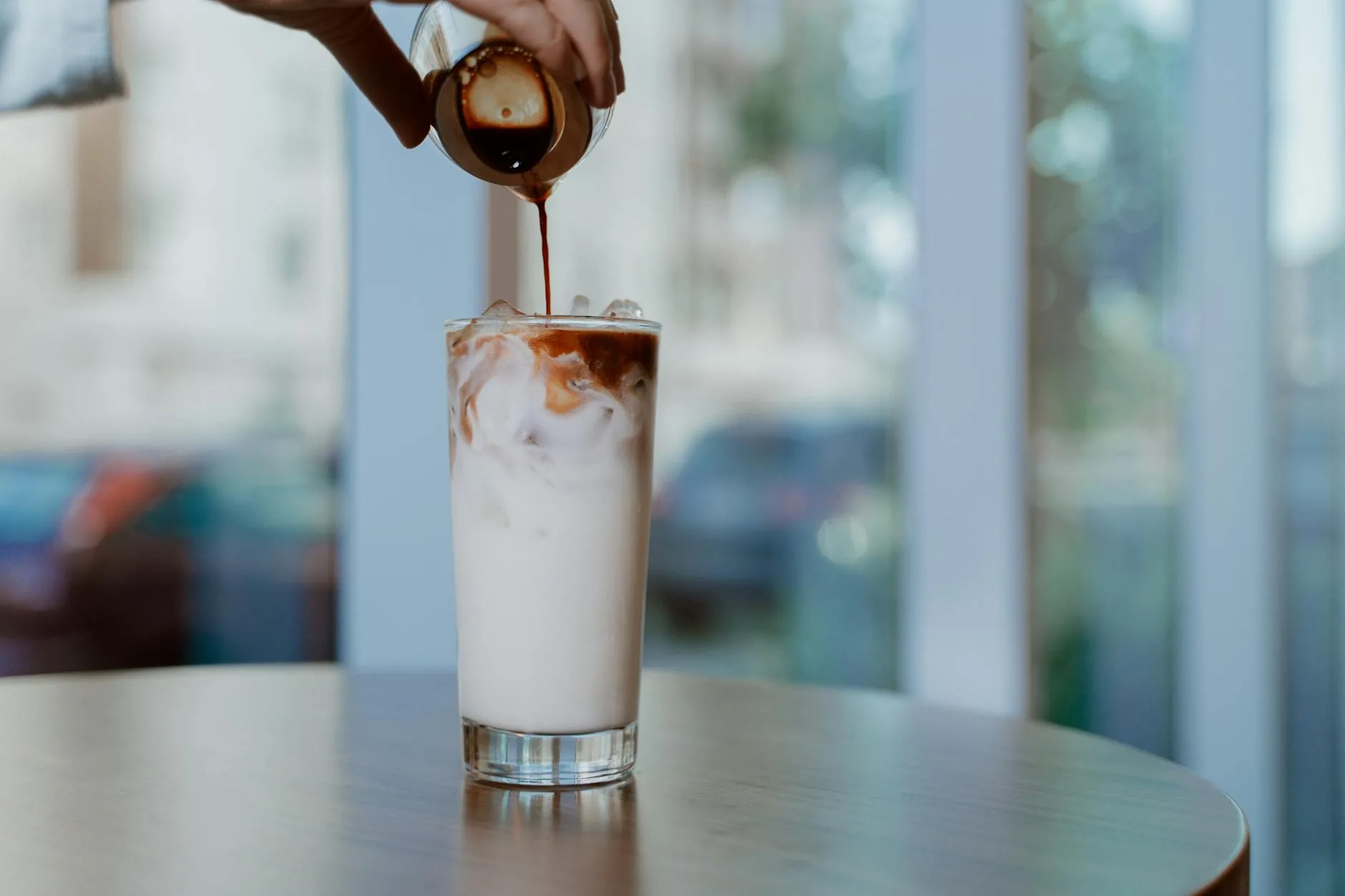
- With milk — one part concentrate, one part milk, ice
- Strong — two parts concentrate, one part water
- Cocktail base — use the concentrate neat or slightly diluted
Adjust the ratio to your taste. The beauty of concentrate is that everyone can customise their own glass.
Grind Size and Beans
Grind Size
Coarse is essential. Fine grounds over-extract in a 12-hour steep, producing a bitter, astringent concentrate that defeats the entire purpose. Aim for the coarsest setting on your grinder — coarser than French press. If you’re using pre-ground coffee, buy “cafetière grind” rather than “filter grind.”
If you’re not sure about grind sizes, our grind size guide covers the full spectrum with visual references. For grinder recommendations at every budget, see our best grinders roundup. You might also find our Best Espresso Machines Under £500: UK Home Barista Guide guide useful here.
Best Beans for Cold Brew
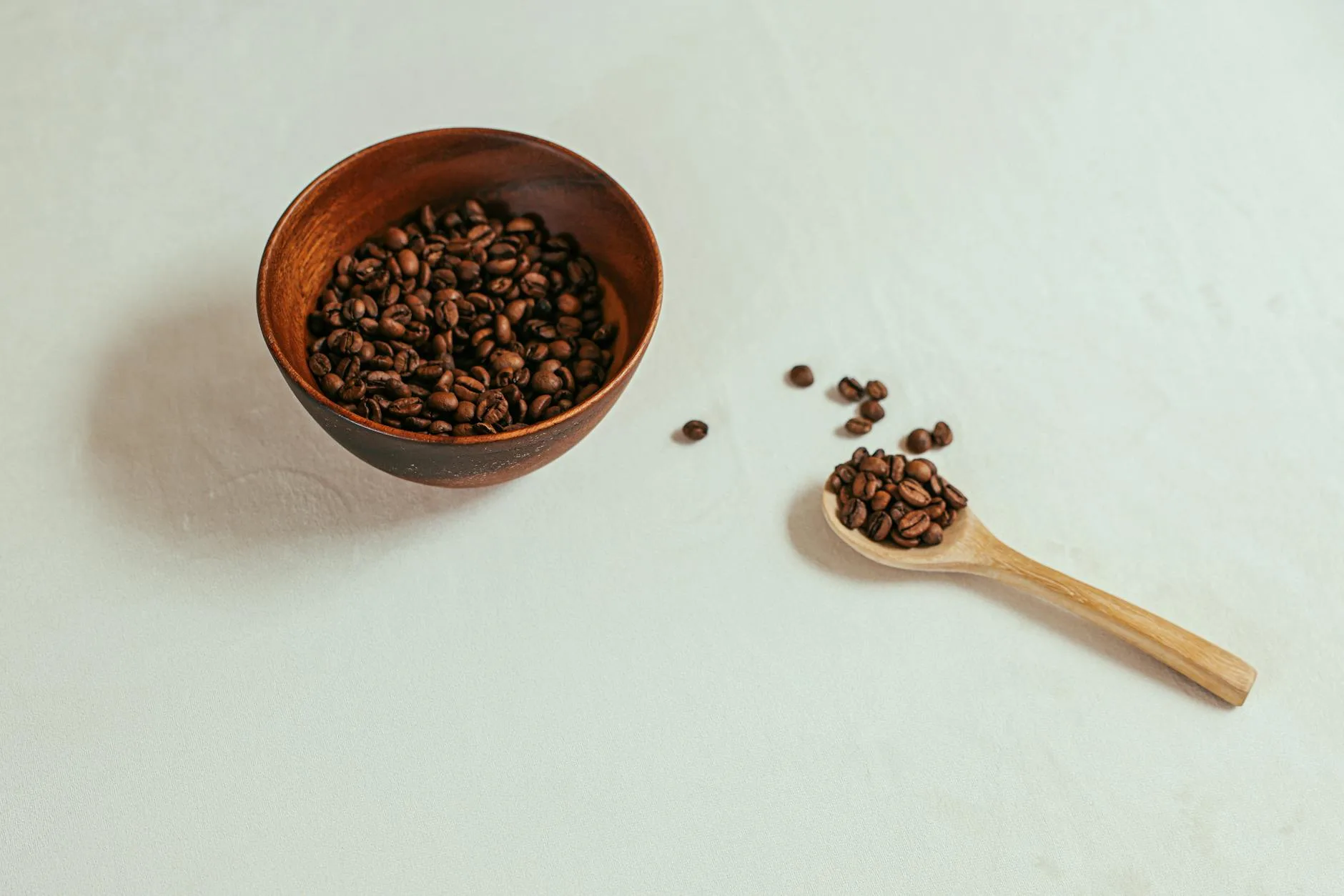
Medium to dark roasts work best. The extended steep time amplifies the characteristics of the bean — a dark roast produces chocolate, caramel, and nutty notes that work beautifully cold. Light roasts can taste sour and thin in cold brew because the fruity acidity that makes them interesting hot doesn’t translate well to cold extraction.
Where to Buy Good Beans
- Pact Coffee — subscription service, delivers freshly roasted beans. Their “Planalto” and “House Blend” work well for cold brew
- Hasbean — Stafford-based roastery with a huge range. Ask for a medium roast recommendation for cold brew
- Origin Coffee — Cornwall-based, excellent quality. Their “Pathfinder” blend is a solid cold brew choice
- Supermarket option — Lavazza Qualità Rossa or Illy medium roast. Both are widely available and produce decent cold brew
Ratios and Brew Time
The Starting Ratio
1:7 (coffee to water by weight) for concentrate. So 100g coffee to 700ml water. This produces a strong concentrate that you’ll dilute before drinking.
For ready-to-drink strength (no dilution needed), use 1:14 or 1:15 — 70g coffee to 1 litre of water. This is less versatile but means you can pour and drink straight from the fridge.
Brew Time
- 12 hours — lighter, smoother, slightly under-extracted. Good starting point
- 18 hours — the sweet spot for most people. Full flavour, smooth, balanced
- 24 hours — maximum extraction. Can start to taste slightly woody or over-extracted with some beans. Not recommended beyond 24 hours
Temperature
Room temperature steeping is slightly faster (12-16 hours to reach full extraction). Refrigerator steeping is slower (16-24 hours) but lower risk of over-extraction and keeps everything fresh. Fridge steeping is the safer choice, especially in warm weather when room temperature might encourage bacterial growth.
Storing and Serving
How Long Does Cold Brew Last?
Concentrate stored in a sealed container in the fridge lasts 7-10 days easily. Some sources say up to 2 weeks, but flavour quality drops off after about a week. Once diluted, drink within 2-3 days.
Best Ways to Serve
- Over ice — the classic. Use large ice cubes (they melt slower and dilute less)
- With oat milk — oat milk’s natural sweetness complements cold brew brilliantly
- Tonic water — cold brew concentrate topped with tonic water over ice. Sounds odd, tastes remarkable. A summer favourite in speciality coffee shops
- Vanilla syrup — a pump of vanilla syrup turns cold brew into something close to a coffee shop iced vanilla latte for about 10p
- Frozen into ice cubes — freeze leftover cold brew in ice cube trays. Use cold brew ice cubes in your next glass so it doesn’t dilute as the ice melts
Batch Prep for the Week
Make a 1-litre batch on Sunday evening. By Monday morning it’s ready. A litre of concentrate, diluted 1:1, gives you roughly 8-10 glasses of cold brew — enough for a working week. Total cost: about £3-4 in beans. Compare that to £3.50 per cup from a coffee chain.
Cold Brew vs Iced Coffee vs Flash Brew
Cold Brew
Steeped cold for 12-24 hours. Smooth, low-acid, concentrated. The most time-consuming method but produces the most distinctive flavour.
Iced Coffee
Hot-brewed coffee poured over ice. Quick and easy but the ice dilutes the coffee and the rapid cooling can make it taste thin and bitter. Use a stronger-than-normal brew (double the coffee) to compensate for ice dilution.
Flash Brew (Japanese Iced Coffee)
Hot coffee brewed directly onto ice using a pour-over method. The coffee cools instantly, locking in the bright aromatics that cold brew loses. If you love the fruity, complex flavours of light-roast coffee but want it cold, flash brew is the method. It takes 3-4 minutes rather than 12 hours. Our brew method comparison covers the pour-over technique that forms the basis of flash brew.
Frequently Asked Questions
Is cold brew stronger than regular coffee? In concentrate form, yes — it has a higher caffeine content per ml because of the long steep time and high coffee-to-water ratio. Once diluted to drinking strength, caffeine levels are roughly similar to regular drip coffee. If you drink the concentrate neat, you’ll get noticeably more caffeine per cup.
Can I use pre-ground coffee for cold brew? Yes, but buy cafetière (coarse) grind, not filter grind. Pre-ground coffee works fine for cold brew because the long steep time compensates for any slight inconsistency in grind size. It won’t be as good as freshly ground, but the difference is smaller in cold brew than in other methods.
Do I need a cold brew maker or can I use a French press? A French press works well for cold brew. Add coarse grounds, fill with cold water, steep for 12-18 hours in the fridge, then press as normal. The mesh filter isn’t as fine as dedicated cold brew filters, so you’ll get slightly more sediment, but the flavour is identical.
Is cold brew less acidic than hot coffee? Yes — roughly 60-70% less acidic depending on the bean and brew time. This makes it a good option for people with acid reflux, sensitive stomachs, or tooth enamel concerns. The smooth taste also means most people add less sugar.
Can I heat up cold brew? You can, and it tastes surprisingly good — smooth and sweet without the bitterness of hot-brewed coffee. Microwave it or add hot water to the concentrate (about 1:1). It won’t taste the same as fresh hot coffee, but it’s a perfectly good alternative on a cold morning when you have leftover concentrate in the fridge.