Espresso gets all the attention, but some of the best coffee you’ll ever taste comes from much simpler methods. Pour over, French press, and AeroPress are the three most popular manual brew methods, recommended by the Specialty Coffee Association, in the UK, and each produces genuinely different coffee from the same beans. If you’re trying to decide which method suits you — or you’re curious about branching out from your current routine — this guide breaks down the honest differences in taste, convenience, cost, and technique. No pretentious coffee speak, just practical advice.
The Quick Answer
If you want the short version before the detail:
- Pour over — clean, bright, nuanced coffee that highlights individual bean flavours. Best for people who want to taste the subtleties of speciality beans. Requires more technique and attention
- French press — rich, full-bodied, robust coffee with more texture. Best for people who like a heavier, more substantial cup. Simplest method with the most forgiving technique
- AeroPress — versatile, clean, and concentrated. Can produce everything from espresso-style shots (though for true espresso, see our espresso machines guide) to filter-style cups. Best for experimenters, travellers, and people who want one device that does (nearly) everything
Now let’s get into the detail.
Pour Over: The Clarity Champion
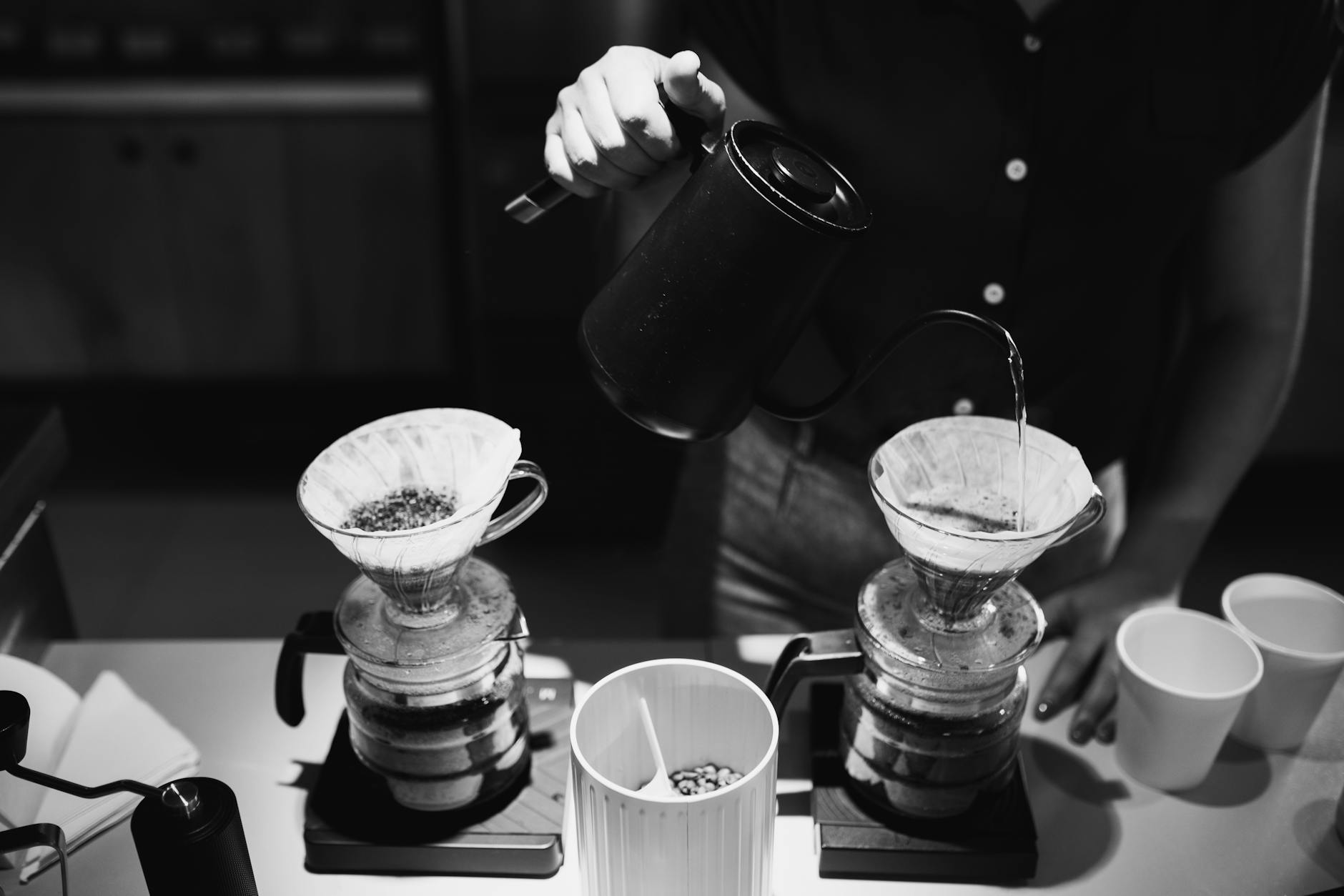
Pour over is the method used by most speciality coffee shops for their filter offerings, and there’s a reason for that. By slowly pouring hot water over a bed of ground coffee through a paper filter, you get an exceptionally clean cup that lets you taste every nuance of the bean — the fruity notes, the chocolate undertones, the floral aromatics that roasters work so hard to develop.
The paper filter removes almost all of the coffee oils and fine particles (called “fines”) that give French press coffee its heavy body. The result is a lighter, more transparent cup — think of it as the difference between a stained glass window and a frosted one. Both are beautiful, but one lets you see more detail.
Equipment you need:
- A pour-over dripper — the Hario V60 (around £7-10 for the plastic version) is the gold standard. The Kalita Wave (around £25-30) is more forgiving for beginners due to its flat-bottom design. The Origami dripper and Fellow Stagg are premium options if you want something that looks beautiful on the counter
- Paper filters — specific to your dripper. About £5-8 for 100 filters, so roughly 5-8p per cup
- A gooseneck kettle — this is the one semi-expensive piece of kit. A gooseneck spout gives you the controlled, slow pour that’s essential for even extraction. The Fellow Stagg EKG (around £130) is the beautiful option; the Hario Buono (around £35) is perfectly functional at a third of the price
- A grinder — pour over needs a medium-fine grind, coarser than espresso but finer than French press. Any decent burr grinder handles this. The Timemore C2 hand grinder (around £60) is excellent value for pour over
- A scale and timer — pour over is the most technique-dependent method, and weighing water and timing your pour makes a big difference to consistency
The technique (basic V60 recipe):
Use 15g of medium-fine ground coffee with 250ml of water just off the boil (about 92-96°C). Rinse the paper filter first with hot water to remove paper taste and preheat the dripper. Add the coffee, then pour about 45ml of water in a circular motion and wait 30-45 seconds — this is the “bloom” where the coffee releases CO2. Then pour the remaining water slowly in concentric circles over the next 2-3 minutes, keeping the water level relatively consistent. Total brew time should be about 3-3.5 minutes.
This sounds precise because it is. Pour over rewards consistency and attention. If that sounds appealing — a meditative morning ritual that produces exceptional coffee — you’ll love it. If it sounds like too much faff before you’ve had your first caffeine hit, another method might suit you better.
Pour over is best for:
- Light to medium roast speciality beans — these have the most complex flavour profiles, and pour over reveals them
- People who enjoy the process — the ritual of making pour over is really pleasurable for many people
- Those who prefer clean, lighter-bodied coffee — if you find French press too heavy or gritty, pour over is your answer
- Drinking black coffee — pour over is designed to be drunk black. Adding milk masks the very subtleties the method is designed to reveal
French Press: The Accessible Classic
The French press (also called a cafetière in the UK) is probably the most common manual brewing method in British homes, and for good reason. It’s simple, forgiving, requires no special technique, and produces a satisfying, full-bodied cup of coffee. Most of us grew up with one in the kitchen cupboard.
The French press works by immersion brewing — coffee grounds steep in hot water for several minutes, then a metal mesh plunger separates the grounds from the liquid. Unlike pour over’s paper filter, the metal mesh allows oils and fine particles to pass through into your cup. This gives French press coffee its characteristic heavy body, rich mouthfeel, and slightly textured quality. If you are exploring this area, our guide on Chemex vs V60 vs Kalita Wave: Pour-Over Methods Compared covers the essentials.
Equipment you need:
- A French press — the Bodum Chambord (around £25-35) is the classic and still one of the best. The Le Creuset stoneware version (around £50) retains heat better. For insulated options, the Espro P7 (around £80-100) uses a double-walled vacuum chamber and a double filter that produces notably cleaner coffee than standard French presses
- A grinder — coarse grind, like rough sea salt. French press is the most forgiving method for grind consistency, so even a basic grinder works acceptably
- A kettle — any kettle. No gooseneck needed. Just boil it, wait 30 seconds, and pour
The technique:
Use 17g of coarsely ground coffee per 250ml of water. Pour water just off the boil (wait about 30 seconds after the kettle clicks off) over the grounds. Stir once gently. Put the lid on with the plunger up and wait 4 minutes. Press the plunger down slowly and evenly. Pour immediately — if coffee sits on the grounds after pressing, it continues extracting and becomes bitter.
That’s it. The entire technique can be learned in one try. There’s no pouring technique to master, no timing of water additions, and the results are remarkably consistent once you nail the grind size and steep time.
The James Hoffmann French press technique (look it up on YouTube if you’re curious) refines this further by not pressing the plunger at all — just letting it act as a strainer while pouring. This produces a cleaner cup by disturbing the grounds less. It’s a game-changer if you find standard French press too gritty. You might also find our How to Make the Perfect French Press Coffee guide useful here.
French press is best for:
- Medium to dark roasts — the full body of French press coffee complements the chocolate, caramel, and nutty notes of darker roasts
- People who want simplicity — minimal equipment, minimal technique, maximum consistency
- Making coffee for multiple people — a large French press makes 4-8 cups at once, which no other manual method matches for convenience
- Those who like rich, heavy-bodied coffee — if you prefer your coffee substantial and robust rather than delicate and nuanced
- Coffee with milk — the heavier body of French press coffee stands up to milk better than pour over
The downsides of French press:
- Sediment — even with a good plunge, some fine particles end up in your cup. The last sip is usually gritty. This bothers some people more than others
- Cleaning — getting coffee grounds out of a French press is annoying. They stick to the mesh filter, clog sinks, and generally make a mess. A quick rinse won’t do; you need to disassemble and clean the filter properly
- Temperature loss — standard glass French presses lose heat quickly. An insulated version (like the Espro) or preheating with hot water helps
- Cholesterol concerns — unfiltered coffee (which includes French press) contains cafestol, a compound that can raise LDL cholesterol. For most people this is negligible, but if you have cholesterol concerns, paper-filtered methods are medically preferable
AeroPress: The Versatile Wildcard
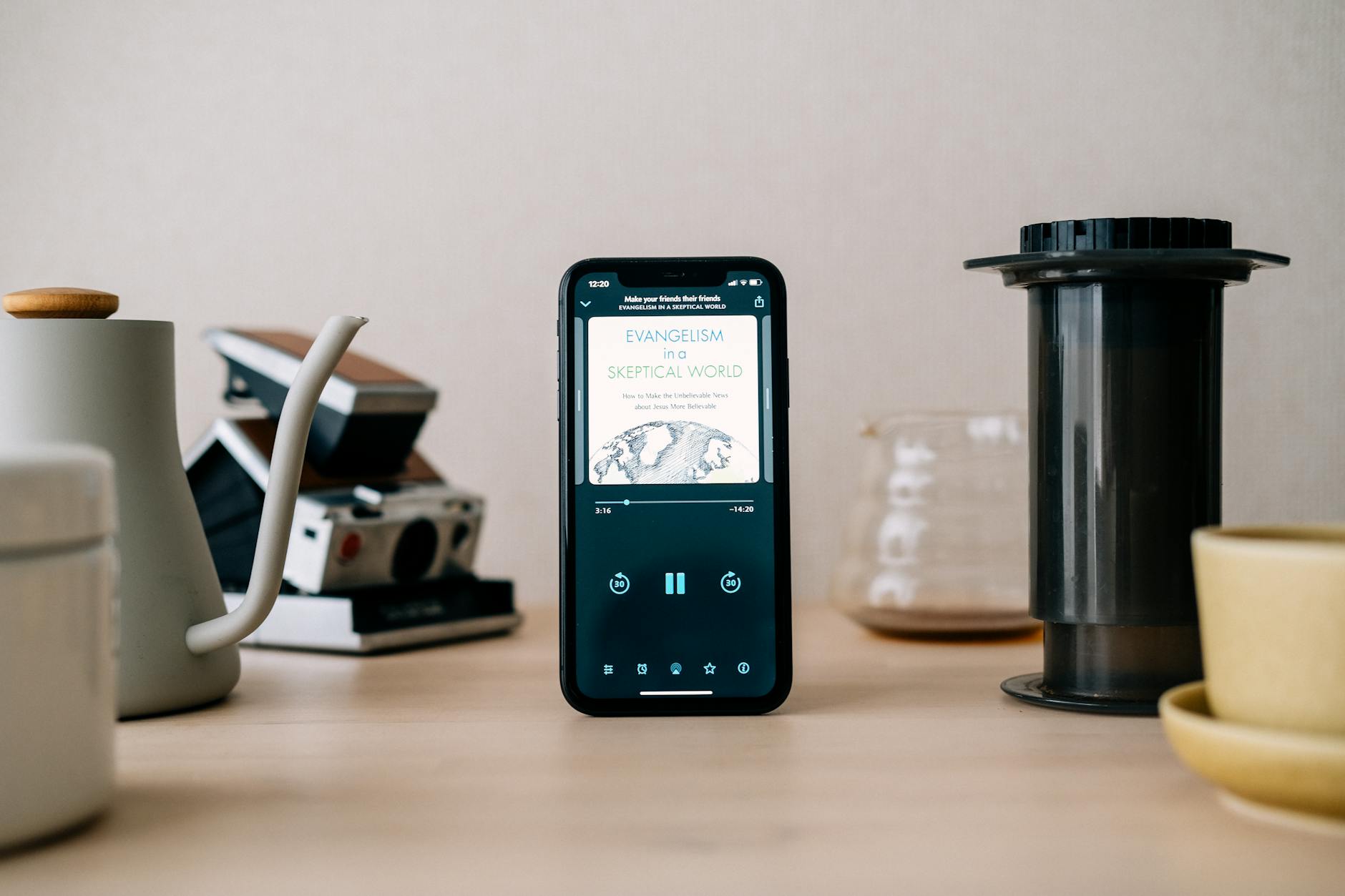
The AeroPress looks like a giant syringe, was invented by a frisbee manufacturer, and has an annual World Championship where competitors devise increasingly creative recipes. It’s also one of the most versatile, practical, and truly excellent coffee makers ever designed — and it costs about £30.
The AeroPress works by combining immersion brewing (like a French press) with pressure filtration (you physically push water through the coffee using a plunger). This creates a concentrated, clean brew that sits somewhere between espresso and filter coffee. The paper filter gives you pour-over clarity while the pressure and ratio give you a strength closer to espresso.
Equipment you need:
- An AeroPress — the original AeroPress (around £30) or the newer AeroPress Clear (same price, clear plastic). The AeroPress Go (around £30) includes a mug that doubles as a carrying case, ideal for travel
- Paper filters — included with the AeroPress. Replacement packs of 350 filters cost about £5, so roughly 1.5p per cup. Metal reusable filters are available (around £10) and produce a slightly fuller-bodied cup, similar to French press
- A grinder — medium-fine for standard recipes, fine for espresso-style recipes. The AeroPress is relatively forgiving of grind inconsistency compared to pour over
- A kettle — any kettle works. A gooseneck is nice but not necessary
The technique (standard recipe):
There are literally hundreds of AeroPress recipes, which is part of its charm. Here’s a reliable starting point: Use 15g of medium-fine ground coffee. Insert a paper filter into the cap, rinse with hot water, and attach to the AeroPress chamber. Place the chamber on your mug. Add the coffee, pour in 200ml of water at about 85-90°C, stir gently for 10 seconds, and press the plunger down steadily over 20-30 seconds. Total brew time: about 1.5-2 minutes. We cover this in more detail in our Best Coffee Grinders for French Press 2026 UK piece.
The “inverted method” — assembling the AeroPress upside down so coffee steeps without dripping through — is popular for longer steep times and more control. It’s slightly fiddly and involves flipping a cylinder of hot water onto a mug, which sounds precarious (and can be), but many AeroPress enthusiasts swear by it.
AeroPress is best for:
- Experimenters and tinkerers — the endless recipe variations make it a playground for people who enjoy adjusting variables and chasing the perfect cup
- Travel and office use — virtually unbreakable, lightweight, and self-contained. The AeroPress Go fits in a bag and produces actually excellent coffee anywhere with hot water
- Single-cup brewing — the AeroPress makes one cup at a time, which is perfect for solo coffee drinkers but less practical for households
- People who want versatility — by adjusting grind, ratio, and technique, the AeroPress can approximate espresso, filter, or cold brew. No other single device offers this range
- Easy cleanup — pop the plunger through, and the spent coffee puck ejects cleanly into the bin. Rinse the rubber seal. Done. It’s the easiest manual brewer to clean by a significant margin
The downsides of AeroPress:
- Single cup only — you can’t make a large batch. For two people, you’re making two separate brews
- Looks aren’t its strength — it’s a plastic tube. It won’t win any design awards. The AeroPress Clear is better-looking than the original opaque version, but it’s still fundamentally a syringe
- Recipe overwhelm — the sheer number of techniques and recipes can be paralysing for beginners. Start with the standard recipe, nail it, then explore
Head-to-Head Comparison
Here’s how the three methods stack up across the factors that actually matter for daily use:
Taste profile:
- Pour over — cleanest, brightest, most nuanced. Highlights origin flavours
- French press — richest, fullest body, most robust. Emphasises depth and texture
- AeroPress — somewhere in between. Clean like pour over but with more body. Highly tuneable
Ease of use:
- French press — simplest. Almost impossible to mess up
- AeroPress — simple with a basic recipe, but the rabbit hole of techniques goes deep
- Pour over — most technique-dependent. Pouring speed, water distribution, and timing all matter
Cost to get started:
- French press — from about £25 (just the press, plus any grinder)
- AeroPress — about £30 (includes filters)
- Pour over — from about £50-80 (dripper + filters + gooseneck kettle)
Cleanup:
- AeroPress — easiest by far. Puck ejects cleanly, quick rinse
- Pour over — easy. Discard the paper filter with grounds, rinse the dripper
- French press — most annoying. Grounds stick to everything, filter needs disassembly
Batch size:
- French press — best for multiple cups (up to 8 with a large press)
- Pour over — typically 1-2 cups (larger drippers like the Chemex handle more)
- AeroPress — 1 cup per brew, no way around it
Which Beans Work Best With Each Method?
The brew method and bean choice should complement each other:
- Pour over — light to medium roasts from single-origin beans. Ethiopian, Kenyan, and Colombian coffees with fruity, floral, or citrus notes shine brightest through pour over. Look for beans specifically labelled as “filter roast” from UK roasters
- French press — medium to dark roasts with chocolate, nut, and caramel profiles. Brazilian, Guatemalan, and Indonesian coffees work beautifully. Blends designed for “all-round” or “everyday” use are often optimised for immersion brewing
- AeroPress — almost anything works. Its versatility means you can adjust the recipe to suit the beans rather than the other way around. This makes it the best method for sampling different beans and roast levels
Can You Use More Than One Method?
Completely — and many coffee enthusiasts do. The methods aren’t competing; they’re different tools for different situations. A common combination is French press for weekday mornings (quick, easy, makes a big batch) and pour over for weekend mornings (when you have time to enjoy the process). The AeroPress lives in a desk drawer at work or travels with you on trips. For related advice, take a look at How to Choose a Gooseneck Kettle for Pour-Over Coffee.
Owning all three devices costs under £100 total, which is less than most single kitchen appliances. The cost of entry is so low that trying multiple methods is really practical rather than an expensive hobby.
Frequently Asked Questions
Which is better: pour over, French press, or AeroPress? It depends on your taste preferences. Pour over produces the cleanest, most nuanced cup that highlights origin flavours. French press gives a rich, full-bodied brew with more oils and texture. AeroPress is the most versatile, producing everything from espresso-style concentrates to clean filter coffee.
What is the cheapest way to make good coffee at home? A French press is the most affordable entry point at around £15-25, and it produces excellent coffee with minimal technique required. An AeroPress costs about £30 and is equally forgiving for beginners. Both need a decent grinder (from about £30-50) and fresh beans to get the best results.
Is AeroPress coffee as good as espresso? AeroPress can produce a concentrated, espresso-like shot, but it is not true espresso. It cannot generate the 9 bars of pressure that an espresso machine produces, so you will not get the same crema or intensity. However, many coffee enthusiasts prefer AeroPress concentrate for milk drinks as it has a cleaner, more balanced flavour.
Do I need a special grinder for pour over coffee? A consistent grind is important for pour over. A hand grinder like the Timemore C2 (about £50-60) or an electric burr grinder produces much better results than a blade grinder. For French press, grind consistency matters less, so you can start with a more basic grinder.
How much does pour over coffee equipment cost in the UK? A basic pour over setup costs £30-50 for a Hario V60 dripper, filters, a gooseneck kettle, and a hand grinder. Upgrading to an electric gooseneck kettle and a better grinder brings the total to around £100-150. This produces coffee that rivals or exceeds what most UK coffee shops serve.
The Bottom Line
There’s no single “best” brew method — only the best method for you. If you value clarity and are willing to invest in technique, pour over rewards with the most nuanced coffee you’ll taste at home. If you want rich, easy, no-fuss coffee that you can make with your eyes half-closed at 6am, the French press has been reliably doing that job for decades. And if you want a versatile, portable, endlessly tweakable device that produces consistently great coffee with minimal cleanup, the AeroPress is truly hard to beat.
The best starting point? Buy whichever one appeals most, get some good beans from a UK roaster, and experiment. You’ll learn more from making 20 cups than from reading another 20 reviews. And the worst that can happen is a slightly disappointing cup of coffee — which is still better than not trying at all.