Opening your kitchen to the world of espresso can be both thrilling and occasionally exasperating. Espresso, as any coffee lover soon discovers, is a demanding brew: a slight change in grind size, water quantity, or tamping pressure can make the difference between a blissful morning shot and a bitter disappointment. If your espresso isn’t quite right—weak, bitter, too sour, or refusing to pour at all—this troubleshoot espresso problems guide is here to help. Drawing on my own hands-on experience and the best industry resources, we’ll cover both quick fixes and deeper issues, so you can get your machine humming and your cup filled just how you like it.
In This Article
- Understanding the Basics of Espresso Extraction
- Practical Diagnosis Order for Espresso Problems
- Grind and Dose Troubleshooting
- Puck Preparation and Distribution
- Temperature Issues and Solutions
- Water Quality and Quantity
- Bean Selection and Freshness
- Machine Not Pulling Shots
- Weak or Watery Espresso
- Bitter or Sour Tasting Espresso
- Problems with Crema
- Leaks and Pressure Issues
- Steam Wand and Milk Frothing Problems
- Grinder and Bean Issues
- Routine Maintenance and Cleaning
- When to Seek Professional Help
- Frequently Asked Questions
Understanding the Basics of Espresso Extraction
Before you troubleshoot espresso problems, it’s crucial to understand what a good espresso shot involves. Extraction refers to dissolving desirable flavours from ground coffee using pressurised hot water. The ideal espresso shot is rich, balanced, and topped with a golden crema.
Key factors for proper extraction:
- Grind size: Too coarse or too fine affects flow rate and taste.
- Dose: The amount of coffee in the portafilter—usually 18–20 g for a double shot.
- Tamp: Even and firm pressure is vital.
- Water temperature: Typically 90–96°C, as confirmed by SCA research.
- Pressure: Standard machines use about 9 bars.
If you’re new to extraction, our How to Dial In Espresso: A Beginner’s Guide covers these essentials in depth.
Practical Diagnosis Order for Espresso Problems
Troubleshooting espresso is most effective when you follow a logical order. Skipping steps or changing several variables at once can make it harder to pinpoint the cause of issues. Here’s a practical sequence to follow:
- Check the basics: Is your machine powered, water tank filled, and all parts assembled correctly?
- Assess water and beans: Is your water fresh and filtered? Are your beans fresh and suitable for espresso?
- Inspect the grinder: Is your grind consistent and set for espresso? Are the burrs sharp and the grinder clean?
- Dose and distribution: Are you dosing the correct amount and distributing the grounds evenly?
- Tamping: Is your tamp pressure even and level?
- Temperature: Is your machine up to temperature and stable?
- Shot timing: How long is your extraction? Is it within the 25–30 second window for a double shot?
- Taste and visual cues: Is the shot blonding early, running too fast or too slow, or lacking crema?
- Machine maintenance: When was the last clean or descale?
By following this order, you can systematically isolate and resolve most espresso problems. For a detailed breakdown of dialling in, see How to Dial In Espresso: A Beginner’s Guide.
Grind and Dose Troubleshooting
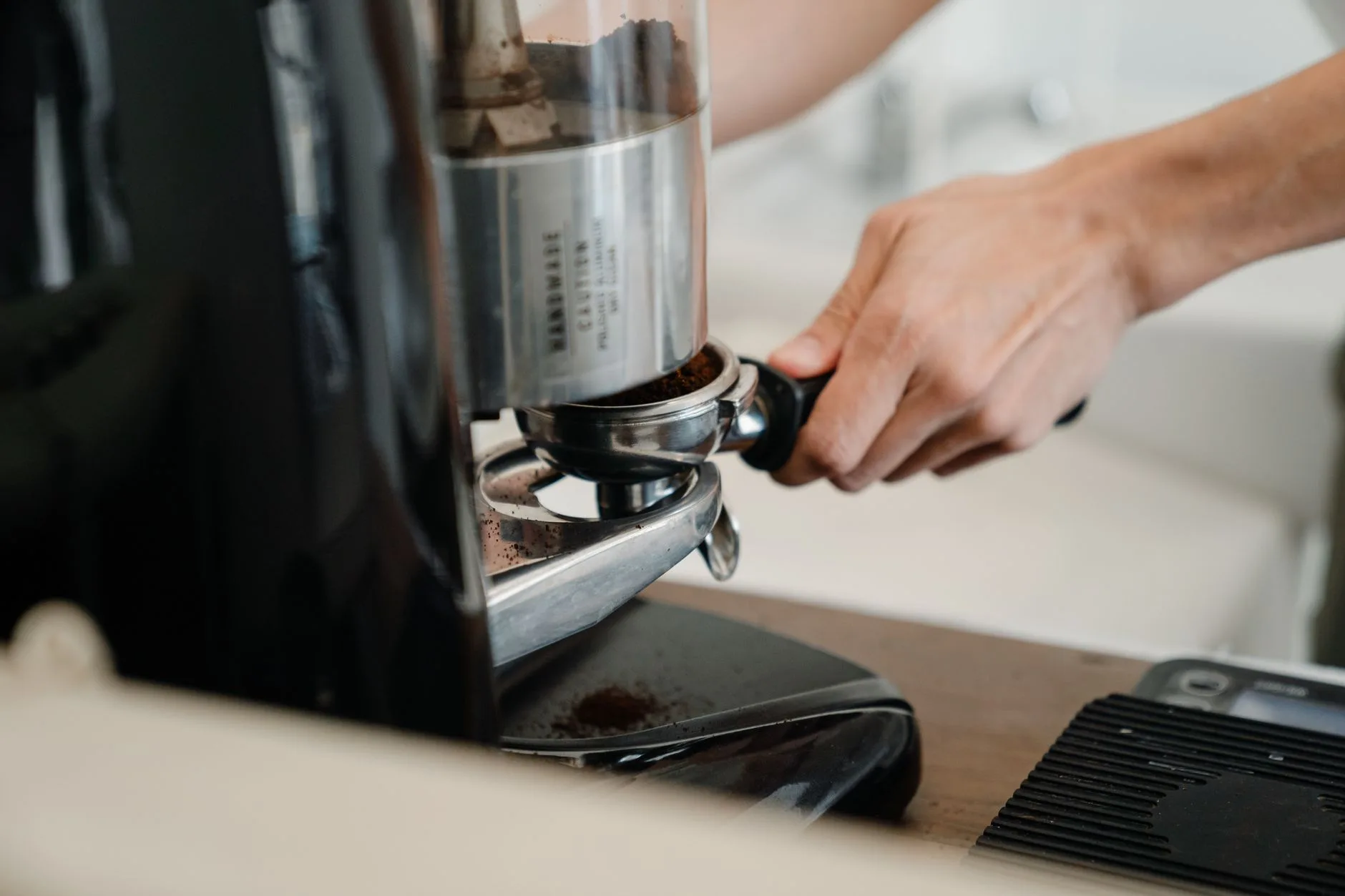
Grind size and dose are the foundation of espresso. Even with a high-end machine, poor grind or incorrect dose will cause issues.
Common Grind Problems
- Too coarse: Water flows too quickly, resulting in weak, watery, or sour espresso.
- Too fine: Water struggles to pass, leading to over-extraction, bitterness, or even blocked shots.
- Inconsistent grind: Cheap or worn grinders create uneven particle sizes, causing channeling.
Dose Issues
- Under-dosing: Not enough coffee in the basket leads to weak, thin shots and poor crema.
- Over-dosing: Overfilled baskets can restrict water flow, cause channelling, and even damage your machine’s group head gasket.
How to Diagnose and Fix
- Weigh your dose: Use digital scales for accuracy—aim for 18–20 g for a double shot, or as specified for your basket.
- Adjust grind in small increments: Move one step finer or coarser, then test again.
- Purge the grinder: Before adjusting, run a small amount through to clear old grounds.
- Check grind consistency: If you see boulders and dust, consider upgrading your grinder or replacing burrs.
If you’re using a bean-to-cup machine, refer to your manual for adjusting grind and dose settings. For compact machines, see our Best Compact Coffee Machines UK 2026: Small Kitchen Picks for models with good grind control.
Puck Preparation and Distribution
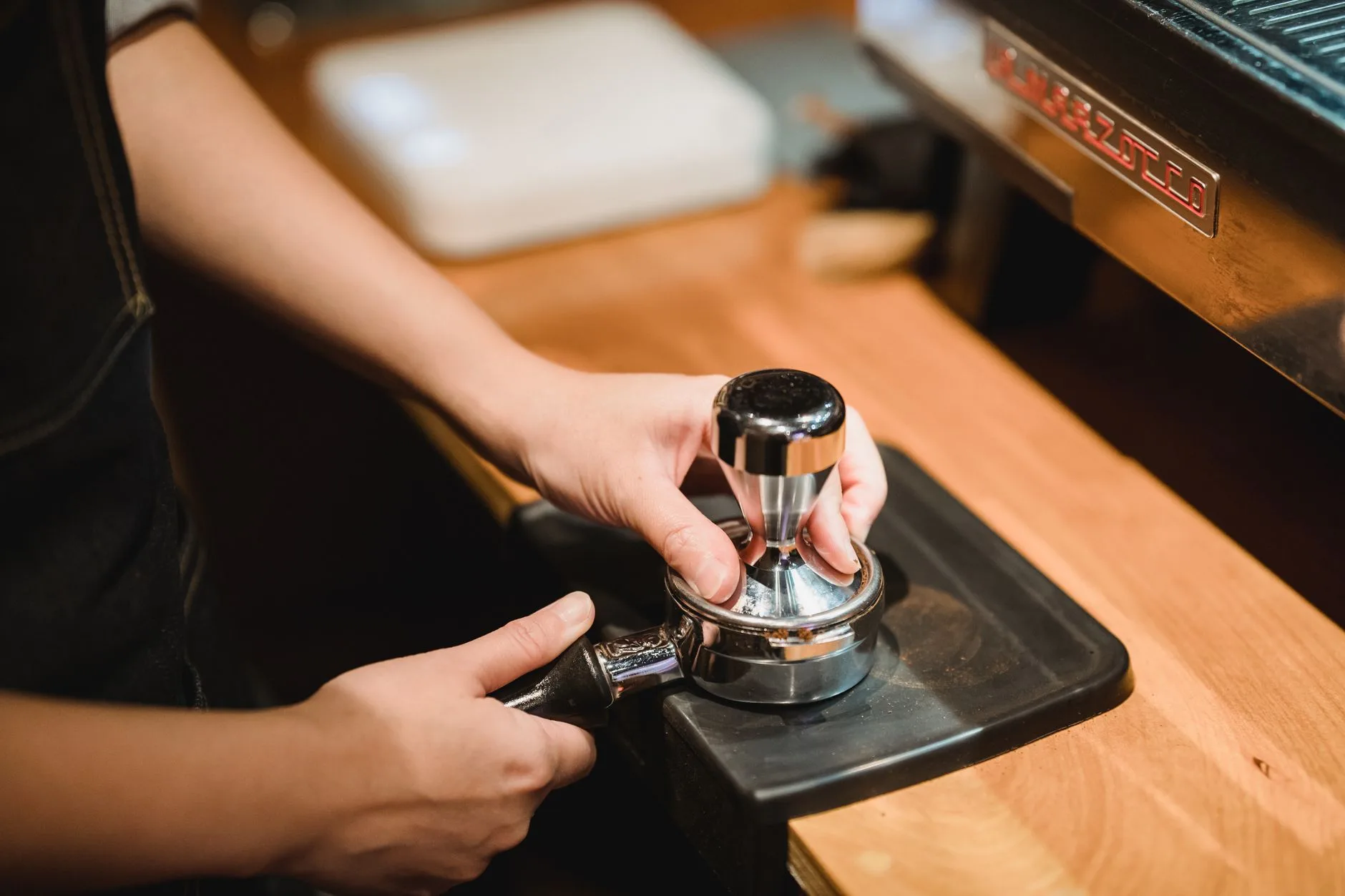
How you prepare and distribute the coffee in your portafilter—known as puck prep—has a direct impact on extraction.
Common Puck Prep Issues
- Uneven distribution: Causes water to channel through weak spots, leading to uneven extraction.
- Poor tamping: A slanted or uneven tamp results in inconsistent flow and flavour.
- Clumping: Especially with very fine espresso grinds, clumps can create pockets that lead to channelling.
Troubleshooting Steps
- WDT (Weiss Distribution Technique): Use a thin tool to stir grounds in the basket, breaking up clumps and levelling the bed.
- Tap and settle: Gently tap the portafilter to settle grounds before tamping.
- Consistent tamp: Use a flat, even pressure. A calibrated tamper can help.
- Inspect the puck post-shot: If you see holes, cracks, or uneven surfaces, revisit your distribution and tamping method.
Consistent puck prep is crucial for repeatable results. For more on this, see our How to Dial In Espresso: A Beginner’s Guide.
Temperature Issues and Solutions
Temperature is a critical, often overlooked, variable in espresso extraction. Even a small deviation can cause sourness, bitterness, or weak shots.
Signs of Temperature Problems
- Sour espresso: Water too cool (below 90°C).
- Burnt or bitter espresso: Water too hot (above 96°C).
- Inconsistent shots: Machine temperature fluctuates between pulls.
How to Diagnose
- Preheat the machine: Run a blank shot before brewing to bring the group head up to temperature.
- Check with a thermometer: If possible, use a group head thermometer or a digital thermometer for water.
- Observe shot behaviour: If the shot starts slow and speeds up, the machine may not be fully heated.
Solutions
- Allow adequate warm-up time: Most machines need 20–30 minutes to reach stable temperature.
- Temperature surfing: For single boiler machines, flush water until you reach the desired temp.
- Descale regularly: Scale build-up can insulate heating elements, causing temperature drops.
For more on brewing temperatures, see the SCA’s research.
Water Quality and Quantity
Water is the main ingredient in espresso, yet poor water quality or incorrect quantity can sabotage your efforts.
Common Water Issues
- Hard water: Leads to limescale, affecting taste and machine function.
- Chlorinated tap water: Imparts unpleasant flavours.
- Low water level: Causes the pump to run dry or shots to stop mid-flow.
- Incorrect brew ratio: Too much or too little water alters extraction.
Troubleshooting Steps
- Use filtered water: Reduces scale and improves taste.
- Check water tank: Ensure it’s full and seated properly.
- Monitor shot volume: For a double shot, aim for 36–40 ml (or a 1:2 ratio by weight).
- Descale regularly: Especially in hard-water areas—see How to Clean and Maintain Your Coffee Machine.
If you’re unsure about your local water, home testing kits are available in the UK.
Bean Selection and Freshness
The beans you use are as important as your machine or grinder. Stale or unsuitable beans are a frequent cause of poor espresso.
Common Bean Problems
- Stale beans: Lose aromatics and crema potential after 3–4 weeks post-roast.
- Oily beans: Can clog grinders and produce muddy shots.
- Inappropriate roast: Very light roasts can be sour and hard to extract; very dark roasts may taste burnt.
Troubleshooting Steps
- Check roast date: Aim to use beans within 7–21 days of roasting.
- Store beans properly: Use airtight containers, away from light and heat.
- Choose espresso-suitable roasts: Medium or medium-dark roasts work well for most UK palates.
- Avoid supermarket beans: These are often months old.
For more on bean selection and storage, our Best Bean-to-Cup Coffee Machines 2026 UK guide covers machines and beans that pair well together.
Machine Not Pulling Shots
If your espresso machine won’t start, or water isn’t flowing through the portafilter, the issue can range from a simple oversight to a more technical fault.
Initial Checks
- Water reservoir: Ensure it’s filled and properly seated.
- Power supply: Check plugs and switches.
- Portafilter: Make sure it’s locked in place.
- Pump noise: Listen for the pump engaging.
Blockages
- Group head clogged: Remove the portafilter and run water—if nothing comes out, the group head may be blocked.
- Scale build-up: Hard water can cause limescale, restricting water flow.
- Blocked filter basket: Old grounds packed into holes.
What I found helpful: Soaking metal filters in a solution of citric acid or a branded descaler usually clears blockages.
Fixes
- Descale the machine following the manufacturer’s instructions.
- Clean the group head using a nylon brush.
- Replace or clean filters regularly.
If the machine still doesn’t pull shots, consult a technician.
Weak or Watery Espresso
A weak or watery shot is one of the most common espresso problems, and I see it a lot with new machines or after changing beans.
Common Causes
- Grind too coarse: Water passes through too quickly.
- Under-dosing: Not enough coffee in the basket.
- Channeling: Poor tamping creates uneven water flow.
- Low brew temperature: Less extraction.
Troubleshooting Steps
- Check your grind: Adjust to a finer setting.
- Weigh your dose: Use 18–20 g for a double.
- Tamp evenly: Apply firm, level pressure.
- Preheat your machine: Run a blank shot to warm up the group head.
- Assess shot time: Aim for 25–30 seconds for a double shot.
Tip: If you use a bean-to-cup machine, check the grind and strength settings in the menu.
Bitter or Sour Tasting Espresso
Espresso should taste balanced, not harshly bitter or overwhelmingly sour. Yet, I’ve found myself facing both problems, usually after switching beans or tweaking grind size.
Sour Espresso
- Under-extracted: Usually too coarse a grind, low water temperature, or short shot time.
- Solution: Finer grind, longer extraction, ensure water is at least 90°C. See Sage’s sour espresso advice for more on this.
Bitter Espresso
- Over-extracted: Too fine a grind, high water temperature, or long shot time.
- Solution: Coarser grind, reduce shot time, or lower water temperature.
Other Flavour Problems
- Dirty equipment: Old oils impart off-flavours. Clean regularly.
- Stale beans: Always use freshly roasted beans within 2–3 weeks of roasting.
Common Flavour Fixes
- Adjust the grind: Small changes can have a big impact.
- Use filtered water: Especially in hard-water areas.
- Keep to recommended brew ratios: 1:2 (e.g., 18 g in, 36 g out).
For more on getting your espresso just right, try our How to Dial In Espresso: A Beginner’s Guide.
Problems with Crema
Crema is that golden foam atop a shot of espresso, prized for both appearance and taste. But sometimes it’s thin, pale, or missing entirely.
Causes of Poor Crema
- Old beans: Beans older than a month lose CO₂, reducing crema.
- Too coarse a grind: Produces less pressure, less crema.
- Low pressure: Machine not reaching 9 bars.
- Low dose: Not enough coffee for a rich crema.
Improving Crema
- Use fresh beans: Ideally roasted within the last two weeks.
- Grind just before brewing: I’ve noticed a marked difference grinding on demand.
- Check your machine’s pressure: Some compact models (see our top picks) may not reach full pressure.
- Increase dose slightly: If your basket allows.
If you want to experiment with different coffee styles, our Turkish Coffee: How to Make It at Home guide covers another method with its own unique crema.
Leaks and Pressure Issues
Leaks and pressure drops are usually mechanical, but they’re still common home espresso machine problems.
Signs of Trouble
- Water pooling under the machine
- Steam escaping from joints
- Low or fluctuating pressure gauge
Causes
- Worn gaskets or seals: Especially around the group head and steam wand.
- Loose fittings: Over time, vibration can loosen connections.
- Scale build-up: Can cause internal blockages, affecting pressure.
Fixes
- Tighten fittings: Unplug first for safety.
- Replace gaskets: These are available from UK retailers for most brands.
- Descale regularly: Prevents scale-induced blockages.
If you’re in doubt, consult your manual or seek professional repair.
Steam Wand and Milk Frothing Problems
Steaming milk is an art, but technical issues can undermine even your best efforts. I’ve found that a spluttering wand or lack of steam usually points to a few common culprits.
Steam Wand Blocked or Weak
- Clogged tip: Milk dries inside the holes.
- Boiler not hot enough: Machine hasn’t reached steaming temperature.
- Low water level: Boiler can’t generate steam.
How to Unblock a Steam Wand
- Turn off and unplug the machine.
- Unscrew the wand tip.
- Soak in hot water or a descaling solution.
- Use a pin to clear any holes.
- Wipe down the outside.
Froth Not Forming Properly
- Milk type: Skimmed or non-dairy milks froth differently.
- Technique: Position the wand just below the surface to introduce air, then submerge for heating.
For more on cleaning routines, see our How to Clean and Maintain Your Coffee Machine.
Grinder and Bean Issues
Your grinder and beans are just as crucial as the espresso machine itself. In my experience, a quality grind can transform your daily espresso.
Grinder Problems
- Inconsistent grind size: Blunt burrs or a cheap blade grinder can cause this.
- Grinder jammed: Stones or hard debris in beans can jam the burrs.
- Static and clumping: Especially in dry winter months.
Maintenance Tips
- Clean grinder burrs monthly: Old grounds can cause off-flavours.
- Calibrate grind regularly: Adjust for new beans or humidity changes.
- Use a proper espresso grinder: Many all-purpose grinders don’t go fine enough.
Bean Problems
- Stale or oily beans: Too old or too oily for some grinders.
- Wrong roast: Light roasts can be harder to extract.
If you’re shopping for a compact or bean-to-cup machine, our Best Compact Coffee Machines UK 2026: Small Kitchen Picks and Best Bean-to-Cup Coffee Machines 2026 UK guides offer advice for choosing models suited to your beans and space.
Routine Maintenance and Cleaning
Regular maintenance is key to preventing many espresso problems. I usually set aside half an hour each week for a thorough clean.
- Backflush the group head: Use a blind filter and espresso cleaning powder.
- Wipe down the steam wand: After every use to stop milk build-up.
- Descale the machine: Every 1–3 months, depending on water hardness.
- Clean portafilter and baskets: Daily, with hot water and a brush.
- Empty drip tray and water tank: Prevents mould and bacteria.
Pro tip: Keep a descaling reminder on your phone—hard water in the UK is a leading cause of machine issues.
For in-depth instructions, see How to Clean and Maintain Your Coffee Machine.
When to Seek Professional Help
Some espresso machine issues are best left to professionals, especially when dealing with electrical components or persistent leaks.
Call a Technician If:
- Machine trips the mains fuse
- Persistent water leaks inside the unit
- Pump or boiler failure
- Unusual noises or burning smells
Most larger UK towns have coffee machine service specialists, and many brands have approved repair agents. Always use genuine parts to maintain your warranty.
Frequently Asked Questions
Why is my espresso running too fast?
A fast shot typically means the grind is too coarse or the dose is too low. Adjust to a finer grind and ensure you’re using the right amount of coffee.
What causes my espresso to taste burnt?
Burnt flavours often occur if the water temperature is set too high, the machine hasn’t been cleaned, or the beans are too darkly roasted.
How often should I descale my espresso machine in the UK?
Most UK homes have hard water, so descaling every 1–3 months is recommended. Check your machine’s manual for guidance.
Can I use pre-ground coffee for espresso?
It’s possible, but fresh grinding delivers much better results. Pre-ground coffee can stale quickly and may not be fine enough for espresso.
Why is there no crema on my espresso?
A lack of crema often points to stale beans, incorrect grind size, or low machine pressure. Try using fresher beans and adjusting your grind.
Should I clean my grinder as often as the machine?
Yes—grinder maintenance is crucial. Oils and old grounds can cause clogs and taint flavour. Clean at least monthly.