The cup does not change the coffee you brewed, but it can change what you notice first. A narrow ceramic mug keeps heat and aroma close, a wide bowl lets espresso open up faster, and a thick travel cup can make a delicate filter coffee feel flatter than it should. If you care about coffee cup shape taste, the useful question is not “which mug is best?” but “which cup suits the drink I actually make most days?”
In This Article
- Coffee Cup Shape Taste: What Actually Changes
- Aroma, Rim Width and Why the First Sip Changes
- Heat Retention, Material and Mouthfeel
- Which Cup Shape Suits Each Coffee Style?
- What to Buy for a UK Home Coffee Setup
- Common Cup Mistakes That Make Good Coffee Worse
- Frequently Asked Questions
Coffee Cup Shape Taste: What Actually Changes
Cup shape changes the drinking experience more than the liquid itself. The coffee in the cup has the same extraction, roast level, brew ratio and water chemistry, but your nose, lips and tongue meet it differently depending on the cup. That matters because flavour is not just what lands on your tongue. Aroma, temperature and texture do a lot of the work.
If you have ever poured the same coffee into a thin tulip cup and a chunky builder’s mug, you have probably noticed it without naming it. The tulip cup makes the aroma feel more concentrated. The builder’s mug feels comforting, but the coffee cools across a wider surface and the thick rim can dull the first sip. Neither is wrong. They simply push the drink in different directions.
The biggest changes come from four things:
- Opening width: a narrow opening traps aroma; a wide opening releases it faster.
- Rim thickness: a thin rim feels cleaner and more precise; a thick rim feels softer and heavier.
- Thermal mass: heavy ceramic holds heat if pre-warmed, but steals heat if it starts cold.
- Drink volume: a half-empty oversized mug cools quickly and spreads aroma too thinly.
That is why a 180ml flat white often tastes better in a smaller ceramic cup than in a 350ml mug from the back of the cupboard. The coffee is not better. The vessel is helping it show up properly, which is the practical heart of coffee cup shape taste at home.
This also explains why coffee competition and cupping environments care about consistency. The Specialty Coffee Association coffee standards include controlled tasting practices because small changes in temperature, aroma and cup format can affect how coffee is assessed. At home you do not need laboratory discipline, but the principle still applies: the cup is part of the sensory setup.
Aroma, Rim Width and Why the First Sip Changes
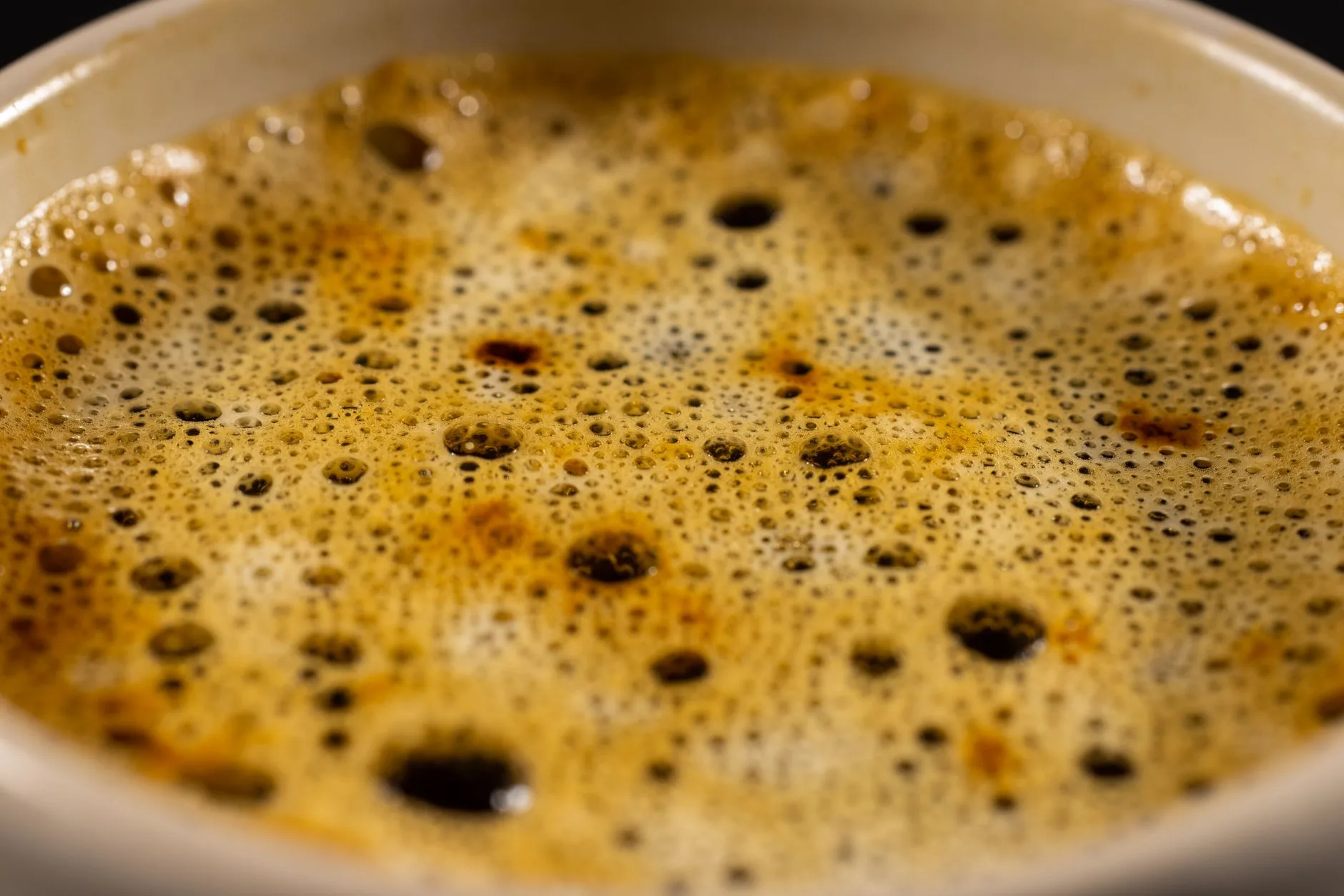
Aroma is the main reason cup shape matters. Coffee gives off volatile compounds as it cools, and the opening of the cup controls how those aromas reach your nose. A narrow cup keeps more aroma concentrated above the drink. A wide cup lets aroma spread, which can make the coffee feel softer but less focused.
For espresso, this can be useful. A small demitasse or tulip-shaped espresso cup keeps the crema, aroma and heat together for the minute or two when the drink is at its best. If you pour the same espresso into a wide breakfast cup, it can taste thinner because the aroma disperses and the drink cools before you finish it.
Filter coffee behaves differently. A good light roast often benefits from a slightly wider opening once it has cooled a touch. That gives you more aroma lift and makes delicate fruit, floral or tea-like notes easier to pick up. This is one reason some people enjoy drinking pour-over from a small open bowl or a thin-rimmed cup rather than a tall narrow mug.
The rim affects the first sip as well. A thin rim delivers coffee more directly and feels cleaner on the lips. A thick rim slows the flow and makes the drink feel heavier. That can be pleasant with a strong, milky morning coffee, but it can hide clarity in a washed Ethiopian filter or a carefully dialled espresso.
In our own kitchen tests with the same V60 brew split between a thin 250ml ceramic cup, a heavy 320ml mug and a lidded travel cup, the thin ceramic cup made the coffee taste brighter after five minutes. The mug was cosier but muted the acidity. The travel cup kept heat well, yet the small drinking slot made aroma feel trapped and slightly stale. No drama, just noticeable.
For coffee cup shape taste, think about how close your nose gets to the drink. A cup that lets you smell the coffee before it reaches your mouth will usually feel more expressive than one that hides it behind a lid, a tall wall or an awkward rim.
Heat Retention, Material and Mouthfeel
Temperature changes flavour perception. Hotter coffee can taste more bitter and less sweet. As it cools, sweetness and acidity become easier to spot, until it drops too far and starts tasting flat. Cup material and shape decide how quickly that journey happens.
Ceramic is the best default for most home coffee. It is neutral, comfortable and widely available. A thin ceramic cup cools quicker but gives a refined rim feel. A thick ceramic mug holds warmth longer if you pre-warm it with hot water, but it can pull heat out of the drink if it starts cold from a kitchen cupboard in January.
Porcelain and vitrified cafe-style cups are good for espresso and milk drinks because they feel clean, keep heat well and do not add flavour. Stoneware is heavier and looks lovely on a breakfast table, though some chunky stoneware mugs have rims so thick that smaller drinks feel clumsy. Glass is useful for seeing layers in a latte or judging colour in filter coffee, but double-walled glass can make the drink feel slightly disconnected because your hand does not sense the heat.
Stainless steel and plastic travel cups are practical rather than sensory. A decent insulated cup such as a KeepCup Thermal or Fellow Carter Move usually costs about £25-£35 in the UK. They are good for commuting, school runs and train platforms. They are not where I would judge a new bag of beans. Lids reduce aroma, and some metal interiors can make delicate coffee feel harder-edged unless the lining is ceramic.
Size matters as much as material. A 150-180ml cup suits flat whites and cortados. A 60-90ml demitasse suits espresso. A 250-300ml mug suits filter coffee or a longer Americano. Once you put 180ml of coffee into a 400ml mug, the surface area and empty headspace work against you. It looks generous, but it often drinks worse.
The practical answer is to own fewer, better-matched cups:
- Small espresso cups: 60-90ml, ideally thick ceramic or porcelain, about £12-£25 for a pair.
- Milk drink cups: 150-220ml, curved sides, comfortable handle, about £15-£35 for two.
- Filter coffee cups: 220-300ml, thinner rim, slightly open top, about £8-£20 each.
- Travel cup: leak-resistant, insulated, easy to clean, about £20-£35 from John Lewis, Amazon UK or direct from the brand.
That covers most UK home setups without filling a whole shelf with mugs that only look good on Instagram.
Which Cup Shape Suits Each Coffee Style?
Different drinks suit different cup shapes because they are drunk at different speeds, volumes and temperatures. Matching the cup to the drink is a cheap upgrade compared with buying another grinder or machine accessory.
Espresso
Use a small, pre-warmed demitasse or tulip cup. The sweet spot is usually 60-90ml, enough room for crema without leaving the espresso stranded in a giant cup. Loveramics, ACME and notNeutral-style cafe cups are common choices; expect to pay about £8-£15 per cup in the UK depending on brand and finish.
A slightly narrowing top helps concentrate aroma, while a rounded base makes the espresso feel fuller. If your espresso tastes sharp and thin from a cold, wide cup, try warming a smaller cup before blaming the beans or grinder. It will not rescue a bad shot, but it stops a good shot from losing heat too fast.
Flat White, Cortado and Cappuccino
Milk drinks need enough width for texture and latte art, but not so much that the drink cools before you finish it. A 150-180ml cup is ideal for a flat white or cortado. A cappuccino usually wants 180-220ml. Curved sides help the milk and espresso integrate, which is why cafe cups rarely look like straight-sided office mugs.
If you are using a Sage Bambino, Gaggia Classic or similar home machine, this is where cup choice is most obvious. A 160ml cup makes a flat white feel balanced; a 300ml mug encourages too much milk, which buries the espresso. That is a cup problem masquerading as a recipe problem.
Filter Coffee and Pour-Over
For V60, Chemex, AeroPress and batch brew, a 220-300ml cup with a thin rim and modestly open top works well. You want enough aroma release to enjoy the coffee as it cools, but not a huge bowl that loses heat in five minutes.
If you have been working through our Chemex guide or comparing methods in the pour-over vs French press vs AeroPress guide, cup shape is a small final tweak after brew ratio, grind size and water temperature. It is not the first fix, but it is worth doing once the basics are stable.
Long Black and Americano
Use a 220-300ml ceramic mug rather than an oversized breakfast mug. A long black keeps more aroma if you pour espresso over hot water and drink it fairly soon. An Americano is more forgiving, but it still suffers in a mug that is too large.
For office use, this is where durable cafe-style cups make sense. A set of six 250ml porcelain cups from Amazon UK, John Lewis or catering suppliers usually costs £25-£45. They are not glamorous, but they keep drink size consistent and survive the dishwasher better than thin novelty mugs.
Iced Coffee
Glass works nicely for iced coffee because heat retention is no longer the priority. A 300-400ml tumbler gives enough space for ice, milk and coffee without crowding the drink. The main thing is avoiding glasses with a thick rolled rim if you care about clarity; they can make cold brew feel heavy and syrupy.
For iced filter or cold brew, a narrower tumbler keeps aroma slightly better. For milky iced lattes, a wider glass is fine because texture and volume matter more than aromatic precision.
What to Buy for a UK Home Coffee Setup
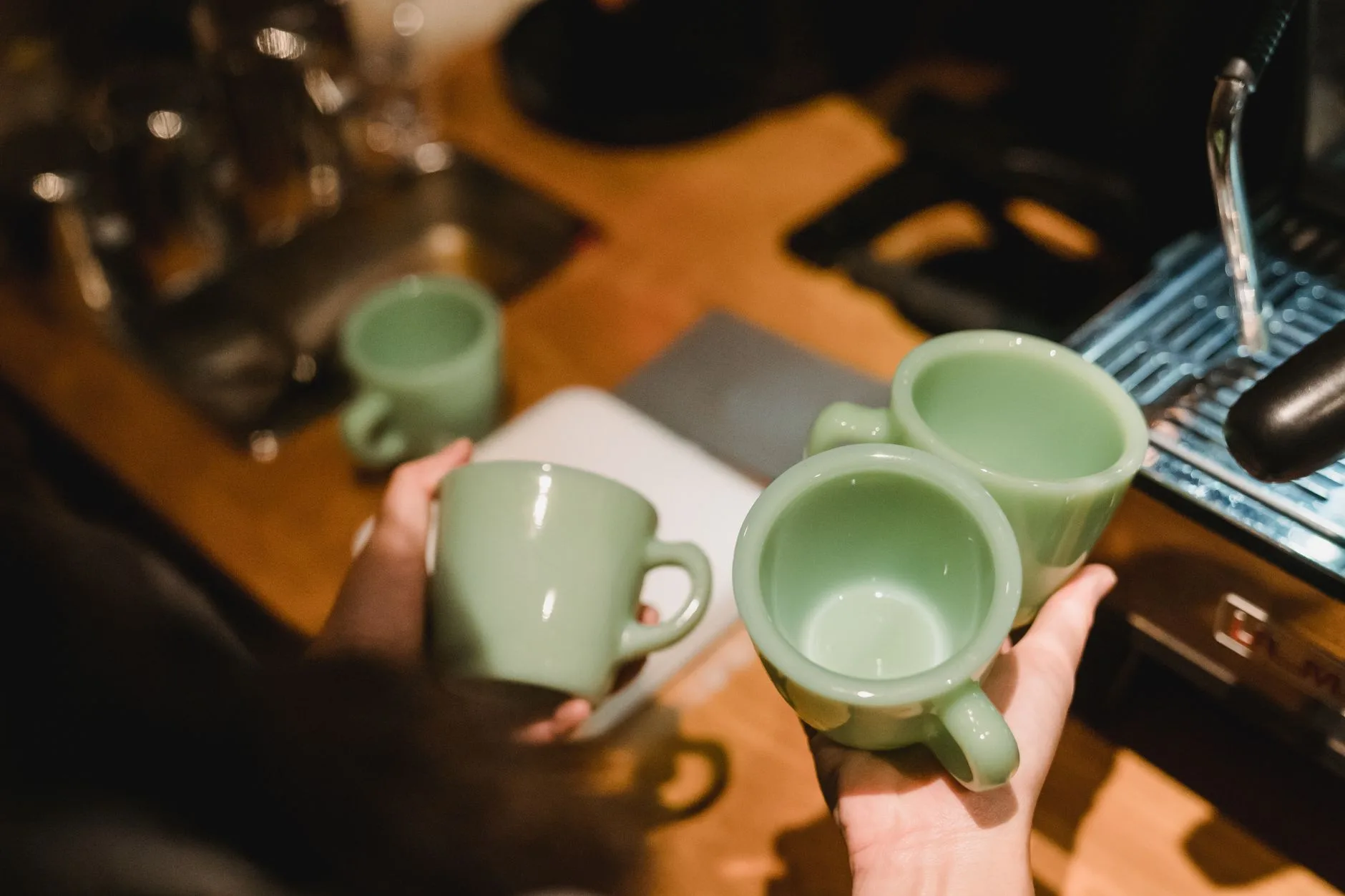
You do not need a cupboard full of specialist cups. I would rather have three useful formats than twelve mismatched mugs that all push coffee in the wrong direction. Spend the money where it changes daily use.
Best everyday setup
For most people, the best everyday setup is:
- Two 180ml milk-drink cups for flat whites and cappuccinos.
- Two 250ml filter cups with thinner rims.
- Two 80ml espresso cups if you drink espresso neat.
- One insulated travel cup for commuting rather than tasting.
That is enough for a proper home setup and still cheaper than many accessories. Budget roughly £50-£100 for the lot if you mix IKEA, John Lewis, Amazon UK and one nicer pair from a coffee retailer.
Budget picks
IKEA 365+ mugs are boring in the best way: cheap, dishwasher-safe and sensible for long coffee. They are usually around £2-£4 each. For filter coffee, choose the smaller sizes rather than the largest mug. Argos and Dunelm often have simple stoneware sets around £12-£25, but check the rim thickness before buying.
For espresso, look at basic porcelain demitasse cups from Amazon UK or catering suppliers. You can often get a set of six for £18-£30. They will not feel as nice as premium cafe cups, but they do the thermal job better than pouring espresso into a cold full-size mug.
Mid-range picks
Loveramics Egg cups are a strong mid-range choice for espresso and milk drinks. A pair usually sits around £20-£30 depending on size and colour. ACME cups are similar: cafe-proven, nicely weighted and available in proper barista sizes. Coffee Hit, Bella Barista and other UK coffee retailers often stock both.
For filter coffee, Denby, Hasami-style porcelain and thin-rim ceramic cups around 220-280ml work well. Expect £10-£25 per cup. This is the range where the cup starts to feel noticeably nicer without becoming precious.
Premium or specialist picks
If you want to experiment, look at Origami, Kinto, Fellow Monty or specialist tasting cups. Prices vary, but £18-£35 per cup is normal. These make most sense if you buy good beans, use a decent grinder and already have your brewing consistent. If you are still using pre-ground supermarket coffee, spend the money on beans and a grinder first. Our espresso vs filter grinder guide will do more for flavour than a premium mug.
For travel, the Fellow Carter range is popular because the ceramic-lined interior and wide opening make coffee smell more normal than a tiny sipper lid. It is usually around £30-£38 in the UK. KeepCup Thermal is easier to sip from on the move and normally costs around £25-£32. I would pick Fellow for desk-and-train drinking, KeepCup for walking.
The best value move is simple: buy cups by drink volume, not by how they look in a product photo.
Common Cup Mistakes That Make Good Coffee Worse
The first mistake is using cups that are too large. A 300ml flat white is not really a flat white; it is a latte with branding issues. If your milk drinks taste weak at home, check the cup before changing beans. A smaller cup often fixes the balance instantly.
The second mistake is pouring into cold heavy mugs. Thick ceramic can be brilliant once warm, but a cold mug acts like a heat sink. Rinse it with hot water while your espresso machine warms up or while the kettle comes to temperature. It is a tiny habit that makes the drink stay pleasant for longer.
The third mistake is using travel cups for all coffee. Travel cups are for transport. They keep coffee warm, but lids mute aroma and change how the drink hits your mouth. If you are tasting a new roast from Square Mile, Origin, Hasbean or another UK roaster, drink it from an open cup first. Save the travel cup for the school run.
The fourth mistake is ignoring cleaning. Coffee oils cling to ceramic, plastic lids and silicone seals. A cup can look clean and still smell stale. If your coffee tastes dull no matter what you brew, clean the mug properly and strip the travel lid apart. The same logic applies to machines and grinders, which is why we treat cleaning as part of flavour in our coffee machine cleaning guide and grinder burr cleaning guide.
The fifth mistake is buying awkward cups because they look good online. Tiny handles, unstable bases, unglazed interiors and rims that feel like pottery class leftovers get annoying fast. A cup is not a shelf ornament if you use it every morning. It should feel good half-asleep, survive the dishwasher and suit the coffee you actually drink.
For most people, cup shape is a low-cost refinement, not a revolution. Get the grind, dose, water and beans right first. Then choose cups that preserve what you have already brewed: small and warm for espresso, curved and balanced for milk drinks, thin-rimmed and open enough for filter, insulated only when you need to carry it.
Frequently Asked Questions
Does coffee cup shape affect taste? Yes, but mostly through aroma, temperature, rim feel and drinking speed. It does not change the brewed coffee itself.
What cup shape is best for espresso? A small 60-90ml ceramic or porcelain cup with a gently narrowing top is best because it keeps heat and aroma concentrated.
Are ceramic mugs better than glass cups for coffee? Ceramic is the best all-round choice for hot coffee because it feels neutral and holds heat well. Glass is useful for iced coffee and visual presentation.
Why does coffee taste worse in a travel cup? Lids reduce aroma, drinking slots change flow, and some metal or plastic interiors can make delicate coffee feel muted or stale.
What size mug should I use for filter coffee? A 220-300ml cup is usually right for filter coffee. Bigger mugs cool too quickly unless you are drinking a large batch brew.
Should I buy expensive coffee cups? Only if your brewing basics are already good. A £15-£25 well-shaped cup can help, but better beans and a better grinder usually matter more.