For a first bag of light-roast speciality coffee, start with We Are Coffee Co’s Basha Bekele 227g if you want to explore fruity black coffee. Rounton Two Stories 250g is the alternative for a more adventurous filter-coffee style. Both let you experiment without buying a kilo. If you already know your preferences and brew frequently, Union Bobolink suits everyday espresso or cafetière, while Grind House Blend is the milk-drink choice.
This shortlist covers whole beans, not ground coffee, pods or decaf: one 227g bag, one 250g bag and two 1kg repeat-buy options. It includes light and medium-style roasts, as the title suggests. Start with the smaller bags while discovering your preferences; the kilo packs are for coffee you already enjoy or a household that brews frequently. You will need a grinder or a bean-to-cup machine.
Best Speciality Coffee Beans: Quick Comparison
| Coffee and pack | Roast / format | Who should choose it | Main compromise |
|---|---|---|---|
| We Are Coffee Co Basha Bekele — 227g | Whole bean; light; Ethiopian single origin | First small-bag trial of fruity black coffee | Bright, fruit-led style may not suit a chocolate-led milk-drink preference |
| Rounton Two Stories — 250g | Whole bean; light; African blend | A small-pack experiment for adventurous filter drinkers | Funky fruit character is not a neutral everyday profile |
| Union Bobolink — 1kg | Whole bean; roast-label caveat below | Established everyday espresso or cafetière preference; frequent brewing | A kilo is too much for an unfamiliar first bag |
| Grind House Blend — 1kg | Whole bean; medium/light; Brazil–Guatemala blend | Regular milk-drink households that already like this style | Bulk quantity; less focused on delicate floral filter flavours |
How we chose: We compared roasters’ published descriptions with the available whole-bean pack sizes, roast information and intended brewing styles. These are research-led recommendations, not a hands-on tasting test. Flavour descriptions below are the roasters’ guidance, not our tasting results.
Quick Guide
- Four coffee recommendations
- Light or medium roast?
- What makes coffee speciality?
- Brewing at home
- Freshness and bag size
- Compare before buying more
- Frequently asked questions
Four Coffees Worth Considering
We Are Coffee Co Basha Bekele — First Light-Roast Trial in 227g
This Ethiopian light roast earns its place because you can try 227g rather than commit to a kilo. The roaster identifies Basha Bekele as a natural-process coffee from Sidama and describes a fruit-led profile. It is the more practical first experiment for someone curious about black filter coffee who does not yet know whether that style appeals.
Choose it over Bobolink for the smaller pack and contrasting origin-and-process brief, not because Ethiopia automatically means better coffee. If familiar chocolate-and-nut flavours matter more than exploration, do not buy it just because the bag is small.
For a V60 or AeroPress drinker, a small bag gives enough coffee to adjust the grind and compare several brews without a large stockpile. For frequent milky drinks, Grind House is the clearer fit. Against Two Stories, choose Basha Bekele for an Ethiopian single-origin trial rather than an African blend; neither is a universal winner for every palate.
Choose it for: trying a fruit-led light roast without buying 1kg. Think twice if: you want a rich milk-drink staple or dislike bright coffee.

Rounton Two Stories — Adventurous Filter Trial in 250g
Two Stories has a different job from a crowd-pleasing house blend. Rounton describes it as a funky, fruit-led blend and identifies Rwanda and Uganda in its current composition. The roaster’s Two Stories page gives orange zest, peach and honey as flavour signposts. That is a good fit if you actively want a more expressive filter coffee.
The 250g whole-bean pack makes this a practical experiment rather than a kilo-sized commitment. It is a useful alternative to Basha Bekele if you want to try an African blend with a deliberately expressive profile. If your preferred cup is quiet and nutty, the smaller pack does not change the underlying flavour direction: Two Stories still may not be your coffee.
Rounton supplies filter and cafetière brewing suggestions, which makes a paper-filter brewer or a French press a sensible place to start. Do not confuse a bold flavour description with a dark roast or high caffeine content. This is a light-roast choice; intensity here refers to character, not a measured stimulant level.
Buy the 250g bag to find out whether this expressive style suits you; a smaller pack reduces the commitment, not the fruit character.

Union Bobolink — Everyday Repeat Buy in 1kg
Bobolink is an approachable everyday choice once you know you like a nut-led coffee and can use a kilo. Union’s Brazilian coffee leans towards nuts and a balanced profile, and the roaster specifically recommends espresso and cafetière. That makes it a more sensible repeat buy for familiar household tastes than Two Stories’ deliberately adventurous character.
Union’s Bobolink page describes a light roast, but the pictured 1kg pack is marked medium. Treat it as an approachable light-to-medium-style choice, not a promise of very pale beans.
A kilo suits repeat daily brewing once you know you like the coffee. It is a less sensible first order for an occasional weekend drinker. For a first purchase, the 227g Basha Bekele and 250g Two Stories packs limit how much unfamiliar coffee you must work through, though both have a different, fruit-led brief.
The 1kg pack is a replenishment choice for a familiar espresso or cafetière routine, not the first experiment for a light-roast newcomer.

Grind House Blend — Best Fit for Milk Drinks
Grind House is the pick for households whose normal order is a flat white or latte. The current Grind range description identifies Brazil and Guatemala, calls the roast medium/light and positions it for drinking with milk. That gives it a clearer purpose than simply calling the most expensive bag “premium”.
Its chocolate-and-nut direction is a useful contrast with the fruit-led choices above. It is not a dark-roast recommendation, and the name House Blend does not mean the same coffee as Grind Light Blend. Check the selected blend and whole-bean format when ordering: similar packaging covers several products.
Choose this over Two Stories if milk drinks dominate and you want one house coffee rather than a tasting project. If your main aim is exploring delicate black filter flavours, the smaller Ethiopian option is more aligned with that goal. A 1kg pack also assumes you drink coffee regularly; a cheap-looking bag is poor value if much of it sits unused.
Choose it for: a regular espresso-and-milk routine. Think twice if: you mostly want delicate filter coffee or only brew occasionally.

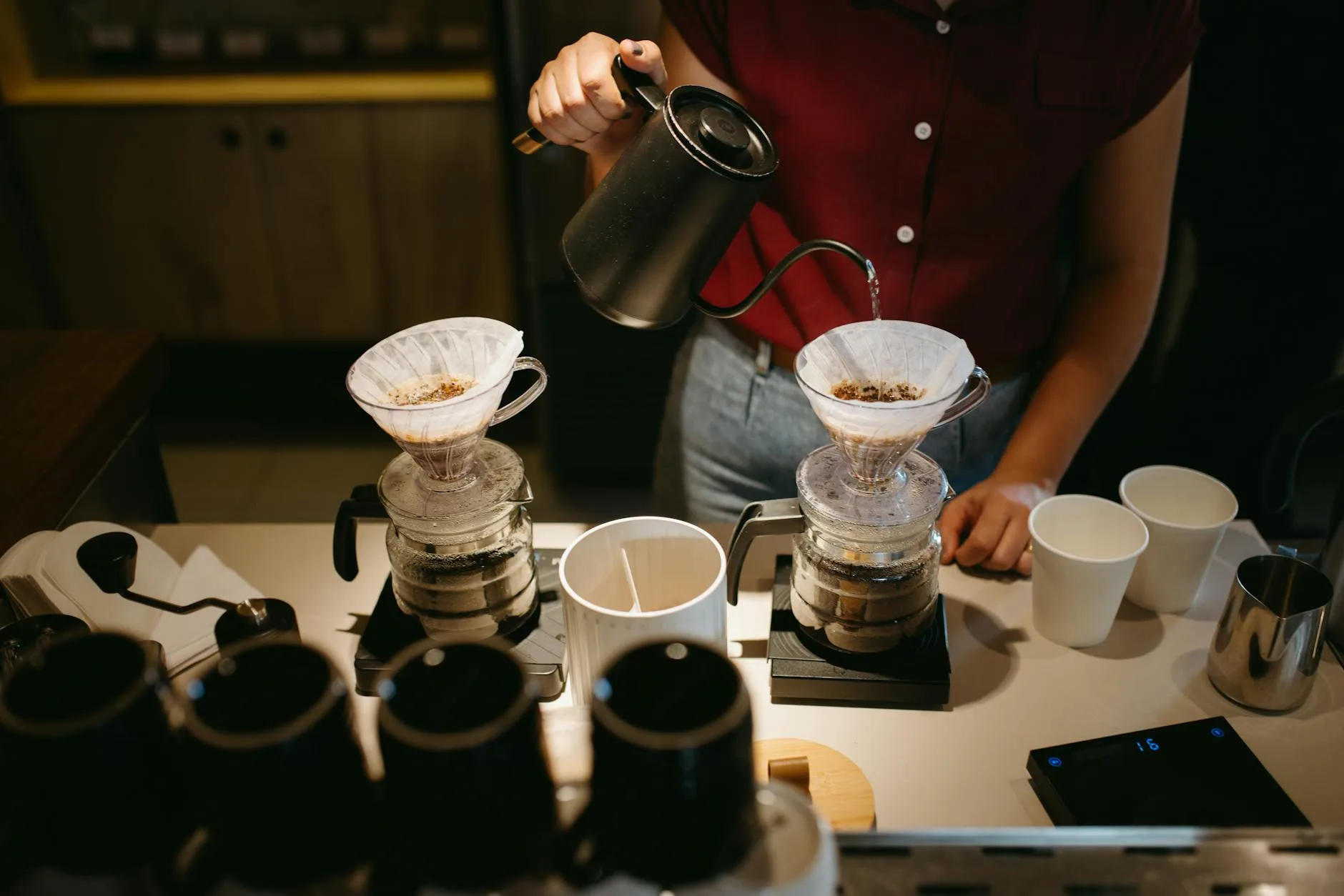
Light vs Medium Roast: Match the Coffee to Your Cup
Black coffee and filter brewing
Light roasts can make origin and processing differences easier to explore, but “light” is not a universal flavour. A nut-led Brazilian and a fruit-led Ethiopian need not taste alike at a similar roast level. The right question is whether you want familiar chocolate-and-nut character or more brightness and fruit, not which label sounds more expert. Our roast-level guide explains the wider spectrum.
Paper filters and metal filters also change the texture in the cup. Compare Chemex, V60 and Kalita if you prefer a paper-filter brew, or use the brew-method comparison to decide whether that is the style you actually want.
Milk drinks and automatic machines
For lattes, start with a coffee intended to work with milk, such as Grind House. Light-roast espresso can also be enjoyable with milk; it is not automatically sour or unsuitable. It may take more adjustment to find a balanced result. Sourness is a reason to examine the recipe, not proof that your palate needs retraining.
If you use a bean-to-cup machine, follow its instructions on permitted beans and start with a manageable amount in the hopper. Our guide to matching beans to your machine helps separate flavour preferences from machine limitations.
What Makes Coffee Speciality?
Speciality is more useful as a description of distinctive quality than as a number printed on a bag. The Specialty Coffee Association’s current definition focuses on distinctive attributes and the extra value associated with them. The familiar 80-point threshold remains common in coffee descriptions, but it is not a substitute for understanding the specific coffee. No independent cupping score is claimed for these recommendations.
- Look for identifiable coffee: an origin, producer or named blend gives you something to compare on a future purchase.
- Read the roast and brewing guidance: a clear description is more helpful than an unexplained strength number.
- Separate flavour from certification: organic, Fairtrade and direct-trade statements concern different things and do not guarantee your favourite cup.
For the meaning of the certification itself, use the Fairtrade Foundation’s coffee information; do not assume all speciality coffee carries its mark. The UK roaster comparison is useful if you would rather explore a roaster’s broader range than buy one of these four packs.
Brewing Light and Medium Roasts at Home
Keep the first recipe simple
Use a burr grinder and grind what you need shortly before brewing. There is no exact minute at which ground coffee suddenly becomes flavourless. A coffee scale makes repeat doses easier; start with your brewer or roaster’s recipe rather than changing every setting at once.
- Weigh the coffee and water. For filter, 15g coffee to 250g water is a useful starting recipe, not a rule.
- Match grind to the brewer. Use the grind-size guide, then adjust from the taste and flow you get.
- Change one thing at a time. If a brew tastes thin and sharply sour, try a little finer grind or more extraction time; if it becomes harsh or drying, reassess the grind and agitation.
- Record what changed. Keep the bean, dose and brewer constant while you find a recipe you enjoy.
Use the equipment you already have
A gooseneck kettle helps control a V60 pour, but an AeroPress or French press can be a simpler way to compare beans. You do not need to replace the whole setup to discover whether you like a coffee.
For espresso, use a repeatable dose and yield, then follow our dialling-in guide. Water affects both flavour and equipment care: check the water-filter guide and the machine maker’s advice. A filter jug does not automatically create the right mineral balance for every machine or coffee.
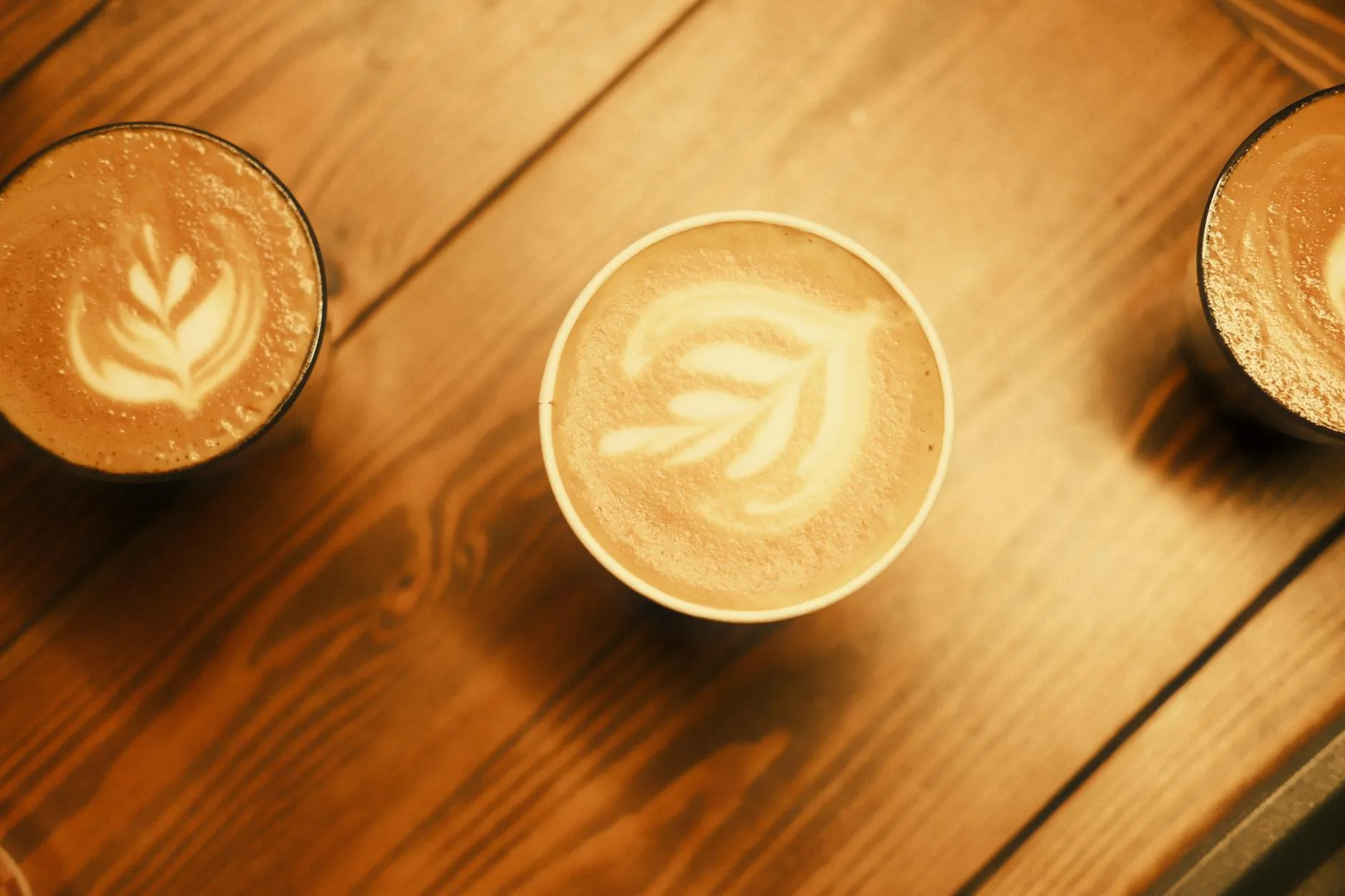
Storage, Freshness and Bag Size
Buy the amount you will use
At a 15g dose, 227g provides about 15 brews, 250g about 16 and 1kg about 66, before any coffee used for adjustments. The smaller bag is the safer experiment for one occasional drinker; a kilo becomes more sensible when several people brew daily or the coffee is already a favourite.
Compare the current total price and price per kilogram, including delivery, rather than assuming the larger bag is always better value. Our bulk coffee buying guide covers a different decision: repeat purchasing in larger quantities, not choosing a first speciality bag.
Roast date beats guesswork
Look for a roast date and any resting advice from the roaster. A best-before date is not a roast date, and no fixed 7–21-day window suits every roast, package and brew method. If recent roasting is essential to you, confirm the date before buying rather than inferring it from “freshly roasted” wording.
Keep beans sealed, dry and away from heat and sunlight. Avoid repeatedly opening a cold container where moisture can condense. The storage guide covers handling spare portions; the coffee-canister guide helps with daily storage. A container cannot restore flavour already lost.
Compare Two Coffees Before Buying More
Brew two coffees with the same method and recipe, then compare sweetness, acidity, texture and aftertaste as they cool. Note what you actually enjoy, even if your notes are only “brighter” or “better with milk”. The aim is choosing your next bag, not matching every descriptor on the label.
- For a first light-roast experiment: choose Basha Bekele 227g if fruity black coffee is what you want to explore.
- For a more adventurous small bag: Two Stories 250g brings an expressive African-blend alternative.
- For an established everyday preference: Bobolink 1kg suits frequent espresso or cafetière brewing.
- For regular milk drinks: Grind House 1kg suits a busy household that already knows it likes this style.
The biggest mistake is buying a kilo of a fashionable style before you know whether you like it. Start with the cup you want to drink, then choose the pack size—not the other way round.
Frequently Asked Questions
Which speciality coffee beans should I try first? For a first light-roast trial, choose We Are Coffee Co Basha Bekele 227g if you want fruity black coffee, or Rounton Two Stories 250g for an adventurous African blend. Keep the 1kg Bobolink and Grind House options for established preferences and frequent brewing.
Are light roasts always better than medium roasts? No. Light and medium are roast descriptions, not quality rankings. Roast scales also vary between brands. Choose a flavour direction and brewing style you enjoy rather than assuming a lighter bean is better.
Can I use these beans in a bean-to-cup machine? These are whole-bean packs, so they can be ground by a suitable bean-to-cup machine. Follow the machine maker’s bean guidance and adjust its settings where permitted. A light roast may need a different recipe from your usual coffee.
Do I need an expensive grinder? You need a suitable way to grind whole beans, but it need not be expensive. A burr grinder with adjustments for your brew method is more useful than paying for features you will not use. For espresso, fine adjustment matters more.
Should I start with a small bag or a kilo? Choose 200–350g while discovering a new coffee. The 227g and 250g packs here provide roughly 15–16 brews at a 15g dose, before adjustments. Buy a kilo when you already enjoy the coffee and will use it regularly.
Does a fruit tasting note mean the coffee is flavoured? A roaster’s fruit, nut or chocolate tasting note normally describes perceived flavour, not an added ingredient. Check the ingredients if added flavourings or allergens matter to you; a tasting descriptor is not an ingredient declaration.