The real espresso machine workflow is not just pressing a button and waiting for coffee. It is warm-up time, grinding, puck prep, milk steaming, wiping, rinsing, emptying and the small daily faff that decides if the machine still gets used six months later.
In This Article
- What The Daily Workflow Actually Looks Like
- Warm-Up Time: What Changes By Machine Type
- Grinding, Dosing And Puck Prep
- Pulling Shots And Steaming Milk Without Chaos
- Cleanup: The Part Most Buyers Underestimate
- Espresso Machine Workflow: Daily Effort And Running Costs
- Which Workflow Suits You?
- Frequently Asked Questions
What The Daily Workflow Actually Looks Like
An espresso machine can make excellent coffee at home, but the daily rhythm matters more than the headline pressure number or the shiny stainless steel front panel. If the routine feels annoying at 7.15am on a wet Tuesday, the machine becomes kitchen theatre rather than something you use.
The quick version
For one milk drink on a semi-automatic machine, allow about 8-15 minutes from switching on to wiping down. A thermoblock machine such as the Sage Bambino Plus, usually around £399 from John Lewis or Currys, can be closer to 5-8 minutes once you know the routine. A heavier dual-boiler machine, such as a Sage Dual Boiler at about £1,199 or a Lelit Elizabeth at about £1,199 from Bella Barista, rewards patience but asks for more space, warm-up and cleaning discipline.
Bean-to-cup machines sit at the other end. A De’Longhi Magnifica Evo is often £399-£549 from Currys, Amazon UK or John Lewis and will grind, dose, brew and rinse with less skill required. The drink can be less textured and less adjustable than a good manual setup, but the workflow is much easier to live with.
A normal weekday routine
A realistic single-drink routine looks like this:
- Switch on and heat up: Let the machine, portafilter and cup come up to temperature.
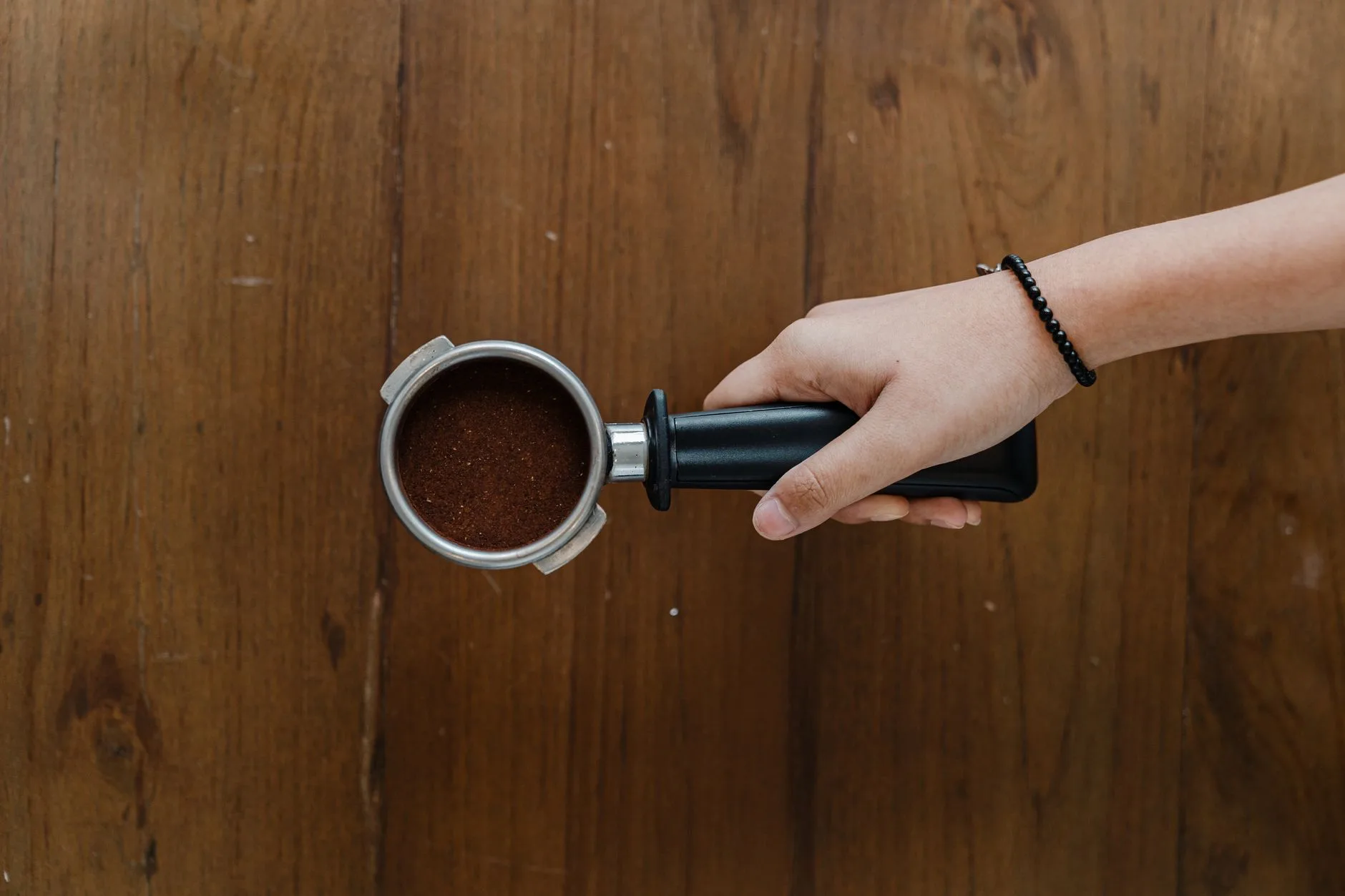
- Prepare the dose: Grind beans, weigh or dose by timer, distribute, tamp and lock in the portafilter.
- Pull the shot: Watch yield and time, then stop the shot before it runs thin and bitter.
- Steam milk: Purge the wand, texture the milk, wipe the wand and purge again.
- Clean down: Knock out the puck, rinse the basket, wipe the tray and empty water if needed.
If you drink black espresso or an Americano, the workflow is much lighter. If you make two flat whites back-to-back, the machine’s steam power, drip tray size and counter space start to matter. Owners often report that the coffee is the easy bit; the real test is whether the cleanup feels automatic rather than irritating.
Warm-Up Time: What Changes By Machine Type
Warm-up is where many buyers get caught. A machine can say it is ready quickly, but that does not always mean the group, portafilter and cup are all stable enough for consistent espresso.
Thermoblock machines
Thermoblock and thermojet machines heat water on demand, which makes them the friendliest choice for small kitchens and rushed mornings. The Sage Bambino is usually about £329, while the Bambino Plus tends to sit around £399-£499 depending on offers. They are not built like commercial machines, but for one or two drinks they are quick and forgiving.
The trade-off is temperature stability. You can improve it by locking the portafilter in while the machine warms, flushing a blank shot through the basket, and warming the cup. That adds 60-90 seconds, but it makes the first shot less thin. Based on UK owner reviews, the Bambino workflow is popular because the machine does not demand a whole morning ritual.
Single boiler, heat exchanger and dual boiler machines
Single-boiler machines are compact and can make lovely espresso, but they ask you to wait between brewing and steaming. A Gaggia Classic Pro is commonly around £449 from Gaggia Direct or Coffee Hit. It is a good machine for someone who enjoys tinkering, but the workflow is less slick for milk drinks because brew temperature and steam temperature are separate stages.
Heat exchanger and dual-boiler machines reduce that bottleneck. A dual boiler lets you brew and steam with less waiting, which is useful if you make several milk drinks. The cost jumps. A Lelit Elizabeth or Sage Dual Boiler is around £1,000-£1,300, and prosumer machines can push past £1,800 before you even buy a grinder.
There is also electricity to think about. A small thermoblock machine used briefly will cost pennies per day in typical use. A heavier boiler machine left on for long periods uses more energy, so a smart plug or machine timer can be useful. If running costs are part of your decision, our guide to how much a coffee machine costs to run goes deeper on the numbers.
Bean-to-cup warm-up
Bean-to-cup machines usually warm quickly, rinse automatically and remove much of the manual ritual. That convenience is exactly why they sell so well in the UK. The downside is that you often trade away full control over grind, dose, tamp pressure and milk texture.
If you mainly want a decent cappuccino before the school run, that is a fair trade. If you enjoy changing grind size by half a notch because a new bag of beans is behaving differently, a bean-to-cup machine may feel boxed-in. Our bean-to-cup vs espresso machine comparison covers that bigger choice.
Grinding, Dosing And Puck Prep
Puck prep is where home espresso becomes either satisfying or maddening. The machine gets the attention, but the grinder usually decides whether the workflow feels calm.
The grinder changes the whole morning
For espresso, a cheap blade grinder is a non-starter. Even many budget burr grinders struggle because espresso needs fine, repeatable adjustment. A Sage Smart Grinder Pro is often around £219, a Baratza Encore ESP about £179, and a Eureka Mignon Manuale around £279-£329 from Bella Barista or Coffee Hit. Those prices feel steep until you spend three mornings chasing sour shots with a grinder that jumps from too coarse to too fine.
If you already have a grinder, check whether it can adjust finely enough for espresso. Our guides to entry-level espresso grinders and why cheap grinders struggle with espresso are worth reading before spending more on the machine.
The small tools that reduce mess
You do not need a drawer full of accessories, but a few cheap tools make the routine cleaner:
- Dosing funnel: Around £8-£15 from Amazon UK or Coffee Hit, and it stops grounds spilling over the basket.
- WDT tool: Around £8-£20, useful for breaking clumps before tamping.
- Digital scales: Around £15-£35 for a basic coffee scale, or £70+ for a Timemore model with better response time.
- Knock box: Around £15-£30 from Amazon UK, Lakeland or specialist coffee shops.
The WDT tool is not magic, but it makes puck prep more repeatable, especially with cheaper grinders. We cover the technique in more detail in our WDT tools guide.
Weighing versus eyeballing
For a low-stress workflow, weigh the dose and the espresso yield until the machine is dialled in. A common starting point is 18g of coffee in and about 36g of espresso out, then adjust by taste. The Specialty Coffee Association coffee standards are useful background for brew ratios and extraction language, though home espresso always needs a little practical judgement.
Once you know the beans, you can loosen up. I would still keep scales nearby. The difference between a tidy morning and sink-shot frustration is often a gram or two.
Pulling Shots And Steaming Milk Without Chaos
The drink-making stage is short, but it is where counter space, milk routine and machine layout matter.
Espresso-only workflow
If you drink espresso or Americanos, the workflow is simple. Grind, prep, pull, add hot water if needed, then knock out the puck. A compact machine and grinder can work well in a 60cm-wide kitchen station if the water tank is easy to reach.
The most common mistake is treating every shot as a laboratory exercise. You need enough control to avoid bad coffee, but you do not need to chase perfection every morning. If the shot tastes good, stop fiddling.
Milk drink workflow
Milk adds more moving parts. You need cold milk, a clean jug, enough steam power, a cloth for the wand and space to swirl. A basic stainless steel milk jug is about £8-£15. Oatly Barista, Minor Figures and supermarket barista oat milks are usually £1.80-£2.40 per litre, while standard semi-skimmed milk is normally much cheaper.
For one flat white, a Bambino Plus is easy to live with because automatic milk steaming helps. It is not as satisfying as manual steam on a powerful dual-boiler machine, but the workflow is friendlier. For three cappuccinos in a row, the dual boiler starts to justify itself.
Making drinks for two people
Two drinks expose weak workflow quickly. You need somewhere for used cups, wet cloths, the portafilter, the knock box and the milk jug. Small drip trays fill faster than you expect. Steam wands need wiping immediately, not after breakfast, because dried milk turns a ten-second wipe into a job.
If two people use the machine, agree the baseline recipe and cleaning routine. It sounds dull, but it prevents the classic household argument: one person enjoys the coffee ritual, the other inherits the gritty counter and full drip tray. No judgement; espresso has ruined calmer kitchens than yours.
Cleanup: The Part Most Buyers Underestimate
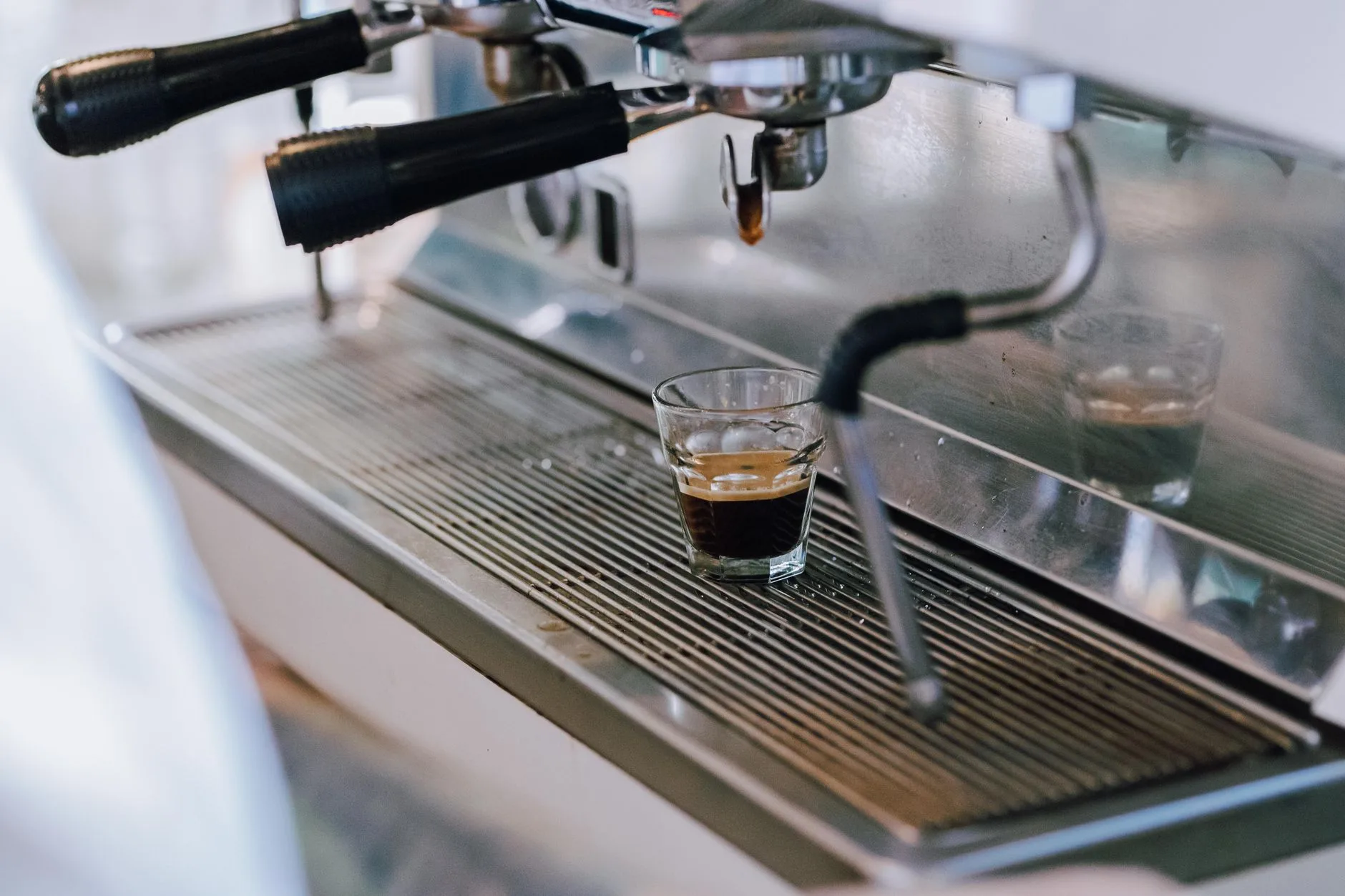
Cleanup is not optional maintenance. It is part of the espresso machine workflow, and it decides whether the coffee keeps tasting clean.
Daily cleaning
After each session, knock out the puck, rinse the basket, flush the group briefly, wipe the steam wand, empty the drip tray if needed and wipe stray grounds from the counter. This is two minutes when done immediately and five annoying minutes when left until later.
Bean-to-cup machines often rinse themselves, but they also create wet grounds containers, milk tubes and drip trays that need regular attention. Some owners prefer that because the machine prompts them. Others find the hidden trays more irritating than a visible portafilter mess.
Weekly and monthly cleaning
Manual espresso machines need backflushing if they have a three-way solenoid valve. Cleaning tablets such as Cafiza are around £8-£12 for a tub, and descaler is often £6-£12 depending on brand. Water filters for Sage machines are usually about £12-£18 for a pack, while De’Longhi filters are commonly £9-£14 each.
Check the machine manual rather than guessing. For example, Sage lists the Barista Express with an integrated conical burr grinder, 15 bar Italian pump and thermocoil heating system on its UK product page, and its cleaning prompts are part of the ownership workflow rather than a nice extra: Sage Barista Express product specifications.
Hard water in UK kitchens
Hard water is a real issue in much of England, especially in London and the South East. If you ignore filters and descaling, the machine may still work for a while, but temperature stability and flow can suffer. A basic Brita jug is around £20-£35, replacement cartridges are often £15-£25 for a pack, and machine-specific filters cost more.
If you want the lowest-effort setup, choose a machine that reminds you when to clean and descale. If you want full control, accept that maintenance is part of the hobby.
Espresso Machine Workflow: Daily Effort And Running Costs
The daily cost of espresso is not only beans. It is beans, water, filters, milk, electricity, cleaning products and your patience.
Typical UK cost per drink
A 250g bag of supermarket speciality beans might be £4-£7. A better UK roaster bag is often £9-£14. At 18g per double shot, that gives roughly 13-14 doubles per bag, so beans can be anywhere from about 35p to £1 per double before milk.
Milk adds roughly 15p-40p per drink depending on dairy or barista oat milk. Cleaning and filters may add only a few pence per drink, but they are real costs. If you use bottled water because your tap water tastes poor, the cost climbs again.
The effort scale
Here is the practical effort scale I would use:
- Lowest effort: Capsule machine. Fast and tidy, but capsules are expensive and coffee quality is capped.
- Low effort: Bean-to-cup machine. Good for routine drinks, less rewarding if you enjoy manual control.
- Medium effort: Thermoblock semi-auto with a decent grinder. Best balance for many UK kitchens.
- Higher effort: Single boiler or prosumer setup. Better control, more waiting, more cleaning discipline.
Capsule machines are not the focus here, but they are the honest comparison point. If you resent wiping a steam wand, a £700 manual espresso setup will not fix that feeling.
Where the money is best spent
For most people, I would rather see £400 on the machine and £250 on the grinder than £650 on the machine and £60 on the grinder. A Sage Bambino Plus with a Baratza Encore ESP is not the fanciest setup, but the workflow is manageable and the coffee ceiling is high enough for normal home use.
If you want one-box convenience, a De’Longhi or Siemens bean-to-cup machine around £450-£800 is more sensible than pretending you will become a morning barista. If you want a proper hobby, a Lelit or Sage dual-boiler setup with a Eureka grinder is more rewarding, but it needs counter space and a bit of tolerance from everyone else in the kitchen.
Which Workflow Suits You?
The best espresso machine workflow is the one you will repeat without resentment. That sounds obvious, but it is where many expensive machines fail.
Choose manual espresso if…
Manual espresso suits you if you enjoy adjusting grind, weighing shots and improving technique. You should also be fine with wet cloths, spent pucks and a machine that needs regular care. The reward is better control and, with good beans, coffee that can beat most high-street cups.
The best value route is a quick-heating semi-auto machine, a grinder that can handle espresso, and a small set of tidy tools. If your kitchen is small, read our compact coffee machine guide before buying anything wide or deep.
Choose bean-to-cup if…
Bean-to-cup makes more sense if you want fresh-ground coffee with fewer steps. It is the better choice for shared kitchens, busy mornings and households where nobody wants to be the unofficial cleaning manager. You still need to empty trays, clean milk systems and replace filters, but the machine guides more of the process.
The coffee will not feel as hands-on. That is the point. A machine you actually use every day beats a beautiful setup that only comes out on Sundays.
My practical recommendation
For most UK homes, the sweet spot is a fast thermoblock machine plus a proper espresso grinder. I would buy the Sage Bambino Plus at about £399 and pair it with a Baratza Encore ESP at about £179, then add a £10 dosing funnel, a £15 WDT tool and a £20 scale. That setup keeps the espresso machine workflow short enough for weekdays while still giving you room to improve.
If you mainly make milk drinks for several people, consider stepping up to a dual boiler. If you mostly want clean convenience, buy bean-to-cup and do not apologise for it. The wrong purchase is the one that asks for a morning routine you do not want.
Frequently Asked Questions
How long does an espresso machine take each morning? A quick thermoblock setup can take about 5-8 minutes for one drink, while a heavier boiler machine may be closer to 10-20 minutes including warm-up and cleanup.
Is a bean-to-cup machine easier than a manual espresso machine? Yes. Bean-to-cup machines remove most grinding, dosing and tamping work, though they still need milk-system cleaning, tray emptying and filter changes.
Do I need a separate grinder? For manual espresso, usually yes. Built-in grinders can work, but a separate espresso-capable grinder gives more control and is easier to upgrade later.
What is the messiest part of home espresso? Grinding and puck cleanup cause most mess. A dosing funnel, knock box and damp cloth make a bigger difference than they look like they should.
How much should I budget for cleaning supplies? Allow roughly £20-£50 a year for cleaning tablets, descaler and filters, more if your machine uses proprietary filters or you live in a hard-water area.
Which setup is best for busy mornings? A bean-to-cup machine is easiest, but a Sage Bambino Plus-style thermoblock machine with a tidy grinder setup is the better choice if you still want manual espresso quality.