Distribution tools only matter if they solve a real espresso problem: uneven coffee in the basket. The short answer to “is an espresso distribution tool worth it?” is yes for most manual espresso users, but only if you buy the right tool first and keep the routine simple.
In This Article
- What Espresso Distribution Tools Are Trying To Fix
- Which Distribution Tools Actually Make A Difference
- What To Buy First On A UK Budget
- How Distribution Fits Into A Repeatable Espresso Routine
- Mistakes That Make Distribution Tools Feel Useless
- Who Can Skip Distribution Tools
- Is An Espresso Distribution Tool Worth It?
- Frequently Asked Questions
What Espresso Distribution Tools Are Trying To Fix
Espresso is fussy because the water is under pressure and will always find the easiest path through the puck. If one side of the basket is dense and the other side is loose, the shot can run fast through the weak area and leave the rest under-extracted. That is where distribution tools come in.
The puck problem in plain English
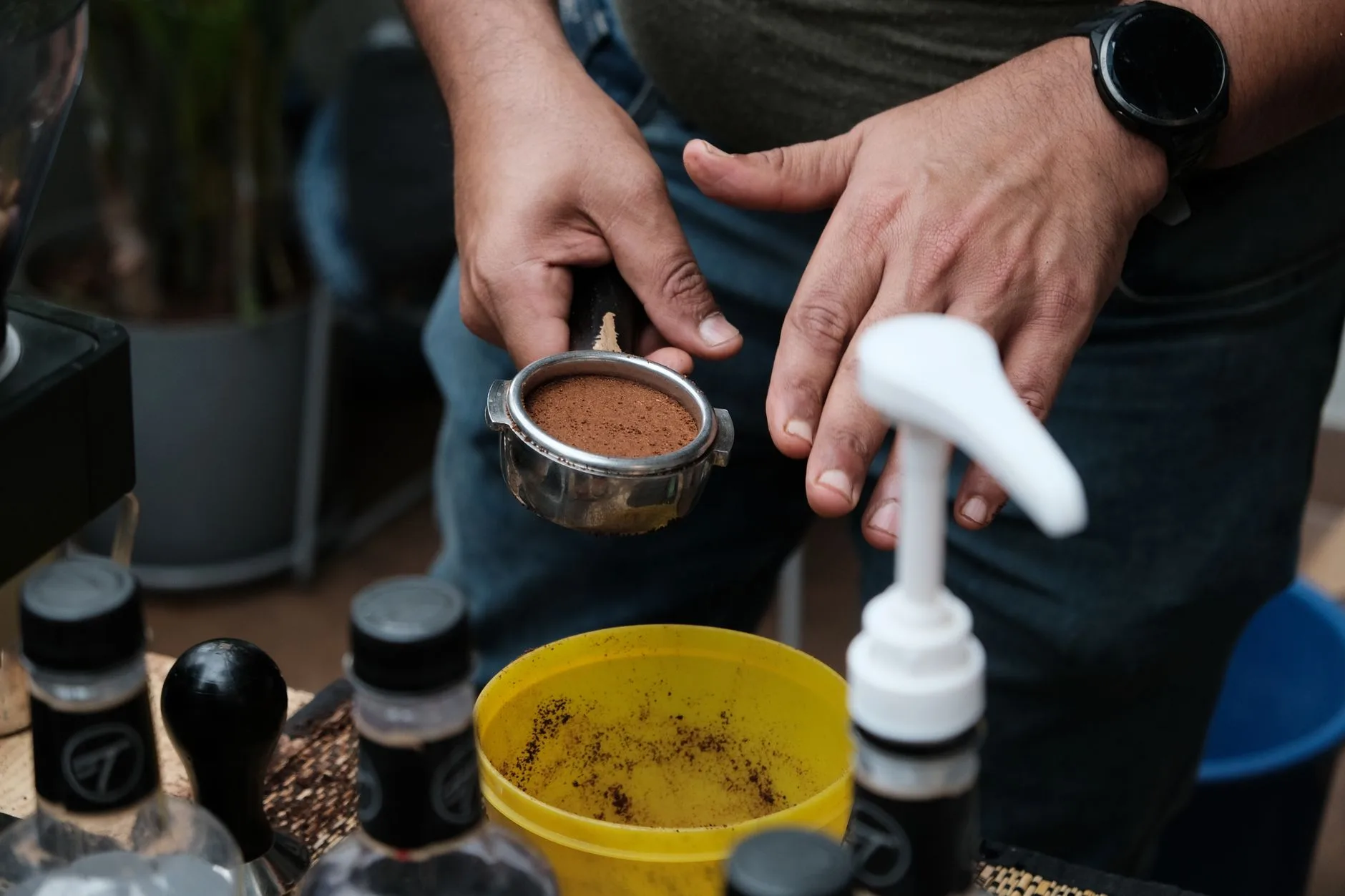
When coffee comes out of the grinder, it rarely lands perfectly flat. Some grinders drop fluffy grounds neatly into the basket. Others throw clumps to one side, especially with fine espresso settings, darker beans, static, small 54mm baskets, or cheaper grinders with narrow chutes.
You can see the problem on a bottomless portafilter: tiny sprays, blond patches, uneven drips and shots that swing from sour to harsh even when the grind setting barely changed. If that sounds familiar, distribution is worth looking at before you blame the machine.
The Specialty Coffee Association’s standards work is built around consistency and repeatable methods. Home espresso is the same idea in miniature. You are trying to make the basket look and behave the same way every time.
Distribution is not the same as tamping
Tamping compresses the coffee bed. Distribution decides how evenly the coffee sits before you tamp. A heavy tamper cannot fully rescue a basket where the grounds are piled against one wall or clumped in the middle.
That is why distribution tools sit between grinding and tamping. They are not magic flavour accessories. They are mess-control and consistency tools.
The honest limitation
Distribution will not fix stale beans, a blunt grinder, the wrong dose or a machine running wildly hot. If your espresso tastes thin because the grind is too coarse, no shiny leveller will solve it. Start with the basics in our espresso dialling-in guide, then use distribution tools to tighten the routine.
Which Distribution Tools Actually Make A Difference
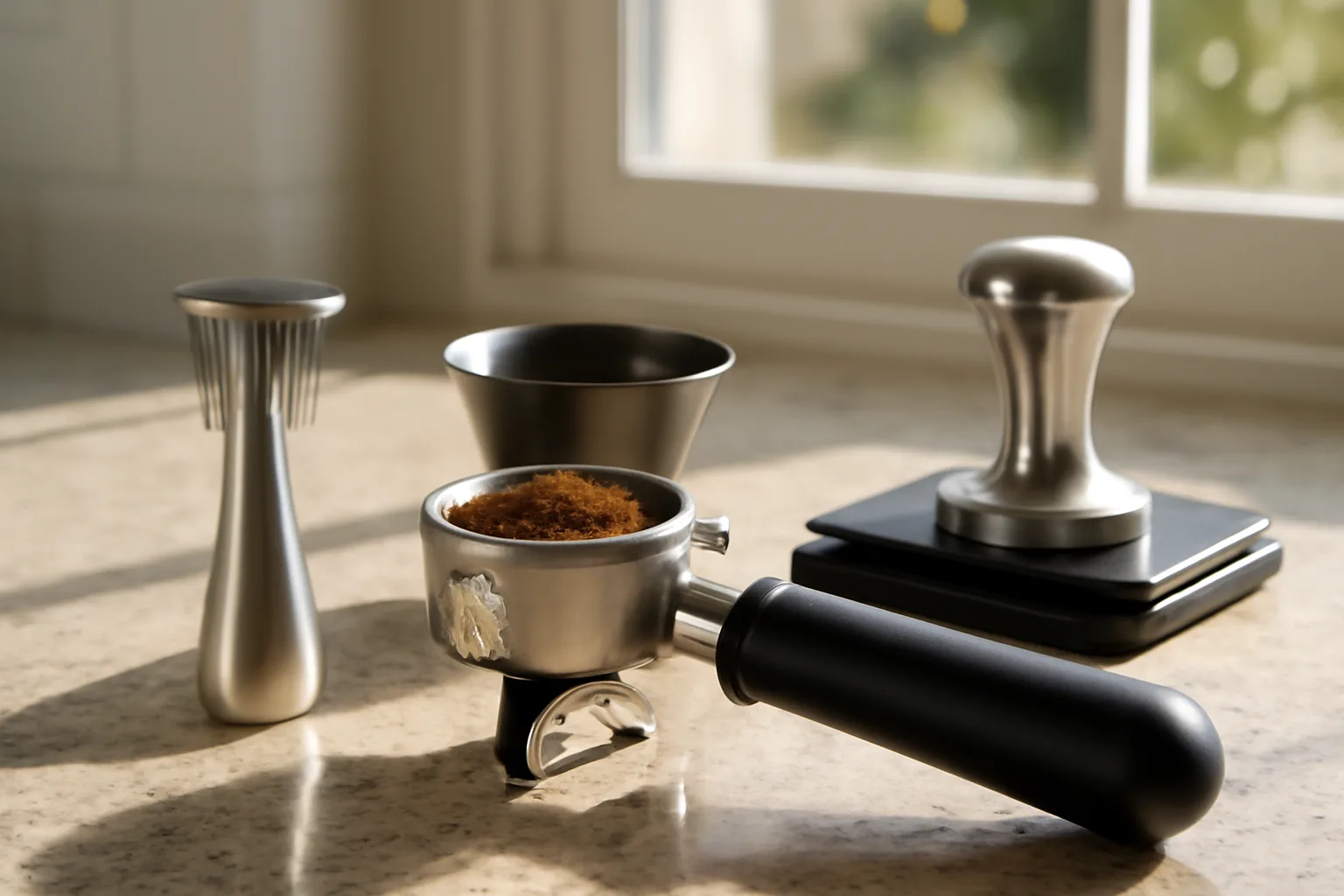
There are five common puck-prep accessories sold as distribution tools. They do not all do the same job, and some overlap heavily. The useful question is not “can this tool change the shot?” but “does it solve a problem I actually have?”
WDT tool
A WDT tool uses fine needles to break up clumps and spread coffee through the basket before tamping. For most home users, this is the distribution tool that makes the clearest difference.
Based on UK owner feedback and common home-barista troubleshooting patterns, WDT helps most when:
- Your grinder clumps at fine settings: common with entry-level espresso grinders and darker roasts.
- You use a bottomless portafilter: sprays and uneven starts are easier to spot.
- You dose into the basket: grounds often land in a mound rather than a level bed.
- You change beans often: WDT gives you one stable prep step while grind settings move around.
The good news is price. A basic fine-needle WDT tool costs about £8-£20 on Amazon UK. Better magnetic stands and machined handles push that to £25-£45 from retailers such as Coffee Hit or Bella Barista, but the needles matter more than the handle.
We already have a full guide to using WDT tools for espresso, so I will keep the verdict short here: buy WDT before you buy a spinning leveller.
Dosing funnel
A dosing funnel does not distribute coffee by itself, but it makes distribution easier because you can stir the grounds without throwing coffee over the counter. If you use WDT, a funnel is close to mandatory.
Sage sells its own 54mm Dosing Funnel for £14.95, and it is designed to reduce mess and waste on compatible Sage portafilters. Generic aluminium 54mm and 58mm funnels are usually £8-£18 on Amazon UK. Magnetic versions tend to sit more securely, which matters if you are stirring with needles.
This is the least glamorous accessory on the list. It is also the one that stops your morning espresso routine turning into hoovering.
Spinning distributor or leveller
The classic espresso distributor is the flat, adjustable tool you twist over the basket to level the surface. It looks neat. It feels satisfying. It also gets oversold.
A leveller can smooth the top of the puck, but it does not break clumps deep in the basket. If the coffee is uneven underneath, a polished top surface may hide the problem rather than fix it. I would treat levellers as optional finishing tools, not the main answer.
Prices vary wildly:
- Budget levellers: about £12-£25 from Amazon UK, often fine for casual use.
- Mid-range branded tools: about £30-£60 from Normcore, Motta or Rhinowares-style ranges.
- Premium tools: £70-£120+, usually nicer to hold rather than much better in the cup.
If you already use WDT and want a neater tamping surface, a leveller can be pleasant. If you are buying one because your shots channel, spend the money on WDT first.
Puck screen
A puck screen sits on top of the tamped coffee bed. It can help keep the shower screen cleaner and may soften water flow into the puck, but it is not a substitute for distribution.
Puck screens usually cost £5-£15. They are useful on some machines, particularly if the shower screen leaves a wet, messy puck or if you are trying to keep a compact home setup cleaner. The trade-off is another item to rinse, dry and occasionally soak. Leave it damp and it becomes one more unpleasant bit of coffee kit.
I like puck screens for tidy users. I would not buy one before a funnel and WDT tool.
Calibrated tamper or self-levelling tamper
This is where people blur categories. A good tamper helps you press level and repeat the same pressure. It does not distribute the grounds before tamping.
Calibrated tampers such as Normcore-style spring-loaded models usually cost about £35-£60. Premium tampers can go past £100. They are worth considering if your tamp is wonky or you share the machine with someone else, because they reduce variation between users.
For product choices, read our UK coffee tamper guide. For this article, the important point is simple: tampers finish the puck; they do not arrange it.
What To Buy First On A UK Budget
If you are trying to decide what to buy, ignore the accessory drawer fantasy. You do not need every espresso gadget. You need the smallest set that makes your shots more repeatable.
My practical spend order
For most UK home espresso setups, I would buy in this order:
- Digital scales: £15-£35. Not a distribution tool, but more important than any distribution tool because you need dose and yield control.
- Dosing funnel: £8-£18. Buy the size that fits your basket, usually 54mm for Sage Bambino/Barista models or 58mm for many prosumer machines.
- Fine-needle WDT tool: £8-£30. Choose needles around 0.25-0.4mm rather than chunky prongs.
- Better tamper: £25-£60 if your stock tamper is loose, light or awkward.
- Puck screen: £5-£15 if you want a cleaner group head and do not mind rinsing it.
- Spinning leveller: £20-£60 only if you want a neater surface after WDT.
That means the useful distribution starter kit can cost less than £35: a funnel plus a basic WDT tool. That is often a better upgrade than a £70 leveller on its own.
Best cheap setup
For a Sage Bambino, De’Longhi Dedica with an upgraded basket, Gaggia Classic or Lelit Anna, I would start with a magnetic dosing funnel and a cheap fine-needle WDT tool from Amazon UK. Expect to spend £18-£35 total.
The cheap setup is not glamorous, but it targets the real problems: mess, clumps and uneven grounds. Fancier tools can feel nicer in the hand and still do less in the cup.
Best mid-range setup
If you already have a decent grinder and a non-pressurised basket, move up to a better-made WDT tool with a stand and a calibrated tamper. A Normcore-style tamper plus a WDT tool and funnel usually lands around £70-£110 total depending on basket size.
This is the sweet spot for home baristas who make espresso most days. The tools are pleasant enough to use, but you have not spent machine-upgrade money on accessories.
What I would avoid
I would avoid buying a leveller first, especially the deep adjustable type that compresses the top of the puck before tamping. It can create a tidy-looking surface while doing little for clumps lower down. I would also avoid bundles full of vague “barista accessories” where half the tools do not fit your basket.
Check basket diameter before buying. A 58mm tool will not fit a 54mm Sage basket, and a 51mm Dedica basket needs its own size. This sounds obvious until you have three returns sitting by the front door.
How Distribution Fits Into A Repeatable Espresso Routine
Distribution works best when it becomes one small step in the same routine, not something you fiddle with endlessly. The goal is repeatability, not ritual theatre.
A simple routine that works
Use this order:
- Weigh the dose: start with the basket’s sensible range, such as 18g in many 58mm baskets or 16-18g in common 54mm Sage baskets.
- Grind into the basket or dosing cup: keep the same grinder setting while testing one change at a time.
- Add the dosing funnel: especially if you use WDT directly in the portafilter.
- WDT gently: stir through the full depth, then shallowly rake the top level.
- Tap once if needed: settle the bed without slamming the portafilter.
- Tamp level: one firm, even press is enough.
- Pull the shot and record the result: dose, yield, time and taste matter more than how pretty the puck looked.
If the shot still runs badly, go back to grind size, dose and bean freshness. Our guide to troubleshooting espresso problems covers that diagnosis in more detail.
Where it saves time
Distribution looks like it adds effort, but a funnel and WDT tool can save time if they stop you remaking bad shots. The extra step takes about 10-15 seconds once you stop overthinking it.
The bigger time saver is reduced mess. A dosing funnel keeps grounds in the basket. A consistent WDT habit means fewer sprayed bottomless shots. A puck screen can keep the group head cleaner, although it adds its own rinse step.
Where it slows you down
Distribution tools become annoying when you use too many of them. WDT, leveller, calibrated tamper, puck screen and paper filter is a lot for one double espresso before work.
For weekday coffee, the clean routine is funnel, WDT, tamp. Done. The leveller can stay in the drawer unless I am testing a new basket or trying to tidy a particularly fluffy dose.
That is also why the tool should match your machine. A fast-heating Sage setup should not need a five-minute puck-prep ceremony. If you want the full manual ritual, fine, but do not pretend every accessory is essential.
Mistakes That Make Distribution Tools Feel Useless
Most disappointing distribution-tool purchases come from mismatch rather than useless tools. People buy the wrong accessory, use it badly, or expect it to fix a grinder problem.
Buying a leveller instead of a WDT tool
This is the common one. A spinning leveller makes the basket look tidy, so it feels like the serious espresso accessory. But if your grinder produces clumps, it is working on the surface after the damage is already done.
If you can only buy one distribution tool, buy WDT. Add the leveller later if you still want it.
Using needles that are too thick
Some cheap tools use thick prongs that drag trenches through the puck. You want fine needles, not cocktail sticks. Around 0.25-0.4mm is a sensible range for home espresso.
Too-thick needles can make the bed look busy without making it even. The shot may still channel, and then the tool gets blamed.
Stirring only the top layer
If the clumps are lower in the basket, a surface swirl will not touch them. Go deep enough to break the mound, then finish with a lighter surface rake. Do not jab aggressively into the basket; you are distributing coffee, not digging a trench.
Changing five variables at once
New WDT tool, new basket, new tamper, new beans, new grinder setting. Then the shot tastes different and nobody knows why.
Change one thing. Keep dose, yield and recipe steady for a few shots. This is boring advice, but it is how you learn whether the tool helped.
Ignoring the grinder
Distribution improves a dose; it does not make a poor espresso grinder behave like a £500 single-dose grinder. If your grinder cannot go fine enough, produces boulders and dust, or shifts settings between shots, distribution only tidies the symptoms.
That does not mean you need a luxury grinder. It means you should know when the bottleneck is elsewhere. Our guide to why cheap grinders struggle with espresso explains the bigger issue.
Who Can Skip Distribution Tools
Not every home espresso setup needs extra puck-prep accessories. Some people will get more value from better beans, scales or learning the machine.
Pressurised basket users
If you use a pressurised basket, the basket itself creates resistance and hides some puck-prep mistakes. Distribution can still reduce mess, but it will not transform the cup in the same way it can with a non-pressurised basket.
For a De’Longhi Dedica on stock pressurised baskets, I would buy scales and fresh beans first. Move to distribution tools when you upgrade the basket and grinder.
Bean-to-cup owners
Bean-to-cup machines handle dosing and puck prep internally. You cannot WDT the puck before extraction because the brew unit is doing the work. Spend your effort on beans, cleaning tablets, water filters and maintenance instead.
If you are choosing between manual and automatic setups, our bean-to-cup vs espresso machine guide is the better place to start.
Casual milk-drink users
If you mostly make big lattes and cappuccinos, small shot improvements can disappear under milk. That does not make distribution pointless, but it changes the priority.
For two flat whites every morning, a funnel and WDT tool are still useful because they reduce mess and wasted shots. For one weekend cappuccino, I would keep the kit minimal.
People with a tidy commercial-style grinder
Some grinders dose evenly enough that WDT makes only a small difference. If your shots are already repeatable, your puck prep is quick and you rarely see channeling, do not buy tools just because espresso forums say you should.
Spend the money on better beans from a UK roaster instead. A fresh £10-£14 bag from Origin, Square Mile, Hasbean/Ozone or your local roaster will usually do more for flavour than another metal gadget.
Is An Espresso Distribution Tool Worth It?
An espresso distribution tool is worth it if you use a manual espresso machine, a non-pressurised basket and a grinder that sometimes clumps. For that setup, the best first buy is not a heavy leveller. It is a dosing funnel and a fine-needle WDT tool.
The answer by setup
Here is the practical verdict:
- Sage Bambino or Barista Express with non-pressurised basket: yes, buy a 54mm funnel and WDT tool first. Budget £20-£40.
- Gaggia Classic, Lelit, Rancilio or 58mm prosumer setup: yes, WDT is worth having. Add a better tamper if your current one fits badly.
- De’Longhi Dedica with stock pressurised basket: maybe later. Scales, beans and grinder upgrades come first.
- Bean-to-cup machine: no. You cannot use these tools in the brew chamber.
- Experienced setup with consistent shots already: maybe. Buy only if you are solving mess, workflow or occasional channeling.
My buying recommendation
For a UK home espresso station from scratch, the buying order should be:
- First: digital coffee scales, about £15-£35.
- Second: magnetic dosing funnel, about £10-£20.
- Third: fine-needle WDT tool, about £8-£30.
- Fourth: better-fitting tamper, about £30-£60 if the stock one is poor.
I would skip the spinning leveller until everything else is stable. It is the accessory most likely to look professional and do less than expected.
The bottom line
Distribution tools do make a difference, but the useful difference is consistency rather than instant café-quality espresso. A cheap WDT tool and funnel can reduce channeling, reduce mess and make your routine easier to repeat. That is worth £25-£40.
What is not worth it is buying every puck-prep accessory before you have sorted dose, grind and beans. Espresso rewards boring consistency. The right distribution tool helps with that; the wrong one just fills the drawer.
Frequently Asked Questions
Is an espresso distribution tool worth it for beginners? Yes, if you use a manual espresso machine with a non-pressurised basket. Start with a dosing funnel and fine-needle WDT tool before buying a spinning leveller.
What is the best espresso distribution tool to buy first? A WDT tool is the best first distribution tool for most home users. It breaks up clumps and spreads coffee through the basket before tamping.
Do I need both a WDT tool and a distributor? Usually no. WDT does the more useful work. A spinning distributor can tidy the top surface, but it should not replace WDT if your grinder clumps.
How much should I spend on espresso distribution tools in the UK? Most people only need £20-£40 for a good starter setup: about £8-£18 for a dosing funnel and £8-£30 for a WDT tool.
Will distribution tools fix sour espresso? They can help if sourness comes from channeling, but they will not fix a grind that is too coarse, stale beans or the wrong brew ratio.
Are puck screens distribution tools? Not really. A puck screen sits on top of the tamped coffee and can keep the machine cleaner, but it does not distribute grounds before tamping.