The espresso vs filter beans difference is less about a separate type of coffee bean and more about how the roaster expects you to brew it. Espresso-labelled beans are usually roasted and blended to taste balanced under pressure, while filter-labelled beans are usually roasted to show clarity, acidity and aroma in slower brewing.
In This Article
- The Espresso vs Filter Beans Difference: The Short Answer
- What Espresso Beans Actually Mean
- What Filter Beans Actually Mean
- The Real Differences: Roast, Solubility and Brewing Pressure
- Can You Use the Same Beans for Both?
- UK Buying Advice and Real Prices
- How to Choose Without Overthinking It
- Frequently Asked Questions
The Espresso vs Filter Beans Difference: The Short Answer
Espresso beans and filter beans usually come from the same species, farms and processing methods. There is no special “espresso plant” and no rule that says a coffee sold for filter cannot go through an espresso machine. The label is a brewing recommendation.
That recommendation still matters. A coffee roasted for espresso is normally easier to extract as a short, intense drink. It tends to give more body, lower sharpness and a flavour profile that holds up with milk. A coffee roasted for filter usually aims for a cleaner cup, more aroma and a lighter finish. It may taste beautiful through a V60 and aggressively sour as espresso if your grinder and puck prep are not up to it.
The practical answer is this: if you mainly drink flat whites, cappuccinos or straight espresso from a home machine, buy espresso-suitable beans first. If you mainly brew V60, Chemex, AeroPress, Clever Dripper or batch filter, buy filter-suitable beans first. If you want one bag for both, look for a medium roast labelled “espresso and filter” or “omni roast”, then accept that it will be a compromise.
That is not a bad thing. Some of the best everyday coffees are compromise coffees. They are not the most exciting option on a cupping table, but they behave well at 7am when you have one eye open and the Sage Bambino is still heating up.
What Espresso Beans Actually Mean
“Espresso beans” is shorthand for beans roasted and chosen to work in espresso brewing. Espresso is a demanding method because it pushes hot water through a compact puck of finely ground coffee in a short time. Small changes in grind, dose and puck prep show up quickly in the cup.
The label is about suitability, not botany
Most espresso-labelled bags are either arabica-only blends or arabica-led blends with a little robusta. The roaster has picked a profile that should give enough sweetness, body and crema under pressure. That often means a medium to medium-dark roast, though modern UK speciality roasters are much less dark than old-school Italian supermarket beans.
On a bag, espresso language often looks like this:
- Chocolate, caramel, nut or fudge notes: usually a sign the coffee is intended to taste rounded rather than sharp.
- Medium or medium-dark roast: easier to extract in espresso than very light coffee.
- Blend: often chosen for consistency across milk drinks and repeated dial-ins.
- Espresso recipe: a suggested dose, yield and time tells you the roaster has tested it as espresso.
The key word is usually “forgiving”. A forgiving espresso bean gives you a decent shot even if your grind setting is one click out or your puck prep is not competition-level neat. That matters in a UK kitchen where many people are using a Sage Barista Express, Bambino Plus, Gaggia Classic, De’Longhi Dedica or similar machine rather than a commercial setup.
Why espresso beans often taste heavier
Espresso magnifies body. A coffee that tastes medium-bodied as filter can feel thin as espresso because the drink is so small and concentrated. Roasters often build espresso blends around sweetness and texture because milk exposes weaknesses quickly. A sharp, lemony espresso may be interesting on its own, but in a flat white it can taste like hot milk with a squeeze of citrus. No thanks.
I would rather use a slightly less exciting espresso blend that gives repeatable shots than a spectacular light single origin that needs five sink shots every morning. If you enjoy the puzzle, fair enough. If you just want a reliable cappuccino before work, espresso-labelled beans make life easier.
What Filter Beans Actually Mean
Filter beans are roasted and selected for brewing methods where water spends longer moving through a looser bed of coffee. That includes V60, Kalita Wave, Chemex, batch brew, cafetiere, Clever Dripper and many AeroPress recipes. The aim is usually clarity, aroma and balance rather than crema or heavy body.
Filter roasts are often lighter
Many filter coffees are roasted lighter than espresso coffees. That keeps more origin character in the cup: fruit, florals, tea-like body, fresh acidity, honey sweetness, spice or stone fruit. The Specialty Coffee Association’s coffee standards are a useful reminder that professional coffee assessment separates sample preparation, roast control and sensory evaluation rather than treating “strong” as the only measure of quality.
In normal home terms, filter beans often suit people who want to taste where the coffee came from. If a bag says Ethiopia, washed process, jasmine, bergamot and peach, it is probably happier through filter than under a pressurised basket.
Filter beans are not automatically weak
This is where supermarket language has done coffee no favours. “Strength 3” or “strength 5” usually tells you more about roast darkness than caffeine or quality. A light-roasted filter coffee can have plenty of caffeine and plenty of flavour. It just does not taste roasted, smoky or bitter.
Filter brewing also gives you more room to adjust taste without ruining the drink. If a V60 tastes thin, you can grind a little finer, pour slower, raise the dose or extend contact time. If a light filter roast tastes sour as espresso, you may need a much finer grind, higher temperature, longer ratio and better puck prep. Some home grinders simply cannot get there cleanly.
The sweet spot for most filter drinkers
For everyday UK filter brewing, I like medium-light to medium beans more than ultra-light competition-style coffees. They keep enough brightness to be interesting but do not punish you for using a £35 Hario hand grinder or a Wilfa Svart. A 250g bag around £9-£13 from a good UK roaster is usually where the value starts to make sense.
That does not mean supermarket beans are useless. A fresh-ish bag of Lavazza, Taylors or Union can still make a decent cafetiere. But if you are buying whole beans specifically for V60 or Chemex, roast date and intended brew method matter more than a dramatic tasting-note paragraph.
The Real Differences: Roast, Solubility and Brewing Pressure
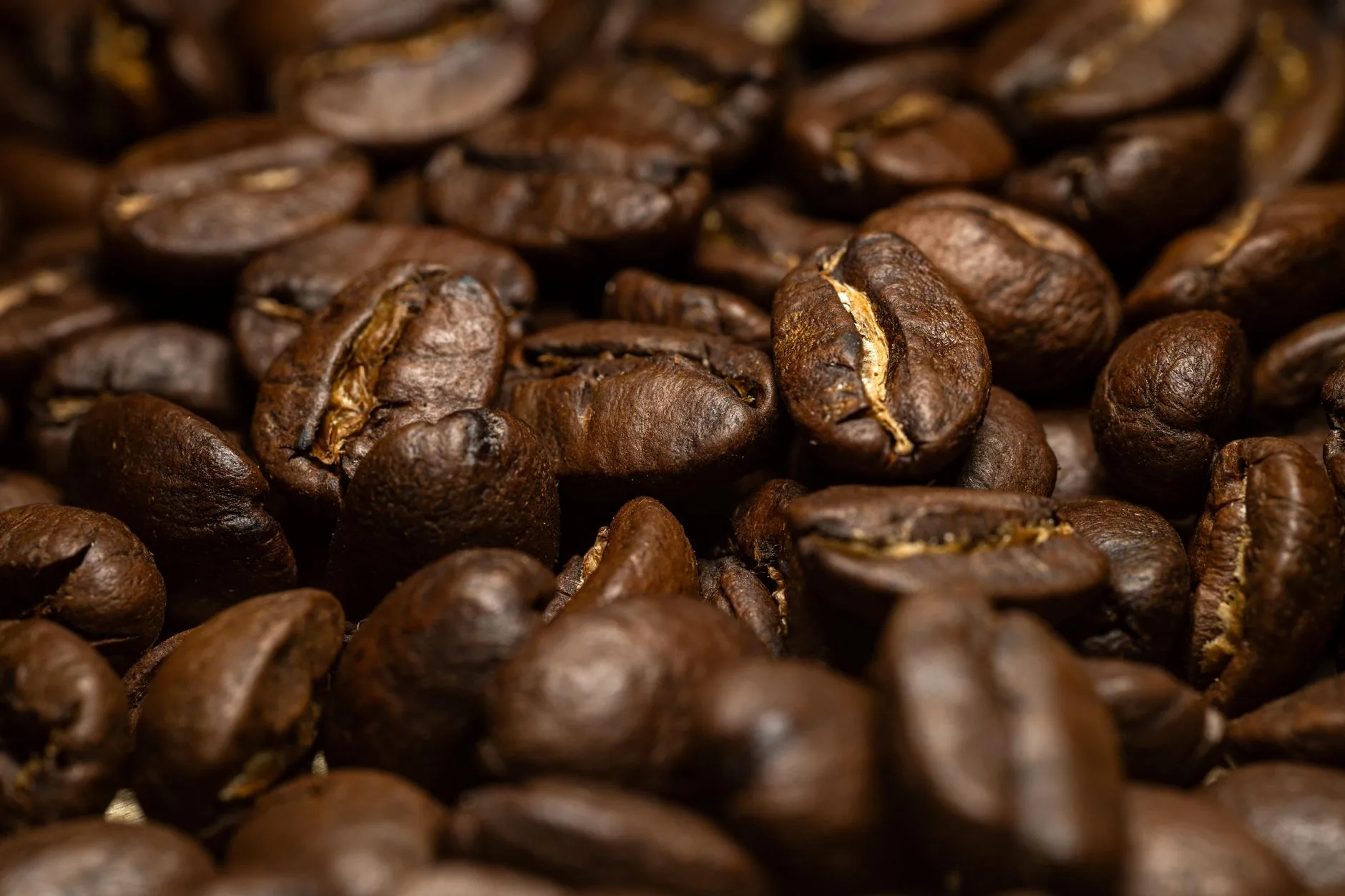
The real espresso vs filter beans difference shows up in extraction. Brewing method changes how quickly water pulls flavour from the grounds, and roast level changes how easily those flavours dissolve.
Roast level changes extraction
Darker roasts are generally more soluble. They break down more during roasting, so water can extract flavour faster. That is helpful for espresso because the brew time is short. It is also why a darker espresso blend can taste full and sweet in 25-35 seconds.
Lighter roasts are usually less soluble. They can be beautiful through filter because longer contact time gives the water a better chance to extract sweetness and aroma. Under espresso pressure, that same coffee may need a very fine grind and a longer shot ratio to avoid tasting sharp.
This is not a moral judgement. Light roast is not “better” and dark roast is not “burnt” by default. The right roast depends on the brew method and the flavour you want.
Pressure changes perceived flavour
Espresso is intense because the drink is tiny. A double shot might use 18g of coffee and yield about 36g of liquid. That concentration makes acidity, bitterness and body feel louder. Filter coffee spreads a similar amount of extraction across a much bigger drink, so the same bean can seem cleaner and less punchy.
That is why a filter roast used as espresso can taste edgy. The acidity that felt lively in a mug can feel harsh in a 36g shot. It is also why an espresso roast used as filter can taste flat or heavy. The chocolatey body that works with milk may feel dull in a long black mug.
Processing and blend design matter too
Roast is the obvious difference, but it is not the only one. Washed coffees often taste cleaner and brighter. Natural processed coffees can taste fruitier and heavier. Blends can be designed to keep the same flavour profile month after month, while single origins can shift with each lot.
For espresso, consistency is valuable. It means you do not have to re-learn the coffee every few days. For filter, some variation is part of the fun. That is why rotating single-origin subscriptions make sense for V60 drinkers but can annoy espresso drinkers who just dialled in yesterday.
If you already own a decent grinder, the existing CoffeeSetupUK guide on choosing a grinder for espresso vs filter explains why the grinder side of this matters. This article is only about the beans, but the two decisions meet in the cup.
Can You Use the Same Beans for Both?
Yes, you can use the same beans for espresso and filter. The better question is whether you will like the result in both methods.
When one bag works well
One bag is easiest when the coffee sits in the middle: medium roast, balanced sweetness, not too smoky, not too acidic. These are often sold as all-rounder blends, house blends or espresso/filter roasts. They are useful if you make espresso in the morning and AeroPress or cafetiere later in the day.
Look for cues like:
- Roast: medium, medium-light or “espresso and filter”.
- Tasting notes: chocolate, caramel, red fruit, nuts, brown sugar or stone fruit rather than very floral acidity.
- Recipe guidance: both espresso and filter recipes on the product page.
- Freshness: a roast date, not just a best-before date.
Origin Coffee’s Resolute is a good example of the modern all-rounder style: a 250g bag is currently listed at about £12.50 as a one-off purchase, with subscription pricing shown lower on their site. Rave’s Espresso Blend Nº 4 is more espresso-led but still offers grind options for cafetiere and filter; at the time of checking, a 250g bag was about £7.34 and a 1kg bag about £24.96. Prices move, but those are useful UK benchmarks.
When one bag becomes annoying
One bag becomes annoying when your brew methods want opposite things. If you want bright V60 coffee and syrupy milk drinks, you are asking a lot from one roast. You can make it work, but one brew will usually be the favourite and the other will feel like the compromise.
The common home frustration is buying a fashionable light filter roast, then trying to pull espresso on a basic grinder. The shot runs fast, tastes sour, and the answer becomes a spiral of finer grinding, higher doses and increasingly tense mornings. I have done this enough times to know when the coffee is the wrong tool for the job.
The opposite problem is less dramatic but still real. Use a dark espresso blend in a V60 and it may taste hollow, roasty or dry. You can lower the water temperature and grind coarser, but you cannot brew origin clarity back into a coffee that was roasted for milk drinks.
A sensible two-bag setup
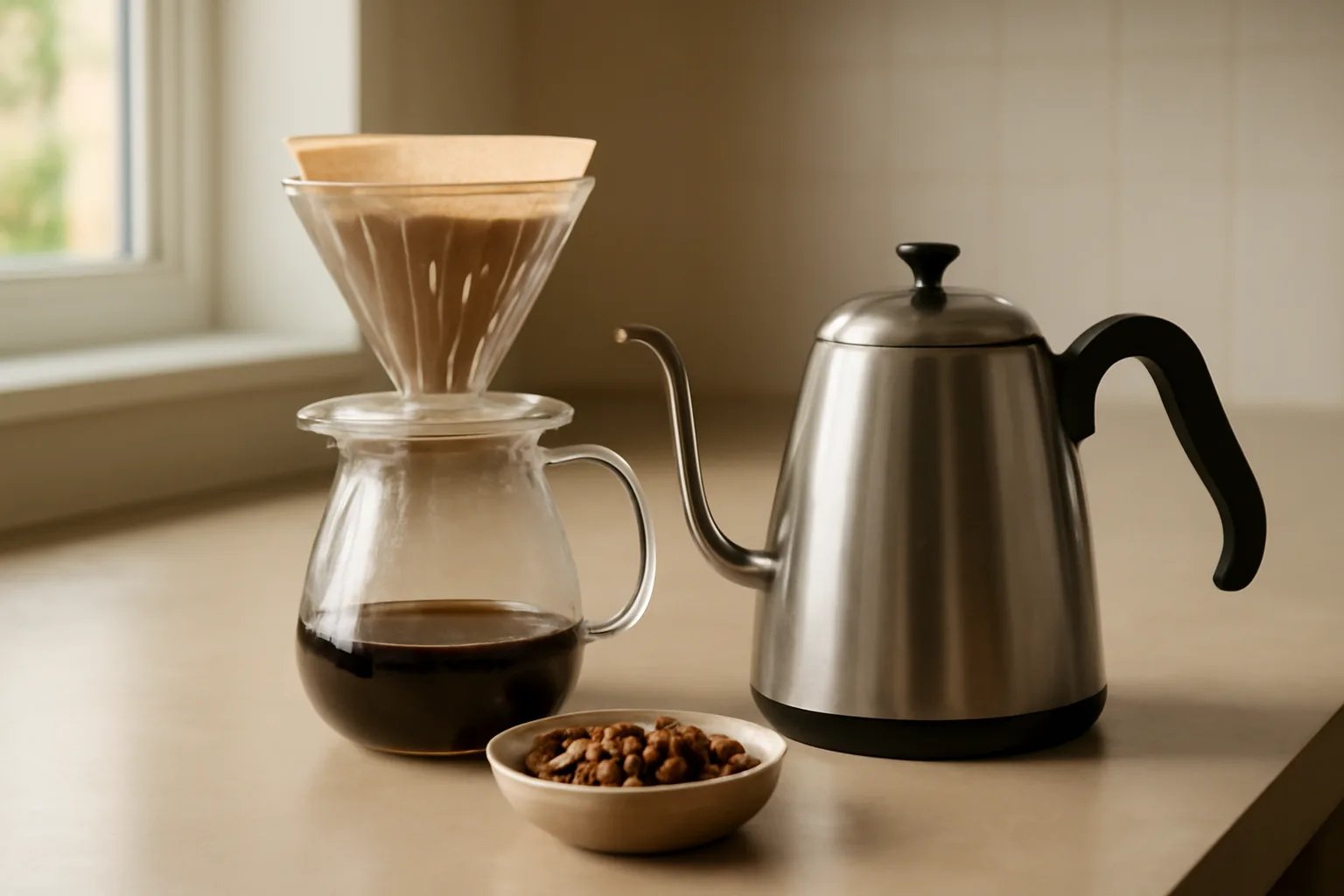
If you drink both styles often, the cleanest answer is two bags:
- Espresso bag: a reliable medium or medium-dark blend for milk drinks and straight shots.
- Filter bag: a medium-light single origin or lighter blend for V60, Chemex, AeroPress and batch brew.
That sounds indulgent until you do the maths. Two 250g bags at £9-£13 each still cost less than a week of takeaway flat whites for two people. The real issue is freshness, so only do this if you will finish both bags within three or four weeks of roast.
For storage, the existing CoffeeSetupUK guide on keeping coffee beans fresh is worth following. Splitting bags only makes sense if you keep air, light and heat under control.
UK Buying Advice and Real Prices
Do not buy by label alone. Buy by how you brew, how fussy you want to be, and how quickly you use a bag.
What I would buy for espresso
For a home espresso machine, I would start with a proper espresso blend before chasing experimental light roasts. Square Mile Red Brick is a classic UK speciality espresso option and is currently listed around £15.25 for 350g or £40.75 for 1kg. That is not cheap, but it gives you a stable reference point for dialling in.
If that feels steep, Rave Espresso Blend Nº 4 is better value for daily drinking at about £7.34 for 250g or £24.96 for 1kg. It is the kind of bean I would buy for a busy kitchen where cappuccinos matter more than tasting every tiny origin note.
For supermarket espresso, Lavazza, Taylors and Union can be fine if the bag is fresh and whole bean. Expect roughly £4-£7 for 200-250g in Tesco, Sainsbury’s, Waitrose or Ocado depending on promotions. The issue is not that supermarket coffee is always bad; it is that roast dates are often missing, so freshness is a gamble.
What I would buy for filter
For filter brewing, I would spend the money on freshness and roast style before brand prestige. Origin Resolute at about £12.50 for 250g is a safe all-rounder. Ozone/Hasbean’s Our House blend has been listed around £11.95, though delivery can add a few pounds below the free-delivery threshold. Square Mile’s filter options often sit around £14-£16 for 350g.
That means good filter coffee often lands around £35-£55 per kg from UK speciality roasters. It sounds expensive next to supermarket kilo bags, but the per-cup cost is still modest. A 15g V60 from a £12.50/250g bag costs about 75p in beans. If it replaces a £3.50 cafe filter or £4 flat white, the economics are not daft.
If you want lighter, fruitier coffee, avoid bags that shout “intense”, “Italian”, “extra dark” or “strength 5”. Those labels usually point away from filter clarity.
Where subscriptions fit
Subscriptions make sense if you know your pace. A 250g bag every fortnight suits one daily brewer. A 1kg bag suits a household making multiple milk drinks a day. If you drink coffee sporadically, subscriptions can become a stale-bean conveyor belt.
The Specialty Coffee Association’s Coffee Value Assessment is a useful professional framework because it treats coffee value as more than one score or one flavour note. At home, though, your value test is simpler: did the bag taste good for the way you brew, and did you finish it while it was still fresh?
Use the existing guide to tasting coffee at home if you want to compare bags properly. You do not need a formal cupping table, but tasting two coffees side by side will teach you more than reading another set of poetic tasting notes.
How to Choose Without Overthinking It
The safest decision rule is boring, which is why it works: match the bean to the brew method you use most.
Buy espresso beans if most drinks use pressure
Choose espresso beans if you mostly drink:
- Espresso: straight shots, Americanos or long blacks from an espresso machine.
- Milk drinks: flat whites, cappuccinos, lattes and cortados.
- Moka pot coffee: not true espresso, but often happier with espresso-friendly roasts.
- Bean-to-cup coffee: most machines behave better with medium espresso blends than light filter roasts.
If you use a bean-to-cup machine, avoid very oily dark beans because they can make grinders messy over time. The guide on choosing coffee beans for your machine goes deeper on that machine-specific angle.
Buy filter beans if most drinks are brewed longer
Choose filter beans if you mostly use:
- V60 or Kalita: where clarity and aroma are the point.
- Chemex: where heavy espresso roasts can taste a bit dull.
- Cafetiere: especially if you like lighter, cleaner cups rather than oily dark ones.
- AeroPress: unless you brew short, espresso-style recipes.
Filter beans reward curiosity. They are the better choice if you want to compare Ethiopia against Colombia, washed against natural, or single origin against blend. For that last question, the CoffeeSetupUK guide to single origin vs blend coffee covers the distinction without tying it only to espresso or filter.
My practical recommendation
If you own one grinder and one machine, buy for your main drink. Do not let the occasional weekend V60 dictate the bean you use for ten weekday flat whites. Likewise, do not buy a dark espresso blend because you might make one moka pot in a month if your daily drink is a clean filter coffee.
For most UK homes, I would choose:
- Mostly milk drinks: medium espresso blend, 250g until you know you like it, then 1kg if you finish it quickly.
- Mostly black filter coffee: medium-light filter roast, 250g bags, rotate origins slowly.
- Mixed brewing: medium omni roast or two separate 250g bags if you brew enough to keep them fresh.
The final answer is simple: espresso beans and filter beans are not different species, but they are different buying signals. Ignore the label and you can still make coffee. Respect the label and you will waste fewer beans getting there.
Frequently Asked Questions
Are espresso beans stronger than filter beans? Not necessarily. Espresso tastes stronger because it is brewed as a concentrated drink, not because the beans always contain more caffeine.
Can I use filter beans in an espresso machine? Yes, but light filter roasts can taste sour unless your grinder, temperature and puck prep are good enough to extract them properly.
Can I use espresso beans for V60 or cafetiere? Yes. Medium espresso blends can work well, but darker espresso roasts may taste heavy, roasty or flat in filter brewing.
What is an omni roast? An omni roast is a coffee roasted to work reasonably well across espresso and filter rather than being pushed hard toward one method.
Should I buy whole beans or ground coffee? Whole beans are better if you own a grinder. If you buy ground coffee, choose the grind size for your brew method and use it quickly.
How much should I spend on beans in the UK? For fresh speciality coffee, expect roughly £8-£13 for 250g at the value end and £14-£17 for premium 350g bags. Supermarket beans can be cheaper, but freshness is less predictable.