Manual coffee grinding on holiday is worth it only if the grinder earns its space in your bag. The beans are easy; the awkward bit is weight, morning effort, mess, and whether you can clean the grinder properly in a cottage kitchen, hotel room or campsite sink. Get those bits wrong and the hand grinder becomes that worthy bit of kit you packed once and quietly resented all week.
In This Article
- Manual Coffee Grinding on Holiday: The Short Answer
- Weight, Packing and What Is Actually Worth Carrying
- Effort by Brew Method
- Cleaning, Mess and Shared Kitchen Etiquette
- Which Manual Grinder Should You Pack?
- How to Dial In Without Wasting Your Holiday Coffee
- When Pre-Ground Coffee Is the Better Choice
- Frequently Asked Questions
Manual Coffee Grinding on Holiday: The Short Answer
Manual coffee grinding on holiday makes most sense for AeroPress, cafetiere, moka pot and simple pour-over brewing. It makes less sense if you are trying to pull espresso shots in a rental kitchen, grinding for four adults every morning, or travelling with hand luggage so tight that a spare pair of socks feels ambitious.
The best holiday setup is deliberately modest
For most UK coffee drinkers, I would pack a small burr hand grinder, 250g of beans, an AeroPress or plastic V60, paper filters, and a cheap digital scale if there is room. That gives you fresh coffee without turning breakfast into a lab session.
The sweet spot is a grinder around 400-600g, with a 15-25g dose capacity and a burr set that does not take forever on a medium grind. If that sounds oddly specific, it is because tiny travel grinders and big home hand grinders fail in opposite ways: the tiny ones need repeated refills, while the big ones are annoying to carry for a week away.
What I would avoid
I would not pack a glass server, a heavy ceramic dripper, or a hand grinder you normally use for espresso unless you already know you enjoy cranking it. Holiday coffee should feel like a small upgrade, not a penance before anyone is allowed to speak to you.
If you already own a decent manual grinder, try one full travel-style brew at home before packing it. Put the grinder, brewer, filters, cup and cleaning brush on the kitchen table. Time the process. Then ask whether you would still want to do that before a long drive, beach day or early train. That little rehearsal tells the truth.
At home, your grinder sits where it belongs. On holiday, it has to survive bags, shared surfaces, inconsistent kettles, weak lighting, no proper coffee corner and other people wanting breakfast space. The coffee can still be excellent, but the workflow changes.
You lose your normal setup
The biggest change is not the grinder itself. It is everything around it. Rental cottages often have blunt knives, tiny bins and a kettle full of limescale. Hotel rooms may give you one mug, one teaspoon and a sink that is useless for rinsing anything taller than a toothbrush. Campsites add wind, damp surfaces and the joy of trying to keep coffee chaff out of a washing-up bowl.
That is why travel grinding works best when the rest of the brew method is forgiving. An AeroPress is tolerant. A cafetiere is tolerant. A V60 can be good if you know your recipe, but it exposes grind mistakes more clearly. Portable espresso is where patience goes to die unless you are the sort of person who enjoys solving tiny problems before breakfast.
Freshness matters, but convenience matters too
Freshly ground beans taste better because aroma disappears quickly after grinding. That does not mean every holiday needs a grinder. If you are away for two nights, pre-ground coffee from a good local roaster may be the saner option. If you are away for ten days and drink black coffee every morning, whole beans and a hand grinder earn their keep.
The useful question is not “is fresh grinding better?” It is “will I grind every morning without hating it?” If the honest answer is no, buy good pre-ground coffee and enjoy your holiday. No judgement. Coffee kit should serve the trip, not become the trip.
Airport and travel rules still matter
Manual coffee grinders are usually fine in luggage, but treat them as metal objects that may invite a bag check. If you fly with hand luggage, keep the grinder easy to remove and avoid packing loose tools, blades or odd accessories around it. The official GOV.UK hand luggage restrictions are worth checking before a flight, especially if your coffee kit travels with camping tools, a multitool or gas stove equipment.
For UK car holidays, the rule is simpler: protect the burrs and handle from knocks. A sock, tea towel or padded pouch is enough for most grinders. Do not chuck it loose in a crate with tins, mugs and the emergency ketchup bottle.
Weight, Packing and What Is Actually Worth Carrying
The grinder is only one part of the weight. Beans, brewer, filters, scales, mug and cleaning bits all add up. A sensible coffee pouch can stay under 1kg; an overthought one becomes a second hobby bag.
Realistic packed weights
Here is the sort of weight you are dealing with:
- Tiny plastic hand grinder: about 250-350g, but usually slower and less consistent.
- Good compact metal grinder: about 400-600g, the best compromise for most holidays.
- Larger premium hand grinder: about 700-1,000g, lovely at home but harder to justify in a weekend bag.
- 250g bag of beans: about 260-280g once you include packaging.
- AeroPress or plastic dripper: roughly 100-250g depending on setup.
The 1Zpresso Q Air is a useful reference point because the maker lists it at 365g with a 15-20g capacity on its official Q Air product page. That is the kind of size that makes sense for one or two cups. If you need to grind 60g for a big cafetiere every morning, it will feel too small.
Pack for the number of drinkers, not the fantasy version of the trip
For one coffee drinker, a compact grinder is easy to justify. For two, it depends on dose size and patience. For four adults, I would usually take pre-ground coffee unless everyone agrees that one person grinding for several minutes is part of the morning entertainment.
Think in grams per day:
- One AeroPress: 14-18g per cup.
- One V60 mug: 15-20g per cup.
- Small cafetiere for two: 30-36g per brew.
- Large cafetiere: 50-70g per brew.
A grinder that feels fine at 16g can become irritating at 60g. I have found that the cut-off is not physical strength; it is mood. Nobody wants to start a relaxed family breakfast by doing three batches of fine-ish grinding while the toast burns.
Protect beans from heat and smells
Keep beans in their bag with the one-way valve intact if possible. Then put that bag inside a clip-top freezer bag or small airtight box. Coffee absorbs smells fast. A bag of beans next to sun cream, wet walking socks or smoky barbecue kit will not come out improved.
For summer UK trips, avoid leaving beans in a hot car. A boot can get warm enough to push aromatics out of the coffee before you have brewed half the bag. In a cottage, put beans in a cupboard away from the oven rather than on a sunny window ledge.
Effort by Brew Method
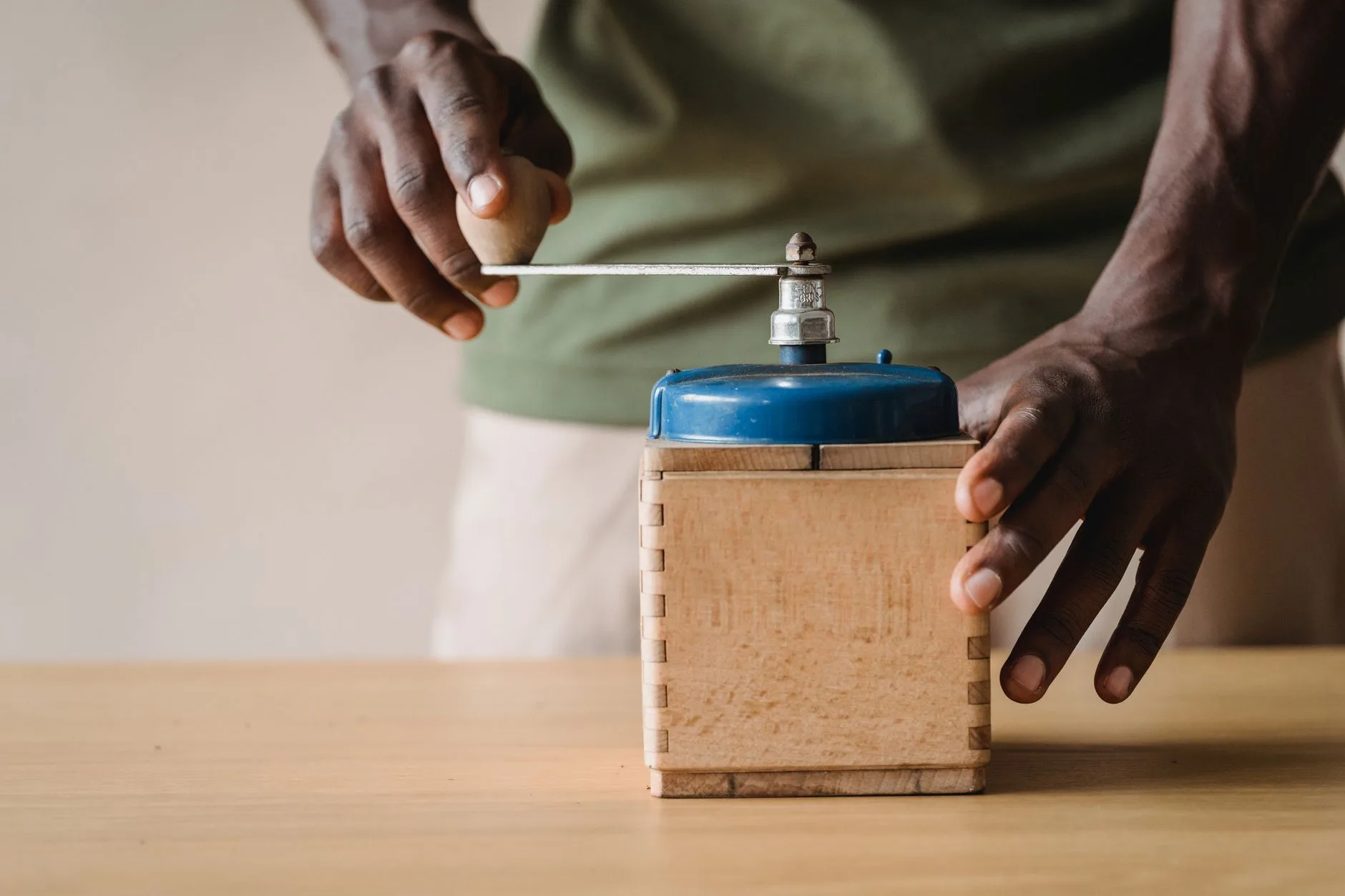
The right grind size changes how much work a manual grinder demands. Coarse grinding is quick. Fine grinding is slower. Espresso-fine grinding can be a forearm workout, especially on cheaper grinders.
AeroPress
AeroPress is the easiest holiday match for a manual grinder. It uses a modest dose, tolerates a range of grind sizes and cleans quickly. A medium-fine grind takes more effort than cafetiere but far less than espresso.
If you are already using an AeroPress at home, pack the same recipe and start one or two clicks coarser than usual if the coffee tastes tight or bitter. The brewer is forgiving enough that you can still get a good mug while half awake.
There is a more detailed recipe angle in the AeroPress guide, but for holidays I would keep it boring: 16g coffee, 240g water, medium-fine grind, short stir, gentle press.
Cafetiere
Cafetiere grinding is easy because the grind is coarse. The catch is volume. If you are brewing a big pot, you may need 50g or more. That means either a larger grinder or multiple fills.
For two people, cafetiere plus hand grinder can be fine. For a group breakfast, it gets dull quickly. If the plan is one big cafetiere every morning, either pack a bigger grinder or take pre-ground coffee from a roaster and accept the freshness trade-off.
The French press coffee guide is useful if you want the method clean and repeatable rather than silty and random.
Pour-over
Pour-over is where grind quality starts to matter. A cheap ceramic-burr grinder can produce too many fines, which slow the drawdown and make the cup taste dry. A better steel-burr grinder makes the holiday V60 far less fussy.
If you are packing a V60, take paper filters in a flat zip bag and pre-fold them if space is tight. Plastic drippers beat ceramic ones for travel because they are light, cheap and hard to break. The brewer is not the status symbol. The coffee is.
For recipe basics, the pour-over, French press and AeroPress comparison explains where pour-over rewards extra care and where it becomes less forgiving.
Moka pot and portable espresso
Moka pot needs a fine-ish grind but not espresso fine. It is doable with a hand grinder, though it takes longer than AeroPress. Portable espresso is different. If you want a proper fine grind for something like a Flair, Picopresso or similar device, take a grinder you already trust for fine adjustment. A £25 travel grinder will not make that fun.
If your holiday coffee plan involves espresso-style brewing, reread the espresso vs filter grinder guide before packing. Fine adjustment matters more than romantic ideas about coffee outdoors.
Cleaning, Mess and Shared Kitchen Etiquette
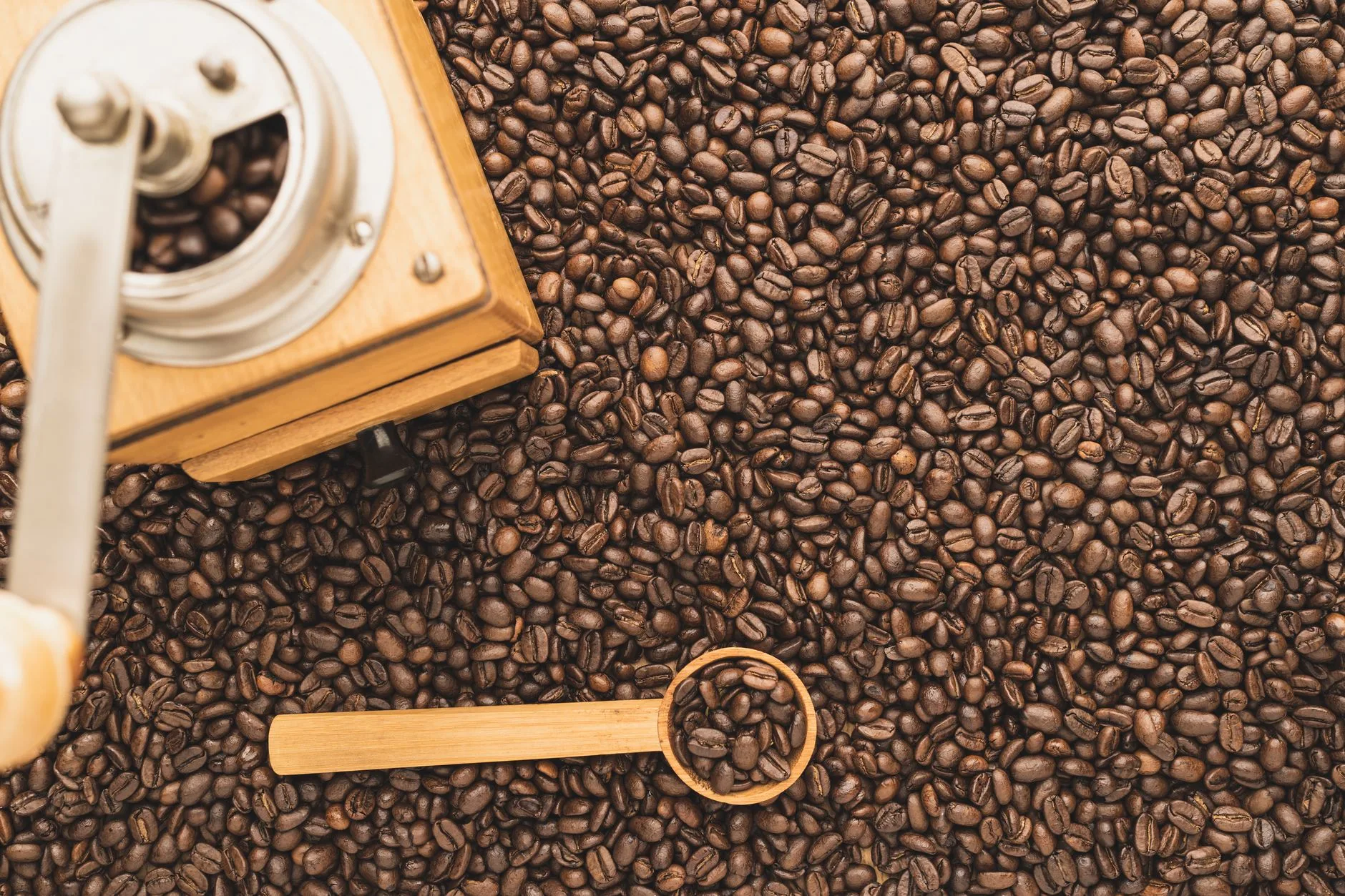
Cleaning is the bit people ignore when they imagine tasteful morning coffee on holiday. Ground coffee gets everywhere. Static clings to plastic. Damp kitchens make old grounds smell stale. A grinder that is fine at home can become annoying when there is no brush, no bin nearby and three people waiting to use the sink.
The minimum cleaning kit
Pack a tiny kit:
- Small brush: a grinder brush, clean pastry brush or firm toothbrush.
- Microfibre cloth: for wiping counters, cups and the grinder base.
- Zip bag: for used filters if there is no bin nearby.
- Elastic band or clip: to keep the bean bag closed.
That lot weighs almost nothing and saves a surprising amount of irritation. I would rather forget the scales than forget the brush, especially with darker roasted beans that leave oily crumbs around the catch cup.
Do not rinse burrs unless the maker says so
Most manual grinder burrs should be brushed, not rinsed. Water can sit in threads, bearings and burr carriers, then cause stale smells or corrosion. If the catch cup is washable, rinse and dry that separately. Keep the burr chamber dry.
For a week away, you do not need a deep clean every day. Brush loose grounds out after each brew, wipe the outside, and do a proper clean when you get home. If you switch between flavoured coffee and normal beans, clean more carefully. Better still, do not take flavoured beans unless you want the grinder to smell like hazelnut syrup until August.
Control static before it spreads
Static is worse with dry air, plastic grinders and some medium-light roasts. A single tiny drop of water stirred through the beans before grinding can reduce mess, but do not overdo it. You want barely dampened beans, not wet beans.
The coffee grinder static guide covers the Ross Droplet Technique in more detail. On holiday, I keep it simpler: tap the grinder gently after grinding, wait a few seconds before opening the catch cup, and brush over the bin rather than over the worktop.
Which Manual Grinder Should You Pack?
This is not a full grinder buying guide; CoffeeSetupUK already has one of those. For holidays, the winner is the grinder that is light enough to pack, fast enough to use, and cheap enough that you are not nervous every time it goes into a bag.
Budget option: Hario Mini Mill Slim Plus
The Hario Mini Mill Slim Plus is usually about £25-£39 from Amazon UK, Origin Coffee and other UK coffee retailers. Origin listed it at £38.95 when checked. It is light, widely available and good enough for cafetiere, AeroPress and forgiving pour-over.
The downside is consistency. Ceramic burrs and a plastic body mean more wobble than better metal grinders. I would buy it only if budget matters more than cup clarity, or if this is a backup grinder for occasional trips. It is not the one I would choose for daily pour-over if I already cared about grind quality.
Best middle ground: Timemore Chestnut C3 or C3S
The Timemore Chestnut C3 family is the sensible middle. UK prices move around, but expect roughly £50-£80 for standard C3/C3S models and about £100-£120 for some Pro or ESP variants on Amazon UK and specialist sellers. It grinds faster than cheap ceramic models, feels more solid and is still small enough for a holiday bag.
This is the one I would pack for most trips. It is not the lightest, and the adjustment is not as refined as premium espresso-focused grinders, but for AeroPress, cafetiere, moka pot and V60 it hits the best balance.
Light travel pick: 1Zpresso Q Air
The 1Zpresso Q Air is appealing because it is compact and light. The official spec lists 365g and 15-20g capacity, which suits one-cup brewing. Expect UK landed cost or marketplace pricing to sit around £65-£95 depending on stock, shipping and currency.
The capacity is the catch. If you brew one mug at a time, lovely. If you make coffee for two or three people, repeated refills will get boring. I would buy it for solo travel, work trips and luggage-conscious holidays, not group cottages.
Premium compact pick: Porlex Mini II
The Porlex Mini II is often around £58-£80 from UK or Europe-facing sellers; Eight Ounce Coffee listed it at £57.99 when checked. It is tough, narrow and travel-friendly, with a stainless-steel body that feels more bag-proof than budget plastic grinders.
I still prefer the Timemore for value if cup quality is the priority, but the Porlex makes sense if durability and shape matter. It slips into gaps in a bag easily, and it has the pleasing “this will survive being packed badly” feel.
Do you need to buy a special travel grinder?
Usually, no. If you already own a decent hand grinder under about 700g, use it. Spending £80 to save 150g is hard to justify unless you travel often. The exception is if your home grinder is large, expensive or set up for espresso. Then a cheaper holiday grinder can protect both your coffee routine and your nerves.
For broader buying advice, the manual vs electric coffee grinder comparison explains why hand grinders make sense in some situations and feel like a chore in others.
How to Dial In Without Wasting Your Holiday Coffee
Dialling in away from home should be quick. You have limited beans, different water and a kettle you may not trust. The goal is not perfection; it is a repeatable cup that tastes good enough to make the grinder worth packing.
Start from your home setting, then simplify
If you use the same grinder at home, write down your usual settings before leaving. Use notes like “AeroPress: 16 clicks from zero” or “V60: two full turns plus four clicks”, depending on how your grinder works. Do not rely on memory. Memory and pre-coffee mornings are not close friends.
For the first holiday brew:
- Use your normal dose: changing dose and grind at the same time makes the result harder to read.
- Go slightly coarser if unsure: coarse mistakes are easier to drink than bitter, stalled brews.
- Adjust one step at a time: change grind before changing ratio, water temperature or brew time.
- Stop once the cup is good: holiday coffee does not need a spreadsheet.
If the coffee tastes sour and thin, grind finer next time. If it tastes bitter, dry or harsh, grind coarser. If it tastes weak but pleasant, use more coffee or less water rather than chasing grind changes.
Account for different water
Water can make your usual setting taste different. Hard water may flatten bright coffee. Very soft water may make acidity feel sharper. If the rental kettle is furry with limescale, filtered water or bottled water may improve the cup more than changing grind.
The water quality and coffee guide covers that properly. On holiday, the practical version is this: if the first cup tastes oddly chalky or sharp, change water before blaming the grinder.
Keep a tiny note on the bean bag
Write the successful setting on the bean bag or your phone. It sounds fussy until the next morning, when you are glad not to repeat the same guesswork. If you bring two coffees, label both. Different beans can need different settings, especially if one is a light roast and one is a darker supermarket-style roast.
I usually take one coffee I know well rather than two exciting unknowns. New beans, unknown water and unfamiliar kit create too many variables. A familiar £9-£13 bag from a UK roaster is easier to enjoy than a special bag you spend half the trip trying to tame.
When Pre-Ground Coffee Is the Better Choice
There are trips where manual grinding is the wrong answer. That does not make you lazy. It means you understand the point of a holiday.
Choose pre-ground for short or busy trips
Pre-ground coffee is better when you are away for one or two nights, travelling with kids, sharing a kitchen with non-coffee people, or brewing big cafetieres for a group. Buy from a local roaster and ask for the brew method grind. Many UK roasters will grind for cafetiere, AeroPress, filter or moka pot when you order.
Use the bag quickly, squeeze air out after each brew and keep it clipped shut. It will not taste as vivid on day five as freshly ground beans, but it can still beat bad instant coffee by miles.
Capsules or drip bags can make sense too
If the accommodation has a Nespresso machine, compatible pods cost roughly 25p-60p each from supermarkets, Pact, Grind, Rave and other UK sellers. They are not the same as freshly ground coffee, but they are tidy and predictable.
Coffee bags and single-serve pour-over sachets cost more per cup, often around 60p-£1.50 each, but they are useful for hotels, camping and early starts. I would not use them at home every day. I would use them for a 6am ferry, because nobody needs a burr grinder performance at that hour.
The final call
Pack the grinder if you are away for long enough to use it, brewing one or two cups at a time, and willing to clean it properly. Leave it at home if the trip is short, the group is large, or the only realistic brewing window is “while everyone else is trying to find shoes”.
My default holiday setup would be a Timemore C3-style grinder, AeroPress, 250g of beans, paper filters, a brush and a small scale. If space is tight, I would keep the AeroPress and drop the scale before dropping the grinder. If space is very tight, I would buy pre-ground coffee and sleep better.
Frequently Asked Questions
Is manual coffee grinding on holiday worth it? Yes, if you are away for several days, brewing one or two cups at a time, and care about black coffee flavour. For short trips or group cafetieres, good pre-ground coffee is often easier.
Can I take a manual coffee grinder in hand luggage? Usually, but airport security can inspect metal items. Keep the grinder easy to remove, avoid packing it with sharp tools, and check current hand-luggage rules before flying.
What is the best manual grinder size for travel? A grinder around 400-600g with 15-25g capacity is the best balance for most people. Smaller grinders are easy to pack but need more refills; larger grinders are nicer to use but heavier.
Should I grind coffee fresh or take pre-ground coffee? Fresh grinding tastes better, but pre-ground coffee wins for short trips, big groups and rushed mornings. Ask a UK roaster to grind for your brew method and use the bag quickly.
How do I clean a manual grinder on holiday? Brush out loose grounds after each brew, wipe the outside with a cloth and keep the burr chamber dry. Do not rinse burrs unless the maker specifically says the grinder can be washed.
Which brew method suits holiday hand grinding best? AeroPress is the easiest all-round choice because it uses a modest dose, tolerates grind variation and cleans quickly. Cafetiere is easy to grind for but can need a lot of coffee for groups.