Cheap grinders can make decent cafetiere, AeroPress and V60 coffee, then fall apart the moment you ask them for espresso. Why cheap coffee grinders struggle with espresso comes down to fine adjustment, particle spread, burr stability and repeatability, not coffee snobbery.
In This Article
- Why cheap coffee grinders struggle with espresso: the short answer
- Why espresso needs finer control than filter coffee
- The cheap-grinder problems that show up first
- Why some budget grinders work for filter but not espresso
- What price gets you real espresso control in the UK?
- How to get better espresso from a cheap grinder
- When to stop fighting the grinder and upgrade
- Frequently Asked Questions
Why cheap coffee grinders struggle with espresso: the short answer
Espresso asks a grinder to do three awkward things at once: grind very fine, make tiny adjustments, and repeat the same dose after dose. Cheap grinders usually fail at one of those jobs, and often all three.
A £35 blade grinder is not really in the conversation. It chops beans into a mix of dust and boulders, which is bad for most brewing methods and hopeless for espresso. A £70-£130 burr grinder can be good value for filter coffee, but many still use wide adjustment steps, lighter motors, wobblier burr carriers or retention-heavy paths that make espresso frustrating.
That does not mean every budget grinder is useless. The Baratza Encore ESP, about £156-£160 in the UK, is built specifically to give finer espresso adjustment in its lower range. The Sage Smart Grinder Pro, usually around £188-£210, can work for many home espresso setups. A good hand grinder such as a Timemore C3 ESP-style model, often around £70-£110, can beat cheap electrics for consistency if you do not mind the effort.
The problem is the vague middle: grinders marketed as “espresso capable” because they can produce something fine, not because they let you dial in repeatably. Espresso does not reward almost-fine-enough. It punishes it.
If you already own a cheap grinder, do not bin it yet. You can improve things with fresh beans, dose consistency, WDT, sensible basket choice and slower expectations. But if every shot swings from sour to choking with one click of the dial, the grinder is probably the bottleneck.
Why espresso needs finer control than filter coffee
Filter brewing is forgiving because water has time and space. In a V60, cafetiere or AeroPress, you can adjust grind size, water temperature, brew time and pouring style over minutes. Espresso compresses the whole problem into a puck of coffee and a short extraction window.
Espresso has a narrow grind window
Espresso normally uses a fine grind because hot water is pushed through a compact puck under pressure. If the grind is too coarse, water rushes through and the shot tastes thin, sour and underdeveloped. If the grind is too fine, water struggles through and the shot can taste harsh, bitter or hollow.
The annoying bit is that the useful window is tiny. A grind change that barely matters for French press can transform espresso. That is why grinder adjustment matters more than the number printed on the dial. A grinder with 40 settings spread across cafetiere to espresso might still have only a few useful espresso positions.
The Specialty Coffee Association standards page is a useful reminder that coffee equipment standards exist because extraction is measurable, not mystical. At home, you do not need a lab, but you do need equipment that can make small repeatable changes.
Pressure makes uneven grinds obvious
Espresso puck resistance depends on particle size. If the grinder creates too many fines, those tiny particles can clog parts of the puck. If it creates too many larger pieces, water finds easier channels. The machine does not politely even things out. It pushes water through the weakest route.
That is why two shots can taste different even when the dose and grind setting look the same. The grinder may be producing a wide spread of particle sizes, so the puck behaves differently each time.
If you are already using the steps in our how to dial in espresso guide and still cannot get predictable results, look at the grinder before blaming the machine.
Tiny dose changes matter
A cheap grinder often has a fluffy, clumpy or static-heavy output. That makes dosing messier. You think you are using 18g, but some grounds stay in the chute, some stick to the cup, and some spill on the counter.
For filter coffee, a half-gram error is rarely the end of the world. For espresso, it can change puck depth, pressure and flow. That is why a £20 set of 0.1g coffee scales often improves espresso more than another bag of beans.
The cheap-grinder problems that show up first
Cheap grinders do not all fail in the same way. Some are fine enough but messy. Some are tidy but stepped too widely. Some look solid until you try light-roast espresso and discover the motor hates life.
Big adjustment steps
This is the classic problem. Your shot runs in 18 seconds on setting 4 and chokes on setting 3. There is no setting 3.5. You can change dose, tamp pressure or basket, but you are working around the grinder instead of adjusting it properly.
Espresso-focused grinders either use smaller steps in the espresso range or stepless adjustment. The Baratza Encore ESP product page describes its lower numbered settings as the high-resolution espresso range, which is exactly the kind of design difference that matters. It is not just “more settings”; it is where those settings sit.
Burr wobble and alignment limits
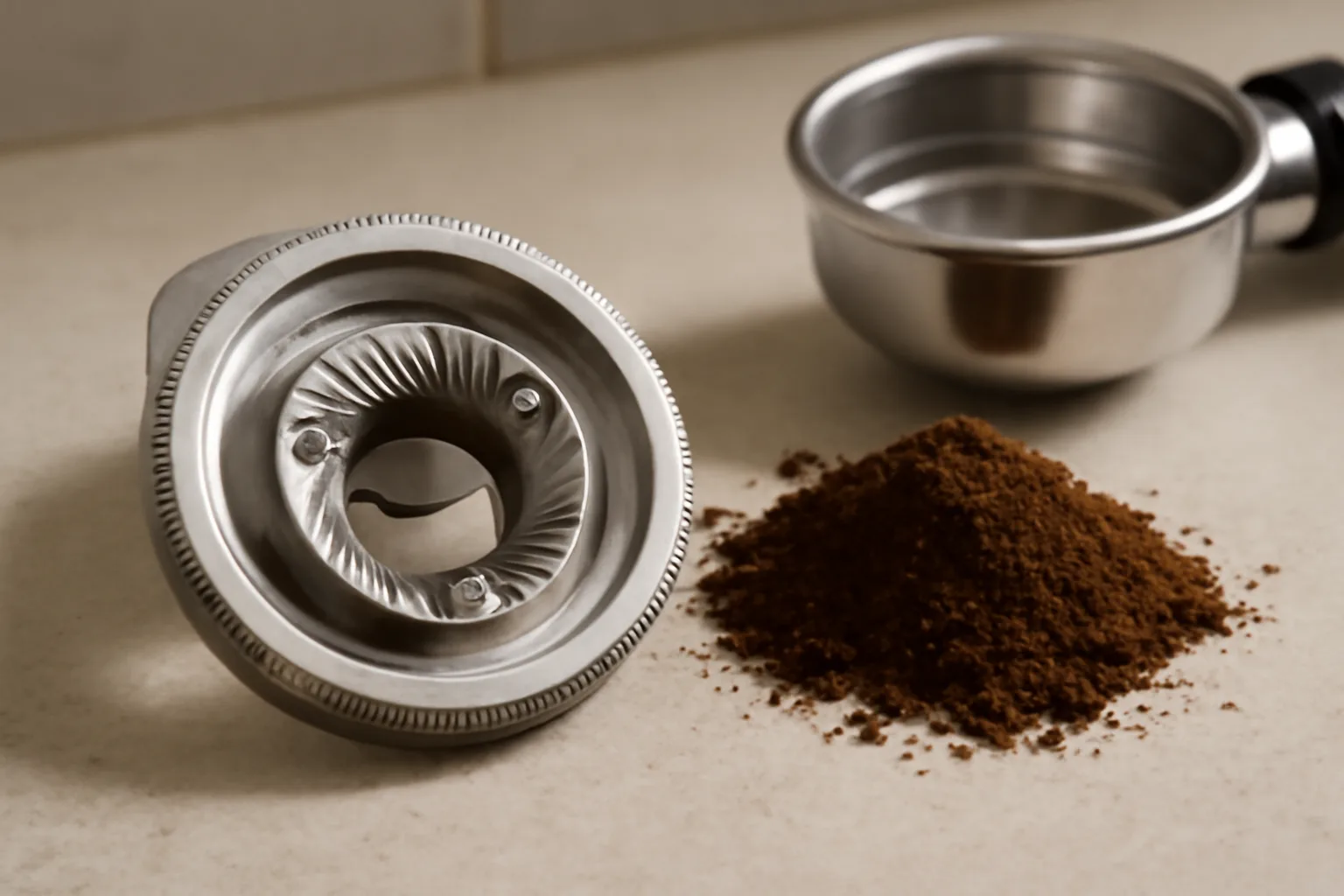
Burrs need to stay stable. If the burr carrier flexes, the grind gap changes as beans pass through. Cheap grinders often use lighter plastic supports and less precise manufacturing. You may still get fine grounds, but not a tight enough spread for repeatable espresso.
This is one reason a good hand grinder can embarrass a cheap electric grinder. You are paying for burr geometry and alignment, not a motor. A £90 manual grinder can be slow, but if it holds alignment better than a £90 electric, espresso may taste cleaner.
Weak motors and heat
Espresso grinding is hard work. Dense light-roast beans at fine settings put load on the motor. Cheap electrics can slow, stall, heat up or produce inconsistent output when pushed fine.
Heat is not the main villain for a single home shot, but struggling motors are a sign that the grinder is operating near its limit. If the sound changes badly at espresso settings, or the grinder labours through a dose, do not expect miracles.
Retention
Retention is coffee left inside the grinder. Some retained grounds fall out with the next dose, which means today’s espresso contains a bit of yesterday’s stale coffee. It also makes dialling in harder because changes do not appear immediately.
This matters most when single dosing. If you put in 18g and get 16.8g out, then 1.2g appears during the next grind, your recipe is not controlled. Our single dose grinding guide goes deeper on why low retention matters for home setups.
Clumping and static
Cheap grinders can produce clumps, especially at fine settings. Clumps create dense areas in the puck and encourage channelling. Static makes the mess worse and can make dosing inconsistent.
This is where a WDT tool, about £8-£20 from Amazon UK or specialist coffee shops, earns its place. It will not turn a bad grinder into a good one, but it can break up clumps and make the puck more even. We cover that in more detail in our WDT tools guide.
Why some budget grinders work for filter but not espresso
A grinder can be a good product and still be the wrong product for espresso. This is where a lot of buying disappointment starts.
Filter coffee tolerates a wider particle spread
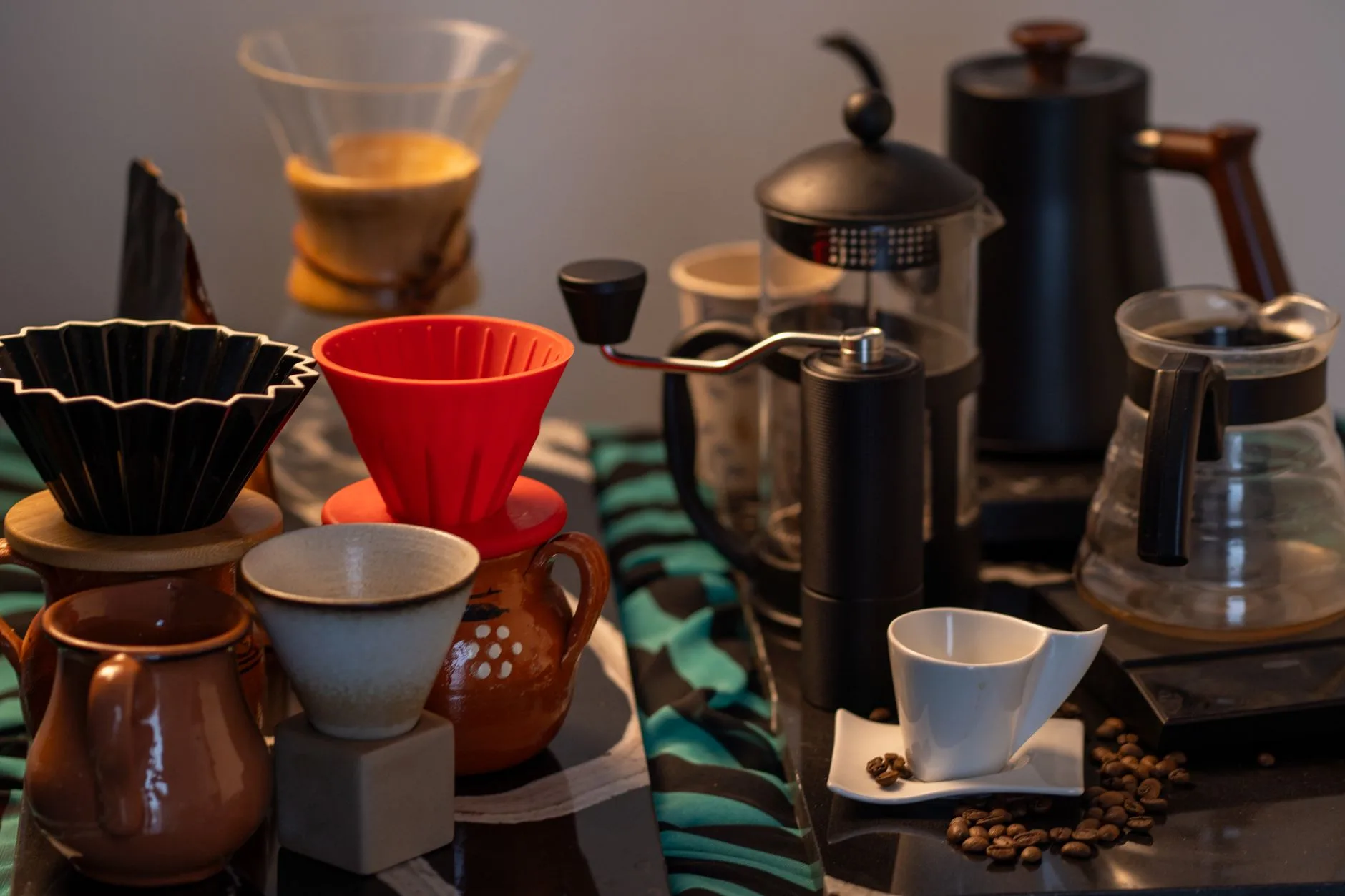
Pour-over, AeroPress and cafetiere all benefit from consistency, but they do not punish adjustment steps in the same brutal way. If your V60 runs a little fast, you can pour slower, grind one click finer, extend the bloom, or change the recipe.
Espresso gives you fewer escape routes. Once the puck is locked in, the machine will expose the grind. If the grinder cannot hit the right resistance, the shot tells on it immediately.
This is why the Wilfa Svart Aroma, about £128 from H.R. Higgins and often around £120-£160 in UK shops, is loved by many filter brewers but is not the obvious espresso answer. It is a good-value brew grinder, not a precision espresso tool.
“Fine” is not the same as “espresso-capable”
Some grinders can grind fine enough to choke a machine, but that does not mean they can dial in well. You need a controlled range of fine settings, not just one powdery end-stop.
Think of it like seat adjustment in a car. If the seat can go all the way forward and all the way back but only has three locking positions, it technically moves. It still may not fit you.
Pressurised baskets hide grinder weakness
Many entry-level espresso machines use pressurised baskets. These can produce crema-looking foam even with coarser, less even grounds. That helps beginners, but it also hides grinder limits.
Move to a standard non-pressurised basket and the truth comes out. The same grinder that was “fine” with a pressurised basket may suddenly produce fast, sour shots or choking slow shots. The basket changed the standard.
If you are not sure which setup you have, our how to choose a grinder for espresso vs filter article explains the split in more detail.
What price gets you real espresso control in the UK?
Price is not perfect, but it gives a useful map. There are exceptions, sales and used bargains, but these bands are realistic for UK buyers in 2026.
Under £50: mostly avoid for espresso
This band is full of blade grinders and lightweight burr grinders with vague claims. They can be useful for spices, emergency cafetiere coffee or very casual brewing, but espresso is asking too much.
If you have only £50 to spend, I would rather buy pre-ground espresso coffee from a local roaster and save for a better grinder. That is not ideal, but it may be less frustrating than buying a machine that cannot dial in.
£70-£130: manual grinders and filter-focused electrics
This is where things get interesting. A Timemore C3 Pro or C3 ESP-style hand grinder often sits around £79-£109 depending on retailer and model. It can be a sensible route if you make one or two drinks at a time and do not mind hand grinding.
Filter-focused electrics such as the Wilfa range can sit around £128-£159. They are useful for V60, AeroPress, French press and batch brew, but do not buy one solely for non-pressurised espresso unless you understand the limitation.
£150-£220: proper entry-level espresso territory
This is the sweet spot for many homes. The Baratza Encore ESP is about £156-£160 from UK retailers such as Square Mile and Baratza. The Sage Smart Grinder Pro is usually about £188-£210 from Sage, Amazon UK and coffee retailers.
Neither is a dream endgame grinder. Both can still retain grounds, create some clumping and struggle compared with pricier flat-burr grinders. But they give you a realistic espresso adjustment range and a far better chance of repeatable shots.
The Sage Smart Grinder Pro page lists 60 grind settings and espresso dosing modes, which tells you what this class is trying to solve: repeatable grind and dose control for home users.
£250-£500: fewer excuses
Move into DF54, Eureka Mignon, Baratza Sette 270, Varia VS3 and similar territory, and you start paying for more serious espresso behaviour: better burrs, finer adjustment, stronger motors, lower retention or a neater workflow.
UK prices vary a lot, but expect roughly £250-£400 for popular mid-range espresso grinders and £400-£500+ once you get into more refined single-dose or flat-burr options. This is where the grinder stops being the obvious weak link for most home setups.
How to get better espresso from a cheap grinder
If upgrading is not happening this month, you still have options. They will not remove the grinder’s limits, but they can make the results less chaotic.
Use darker, fresher beans
Light roasts are harder to grind and harder to extract as espresso. A cheap grinder will usually behave better with a medium or medium-dark espresso roast than a dense light roast.
Fresh matters too, but not “roasted this morning” fresh. Many espresso beans behave better after several days of rest. If your beans are stale, the shot runs oddly and crema fades quickly. If they are too fresh, gas can make the shot lively and awkward.
Weigh every dose
Use scales that read to 0.1g. Put the same dose in, get as close as possible to the same dose out, and keep notes. If your grinder retains coffee, purge a small amount after big grind changes.
Do not change grind, dose, yield and tamp all at once. That is how you lose the thread. Change one variable, taste, then adjust.
Use WDT and a sensible basket
A cheap grinder’s clumps need help. Use a WDT tool, level the bed, then tamp evenly. This reduces channelling and gives the grinder its best chance.
Basket choice matters as well. A high-flow precision basket can make a weak grinder look worse. If you are using a cheap grinder, a standard basket may be more forgiving than a competition-style basket that demands a perfect grind.
Work around big steps
If one click is too fast and the next is too slow, use dose to bridge the gap. For example, if setting 4 runs too fast at 18g and setting 3 chokes, try setting 4 with 18.5g or 19g, assuming your basket can take it.
You can also alter yield. A slightly longer shot may taste better than chasing a textbook number your grinder cannot hit. Espresso recipes are tools, not handcuffs.
Clean the grinder
Old oils and compacted grounds make cheap grinders worse. Brush out the burr area, clear the chute and follow the manufacturer’s cleaning guidance. Do not wash burrs unless the maker says you can.
Our coffee grinder maintenance schedule is worth following if your grinder has started producing more static, clumps or stale smells than it used to.
When to stop fighting the grinder and upgrade
There is a point where technique becomes denial. If you have fresh beans, a warm machine, a consistent dose, WDT, a decent basket and clean burrs, but espresso still swings wildly, the grinder is probably done.
Upgrade if the steps are too wide
This is the clearest sign. If one setting gushes and the next chokes, and dose changes only partly help, you need finer adjustment. That could mean an Encore ESP, Smart Grinder Pro, a good espresso hand grinder, or a move into the £250+ grinder bracket.
Upgrade if the grinder cannot handle your beans
If the motor labours, stalls or sounds rough at espresso settings, stop forcing it. Dense light roasts and fine espresso settings are not kind to weak grinders. A machine that struggles every morning is not a bargain.
Upgrade if espresso is your main drink
If you mostly brew French press or filter, a cheap grinder may be acceptable. If you bought an espresso machine and use it daily, the grinder deserves proper budget. It is not an accessory. It is half the setup.
For many UK homes, I would rather see someone pair a modest espresso machine with a £160-£220 espresso-capable grinder than spend £600 on a machine and feed it from a £45 grinder. The grinder determines whether the machine gets a fair chance.
If you are choosing your next step, start with our Niche Zero vs DF64 vs Eureka Mignon comparison if you are moving up, or our manual vs electric coffee grinder guide if you are deciding whether hand grinding is worth the trade-off.
Frequently Asked Questions
Why do cheap coffee grinders struggle with espresso? Cheap grinders struggle with espresso because they often lack fine adjustment, burr stability and repeatable output. Espresso needs a narrow grind window, so small grinder flaws show up quickly.
Can a cheap burr grinder make espresso? Some cheap burr grinders can make espresso with pressurised baskets or darker beans, but many struggle with non-pressurised baskets. A grinder designed for espresso adjustment is much easier to dial in.
Is a hand grinder better than a cheap electric grinder for espresso? Often, yes. A good £80-£120 hand grinder can have better burr stability than a cheap electric grinder, although it is slower and more effort for multiple drinks.
How much should I spend on an espresso grinder in the UK? For a realistic entry-level espresso setup, budget about £150-£220. Below that, a good manual grinder is usually safer than a cheap electric claiming to do everything.
Will WDT fix a cheap grinder? WDT can reduce clumps and improve puck prep, but it cannot fix wide grind steps, poor burr alignment or weak motors. It helps a limited grinder perform better; it does not remove the limit.
Should I upgrade my grinder or espresso machine first? Upgrade the grinder first if your machine is functional. A better grinder often improves espresso more than a better machine fed with inconsistent grounds.